Sepulveda Basin Field Trip, 9 Mar 2024
[By Chuck Almdale, photos by Ray Juncosa & Chris Tosdevin]
Make sure you get to the quiz at the end. We’re testing a new format.
One could say the weather was better than last year – no hints of rain – but there were fewer birds. The trails were clear of all the fallen trees, but it seemed that a bunch of trees had disappeared from the center of the island in the pond, making it appear bare and giving fewer nesting spots for the Double-crested Cormorant flock and the various herons and egrets.
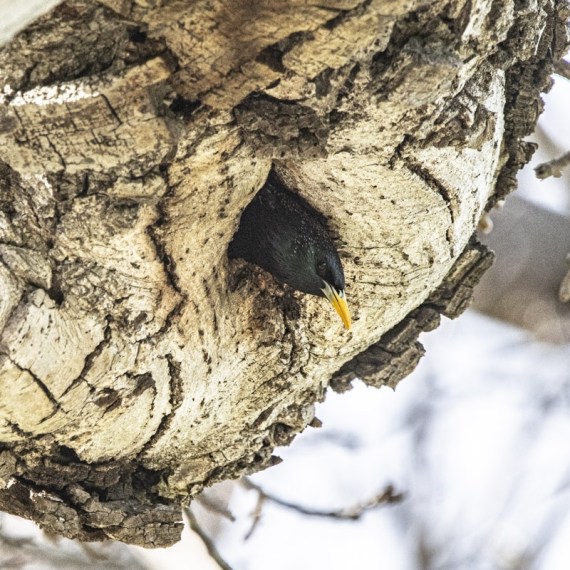
Our lead bird is every American birder’s bird-to-hate, the European Starling. This is one of those species that some guy in the late 19th century decided simply must grace America’s fertile lands because it is mentioned somewhere in the works of Shakespeare. So he dumped off dozens of species in the wilds of New York City’s Central Park. The only ones that prospered were this starling and the House Sparrow, and there are probably billions of them across America today. The other dumpees rapidly disappeared, except for the Eurasian Tree Sparrow which hangs on along the central Mississippi River. (Co-incidentally this sparrow is apparently vanishing from England.) This starling is our sole representative of the Sturnidae family, widespread in the Old World with almost 120 species, many of them stunningly beautiful, especially those in Africa.
Why don’t birders like it? They’re highly social, quite aggressive and use their sharp pointed bills and shear numbers and persistence to drive native birds from nesting cavities. Combine that with deforestation and our tendency to cut down dead limbs and trees lest they fall down and crush our cars, thereby removing many potential nest holes, and it’s part of the reason many of our native species have declined up to 95%. But…when these starlings are covered with fresh fall stars they are – as the Aussies say – quite a “specky bird.”
Probably the bird of the day (Ta-Dah!) was the Neotropic Cormorant which – after several years of just missing it or having poor and uncertain looks – we finally got a good, unmistakable look. It’s the smaller, leftmost cormorant below; the others are all Double-crested (save for the geese, of course). It was probably a life bird for some and certainly a County Bird for others.
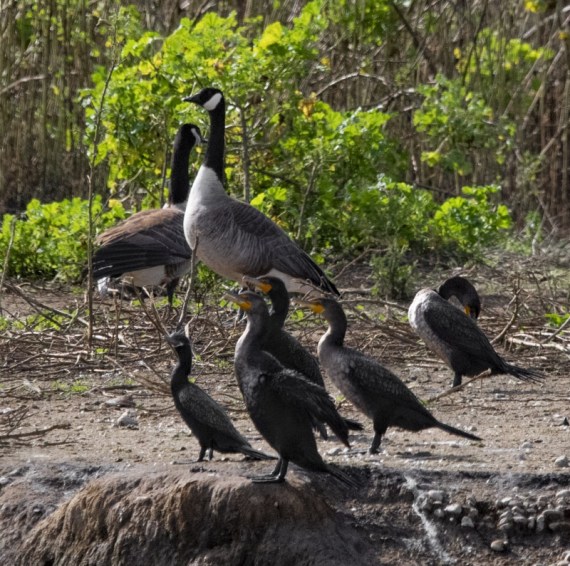
Although the Neotropic is significantly smaller than the Double-crested – length 26″ wingspan 40″ versus length 36″ wingspan 63″, it’s surprisingly difficult to see this difference in the field. It helps a great deal when they’re standing erect right next to each other and all facing sideways in the same direction as pictured above. Put them up in a tree on different branches, crouching or snoozing, or lounging on a log in a lake and you might not find it quite so easy.
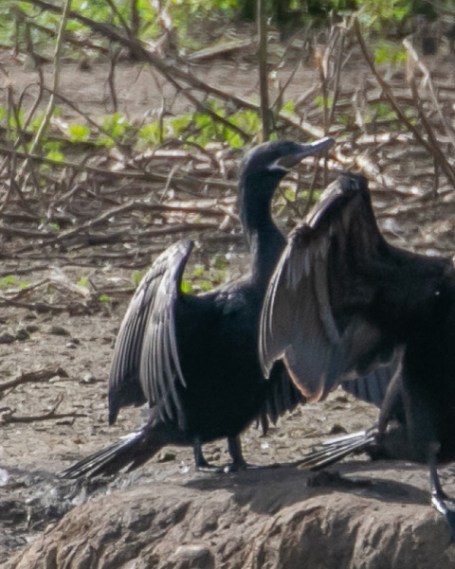
There are five other good field marks to look for, usually visible if not too far away. The Neotropic’s bill is smaller and the likewise-smaller gular pouch is a slightly darker orange. The angle of orangish flesh at the corner of the mouth gape is more acute. The white line edging the gape is (barely) present in juveniles and quite bold in adults in breeding, more extensive and brighter than in the Double-crested, which often doesn’t show any white at all. Lastly, the Double-crested always has yellow flesh above the dark loral stripe, brightest and largest in the adult. The Neotropic never has yellow in this location. Look closely at these three photos and you can see all these field marks. All this valuable information is in your handy paperbound field guide, of course, which you always carry into the field, of course, so it’s always close at hand. Of course.
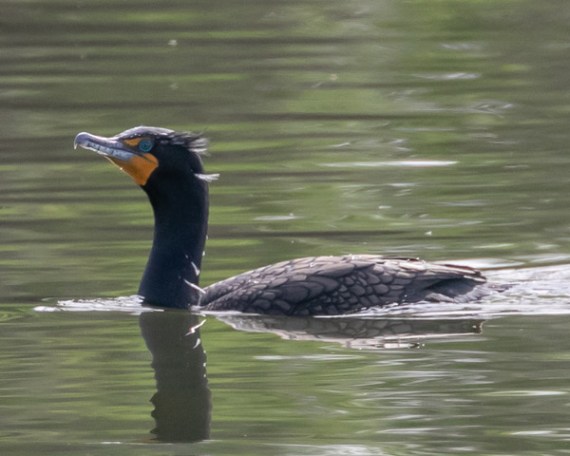
Neotropic Cormorants have been veeeerrrry slowly invading California for well over 30 years. I saw my first one August 31 1986 in the Imperial Valley, probably on one of the small lakes southeast of the Salton Sea, on one of those scorching summer days when boobies and Wood Storks – possibly driven mad by the heat, upwards of 110°F – fly north into the U.S. Thirty-two years later we saw it on a San Gabriel valley reservoir and now, six years after that, they’re well on their way to becoming resident on many of our ponds and reservoirs and along our several rivers. They seem to much prefer fresh water over brackish or salt water, although I’m not sure that’s true in Central and South America.
At the end of the walk, we climbed into our cars and drove to a different location in the Sepulveda Basin. Here we followed Ruth and Chris Tosdevin to where they had somehow found a large Great Horned Owl and nest. The nest was near the top of a conifer, and was so cleverly located (those wily Owls!) that when I walked off more than 10 ft in any direction I could no longer see the nest, even if I went several hundred feet away, looking back to see if I could find birds in the nest. View of the nest was blocked off in all directions, save directly underneath! I don’t know how they ever found it. To top that, Ruth then located one of the owls in a nearby tree, high in a crotch and deep in the shade. This is not the first time I’ve seen Ruth do this with owls, and it verges on the miraculous.

Quiz time! Answers are buried in useful locations.
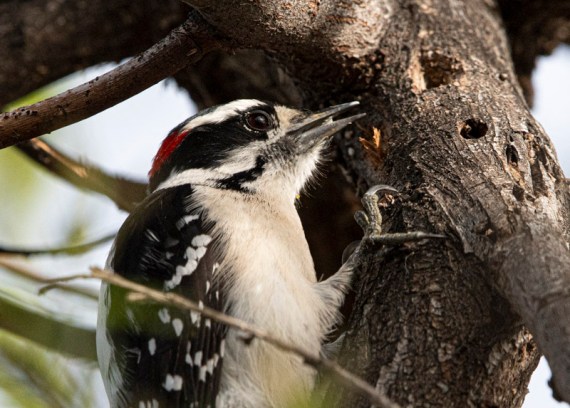

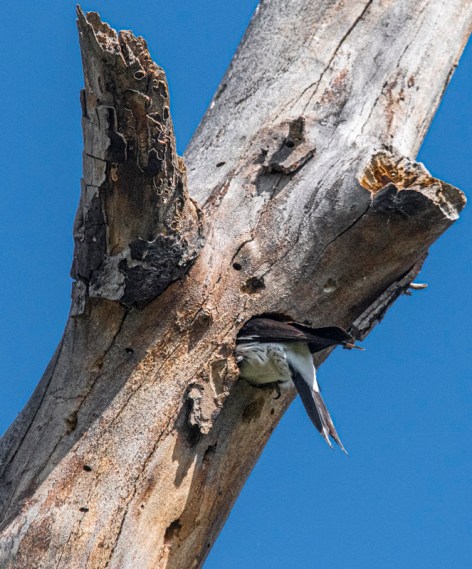
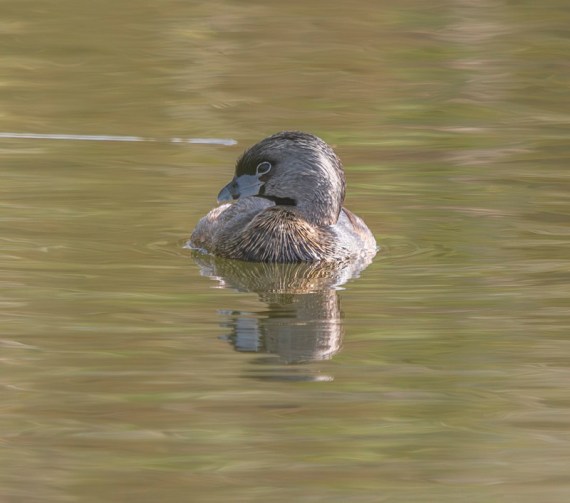
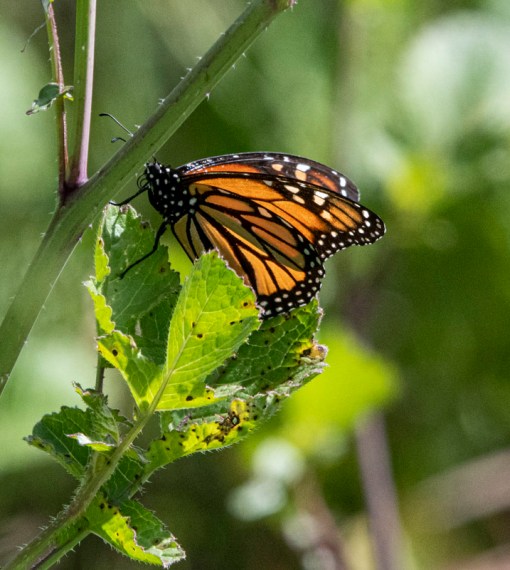

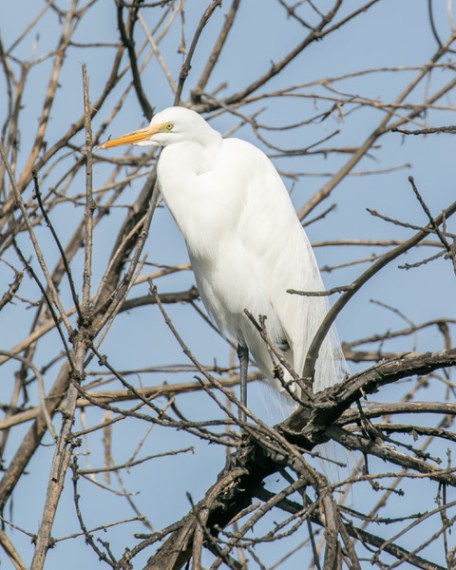
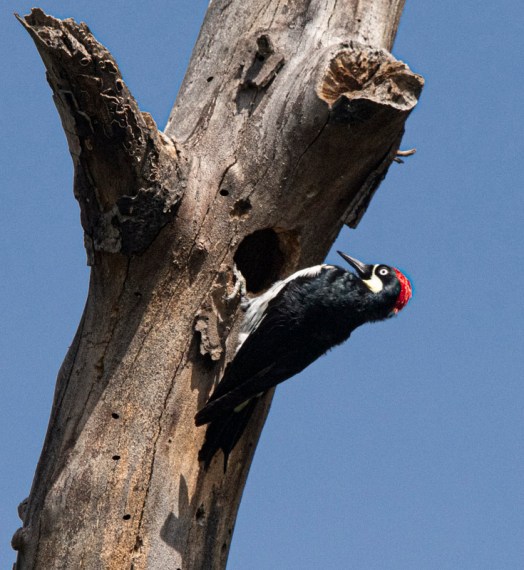
Answers to the top twelve:
1. Downy Woodpecker (Ray Juncosa 3-9-24)
2. Brown Headed Cowbirds (Chris Tosdevin 3-9-24) Link to our zoom program
3. Acorn Woodpecker (Ray Juncosa 3-9-24)
4. Pied-billed Grebe (Ray Juncosa 3-9-24)
5. Monarch Butterfly (Ray Juncosa 3-9-24)
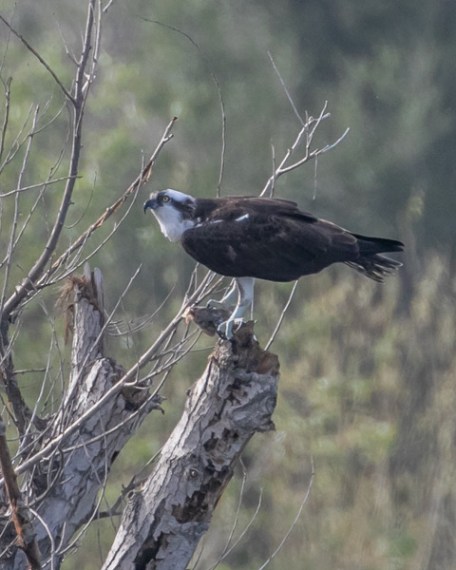
6. Osprey (Chris Tosdevin 3-9-24)
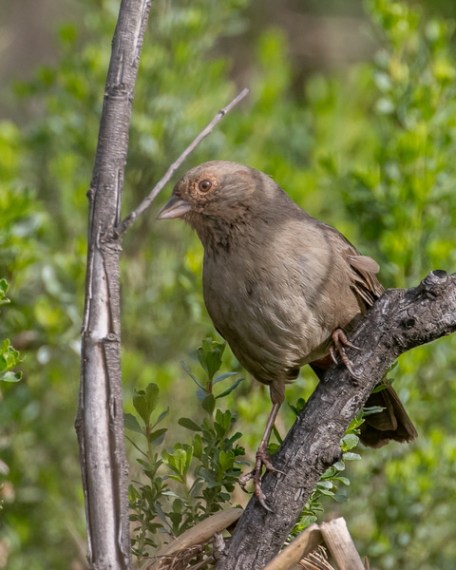
7. California Towhee (Chris Tosdevin 3-9-24)
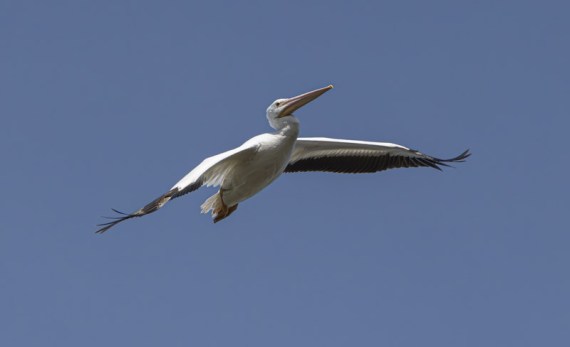
8. White Pelicans (Ray Juncosa 3-9-24)
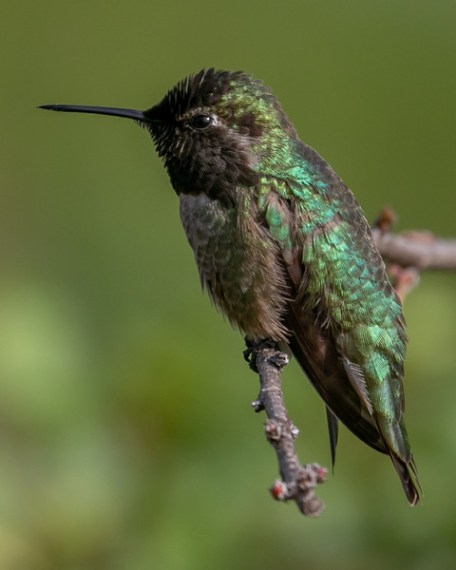
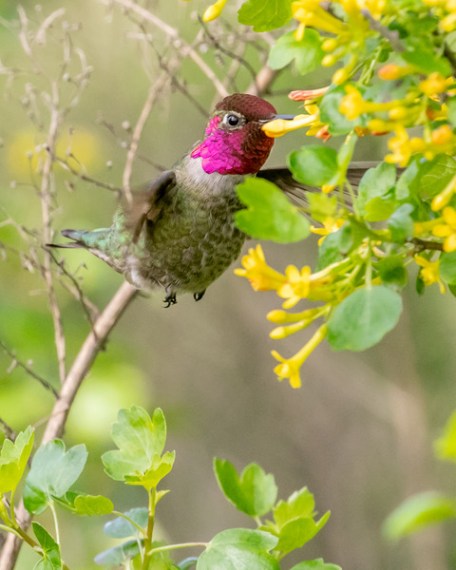
9. Anna’s Hummingbird, male (Chris Tosdevin 3-9-24)
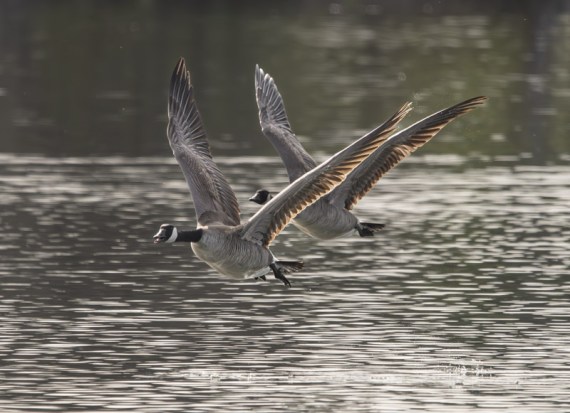
10. Canada Geese (Ray Juncosa 3-9-24)
11. Great Egret (Chris Tosdevin 3-9-24)
12. Acorn Woodpecker (Ray Juncosa 3-9-24)
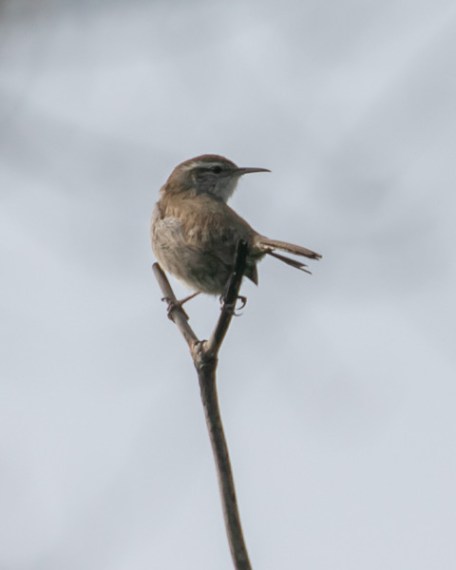
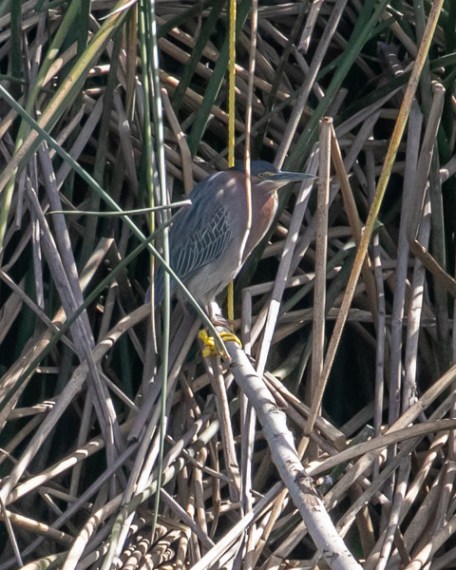


Answers to the bottom twelve:
13. Bewick’s Wren (Chris Tosdevin 3-9-24)
14. Green Heron (Chris Tosdevin 3-9-24)
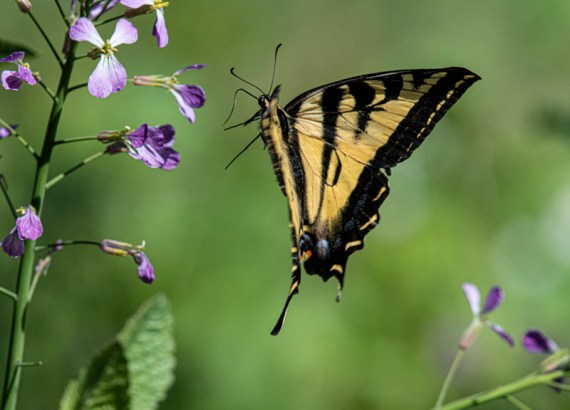
15. Western Tiger Swallowtail Butterfly (Ray Juncosa 3-9-24)
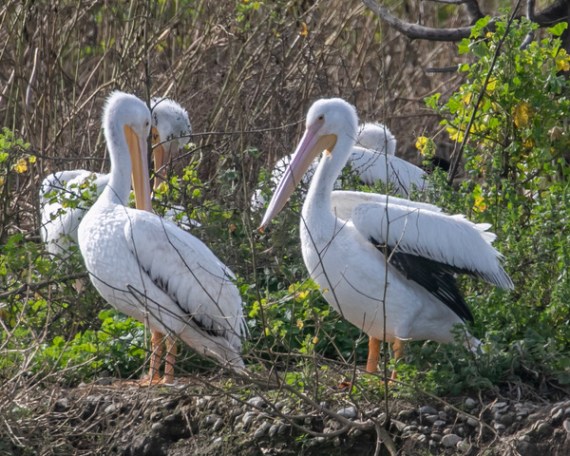
16. White Pelicans (Chris Tosdevin 3-9-24)
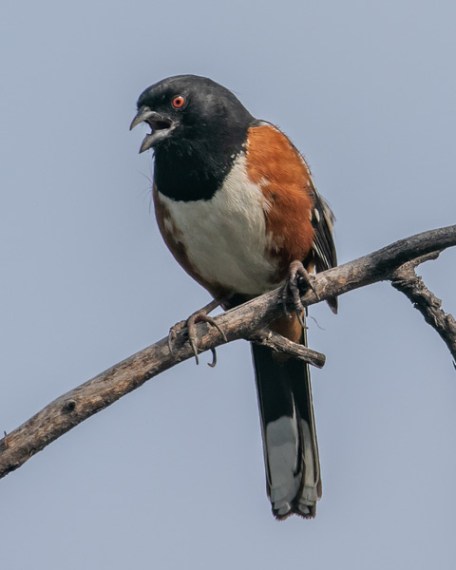
17. Spotted Towhee (Chris Tosdevin 3-9-24)
18. Cundinamarca Antpitta (Photographer & date unknown, link ) not actually seen in Sepulveda
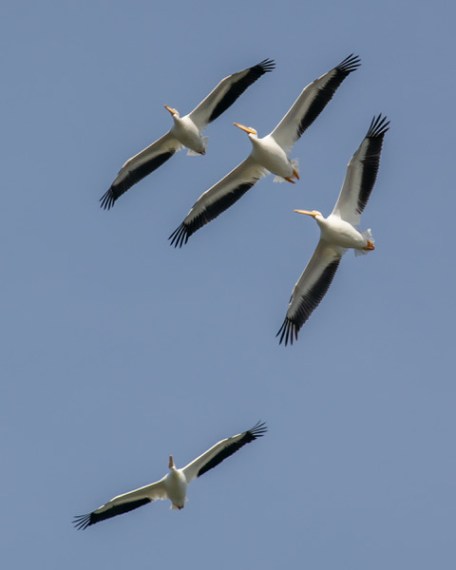
19. White Pelicans (Chris Tosdevin 3-9-24)
20. Osprey (Chris Tosdevin 3-9-24) The other side of the bird
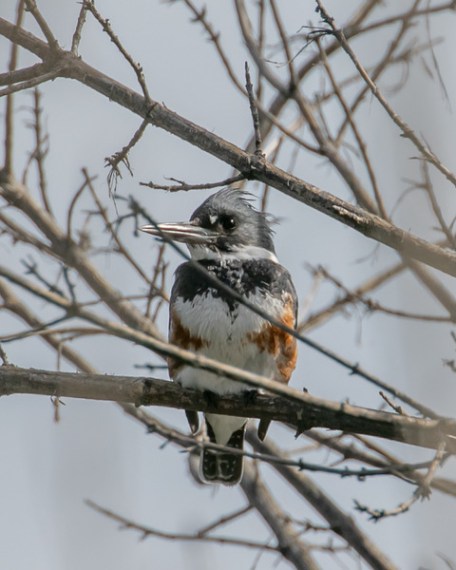
21. Belted Kingfisher, female (Chris Tosdevin 3-9-24)
22. Anna’s Hummingbird, male (Chris Tosdevin 3-9-24)
23. Great Blue Heron (Chris Tosdevin 3-9-24)
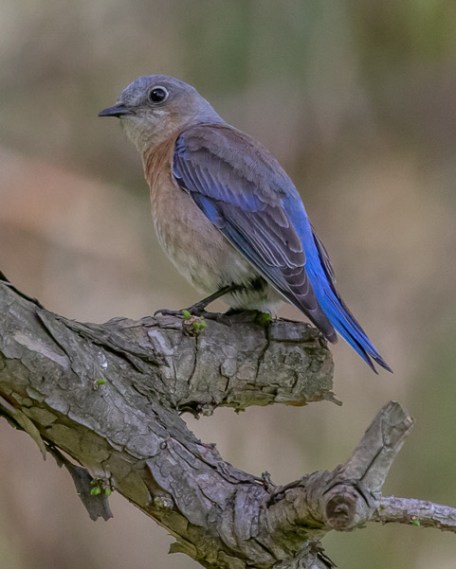
24. Western Bluebird, male (Chris Tosdevin 3-9-24)
Link to eBird report of this trip: https://ebird.org/checklist/S165077313
| Sepulveda Basin Field Trips | |||||
| English Name | 3/9/24 | 3/11/23 | 3/10/18 | 2/11/17 | 2/13/16 |
| Canada Goose | 30 | E | X | X | X |
| Egyptian Goose | 2 | A | X | X | X |
| Muscovy Duck | X | ||||
| Mallard | 25 | B | X | X | X |
| Hooded Merganser | A | X | X | ||
| Pied-billed Grebe | 4 | B | X | X | X |
| Neotropic Cormorant | 2 | 1 | |||
| Double-crested Cormorant | 15 | D | X | X | X |
| American White Pelican | 20 | C | X | X | |
| Great Blue Heron | 1 | A | X | X | X |
| Great Egret | 5 | B | X | X | X |
| Snowy Egret | 1 | A | X | X | |
| Green Heron | 3 | A | X | X | X |
| Black-crowned Night-Heron | 6 | B | X | X | X |
| Turkey Vulture | 4 | C | X | X | X |
| Osprey | 2 | A | X | X | X |
| Cooper’s Hawk | A | X | X | ||
| Red-shouldered Hawk | A | ||||
| Red-tailed Hawk | 2 | A | X | X | |
| American Coot | 10 | D | X | X | X |
| Killdeer | X | ||||
| Gull sp. | 10 | ||||
| Western Gull | X | ||||
| Rock Pigeon | D | X | |||
| Eurasian Collared-Dove | 1 | ||||
| Mourning Dove | 25 | C | X | X | X |
| Great Horned Owl | 1 | X | |||
| White-throated Swift | X | ||||
| Anna’s Hummingbird | 8 | A | X | X | X |
| Rufous Hummingbird | 12 | X | |||
| Allen’s Hummingbird | B | X | X | X | |
| Belted Kingfisher | 1 | 1 | X | X | X |
| Acorn Woodpecker | 3 | A | |||
| Red-breasted Sapsucker | X | ||||
| Nuttall’s Woodpecker | A | X | X | X | |
| Downy Woodpecker | 2 | X | X | ||
| Northern Flicker | A | X | X | ||
| American Kestrel | 2 | ||||
| Merlin | 1 | ||||
| Yellow-chevroned Parakeet | X | X | |||
| Black Phoebe | 8 | A | X | X | X |
| Ash-throated Flycatcher | X | ||||
| Cassin’s Kingbird | A | X | X | ||
| Western Scrub-Jay | 2 | X | X | ||
| American Crow | 4 | X | X | ||
| Common Raven | B | ||||
| Tree Swallow | 15 | D | X | ||
| Violet-green Swallow | A | X | |||
| N. Rough-winged Swallow | C | X | X | ||
| Barn Swallow | 3 | ||||
| Cliff Swallow | B | ||||
| Bushtit | 8 | C | X | X | |
| White-breasted Nuthatch | 1 | A | |||
| House Wren | X | ||||
| Bewick’s Wren | 2 | X | X | ||
| Blue-gray Gnatcatcher | X | X | |||
| Ruby-crowned Kinglet | A | X | X | ||
| Western Bluebird | 9 | B | X | X | X |
| Mountain Bluebird | D | ||||
| Hermit Thrush | X | ||||
| American Robin | A | ||||
| California Thrasher | X | ||||
| Northern Mockingbird | 1 | A | X | X | |
| European Starling | 8 | C | X | X | |
| Orange-crowned Warbler | X | X | |||
| Common Yellowthroat | 8 | B | X | X | X |
| Yellow-rumped Warbler | 80 | D | X | X | X |
| Spotted Towhee | 3 | X | X | X | |
| California Towhee | 3 | B | X | X | X |
| Chipping Sparrow | 4 | B | X | X | |
| Lark Sparrow | X | X | |||
| Savannah Sparrow | X | X | |||
| Song Sparrow | 16 | C | X | X | X |
| White-crowned Sparrow | 10 | D | X | X | X |
| Dark-eyed Junco | X | ||||
| Red-winged Blackbird | 3 | D | X | X | X |
| Western Meadowlark | A | ||||
| Brown-headed Cowbird | 10 | ||||
| Great-tailed Grackle | 2 | C | X | X | |
| House Finch | 20 | D | X | X | X |
| Lesser Goldfinch | 3 | D | X | X | X |
| Lawrence’s Goldfinch | D | ||||
| American Goldfinch | X | ||||
| Total Species – 82 + 1 taxa | 48 | 56 | 44 | 51 | 51 |
Discover more from SANTA MONICA BAY AUDUBON SOCIETY BLOG
Subscribe to get the latest posts sent to your email.



 SANTA MONICA BAY AUDUBON SOCIETY BLOG