Lakeside birding at Huntington Beach Central Park, 12 Oct. 2024
[Written by Liz Galton; Photos by Elyse Jankowski, Ray Juncosa & Chris Tosdevin; comments & editing by Chuck Almdale]
The quiz at the end has many of the best photos. Don’t miss it.
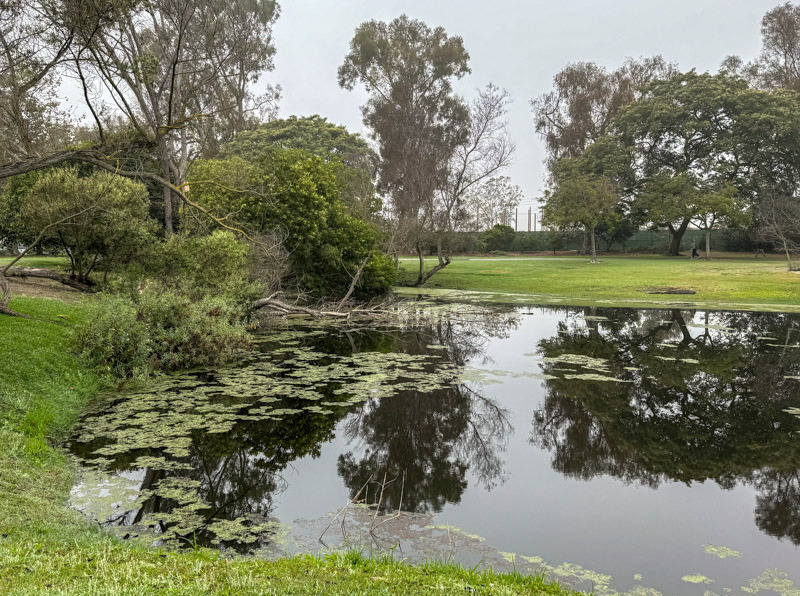
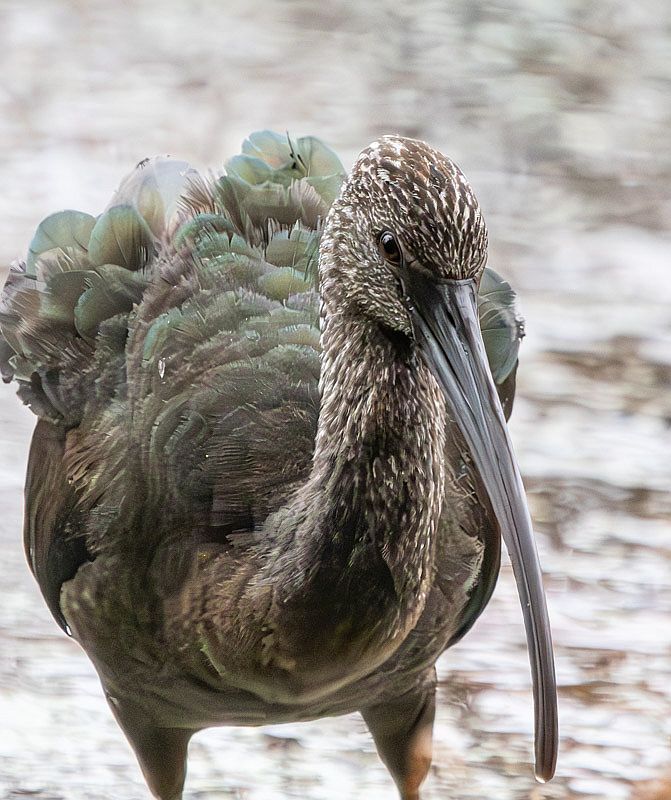
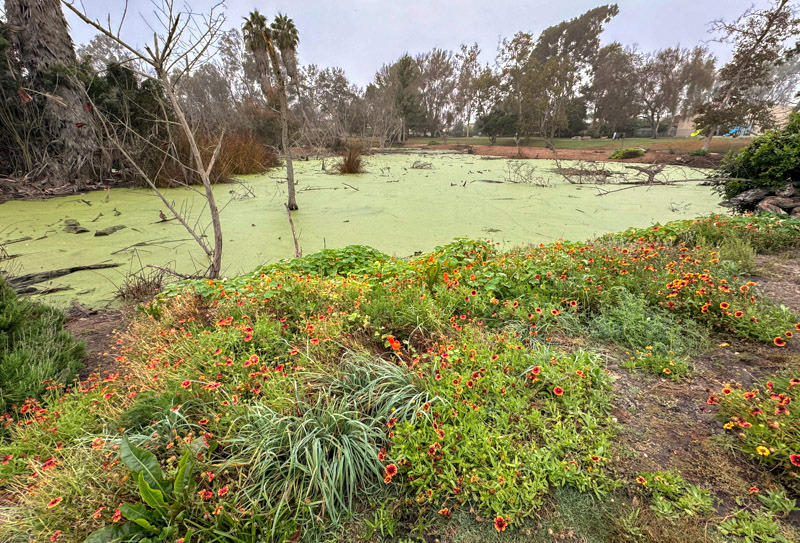
A total of 15 birders came to the Huntington Central Park birding trip, in very cool misty weather. We had to identify birds by outline, because color was hard to tell. Things were gray, black or white only. The lake was surrounded by far fewer trees, which made the lake easier to see, but there were fewer trees for birds to perch on. New trees are being planted, but unfortunately not native ones. The lake was mostly covered by the usual duckweed, but now there were more clear places than I’ve seen before. The edges of the lake boasted more Coots, Mallards, and yes, White-faced Ibises than usual, poking around in the mud at the edge. The usual Green Heron was present to greet us.

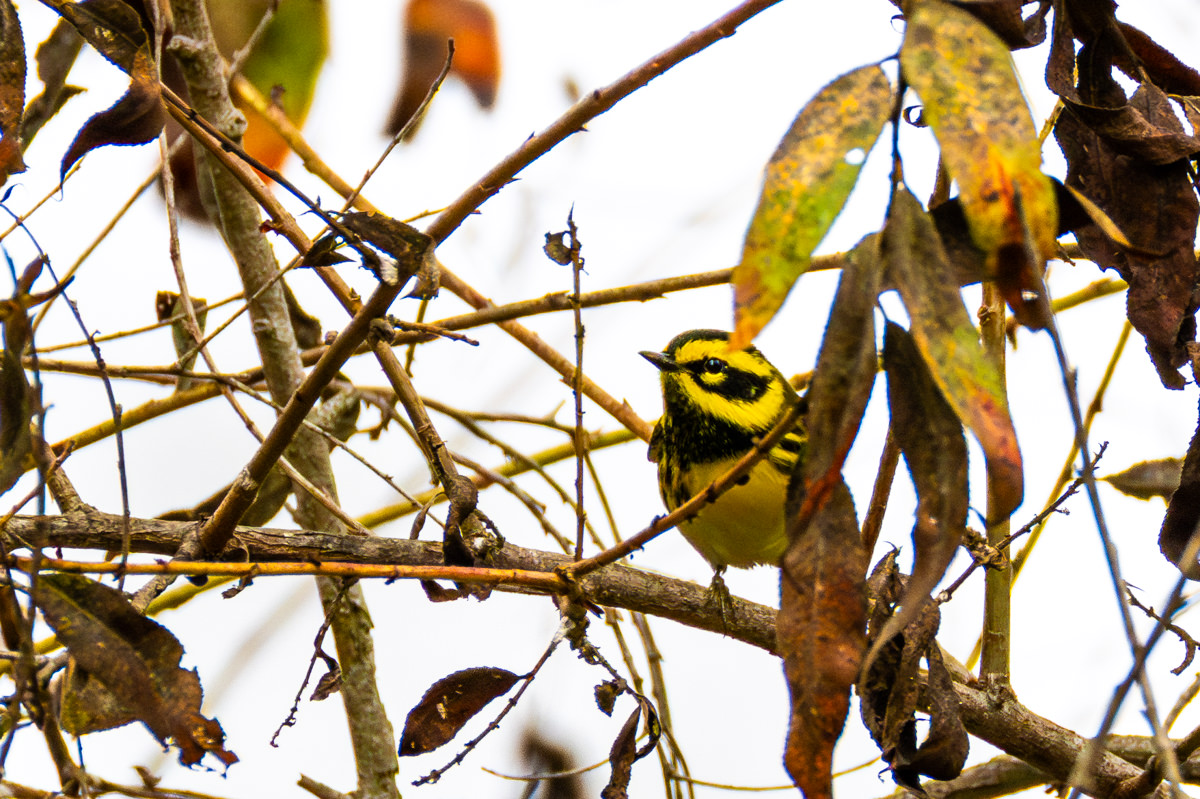
As we walked around the lake, we were pleased to see our usual migrants: brilliant Townsend’s Warblers, and a Black-and-White Warbler flitting high in the trees.

The Black-and-white Warbler is an eastern U.S. warbler with a range extending westward to the Rocky Mountains. Although they don’t nest west of the mountains they regularly appear in small numbers in the fall. These strays are quite likely the northwesternmost breeders from the Alberta-British Columbian border, occasionally straying westward across the mountains during their southern migration.
Townsend’s Warbler on the other hand, has a western range and barely crosses the southern Rockies eastward. They nest in the northern mixed coniferous forests and are common – but not abundant – spring and fall migrants in SoCal. It’s always a treat to see them in their bright yellow and black plumage.
By then the fog was lifting, fortunately, and we could see their colors. A mysterious mammal slept in a tree, variously described as a gray raccoon or a long-haired opossum. The head was hidden, but we could see five toes jutting upward. Unfortunately for identification purposes, both raccoons and opossums have five toes per foot. Other cute bushy-tailed mammals checked us out for hand-outs.
The Great Horned Owl, although reportedly in his station at his nest, could not be found, although earnestly searched for. Chuck later grew suspicious of the passerby’s report of “one over by the library poking his head over the edge of the nest,” when he recalled that these owls generally don’t start nesting until February, so the likelihood of one in a nest in October was quite slim. More likely the informant saw an owl-head-shaped bunch of dead leaves caught on a limb.

After checking the UofC-Irvine web page on Spiders of Orange County, we submitted Elyse’s spider photo below to iNaturalist. Chuck decided it was likely a Spotted Orbweaver, probably Neoscona crucifera, based both upon the above web page and a few iNat photos. One commentator agreed on Neoscona sp. but not N. crucifera, unhelpfully without explaining why. Whatever it was, it was apparently in the midst of enjoying its meal.

Some birders spotted a Hutton’s Vireo. The two photos below, possibly of the same individual bird, demonstrate how varied a bird can be depending on light or distance, and how photographs can vary when displaying them. The white broken eyering and bill shape/color are good marks for Hutton’s, and especially so is the darkish “bar” between the two white wing-bars. The very similar Ruby-crowned Kinglet (also seen today) has a similar dark “bar” but it is below the lower wing-bar. But Hutton’s is typically a grayish-olive bird, not bright yellow below.

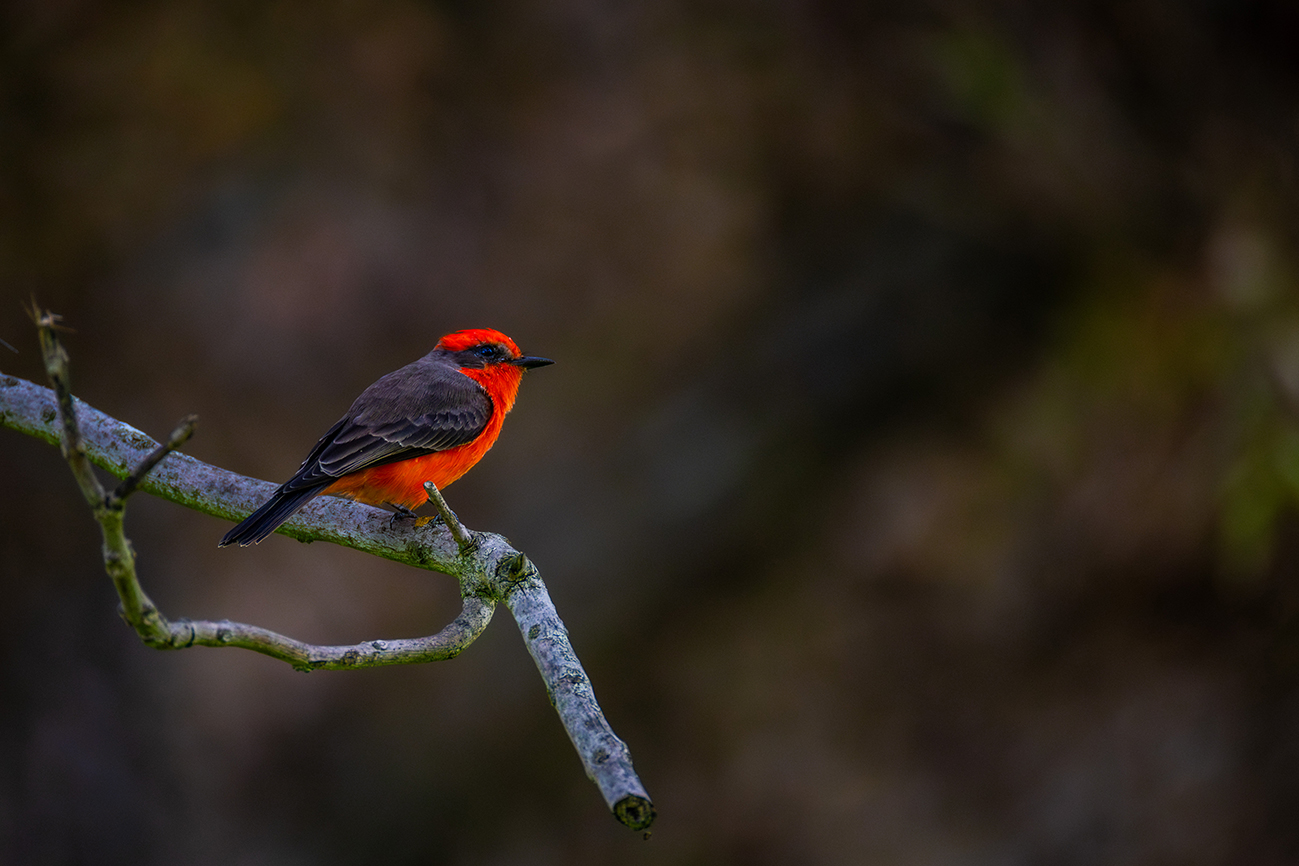

We delighted in seeing both Mr. and Mrs. Vermilion Flycatcher, as well as male and female Pin-tailed Whydah, the male spectacular with his long tail.

The female of this sub-Saharan species is small, only 4.75″ and has a bright red bill. The male at 12.5″ is almost three times as long, all of it in the tail. The male was perched in a tree adjacent to the lake near the Secret Garden a bit north of the library.
This area also hosted most of the turtles we saw. By this time the clouds had cleared and the sun was out, and it was sun-basking time for turtles. They all seemed to be Red-eared Sliders, native to eastern U.S. People buy them as pets at the store when they’re small, cute and cuddly, then unload them at the nearest pond when they get old, grumpy and picky about what they’re willing to eat.

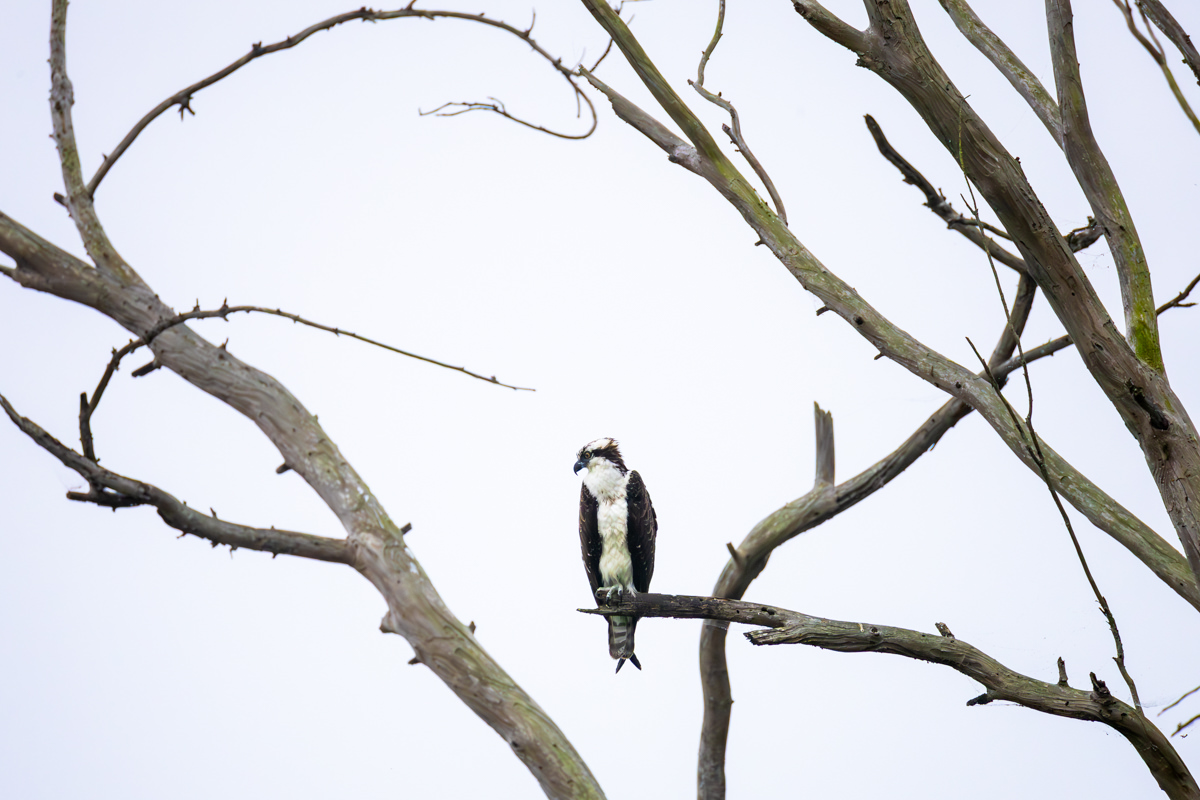
Raptors flew overhead: both Red-tailed and Red-shouldered Hawks, Turkey Vultures and an Osprey, parked over the water. A Belted Kingfisher darted across the lake.
After several hours of birding, there was the welcome sight of a restaurant, right there in the park, where we gratefully partook of the offerings.
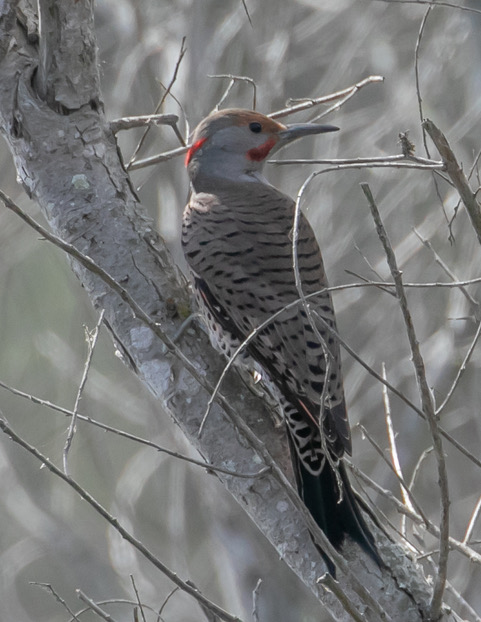
When a large bird flew in to land in the lakeside trees next to our lunch table, we immediately recognized it as a flicker, but not just any flicker. Judging by the head markings it was an intergrade. The western Red-shafted Flicker has a red “whisker” while the eastern Yellow-shafted has a black whisker and a red nape. This bird has both whisker and nape of red, not something you see every day. Judging by the very slim streak of lightness along the end of the lower edge of the wing, visible in the photo below, it may have had yellow feather shafts.
A few more birds were added to the list and off we drove, after a lovely birding day.
Quiz Time!
Identify all species. Some photos have additional questions.
All photos taken Huntington Beach Central Park East, 12 October 2024.








Quiz answers, credits & comments
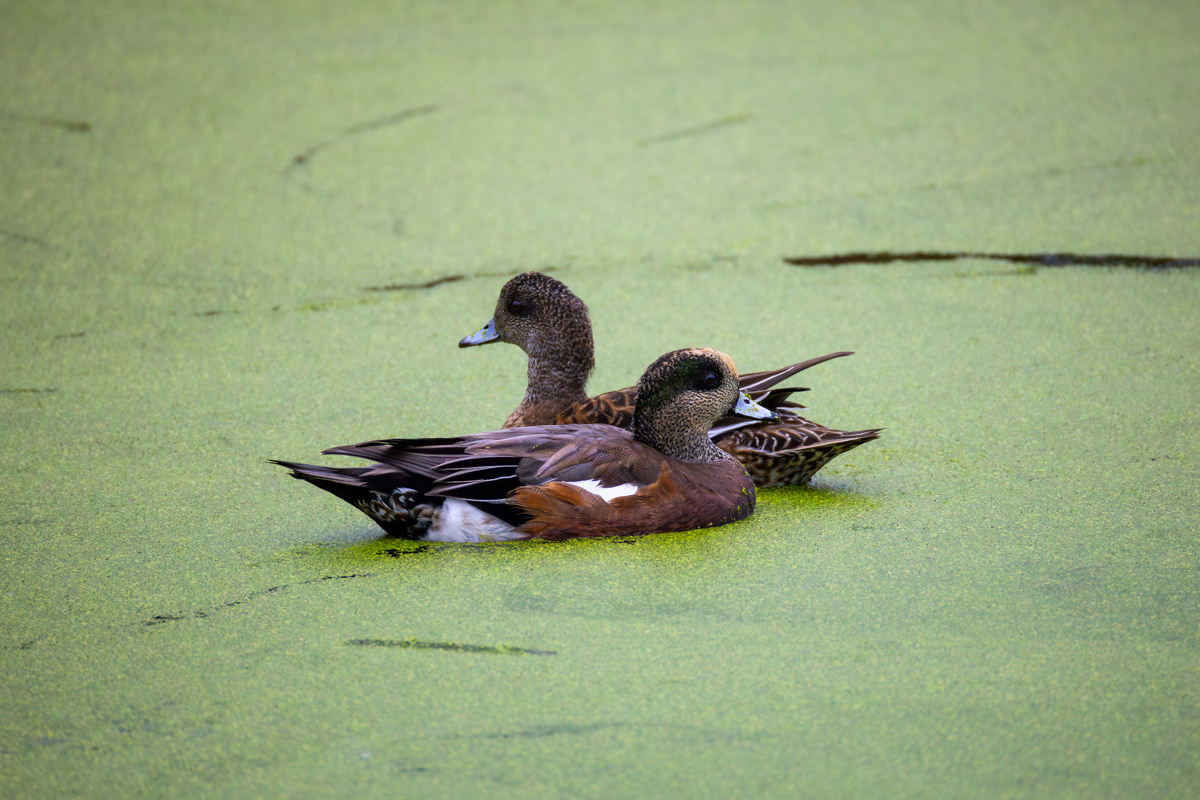
#1. American Wigeon female, stretching her wings. (Elyse Jankowski 10-12-24)
#2. Female Mallard has a blue speculum and a saddle of black on the orange bill. (Elyse Jankowski 10-12-24)
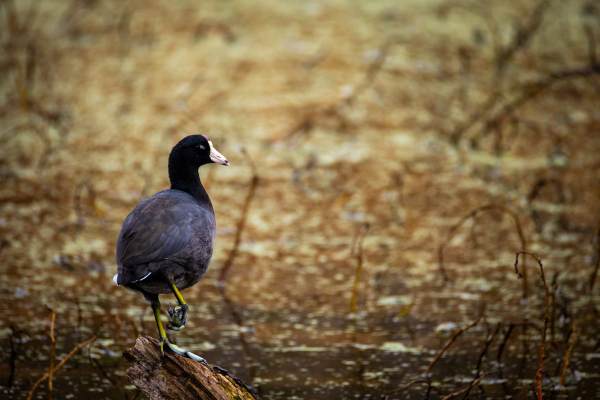
#3. American Coots are closely related to cranes, not ducks. Flexible lobes on their toes enable them to both swim and walk well, unlike birds with webbed feet. (Elyse Jankowski 10-12-24)
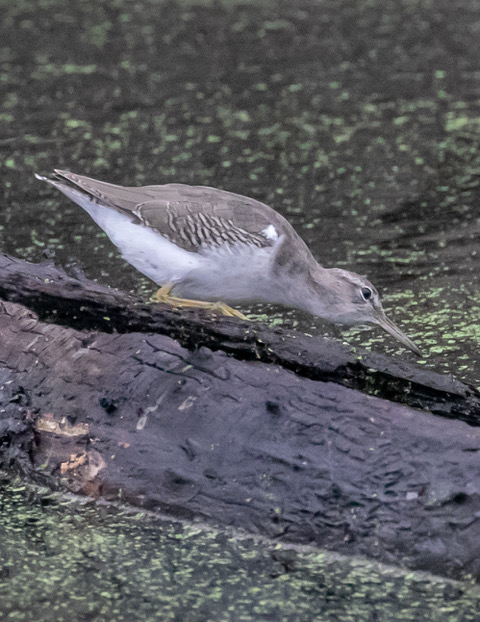
#4. Spotted Sandpiper has no spots. (Chris Tosdevin 10-12-24)
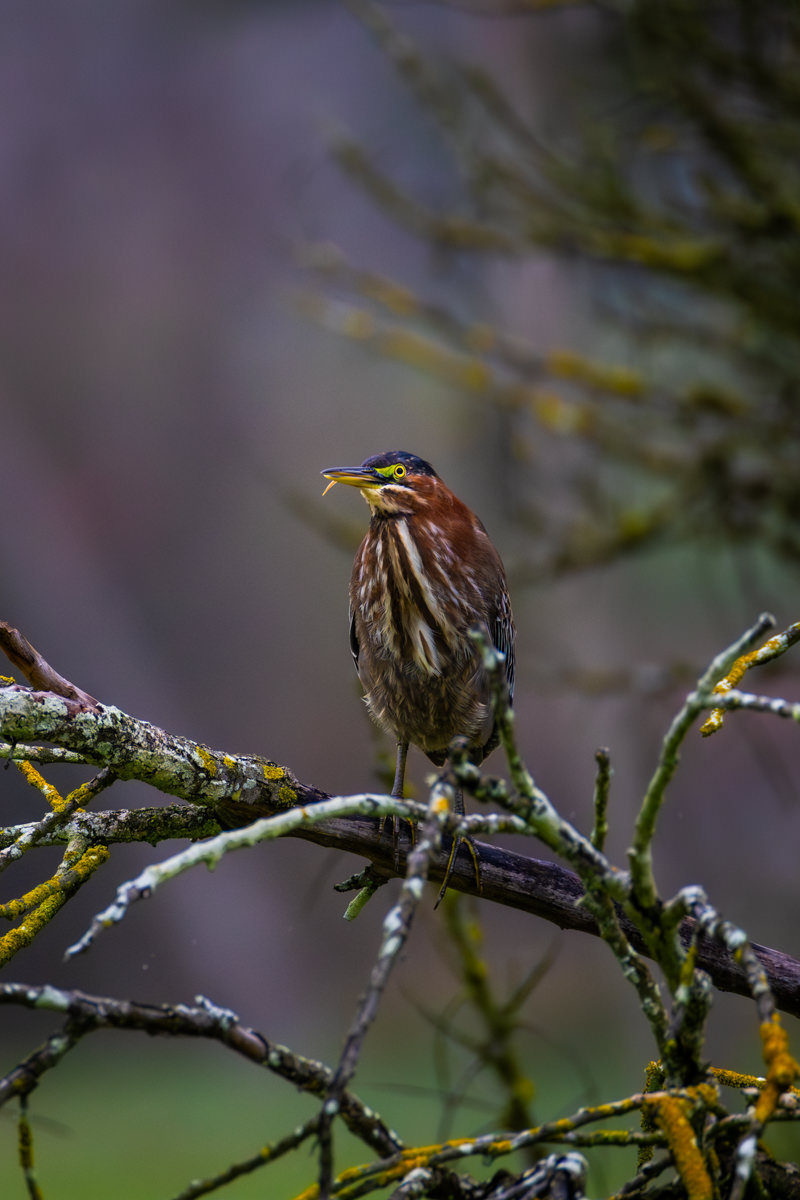
#5. Green Heron juvenile, sticking out its tongue. (Elyse Jankowski 10-12-24)
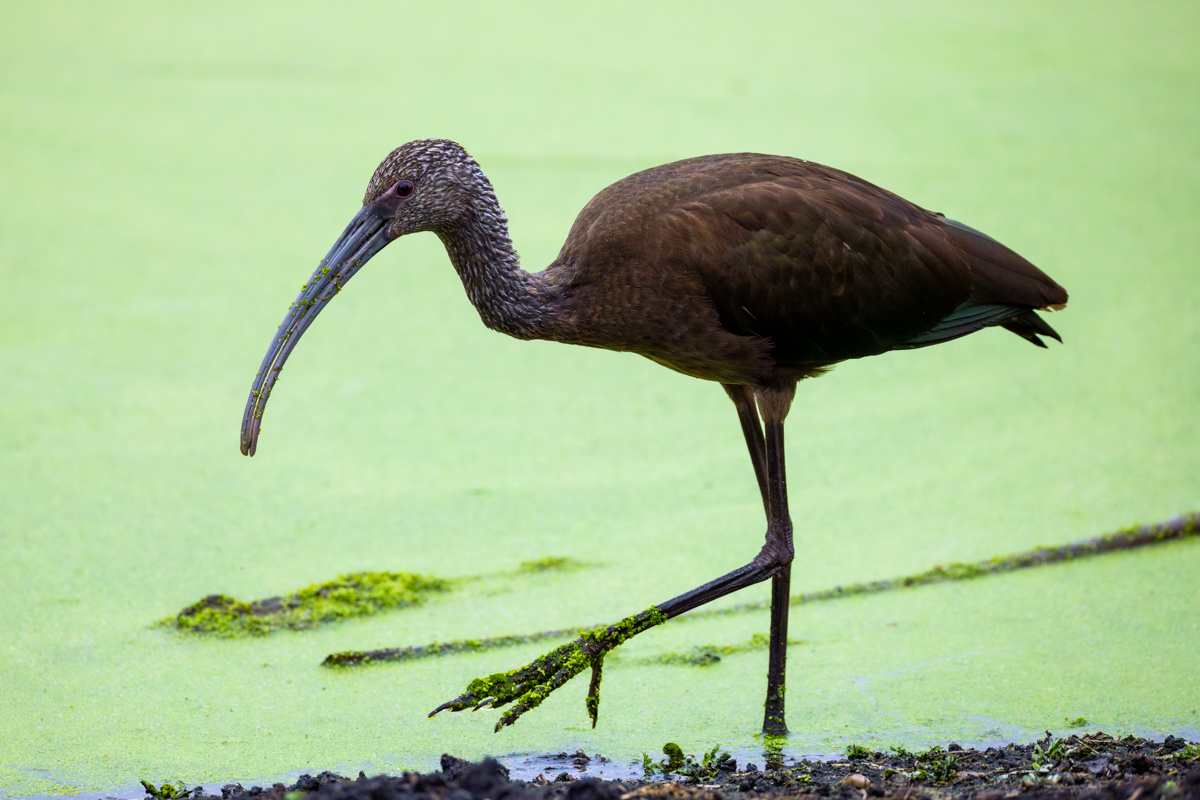
#6. White-faced Ibis has algae or duckweed on its foot and no white on the face. (Elyse Jankowski 10-12-24)
#7. Osprey preys on fish, not bones. (Elyse Jankowski 10-12-24)
#8. Belted Kingfisher female has cinnamon flanks and is scratching her head with her foot. (Chris Tosdevin 10-12-24)
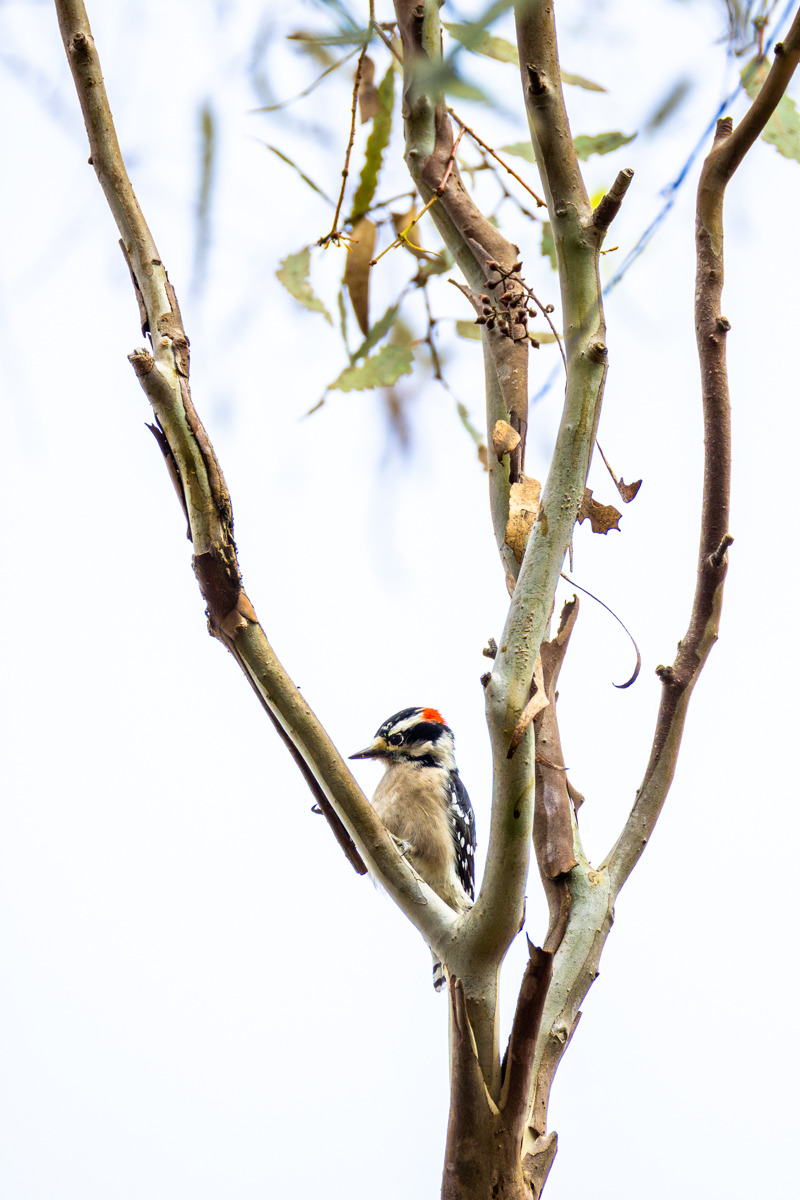
#9. Downy Woodpecker’s bill is much shorter than the similar Hairy Woodpecker. (Elyse Jankowski 10-12-24)
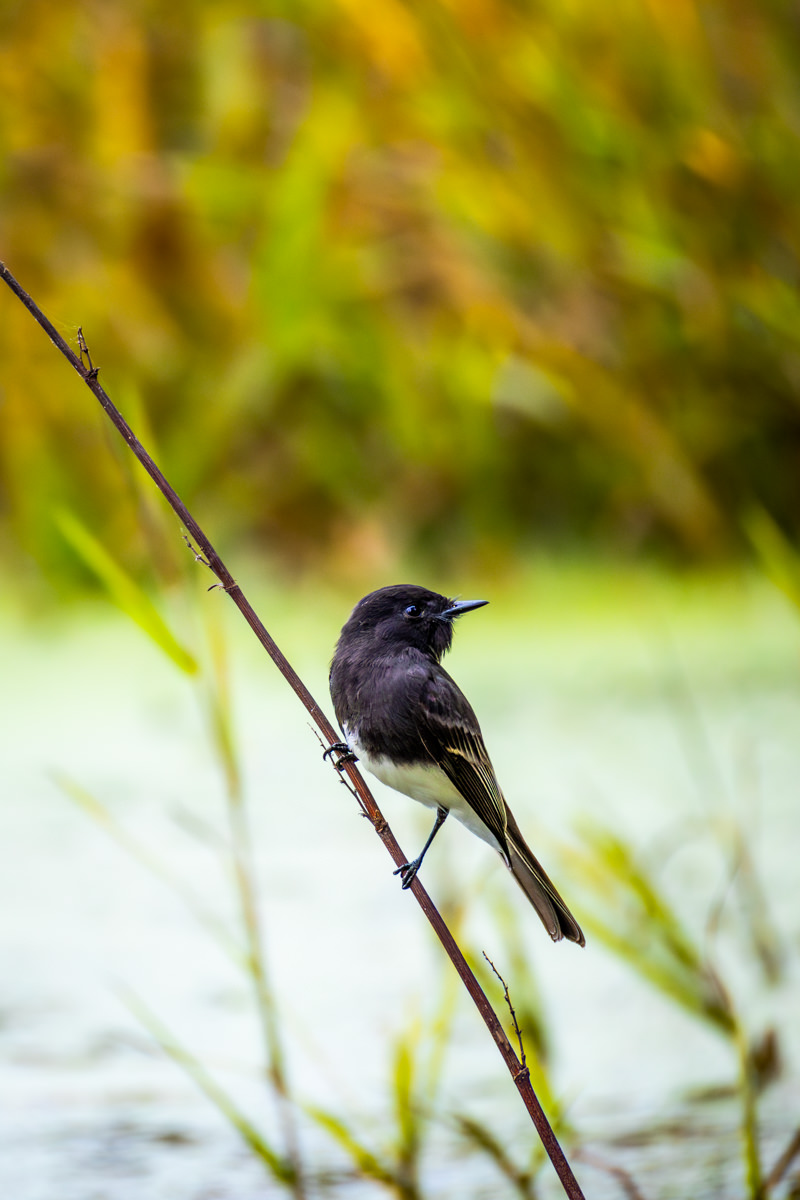
#10. Black Phoebe (Elyse Jankowski 10-12-24) Order Passeriformes/passerines, Family Tyrannidae/tyrant flycatchers.
#11. Cassin’s Kingbird white chin contrast with dark gray breast. (Elyse Jankowski 10-12-24)
#12. Vermilion Flycatcher female. (Chris Tosdevin 10-12-24)
#13. House Wren is a New World species, but Eurasian Wren occurs from Iceland to Siberia. (Chris Tosdevin 10-12-24)
#14. Western Bluebird. (Elyse Jankowski 10-12-24) Many bird species can see into infra-red or ultra-violet, plus have four-color retinas able to detect ripening fruit color changes invisible to human eyes.
#15. Male Scaly-breasted Munia Lonchura punctulata. (Elyse Jankowski 10-12-24) This common cage-bird’s native range is Pakistan to east China and Indonesia. Family Estrildidae Waxbills & allies. They have many, many common names (written about previously here).
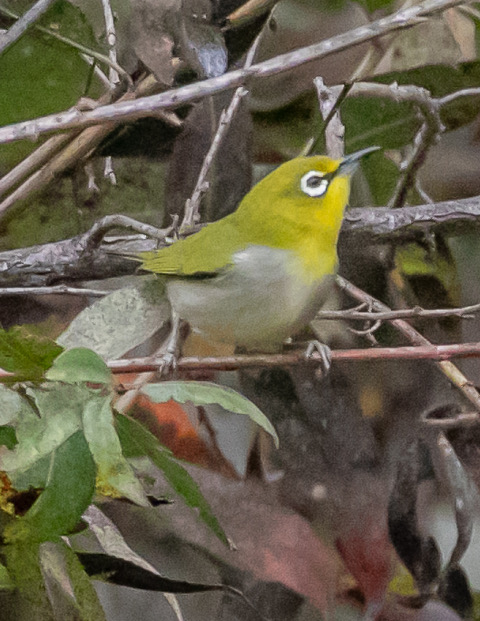
#16. Swinhoe’s White-eye Zosterops simplex (Chris Tosdevin 10-12-24), was formerly considered a subspecies of Japanese White-eye Zosterops japonicus, widespread across east Asia and Indonesia. Elevated to full species status in 2018, and “Japanese White-eye” was changed to Warbling White-eye. Thelatter bird is widely pictured in Japanese art. As a whole, the white-eye family is naturally widespread, ranging from southern Africa to east Asia. As cage birds, they are found world wide, sometimes escaping and becoming locally established as in this park.
#17. Song Sparrow (Ray Juncosa 10-12-24) likes to be near water.
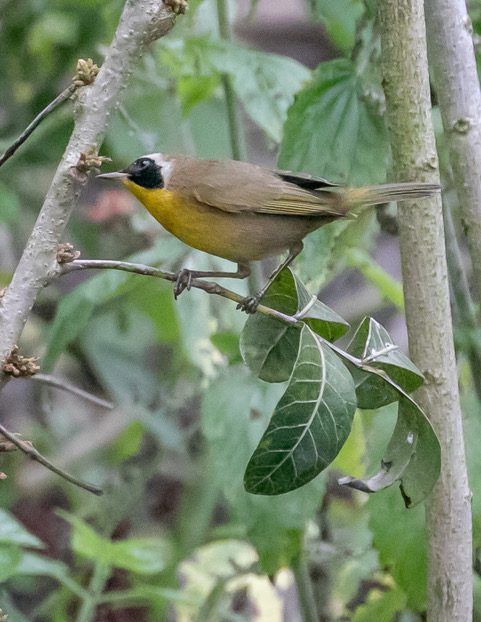
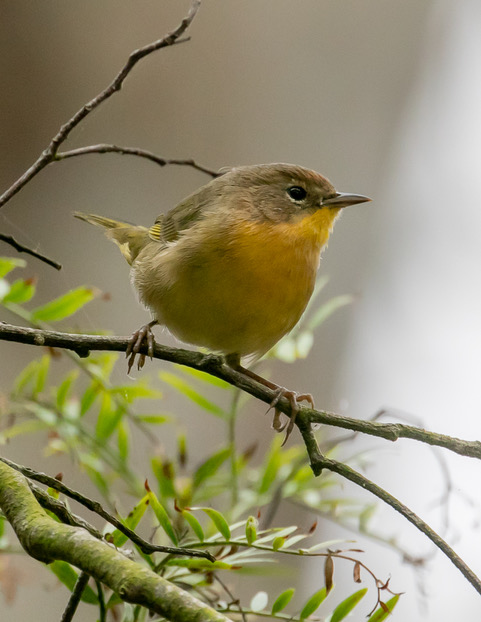
#18. Common Yellowthroat female (Chris Tosdevin 10-12-24). The pattern of yellow throat bordered by brown replicates the male pattern where the black mask replaces the brown. See the male above, not in the quiz but in the 7th picture from the top.
#19. Orange-crowned Warbler (Chris Tosdevin 10-12-24) rarely displays it’s erectable orange crown.
#20. Yellow Warbler (Elyse Jankowski 10-12-24) male has bold red streaks when breeding.
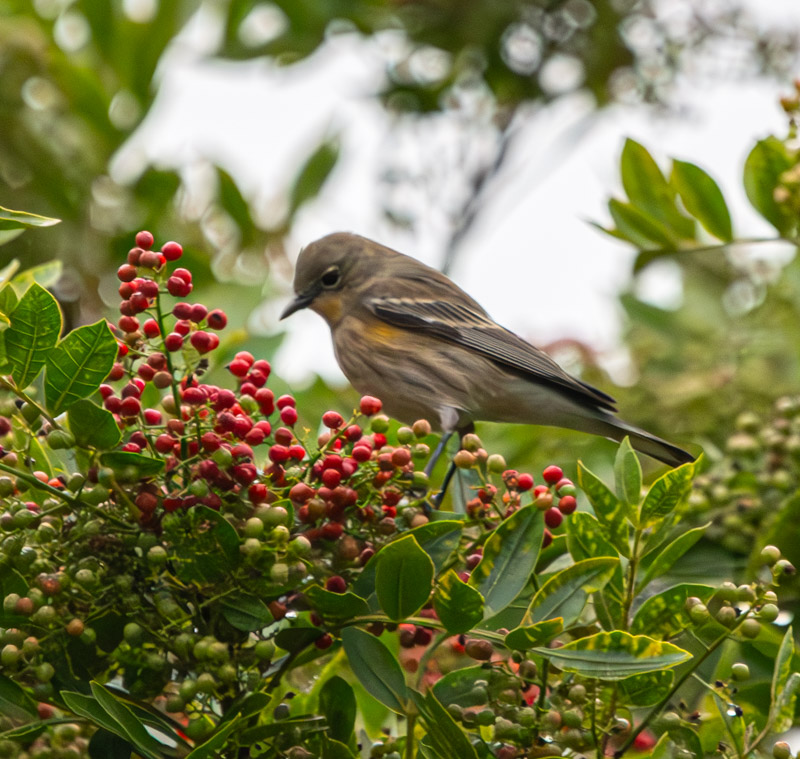
#21. Yellow-rumped Warbler (Ray Juncosa 10-12-24) western auduboni form has broken eye-ring, eastern coronata has white line (supercilium) above eye.
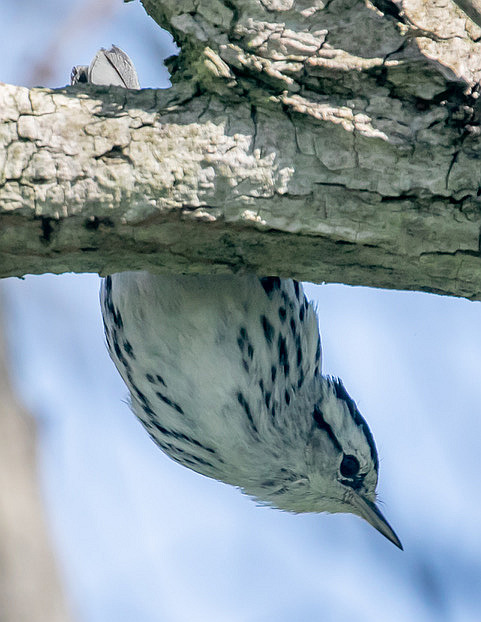
#22. Black-and-White Warbler female lacks black throat & cheek. (Chris Tosdevin 10-12-24)
There! Wasn’t that fun? It’s (almost) just like you were there!
Huntington Beach Central Park on eBird as of 10-19-24: 8607 lists, 1670 eBirders, 305 species.
Most recent species added: Wrentit, 11 Aug 2024 by James Davison.
Key: X – present; Bold – recent exotics; sub 1– heard; sub 2 – species intergrade; sub 3 – Eastern U.S. species.
| Huntington Beach Central Park | |||||||
| Year | 2024 | 2023 | 2022 | 2019 | 2018 | ||
| Date | 10/12 | 10/14 | 10/15 | 10/12 | 10/13 | ||
| 1 | Canada Goose | 40 | |||||
| 1 | Egyptian Goose | 2 | 4 | X | X | ||
| 1 | Cinnamon Teal | 1 | 1 | ||||
| 1 | Gadwall | X | |||||
| 1 | Eurasian Wigeon | X | |||||
| 1 | American Wigeon | 16 | 1 | 5 | X | ||
| 1 | Mallard | 40 | 16 | 37 | X | ||
| 1 | Green-winged Teal | 2 | |||||
| 2 | Pied-billed Grebe | 4 | |||||
| 7 | Feral Pigeon | 1 | |||||
| 7 | Mourning Dove | 2 | 5 | X | |||
| 8 | Anna’s Hummingbird | 1 | 2 | X | X | ||
| 8 | Allen’s Hummingbird | 3 | 2 | 7 | X | X | |
| 2 | Virginia Rail1 | 1 | |||||
| 2 | American Coot | 50 | 11 | 30 | X | X | |
| 5 | Long-billed Dowitcher | 18 | |||||
| 5 | Spotted Sandpiper | 2 | 2 | ||||
| 5 | Greater Yellowlegs | 1 | |||||
| 6 | Western Gull | 1 | |||||
| 6 | Gull (species) | 1 | |||||
| 2 | Double-crested Cormorant | 1 | 1 | X | |||
| 3 | Great Blue Heron | 4 | 2 | 1 | X | ||
| 3 | Great Egret | 2 | 1 | 2 | X | X | |
| 3 | Snowy Egret | 12 | 1 | 3 | X | X | |
| 3 | Green Heron | 4 | 1 | 1 | X | ||
| 3 | Black-crowned Night-Heron | 3 | 1 | 3 | X | X | |
| 3 | White-faced Ibis | 30 | 4 | 1 | X | X | |
| 4 | Turkey Vulture | 1 | 1 | ||||
| 4 | Osprey | 1 | 2 | 1 | |||
| 4 | Cooper’s Hawk | 1 | 2 | X | |||
| 4 | Red-shouldered Hawk | 1 | 1 | 3 | X | X | |
| 4 | Red-tailed Hawk | 1 | 1 | ||||
| 8 | Belted Kingfisher | 1 | 1 | 1 | X | ||
| 8 | Downy Woodpecker | 2 | 1 | 2 | X | X | |
| 8 | Nuttall’s Woodpecker | 3 | 2 | X | |||
| 8 | Northern Flicker 2 | 1 | 1 | 2 | X | X | |
| 4 | American Kestrel | 1 | 1 | X | X | ||
| 4 | Peregrine Falcon | 1 | |||||
| 9 | Cassin’s Kingbird | 4 | 1 | ||||
| 9 | Western Wood-Pewee | X | |||||
| 9 | Pacific-slope Flycatcher | X | |||||
| 9 | Black Phoebe | 15 | 5 | 8 | X | X | |
| 9 | Say’s Phoebe | 1 | 2 | ||||
| 9 | Vermilion Flycatcher | 3 | |||||
| 9 | Hutton’s Vireo | 1 | |||||
| 9 | Warbling Vireo | 1 | |||||
| 9 | California Scrub-Jay | 1 | |||||
| 9 | American Crow | 6 | 1 | 10 | X | X | |
| 9 | Common Raven | X | |||||
| 9 | Bushtit | 12 | 30 | X | X | ||
| 9 | Swinhoe’s White-eye | 7 | 4 | 10 | X | ||
| 9 | Ruby-crowned Kinglet | 2 | 1 | ||||
| 9 | Blue-gray Gnatcatcher | 2 | 1 | 1 | X | X | |
| 9 | House Wren | 4 | 2 | 2 | X | X | |
| 9 | Western Bluebird | 4 | 10 | 25 | |||
| 9 | Hermit Thrush | 2 | X | ||||
| 9 | American Robin | 2 | X | ||||
| 9 | Bronze Mannikin | X | |||||
| 9 | Scaly-breasted Munia | 5 | X | X | |||
| 9 | Pin-tailed Whydah | 5 | X | ||||
| 9 | House Finch | 10 | 6 | 12 | X | X | |
| 9 | Lesser Goldfinch | 4 | 2 | 4 | X | X | |
| 9 | American Goldfinch | 2 | X | ||||
| 9 | Dark-eyed Junco | 1 | |||||
| 9 | White-crowned Sparrow | 3 | X | X | |||
| 9 | Song Sparrow | 8 | 2 | 1 | X | X | |
| 9 | California Towhee | X | X | ||||
| 9 | Hooded Oriole | X | |||||
| 9 | Red-winged Blackbird | 2 | |||||
| 9 | Brewer’s Blackbird | X | |||||
| 9 | Black-and-white Warbler3 | 1 | 1 | ||||
| 9 | Orange-crowned Warbler | 4 | 1 | 4 | X | X | |
| 9 | Nashville Warbler | X | |||||
| 9 | MacGillivray’s Warbler | 1 | |||||
| 9 | Common Yellowthroat | 12 | 1 | 7 | X | X | |
| 9 | Yellow Warbler | 1 | X | ||||
| 9 | Yellow-rumped Warbler | 14 | 16 | 14 | X | X | |
| 9 | Black-throated Gray Warbler | X | |||||
| 9 | Townsend’s Warbler | 4 | 4 | 1 | X | X | |
| 9 | Wilson’s Warbler | X | |||||
| 9 | Western Tanager | X | |||||
| Totals by Type | 2024 | 2023 | 2022 | 2019 | 2018 | ||
| 1 | Waterfowl | 101 | 21 | 43 | |||
| 2 | Water Birds – Other | 55 | 12 | 31 | |||
| 3 | Herons, Egrets & Ibis | 55 | 10 | 11 | |||
| 4 | Quail & Raptors | 7 | 5 | 7 | |||
| 5 | Shorebirds | 2 | 3 | 18 | |||
| 6 | Gulls & Terns | 1 | 0 | 0 | |||
| 7 | Doves | 2 | 5 | 1 | |||
| 8 | Other Non-Passerines | 11 | 9 | 12 | |||
| 9 | Passerines | 130 | 98 | 77 | |||
| Totals Birds | 364 | 163 | 200 | 42 | 41 | ||
| Total Species | 2024 | 2023 | 2022 | 2019 | 2018 | ||
| 1 | Waterfowl | 6 | 3 | 3 | 3 | 3 | |
| 2 | Water Birds – Other | 3 | 2 | 2 | 1 | 2 | |
| 3 | Herons, Egrets & Ibis | 6 | 6 | 6 | 4 | 6 | |
| 4 | Quail & Raptors | 7 | 4 | 4 | 2 | 3 | |
| 5 | Shorebirds | 1 | 2 | 1 | 0 | 0 | |
| 6 | Gulls & Terns | 1 | 0 | 1 | 0 | 0 | |
| 7 | Doves | 1 | 1 | 1 | 1 | 0 | |
| 8 | Other Non-Passerines | 6 | 6 | 4 | 5 | 5 | |
| 9 | Passerines | 24 | 24 | 13 | 26 | 22 | |
| Totals Species – 71 | 55 | 48 | 35 | 42 | 41 | ||
Discover more from SANTA MONICA BAY AUDUBON SOCIETY BLOG
Subscribe to get the latest posts sent to your email.



 SANTA MONICA BAY AUDUBON SOCIETY BLOG