Bette Davis Park & Glendale Narrows Riverwalk, 10 Jan. 2026
[Chuck Almdale; photos by Chris Tosdevin, and Marquette Mutchler]
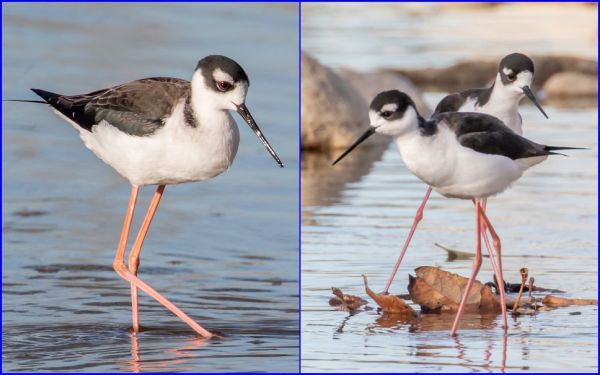
(Chris Tosdevin, Los Angeles River, 1-13-24)
Perhaps because this is a low point in the east end of the San Fernando Valley it’s a bit cooler here, next to the Los Angeles River as it moves southward towards downtown L.A.. It was 46°F at 8am and climbed all the way to 63° by 11am. A bit windy too, and the rustling leaves and quivering grass made it a little harder spotting the smaller passerines, but of course had no noticeable affect on the birds in the riverbed.
We had no photographers present, so the photos in this posting are from previous postings, most by Chris Tosdevin at our prior Bette Davis & Riverwalk field trip on 13 Jan. 2024.
As with last year, the first birds was a large mixed flock of Red-winged and Brewer’s Blackbirds and European Starlings. But the loud squawks of a pair of Lilac-crowned Amazons (formerly Lilac-crowned Parrots) in the nearby sycamores were too enticing to ignore for long.

It’s been recently discovered that Red-crowned and Lilac-crowned Amazons have been hybridizing in our area. These two species are closely related, but in the wild they live in separate regions, don’t meet and don’t hybridize. When they were imported to L.A. and escaped captivity in sufficient numbers, they didn’t see enough of a difference between themselves, began mating and – voilà – hybrids appeared. We posted an article and link about this event last month, based on work done by the Moore lab at nearby Occidental College . The Bette Davis pair look like Lilac-crowned to me; although the lilac is not stunningly obvious, it’s certainly not red. And as with all the Amazona species, when they fly their wingbeats are very shallow and rapid. Other parrots don’t fly like this, so you can quickly narrow a poorly-seen parrot flying in this manner down to this genus.
This portion of the L.A. River channel does not have a cement bottom and a lot of birds appreciate the dirt bottom; the channel islands are well rooted, making it much birdier than most other sections of the river channel which are entirely cement. I was surprised to see that our recent 9″ of rain hadn’t appeared to affected these islands at all, other than strewing pieces of plastic and a few remnants of furniture onto them. Black-necked Stilts are very reliable here and are scattered all up and down the channel, although about 75% were downstream of the long brushy sand island at the Glendale Narrows Riverwalk section which goes under the #5 freeway. Just like in prior years.

Our entire route, all on the north (upper) side of the river channel can be followed on the satellite photo below. Starting at Bette Davis Picnic, eastward through Bette Davis Park towards Riverside Dr., south through a fence gate to the concrete walk along the river, westward to where two river branches come together below where it says Rancho Ave. back through the park to the cars, drive across Riverside to Garden, then south towards the river, walk around the streetside park to the west entrance of the Glendale Narrows Riverwalk, then eastward and under the #5 freeway to where the river bends to the right, then back to the car. From the west entrance to Riverwalk, it’s 15 minutes of steady walking to the river bend.
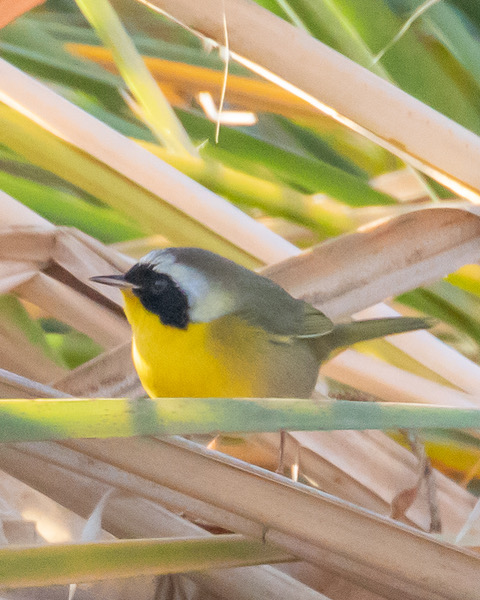
(Chris Tosdevin 1/13/24)
All along this stretch are the vegetated islands, with plenty of rocky areas in between. Birds in the channel tended to stay close to these long narrow islands, and the eastern (downstream) ends of these islands were particularly good for birds. The Greater Yellowlegs was at the east end of the island running under Riverside Drive while the Blue-winged Teal were all at the east end of the island under the #5 freeway. The Spotted Sandpipers were all widely separated solo birds, poking about along the edges of the various islands. Low damp areas likely for snipe were diligently checked, but none were seen.
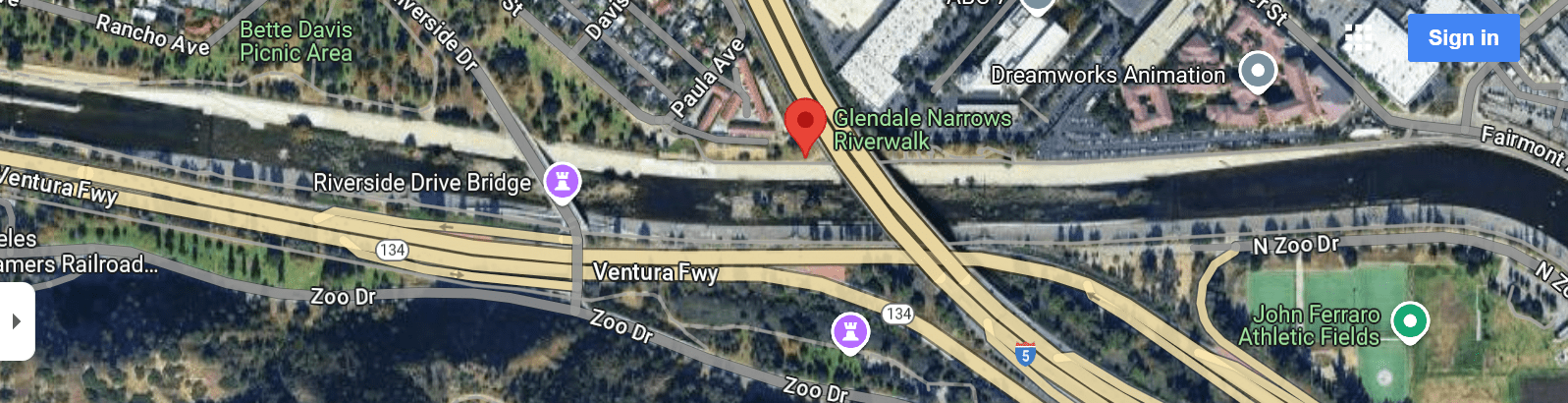
note the long brush- & tree-covered islands in the stream. (Google Maps)
The freeways provide a constant background of traffic, a rushing roar or “wall of sound” with few discernible individual sounds, much like birding next to a large waterfall like Niagara or Iguazú. Surprisingly, perhaps, you could still hear plenty of birds like the Black Phoebes in the branches, Yellow-rumped Warblers in the grass and Crows and Ravens overhead. The flock of blackbirds and starlings whistled and croaked, while ducks in the river whistled and quacked.

2nd-most-common bird (Chris Tosdevin, L.A. River 1-13-24)
When you walk the Narrows Riverwalk under the #5 freeway, it’s like passing through the gates of Hades, with ominous discordant groans falling from the roadway above and piteous shrill cries from Good Lord Knows What. Be forewarned, but do not despair. As the south end of the south island usually has some uncommon ducks, as with today’s sleeping Blue-winged Teal and active Buffleheads diving, one feels compelled to go and check anyway.

(Chris Tosdevin, L.A. River, 1-13-24)
Today’s Ring-necked Duck was a female, so the above photo of a male will have to suffice.
This is a good birding spot for a place surrounded by city and “freeway-close.” I suspect that in the spring it functions as a small oasis for passerines passing through our concrete jungle, and the L.A. River channel provides a migration route for waterbirds in both fall and spring.
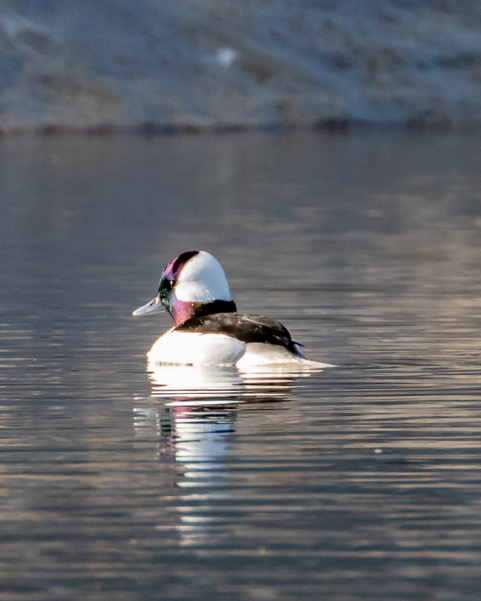
(Chris Tosdevin 1-13-24)
The lists below combine sightings from both locations, which are adjacent and have nearly the same species.
| Bette Davis Picnic Park & Glendale Narrows Riverwalk | |||
| 1/10/26 | 1/18/25 | 1/13/24 | |
| Canada Goose | 2 | 2 | 3 |
| Egyptian Goose | 4 | 1 | |
| Blue-winged Teal | 7 | 3 | |
| Cinnamon Teal | 3 | ||
| Gadwall | 2 | ||
| American Wigeon | 206 | 200 | 20 |
| Mallard | 96 | 30 | 25 |
| Green-winged Teal | 2 | 2 | |
| Ring-necked Duck | 1 | 1 | 12 |
| Bufflehead | 8 | 6 | 5 |
| Feral Pigeon | 20 | 30 | 18 |
| Eurasian Collared-Dove | 4 | 20 | 4 |
| Mourning Dove | 30 | 6 | 6 |
| White-throated Swift | 10 | 15 | |
| Anna’s Hummingbird | 2 | 2 | 3 |
| Allen’s Hummingbird | 2 | 1 | |
| American Coot | 55 | 70 | 25 |
| Black-necked Stilt | 270 | 400 | 100 |
| Killdeer | 4 | 6 | |
| Wilson’s Snipe | 3 | ||
| Spotted Sandpiper | 4 | 5 | 2 |
| Lesser Yellowlegs | 1 | ||
| Greater Yellowlegs | 1 | 1 | 1 |
| Peeps | 100 | ||
| Ring-billed Gull | 3 | 1 | |
| Western Gull | 2 | 1 | 5 |
| Gull sp | 24 | ||
| Pied-billed Grebe | 6 | ||
| Double-crested Cormorant | 7 | 3 | |
| Black-crowned Night Heron | 16 | ||
| Snowy Egret | 1 | 1 | |
| Great Egret | 2 | 1 | 2 |
| Great Blue Heron | 3 | 6 | 1 |
| Turkey Vulture | 2 | 2 | |
| Osprey | 1 | ||
| Cooper’s Hawk | 2 | ||
| Red-shouldered Hawk | 1 | ||
| Red-tailed Hawk | 2 | 2 | |
| Acorn Woodpecker | 5 | 8 | 8 |
| Downy Woodpecker | 1 | ||
| Nuttall’s Woodpecker | 1 | 1 | 1 |
| Northern Flicker | 1 | ||
| Merlin | 2 | ||
| Lilac-crowned Parrot | 2 | 3 | 2 |
| Black Phoebe | 15 | 10 | 6 |
| Say’s Phoebe | 1 | 1 | |
| Hutton’s Vireo | 1 | ||
| California Scrub-Jay | 2 | ||
| American Crow | 14 | 6 | 6 |
| Common Raven | 2 | 4 | 5 |
| Oak Titmouse | 3 | ||
| Bushtit | 8 | 6 | |
| Wrentit | 1 | ||
| Ruby-crowned Kinglet | 3 | 8 | 4 |
| White-breasted Nuthatch | 2 | 1 | |
| European Starling | 23 | 40 | 20 |
| Northern Mockingbird | 1 | ||
| Western Bluebird | 18 | 4 | |
| American Robin | 1 | ||
| House Sparrow | 1 | 10 | 5 |
| American Pipit | 1 | ||
| House Finch | 2 | 8 | |
| Lesser Goldfinch | 2 | 4 | |
| Chipping Sparrow | 6 | ||
| Lark Sparrow | 3 | ||
| Dark-eyed Junco | 1 | 6 | |
| White-crowned Sparrow | 4 | ||
| Song Sparrow | 1 | 3 | |
| California Towhee | 1 | 1 | |
| Red-winged Blackbird | 8 | 80 | |
| Brewer’s Blackbird | 28 | 40 | 8 |
| Great-tailed Grackle | 1 | ||
| Orange-crowned Warbler | 1 | ||
| Common Yellowthroat | 1 | 5 | 3 |
| Yellow-rumped Warbler | 33 | 40 | 20 |
| Total species – 75 | 47 | 48 | 57 |
| Total birds | 921 | 1206 | 410 |
Discover more from SANTA MONICA BAY AUDUBON SOCIETY BLOG
Subscribe to get the latest posts sent to your email.



 SANTA MONICA BAY AUDUBON SOCIETY BLOG