Free email delivery
Please sign up for email delivery in the subscription area to the right.
No salesman will call, at least not from us. Maybe from someone else.
Lagoon Cleanup – Int’l Coastal Cleanup Day 9-15-18
This was a Good Cleanup Day at the lagoon.

On the beach, with bags (L. Loeher 9-15-18)
168 people showed up, signed in and spread out from beach to lagoon and up the creek. True, total pre-sign-ups were a bit over 300, but this is slightly better than last year, when 300 signed up and 157 showed up. Eleven SMBAS worker bees appeared, setting up tables & shade awning, greeting, taking signed waivers, giving safety talks, handing out bags and gloves, then weighing-in the returning trash and giving water to thirsty picker-uppers.

Lu makes signs (L. Loeher 9-15-18)
Our bonus helper, Flo, brought Judge Ken, who ruled impartially on whether waivers had been properly filled out or not. Ken recently thrashed his knee and was definitely hobbling, but once he was in the chair and behind the bench he seemed right at home.

Structuring the shade tent (L. Loeher 9-15-18)
The weather was perfect, at least for worker bees. It was a bit warmer for picker-uppers and if you wore glasses, they were soon enough sliding down your sweaty nose when you stooped to pick up some minuscule mote of colored plastic.
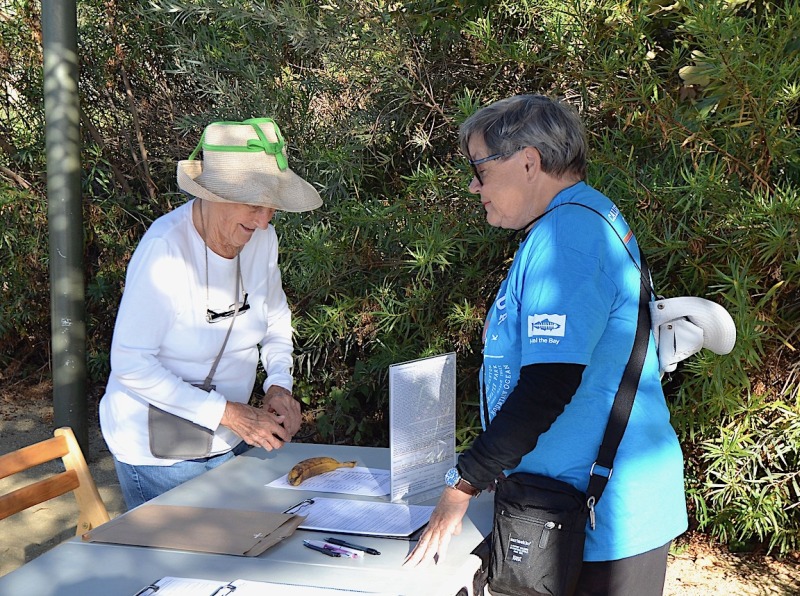
Mary discovers a banana among the waivers (L. Loeher 9-15-18)
Among the volunteers were a group of adorable tiny girl scouts, and teacher Dean returned yet again with his dozens of Humanitas students and a large box of doughnuts. Only a few students needed to have their community service hours signed off – it was mostly lots of cheerful people who contributed some of their Saturday to help the lagoon and beach.

Quien Sabe? (L. Loeher 9-15-18)
Every year we refine the the day just a bit more….next year we’ll bring one less table and definitely less water (those gallon jugs weigh 8 1/2 pounds each and 24 of them were far too many). Then again, the day may be extremely hot – aaaah, who knows what the weather is going to do anymore, anyway?

An L.A. County fire helicopter is really gettin’ down; I wouldn’t want to be on that rooftop patio just then. (L. Loeher 9-15-18)
No one said much about the stinky dead fish. Chuck A. counted 289 dead Striped Mullet along the lagoon & channel shoreline from the topographical water feature by the traffic circle over to the west end of the Pacific Coast Highway bridge, perhaps 2/10ths of a mile of shoreline.

Meanwhile, down on the lagoon edge, a Great Blue Heron picks off an unwary Eared Grebe. (L. Loeher 9-15-18)
In her safety talks, Jean added “do not pick up any dead fish.” Larry – after spending the morning shooing people out of the fenced-in Snowy Plover exclusion zone – suggested placing two people there, as it’s a long, narrow area.
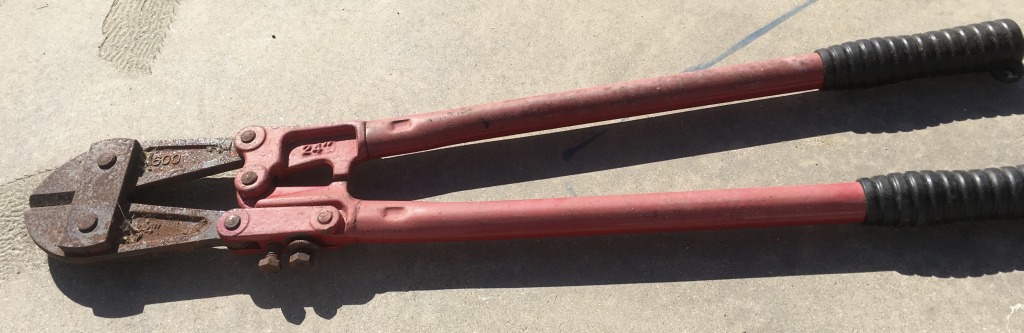
24″ Bolt cutter found on Coastal Cleanup Day at Malibu Lagoon
(L. Plauzoles 9-15-18)
Bolt cutters can cut lots of things: locks of all types, chains, steel cable used for pathway barriers, cables on commercial electric bikes and scooters – they’ll even cut bolts. We found this bolt cutter hiding in the brush between path and channel, about 10-20 yards east of the pavilion meeting area, no doubt a handy location for whomever was using it. We found the cut bicycle lock another 30 yards east between the pathway and the parking lot. About half of the pathside cable between the pavilion and the PCH bridge lookout point is missing – maybe 100 yards. The scooter was in the brush about 5 yards south of the PCH bridge and 3 yards west of the lagoon, very close to an encampment under the bridge consisting of sleeping material and litter.
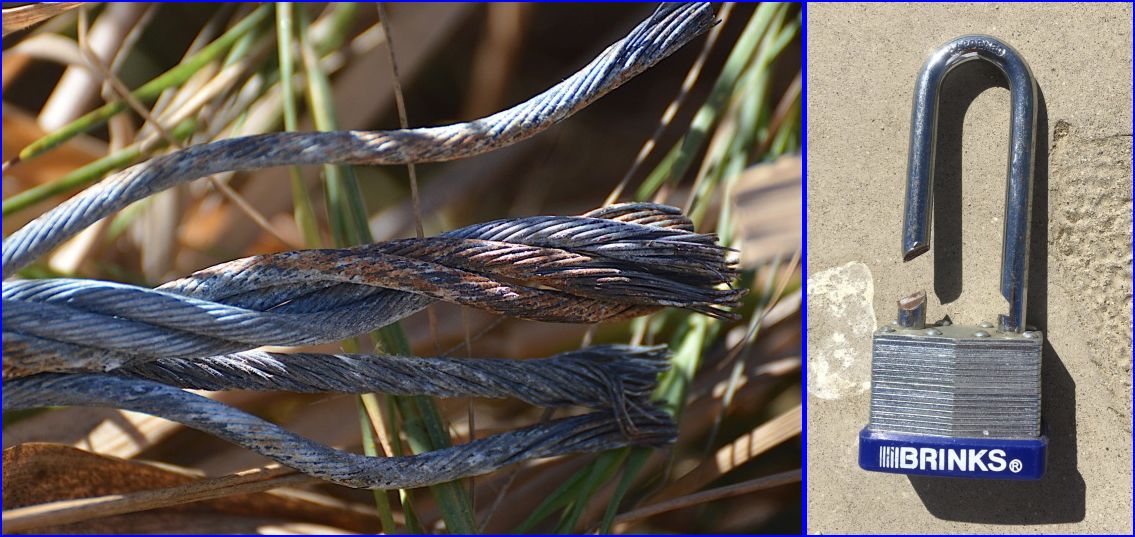
Two things bolt cutters can cut: pathway border cables, bicycle locks
(Muramaya, Plauzoles, 9-15-18)

A free-ridin’ Lime-S electric scooter was in the brush near the PCH Bridge (L. Loeher 9-15-18)
Some of the more unusual finds at the lagoon:
- Bolt cutters about 10 lbs. and 24″ long
- Bicycle lock, cut by guess what? ↑↑↑
- Lime-S Electric scooter, disabled so you could ride it without motor
Today, Angelenos showed just how much they care for their creeks and their beaches and their favorite parks. The updated totals for Los Angeles County are awesome:
- 75 locations
- 13,342 volunteers
- 40,066 pounds of trash were picked up (ergo NOT going into the ocean!)
Other L.A. County odd items in odder numbers
- 14 Lobster traps
- 12 Drug related items
- 11 Shopping carts
- 3 Bottles with live mice (yes, they were safely released somewhere in Malibu!)
- 3 Gold rings
- 2 Chainsaws
- 1 Buddha statue
- 1 Set of Porsche keys
- and a Vintage 1963 coca cola can

Made in the shade (L. Loeher 9-15-18)
Preliminary results for California, with 75% of sites reporting:
- Volunteers: 53,073
- Trash picked up: 698,931 pounds
- Additional recyclable materials: 35,674 pounds
- Total: 734,606 pounds or 367 tons
- A Marin county volunteer found a painting of a marsh in a marsh
We’re still waiting to hear the U.S. and world totals – altogether an amazing worldwide endeavor. Humans are not only capable of great cooperative efforts but enjoy partaking in them, despite frequent indications to the contrary.
Look out next year – September 21st, 2019!

Worker Bees (L. Loeher 9-15-18)
[Ellen Vahan & Chuck Almdale]
Shape Shifting: and the Birds-of-Paradise | Cornell / National Geographic
Several kinds of birds-of-paradise transform their bodies into a dark oval shape when they display. Each species uses a different assortment of feathers on the wings, flank, or neck. They use muscles in the skin to move the feathers into position. The black shape serves as a background for showing off a bright patch of iridescent color to the females. The Cornell Lab’s Ed Scholes explains: . Filmed and photographed by Tim Laman.
There are currently seventy-two short films in the entire Birds-of-Paradise Project playlist, ranging from 26 seconds to 8:29. In the upcoming weeks, we will present some of our favorites.
A film from the Cornell Lab of Ornithology. If no film or link appears in this email, go to the blog to view it by clicking on the blog title above. If the film stops & starts in an annoying manner, press pause (lower left double bars ||) to let it buffer and get ahead of you. [Chuck Almdale]
Flying Drones in Malibu is Illegal…
…and has been for a while.
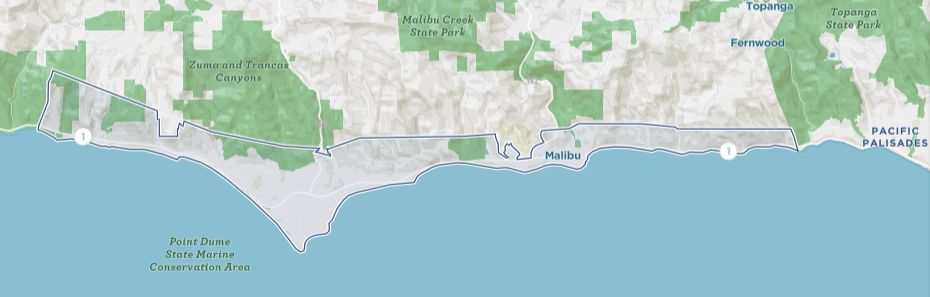
Blue (Malibu residential) and green (State Parks) areas are the local drone no-fly zone. hivemapper.com
Most drone pilots probably know this. After all, illegal areas are discussed in the leading drone publications – Rotor Drone and Drone Magazine. They publish links to maps showing where drones are legal and where they are not. That’s how we found the map shown above.
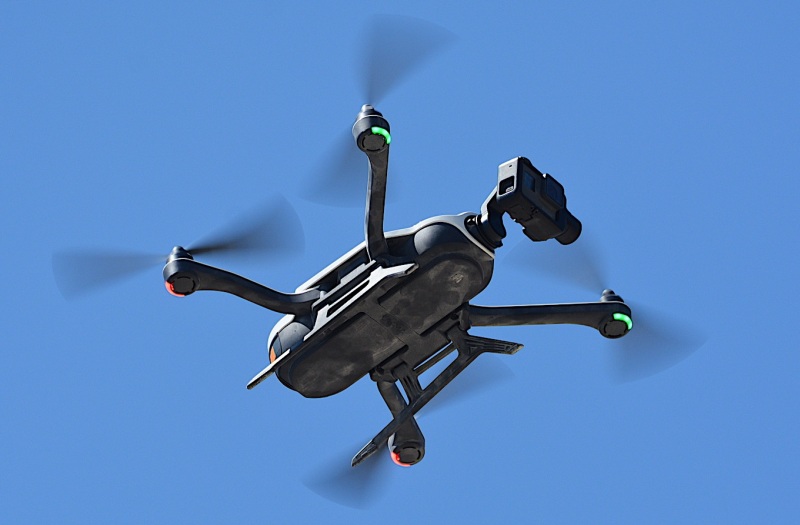
Drone at Malibu Lagoon (SMBAS 8-31-18)
Link to the hivemapper.com map.
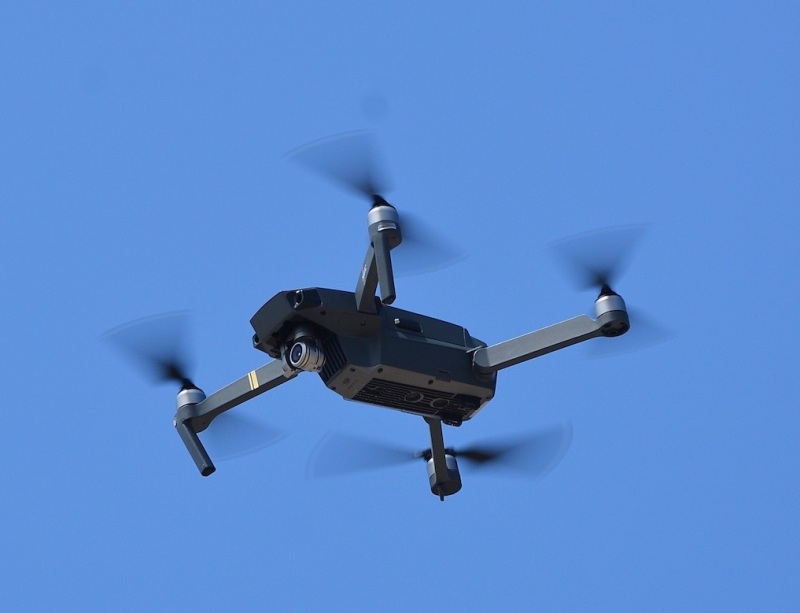
Drone at Malibu Lagoon (SMBAS Sep 7 2018)
But for the few drone pilots who don’t know, here’s a tip: they’re illegal in California State Parks. Anyone observing drones flying in any State Park should immediately call the State Parks dispatch operator (Sercom) at 951-443-2969.
They’re also illegal along the Malibu Coastline, between Pacific Coast Highway and the ocean, from:
- Eastern end: Western edge of Topanga State Park, just west of Topanga Cyn. Blvd.

Close-up of the east end of the (blue) drone no-fly zone.
- Western end: Eastern edge of Leo Carillo State Park, just east of Mullholland Blvd.

Close-up of the west end of the (blue) drone no-fly zone.
- and well inland of PCH (see the first map)
- and the state parks.

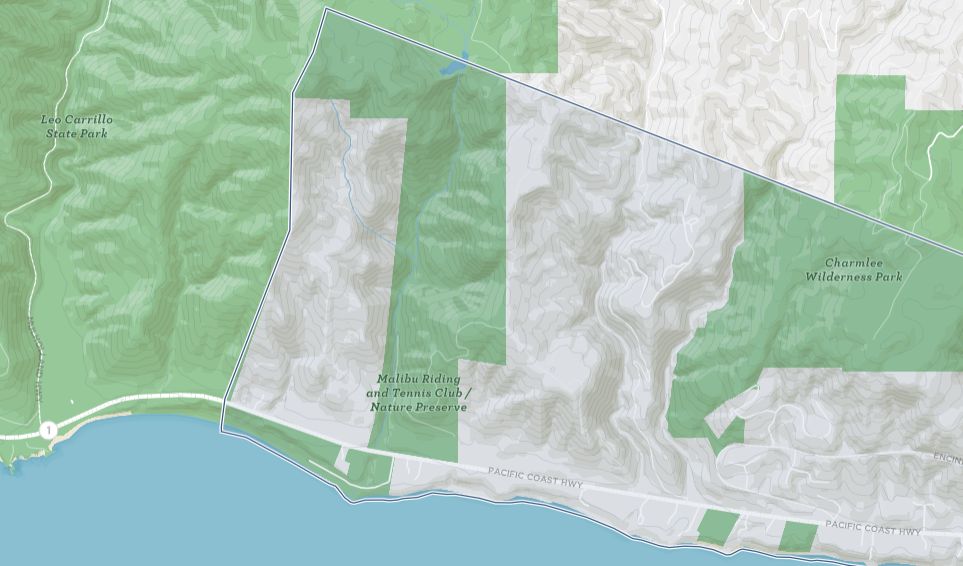
Here’s a map of the middle area, showing Malibu Lagoon and Surfrider Beach (all no-fly zones).
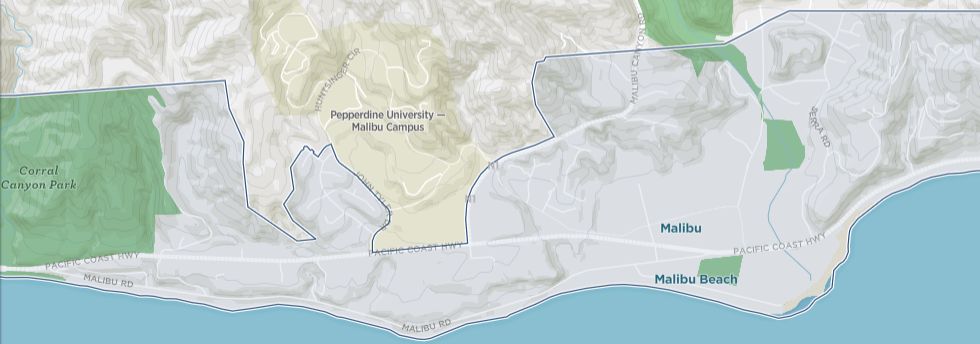
Close-up of the middle chunk of the (blue) drone no-fly zone.
The local movie stars and millionaires don’t want drone operators flying camera-carrying aircraft over their pools and patios any more than the rest of us, and they are undeniably pestered and snooped-at more than the rest of us. Fortunately for them, they were able to influence the passing of legislation making it illegal.
When a drone flies anywhere near the local roosting Snowy Plovers, they perceive the drone as a predator hawk or falcon and panic. [‘Roosting’ means resting or sleeping on the sand between high-tide feeding periods.] They’re trying to sleep. Imagine a lion walking into into your bedroom and staring down at you while you were trying to sleep in bed. You too might become alarmed, even panicked.
An SMBAS member who happened to witness the August 31 incident described it as follows:
Fastest flushing I’ve ever seen. The group flew, split up, some came back and landed for a few seconds, others flew over the ocean, carved figure 8’s over the surf zone, then split up, some flew to the east, some flew over the lagoon, some landed again inside the exclosure for a few seconds and then flew again.

Snowy Plovers disturbed by drone at Malibu Lagoon (SMBAS 8-31-18)
We’re posting this here because lately some drone pilots have been flying their drones within the residential area no-drone area of Malibu and simultaneously within the no-drone Malibu Lagoon State Park, and simultaneously illegally swooping it over the local population of state- and federally-listed threatened Snowy Plovers (one of only seven roosting colonies in Los Angeles County and one of only two breeding areas in Los Angeles County) and startling them into flight.

Snowy Plover resting in shade, Malibu Lagoon (L. Loeher 8-17-18)
This is not a good idea. You never know what some people are (or aren’t) thinking, but I know the State Parks people take a dim view of people startling this threatened species awake and spooking them into flight.
Anyone who sees a drone flying anywhere within the State Parks or the Malibu no-fly zone should immediately contact the local authorities. The State Parks dispatch operator (Sercom) is at 951-443-2969. We don’t know if the City of Malibu has a separate number for zones, but their non-emergency police/sheriff phone number is 310-456-6652 or 818-878-1808.
In fairness, State Parks needs to do more to let people know where drones are forbidden. As Malibu Lagoon and Surfrider beach are extremely popular – some two million people-visits per year – they could start right here and post prominent NO DRONES ALLOWED signs at the several beach entrances. The City of Malibu could post signs at their city borders.
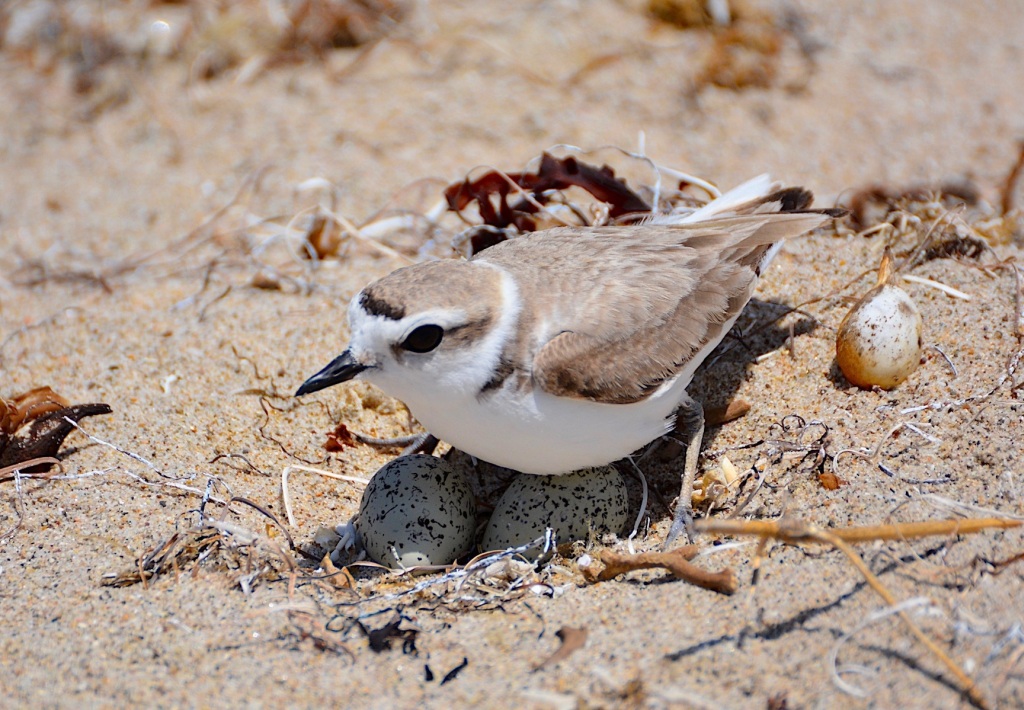
Snowy Plover mother in nest with 2 eggs, Malibu Lagoon (G. Murayama 6-1-18
We now have Western Snowy Plovers at Malibu Lagoon year around. Breeding season runs from late March – early July, although locally it seems to begin in April. Winter roosting season is the entire rest of the year. At last count (Sep 8 2018) there were 35 Western Snowy Plovers roosting on the beach. We have had as many as 80 birds at a time, and – except for the few birds staying to nest – they all leave by the end of April.

Snowy Plover mated pair near their egg at Malibu Lagoon (G. Murayama 6-29-18)
They’re very small, they’re very hard to see due to their cryptic plumage which looks just like the sand they’re resting on, and they’re only about 2500 of them in the entire world (the population of Snowy Plovers which nest in the U.S. interior and winters on the Gulf and Mexican coasts, may be a separate species and are not included).
That’s why Western Snowy Plovers are state and federally listed as threatened and that’s why there is a fence around their nesting/roosting area. That’s why we’re posting this blog, and that’s why Santa Monica Bay Aububon Society really hopes that people will keep themselves, their children and their dogs outside the protective fence. Nearly everyone does so – there are always a few who don’t – and we have been very pleased that the beach-goers have been extremely cooperative to date. If you are concerned about our planet and the non-human animals who share it with you, please continue to show your concern right here, in your own neighborhood.
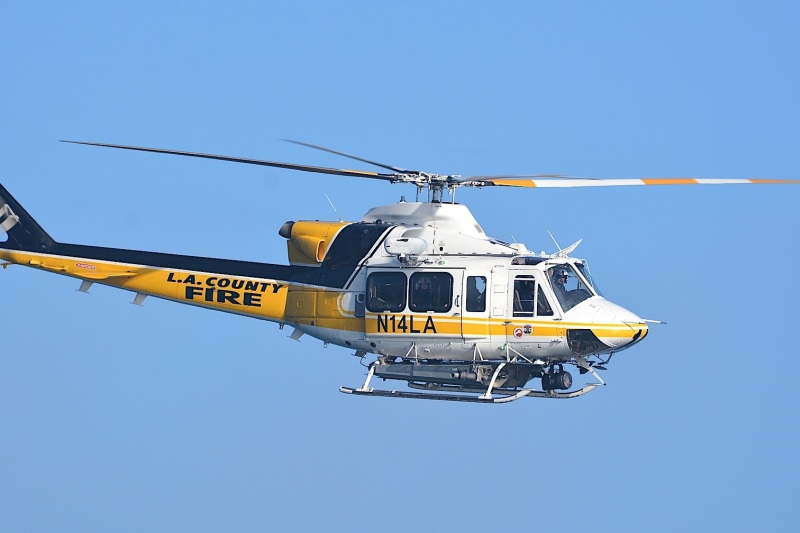
L.A. County Fire Dept. Helicopter flying extremely low over Malibu (SMBAS Sep. 8 2018)
And, while we’re on the subject of hovering vehicles, we don’t understand why the L.A. County Fire Dept. helicopter pilots feel they need to fly so close to the ground and ocean. Are they gawking at the girls? Volunteers on the beach observing the Snowy Plovers have long been advised: “You should note all helicopters flying below 600 ft. (~10x the height of the houses), note the description and tail number, photos are a plus.”
We hope they stop before they behead any paddleboarders. [Chuck Almdale]
Why Do We Itch? | PBS Science Video
It’s one of the most annoying sensations our bodies can feel, but does anything feel better than when you scratch an itch? Ok, maybe *some* things. But itching and scratching are up there. How does this weird sensation work? And what is itching for?
This is an installment of the PBS – It’s OK to be Smart series. If no film or link appears in this email, go to the blog to view it by clicking on the blog title above. If the film stops & starts in an annoying manner, press pause (lower left double bars ||) to let it buffer and get ahead of you. [Chuck Almdale]
Tracking Backyard Birds | Cornell Lab of Ornithology
The same technology used to locate lost pets is now being used to track common backyard birds. Scientists and students at the Cornell Lab have collected data on hundreds of thousands of feeder visits so far by Black-capped Chickadees and other birds. Tiny tags weighing less than one-tenth of a gram are attached to the birds’ legs and are detected each time the birds visit specially-rigged feeders. Watch this in which David Bonter describes the radio frequency identification (RFID) technique and what we can learn by keeping track of who’s coming to dinner.
A film from the Cornell Lab of Ornithology. If no film or link appears in this email, go to the blog to view it by clicking on the blog title above. If the film stops & starts in an annoying manner, press pause (lower left double bars ||) to let it buffer and get ahead of you. The Lab is a member-supported organization; they welcome your membership and support. [Chuck Almdale]



 SANTA MONICA BAY AUDUBON SOCIETY BLOG