Free email delivery
Please sign up for email delivery in the subscription area to the right.
No salesman will call, at least not from us. Maybe from someone else.
Tern Return, Malibu Lagoon: 22 March 2026
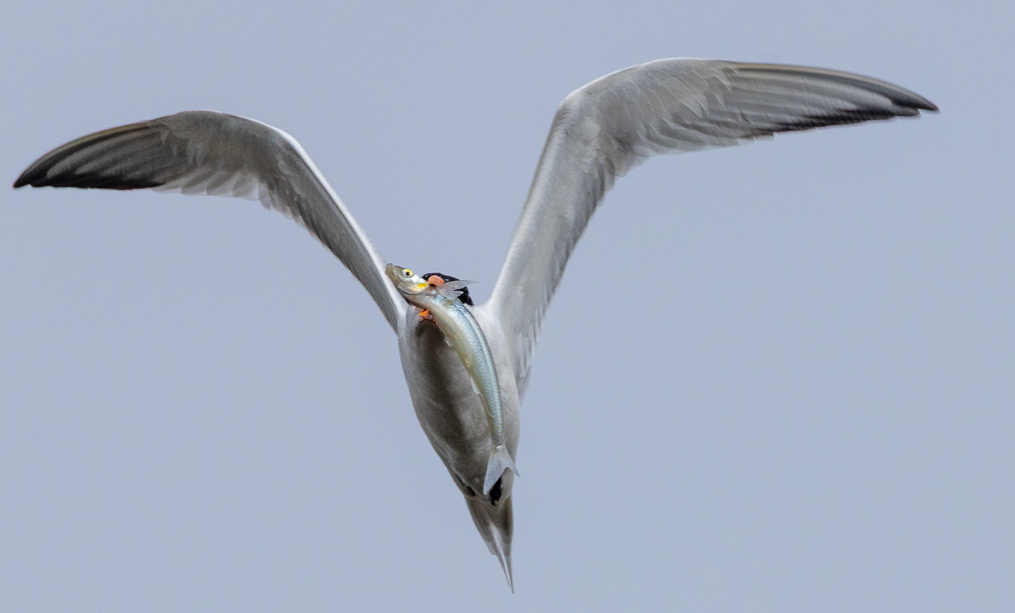
[By Chuck Almdale; photos by Ray Juncosa, Armando Martinez & Chris Tosdevin]
The Santa Monica Mountains were filled with fog; the beach was well under that layer and while not sunny, was clear, with very little breeze. Quite suitable for a shirt & t-shirt combo. Lagoon and channels were extremely dry due to the minus 0.31-foot tide at 6:40am. Small center channels 2-10 ft. wide drained what little water remained. Bird abundance was not great at 608 birds, but 67 species was well above average for March, probably due to lots of expert eyes and ears inspecting every nook and cranny. Thirty-two birders appeared.
Turkey Vultures may now be migrating north. One took over the “Osprey post” on the westernmost sand island, only to be displaced by another vulture.
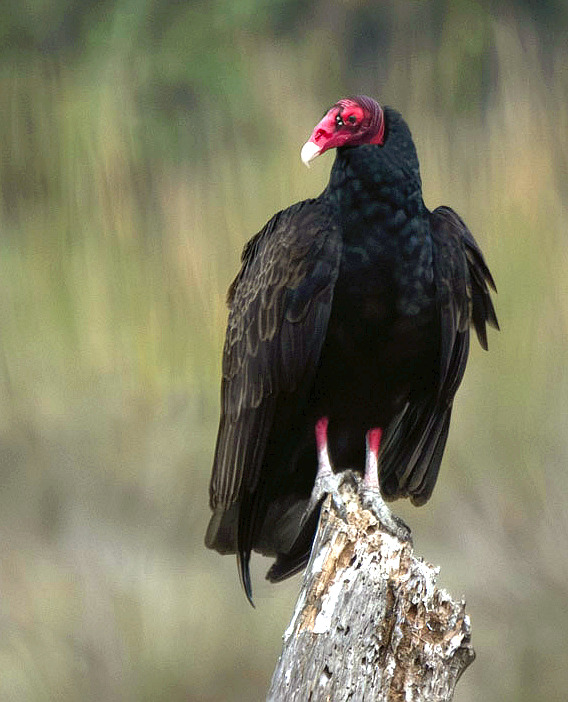
The white on the vulture’s feet is his own poop. American vultures, like storks, defecate on their feet and legs.
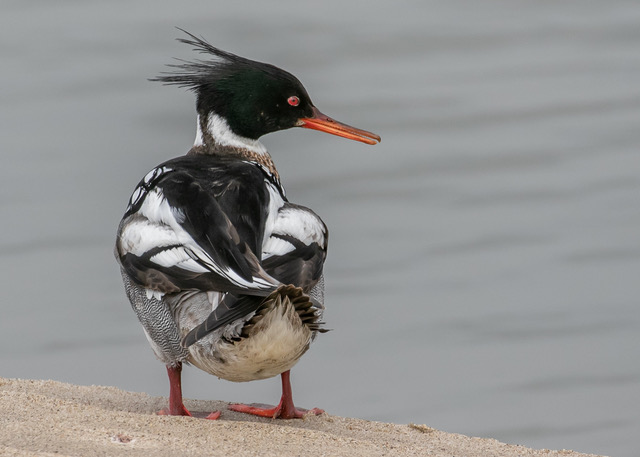
Malibu Lagoon get plenty of Red-breasted Mergansers: they’re present on more than half our visits, we have seen them in every month of the year, and 85% of their visits are November through April. But the males look like this only in the spring, as young males are almost identical to the females.
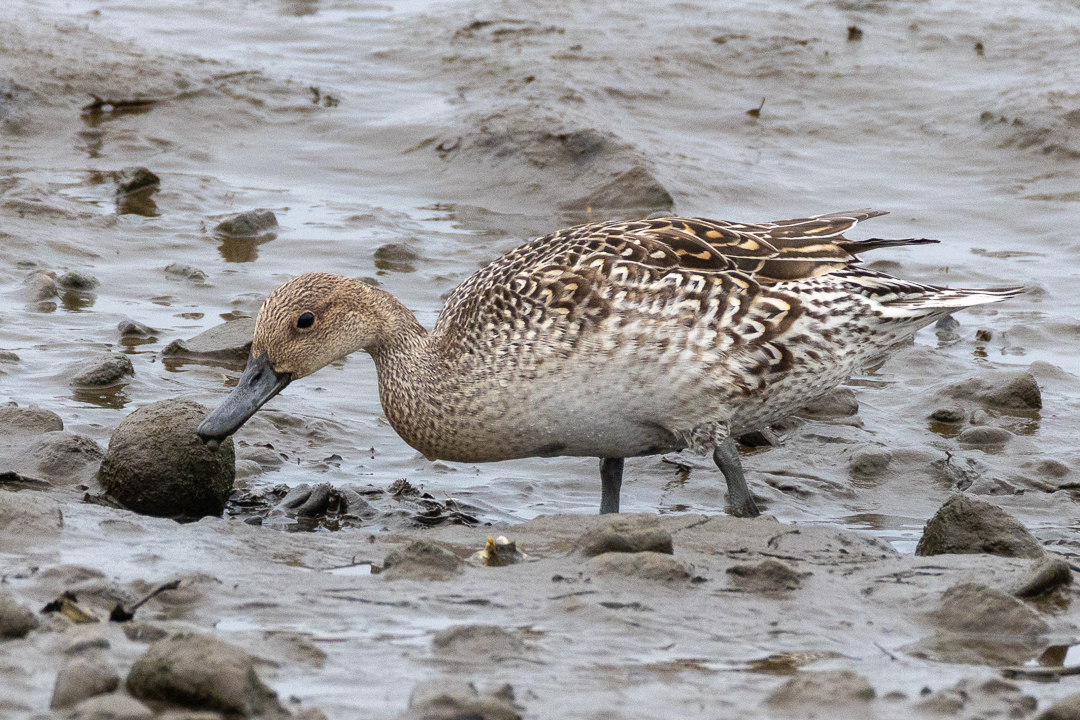
We haven’t had any Northern Pintails at the lagoon since October’22, and I think we’d all forgotten what they look like, and we stood there wondering just what was that pale duck. I think it was Femi who finally recognized it as a female Pintail. It didn’t have much of a ‘pin-tail’ but did have a slender graceful neck. The mottling on the back is much brighter than illustrated in my NGS field guide which shows only shades of brown.
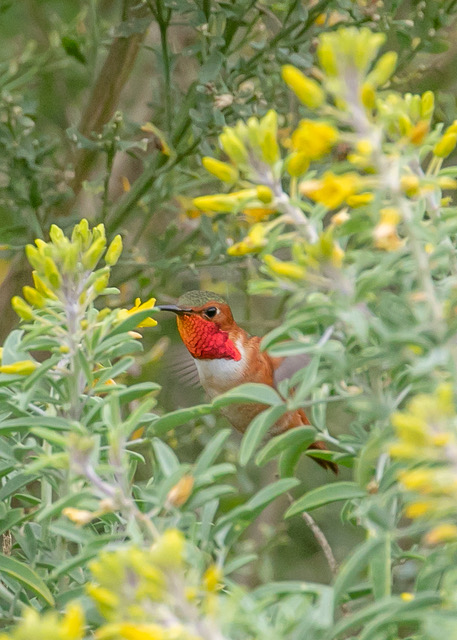
Allen’s Hummingbird were relatively abundant. This one looks like a red stoplight among yellow caution lights.
Whimbrel – now Hudsonian Whimbrel due to the recent species split from (now) Eurasian Whimbrel – is another “almost-always-here” bird, reliable in small numbers ten or eleven months of the year.
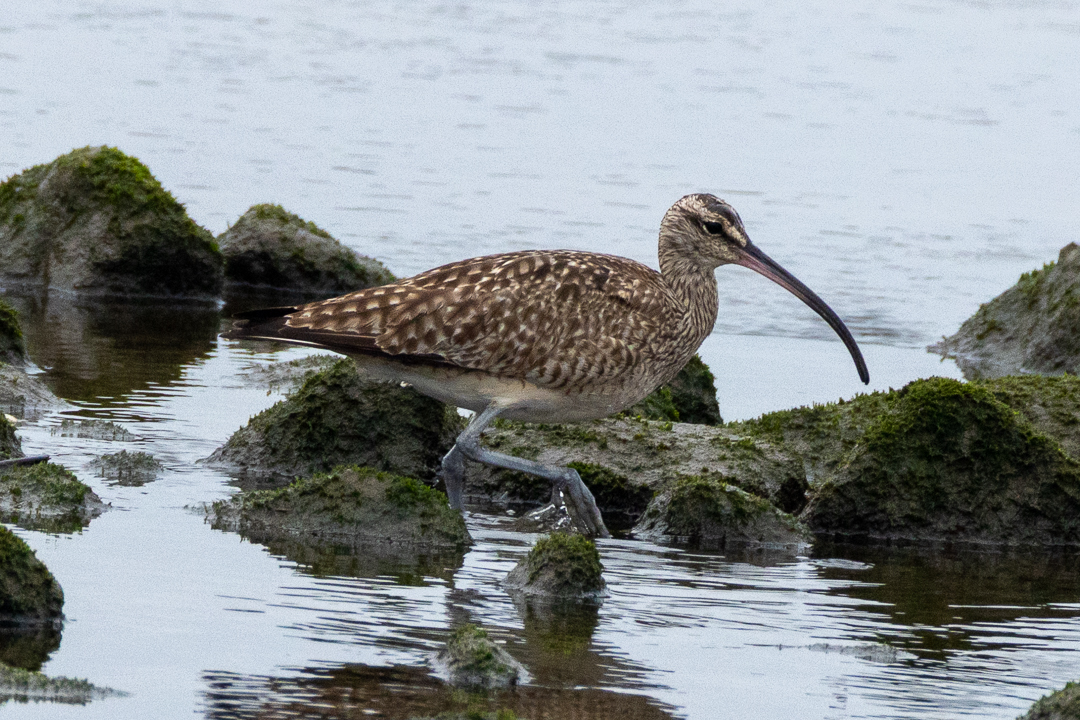
I did a little research on this Whimbrel split as it is relatively new to me.
The first specimen (holotype) of Numenius hudsonicus was collected somewhere between 1825 and 1828 on the voyage of HMS Blossom [Gilbert & Sullivan, how did you miss this one?], and it was then classified as a separate species from the (Eurasian) Whimbrel, Numenius phaeopus. By the 1930’s most authorities considered it part of the N. phaeopus taxon, and they were officially lumped. In 2011, a paper by Sangster, et.al. “Taxonomic recommendations for British birds: Seventh report,” raised it back to species rank on the basis of “diagnostic differences in plumage and mean morphometric differences” plus mtDNA divergence of 3.6%.
A mitochondrial DNA (mtDNA) divergence of 3.6% means that 3.6% of the nucleotide bases (A, T, C, or G) in the analyzed mtDNA sequence differ between two compared samples. Standard molecular clock rates are roughly 2–4% per million years depending on species and DNA region, and 3.6% divergence – while a possibly acceptable variance within a single species – points towards reduced gene flow between the two lineages and probable biological species separation. Other papers have pointed out that while the N. hudsonicus and N. phaeopus have plenty of opportunity to interbreed, they still show “extremely low rates of gene flow, suggesting a pattern of reproductive isolation.” But there is evidence of extensive gene flow among the several forms of Whimbrel distributed across Eurasia, indicating these should be (and are) considered conspecific. – Adapted mostly from Birds of the World (link) systematics write-up for the two species.
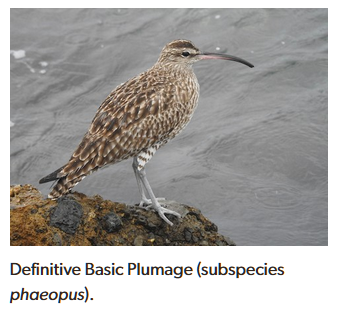
So if you’ve seen Whimbrel in Eurasia, you now have an additional species on your life list. But if you saw your foreign Whimbrel in South America, you don’t.
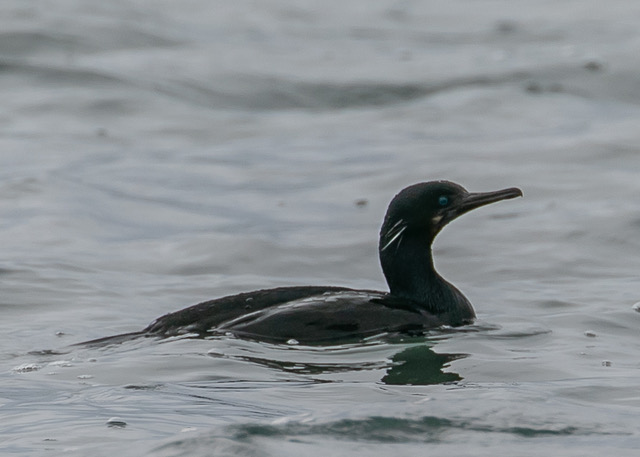
In springtime we begin to see ‘our’ birds in their breeding (aka alternate) plumage. As Brandt’s (and Pelagic) Cormorants don’t like to come into the lagoon – waaay too far inland for them – we see them only when they’re offshore, either on the rocks or paddling through the waves, and our views of them are rarely earthshaking. So the photo below is particularly (in my estimation) fortuitous, as it shows both the white whiskers on the side of the neck and the blue breeding patch on the chin, embedded within the small beige gular pouch which is definitely not large and yellow-orange as with the Double-crested Cormorant. They don’t have these field marks most of the year, and even when they do, you can’t see them well, if at all.
The superficially similar Pacific Loon was also present. [Birders often confuse loons and cormorants when they’re hundreds of yards away, dark birds disappearing behind waves or diving to chase fish underwater.] We had three swimming eastward through the waves out past the offshore rocks. Later we saw them (or another group of three) just past the surf zone towards Malibu Pier, and then – [drumroll] we spotted a long flotilla farther east. In the scopes we counted 45 birds, all swimming north towards the pier and all of them Pacific Loons. [In 1914 an additional collective noun for loons was coined: An asylum of loons. Seems appropriate.] I thought this would certainly be a lagoon record, but it wasn’t, as we had 80 Pacific Loons on 4/23/17. These two sightings alone comprise 42% of all our Pacific Loon sightings since 1979.
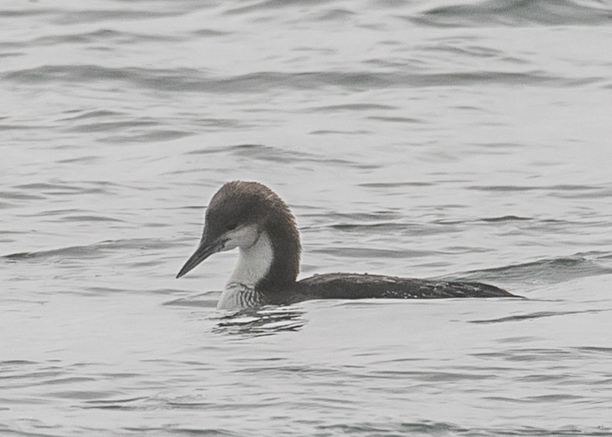
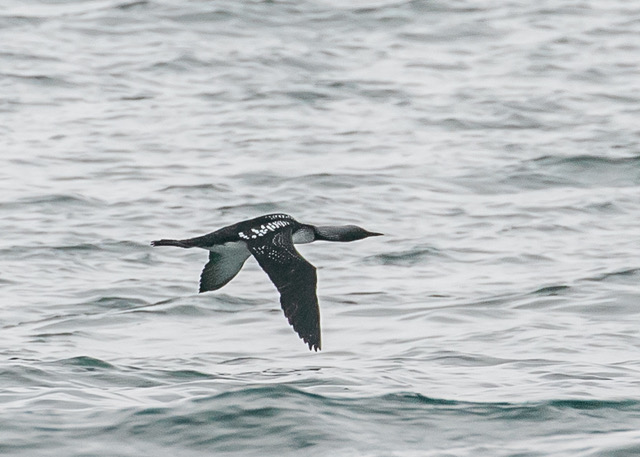
Before the Arctic Loon was split into the Arctic (Russian & Alaskan) Loon (Gavia artica) and Pacific Loon (G. pacifica) by the AOU in 1985, a birding ID tip was that about 80-90% of Arctic Loons had “chinstraps.” You can see this in the photo above. If I remember correctly, it turned out that all those with chinstraps were Pacific Loons, although not all Pacifics have the strap. The Arctic Loon doesn’t have them. On the bird below the nice back pattern shows up. This flying bird appears to be in full breeding plumage.
I wonder if our distant ancestors got the idea of making boats (and later surfboards and water skis) from watching large aquatic birds such as albatross, geese and pelicans slide to a stop across the surface of the water.
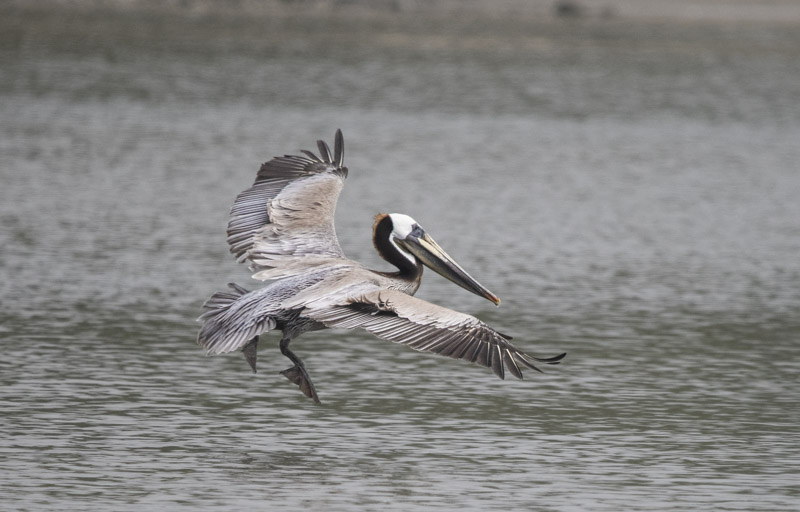
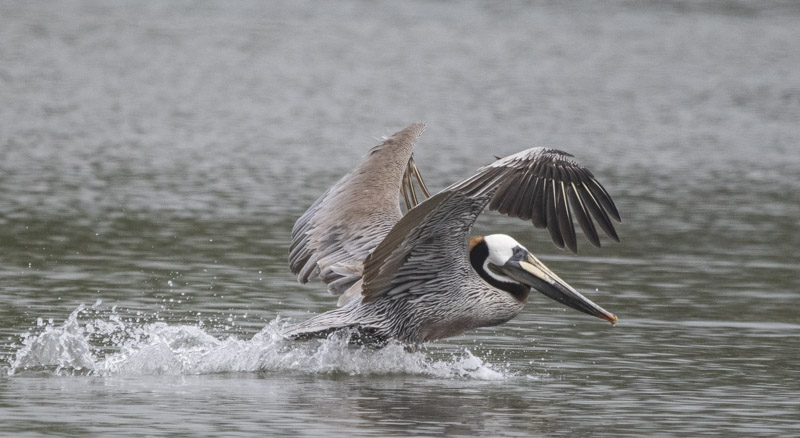
As you can see from the above two photos, adult Brown Pelicans aren’t particularly brown, but more of a gray, with blotches of white, yellow, red and cream. It’s the young birds that are brown, and it takes them 3-5 years to develop their adult appearance. This bird below was lying in the low dunes near a patch of dune plants, mostly motionless. It looked really sick, best left alone.
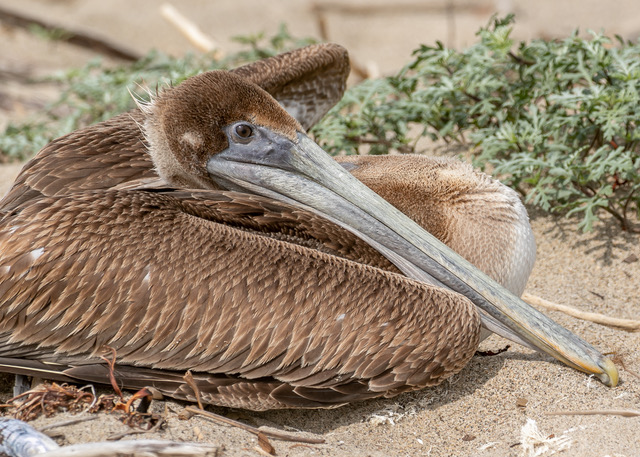
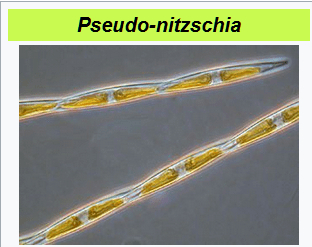
I wondered aloud if we were seeing another wave of Domoic Acid poisoning, such outbreaks often called “red tide.” The neurotoxin is actually produced by Pseudo-nitzschia, a fairly common marine planktonic diatom genus, dangerous and lethal to all sorts of wildlife, including humans.
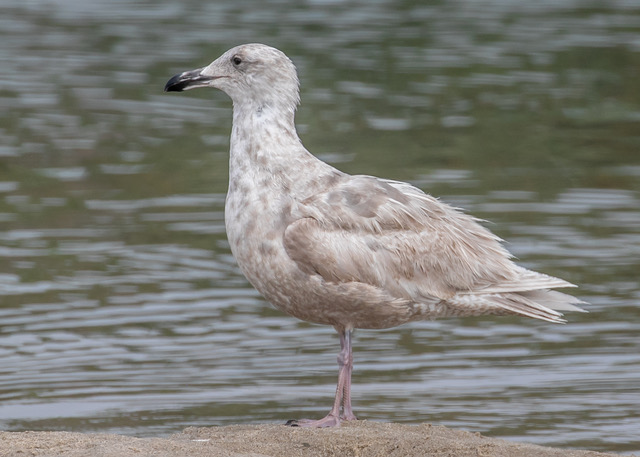
This Glaucous-winged Gull below is another species that is here more often than not. Appearances June through October are few, with none at all in September. This bird has very “shredded” scapulars and coverts.
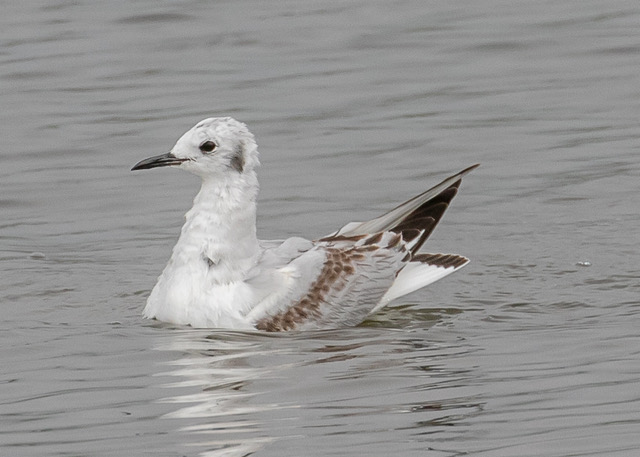
Boneparte’s Gull is always a welcome sight, diminutive (13.5″) and cute, half the length of a Western Gull. In 46 years of counting birds at the lagoon, I’ve recorded exactly 9,000 of them in 111 sightings. The month of March accounts for 2,785 (31%) of those sightings, the cumulative months of June-October accounts for 12. Their lagoon appearances have dropped drastically, with only 151 birds in the last 20 years. One of these days I’ll have to see if I can find out why.
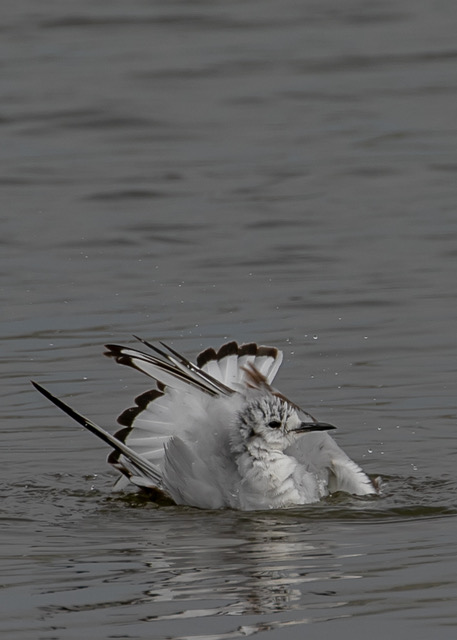
Bathtime at the lagoon.
A Few Terns
For the past nine months we’ve had between 2 and 135 Royal Terns and for December through February we’ve had zero Elegant Terns (they all fly south to the Sea of Cortez). This makes discerning terns relatively easy. The ones with the big red bill are Caspian, the others are Royal. Oh, of course there’s the occasional Forster’s Tern, but they look completely different. And the far-less-common Common Tern hasn’t shown up for one of our walks since August 2016, so we need not concern ourselves with them. But every year in March – sometimes not until April – the Elegants show up to make our tern-counting more complicated.
Here’s a photo of your typical springtime Elegant Tern. Solid black head, long slender decurved top and bottom yellowish-orangish-reddish bill. A lot of them have this subtle, sometimes very subtle, rosy shade on their breast feathers. How could these possibly be confused with the larger, chunkier, thicker-and-less-curvy-billed and often semi-bald Royal Tern?
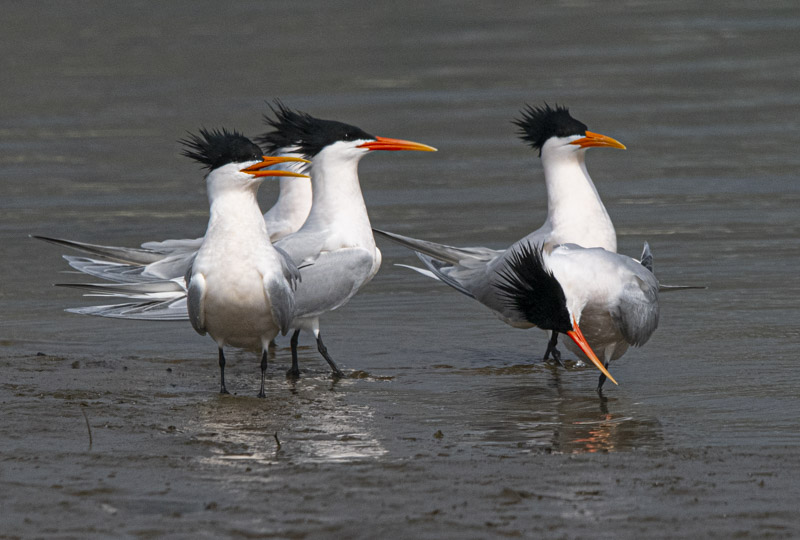
The breeding plumage Royal Tern, in front, the semi-bald not-yet-breeding-plumaged Royal right behind. These are 3-4″ longer than the Elegant (depending on what source you’re using), and larger and chunkier in every way.
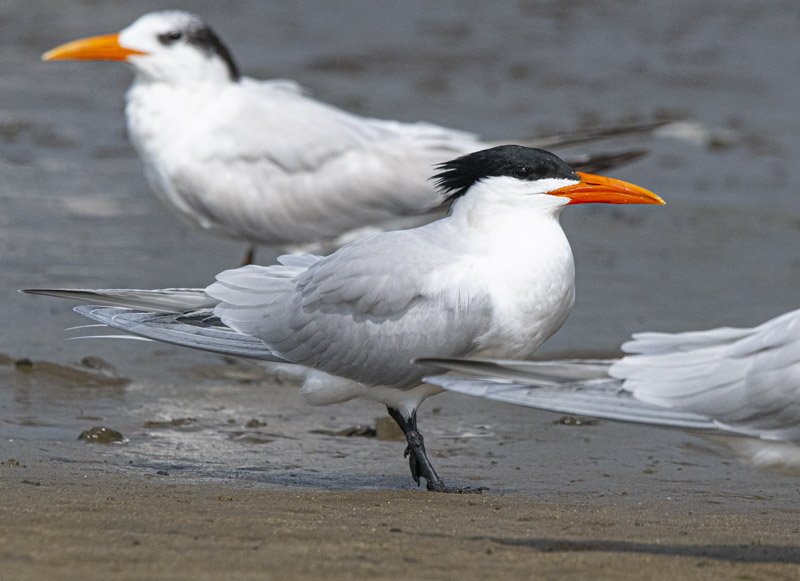
Three more Royals, in varying stages of shock. Depending on a lot of things (angle, lighting, color, curvature of upper bill, curvature of lower bill, length) the bills of the Royals are quite variable.
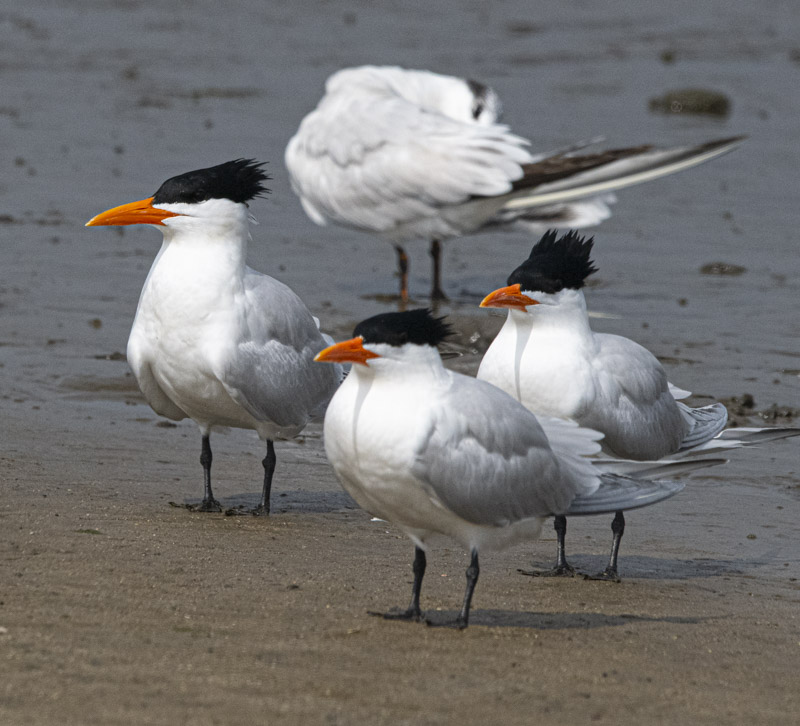
And here’s the way you often get them, all mixed up, facing different ways, doing different things. I count 3 Elegants for sure, 2 Royals for sure, and 3 for unsure. Do the Royals look significantly larger than the Elegants; significantly less rosy-breasted?; significantly less curvy-billed? Yes, sometimes, maybe, no?
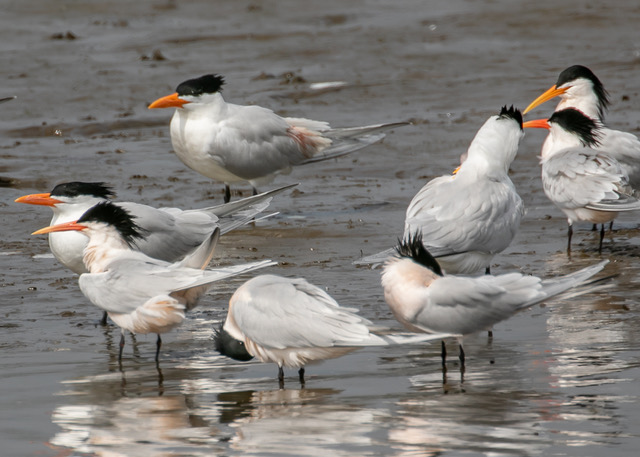
When I first got to the lagoon and looked at them far across the mudflats and towards the sun, I thought most of them were Elegants. By the time we left and I’d gotten much closer looks with the sun behind me, I’d reversed the proportions of which were which.
So it goes, as Kurt Vonnegut often wrote.
After writing the above sentence, I googled “Kurt Vonnegut quotes” and found many good ones, including this:
“True terror is to wake up one morning and discover that your high school class is running the country.”
Malibu Lagoon on eBird as of 3-24-26: 9300 lists, 3036 eBirders, 322 species
Most recent new species seen: Nelson’s Sparrow, 11/29/24 by Femi Faminu (SMBAS member). When the newest species added to the list was seen on a date prior to the most recently seen new species, there is no way I can find to easily determine what that bird is. Another minor nit to pick about eBird.
Birds new for the season: Northern Shoveler, Northern Pintail, Mourning Dove, Long-billed Dowitcher, Western Sandpiper, Bonaparte’s Gull, Heermann’s Gull, Glaucous-winged Gull, Caspian Tern, Elegant Tern, Green Heron, Oak Titmouse, Northern Rough-winged Swallow, Blue-gray Gnatcatcher, Bewick’s Wren, American Robin. “New for the season” means it has been three or more months since last recorded on our trips..
Many, many thanks to photographers Ray Juncosa, Armando Martinez, and Chris Tosdevin. Welcome back Chris.
Upcoming SMBAS scheduled field trips; no reservations or Covid card necessary unless specifically mentioned:
- Bear Divide/Walker Ranch Sat. Apr. 18, 7:30 am, leader Armando Martinez, Reservation
- Malibu Lagoon, Sun. Apr. 26, 8:30 (adults) & 10 am (parents & kids)
- Black Rock & Morongo Canyon, Sat-Sun May 2-3.
- These and any other trips we announce for the foreseeable future will depend upon expected status of the Covid/flu/etc. pandemic, not to mention landslides, fires, local flooding and atmospheric rivers at trip time. Any trip announced may be canceled shortly before trip date if it seems necessary. By now any other comments should be superfluous.
- Link to Programs & Field Trip schedule.
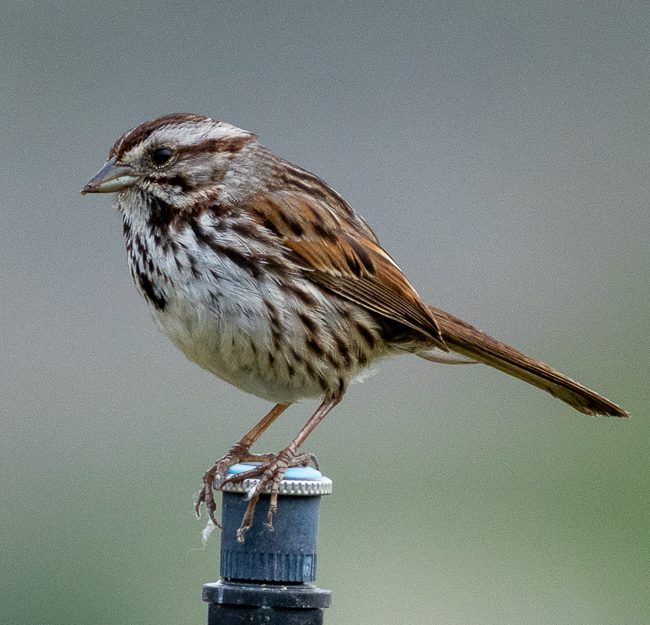
(Armando Martinez 3/22/26)
The next SMBAS Zoom program: Tuesday, April 7, 7:30pm; TBD
The SMBAS 10 a.m. Parent’s & Kids Birdwalk has again resumed. Reservations not necessary for families, but for groups (scouts, etc.), please call Jean (213-522-0062).
Links: Unusual birds at Malibu Lagoon
9/23/02 Aerial photo of Malibu Lagoon
Aerial ‘film’ flying north over lagoon
More recent aerial photo
Prior checklists:
2025: Jan-June, July-Dec
2023: Jan-June, July-Dec 2024: Jan-June, July-Dec
2021: Jan-July, July-Dec 2022: Jan-June, July-Dec
2020: Jan-July, July-Dec 2019: Jan-June, July-Dec
2018: Jan-June, July-Dec 2017: Jan-June, July-Dec
2016: Jan-June, July-Dec 2015: Jan-May, July-Dec
2014: Jan-July, July-Dec 2013: Jan-June, July-Dec
2012: Jan-June, July-Dec 2011: Jan-June, July-Dec
2010: Jan-June, July-Dec 2009: Jan-June, July-Dec
The 10-year comparison summaries created during the Lagoon Reconfiguration Project period, remain available—despite numerous complaints—on our Lagoon Project Bird Census Page. Very briefly summarized, the results unexpectedly indicate that avian species diversification and numbers improved slightly during the restoration period June’12-June’14.
Many thanks to Femi Faminu, Chris Lord, Armando Martinez, Emily Roth, Chris Tosdevin and others for contributions made to this month’s census counts.
The species list below was re-sequenced as of 12/31/25 to agree with the eBird sequence. If part of the right side of the chart below is hidden, there’s a slider button inconveniently located at the bottom end of the list. The numbers 1-9 left of the species names are keyed to the nine categories of birds at the bottom. Updated lagoon bird check lists can be downloaded here.
[Chuck Almdale]
| Malibu Census 2025-26 | 10/26 | 11/23 | 12/28 | 1/25 | 2/22 | 3/22 | |
| Temperature | 58-65 | 59-65 | 60-69 | 47-55 | 49-63 | 65-76 | |
| Tide Lo/Hi Height | H+5.02 | H+5.46 | L+1.35 | L+1.31 | L+0.65 | L-0.31 | |
| Tide Time | 1125 | 0939 | 1047 | 0846 | 0655 | 0640 | |
| 1 | Brant (Black) | 1 | 1 | 1 | 1 | 1 | |
| 1 | Canada Goose | 12 | 14 | 3 | 4 | 5 | |
| 1 | Cinnamon Teal | 2 | |||||
| 1 | Northern Shoveler | 4 | 2 | ||||
| 1 | Gadwall | 14 | 20 | 34 | 35 | 15 | |
| 1 | American Wigeon | 15 | 4 | 4 | 6 | ||
| 1 | Mallard | 26 | 1 | 12 | 5 | 7 | 14 |
| 1 | Northern Pintail | 1 | |||||
| 1 | Green-winged Teal | 5 | 11 | 8 | |||
| 1 | Surf Scoter | 2 | 22 | 4 | 3 | 6 | |
| 1 | Bufflehead | 4 | 4 | ||||
| 1 | Red-breasted Merganser | 2 | 5 | 6 | 7 | 4 | |
| 1 | Ruddy Duck | 5 | 11 | ||||
| 2 | Feral Pigeon | 5 | 4 | 2 | |||
| 2 | Mourning Dove | 1 | 1 | 3 | |||
| 2 | Anna’s Hummingbird | 2 | 3 | 1 | 1 | ||
| 2 | Allen’s Hummingbird | 5 | 4 | 3 | 3 | 3 | 5 |
| 3 | Sora | 1 | |||||
| 3 | American Coot | 4 | 25 | 25 | 50 | 55 | 4 |
| 4 | Black Oystercatcher | 1 | 1 | 3 | |||
| 4 | Black-bellied Plover | 88 | 64 | 62 | 34 | 20 | 6 |
| 4 | Killdeer | 8 | 10 | 4 | 4 | 6 | 5 |
| 4 | Snowy Plover | 40 | 40 | 7 | 17 | 4 | |
| 4 | Hudsonian Whimbrel | 14 | 8 | 4 | 3 | 4 | 6 |
| 4 | Marbled Godwit | 21 | 8 | 10 | 3 | 4 | 1 |
| 4 | Long-billed Dowitcher | 1 | |||||
| 4 | Spotted Sandpiper | 1 | |||||
| 4 | Willet | 14 | 20 | 7 | 7 | 3 | 4 |
| 4 | Ruddy Turnstone | 6 | 4 | 3 | 2 | 3 | |
| 4 | Sanderling | 13 | 23 | 14 | 35 | 10 | |
| 4 | Dunlin | 1 | |||||
| 4 | Least Sandpiper | 12 | 6 | 10 | 20 | 20 | 8 |
| 4 | Western Sandpiper | 1 | 2 | 13 | |||
| 5 | Bonaparte’s Gull | 1 | 3 | ||||
| 5 | Heermann’s Gull | 2 | 49 | 10 | 22 | ||
| 5 | Short-billed Gull | 1 | |||||
| 5 | Ring-billed Gull | 7 | 6 | 5 | 17 | 4 | 3 |
| 5 | Western Gull | 35 | 55 | 85 | 45 | 41 | 61 |
| 5 | American Herring Gull | 1 | 1 | 1 | 1 | ||
| 5 | California Gull | 116 | 410 | 650 | 275 | 140 | 95 |
| 5 | Glaucous-winged Gull | 1 | |||||
| 5 | Caspian Tern | 3 | |||||
| 5 | Elegant Tern | 2 | 3 | 24 | |||
| 5 | Royal Tern | 2 | 22 | 25 | 12 | 28 | 34 |
| 6 | Pied-billed Grebe | 2 | 3 | 6 | 2 | 2 | 3 |
| 6 | Horned Grebe | 1 | |||||
| 6 | Eared Grebe | 6 | 3 | 1 | |||
| 6 | Western Grebe | 30 | 8 | 10 | 45 | 4 | 24 |
| 6 | Clark’s Grebe | 2 | 2 | ||||
| 6 | Red-throated Loon | 2 | 2 | ||||
| 6 | Pacific Loon | 1 | 1 | 45 | |||
| 6 | Brandt’s Cormorant | 5 | 2 | 1 | 35 | 5 | 3 |
| 6 | Pelagic Cormorant | 3 | 2 | 3 | 1 | 3 | |
| 6 | Double-crested Cormorant | 28 | 38 | 17 | 28 | 15 | 18 |
| 6 | Black-crowned Night-Heron | 1 | |||||
| 6 | Snowy Egret | 34 | 30 | 11 | 3 | 3 | 1 |
| 6 | Green Heron | 2 | 1 | 2 | |||
| 6 | Great Egret | 4 | 2 | 1 | 1 | 1 | 2 |
| 6 | Great Blue Heron | 6 | 4 | 5 | 5 | 3 | 3 |
| 6 | Brown Pelican | 138 | 13 | 3 | 13 | 10 | 30 |
| 7 | Turkey Vulture | 1 | 2 | 2 | 2 | 3 | |
| 7 | Osprey | 1 | 1 | 1 | 2 | ||
| 7 | Sharp-shinned Hawk | 1 | |||||
| 7 | Red-shouldered Hawk | 1 | 2 | ||||
| 7 | Red-tailed Hawk | 1 | 2 | 1 | 2 | 1 | |
| 8 | Belted Kingfisher | 1 | 2 | 1 | 1 | 1 | |
| 8 | Downy Woodpecker | 1 | |||||
| 8 | Nuttall’s Woodpecker | 1 | |||||
| 8 | Nanday Parakeet | 9 | 2 | ||||
| 9 | Black Phoebe | 2 | 3 | 1 | 3 | 3 | 2 |
| 9 | Say’s Phoebe | 1 | 1 | ||||
| 9 | Cassin’s Kingbird | 1 | 3 | ||||
| 9 | Hutton’s Vireo | 1 | |||||
| 9 | California Scrub-Jay | 2 | 1 | ||||
| 9 | American Crow | 10 | 7 | 6 | 11 | 10 | 6 |
| 9 | Common Raven | 1 | 1 | 2 | |||
| 9 | Oak Titmouse | 2 | 1 | 1 | 1 | ||
| 9 | No. Rough-winged Swallow | 25 | |||||
| 9 | Bushtit | 35 | 4 | 19 | 20 | 5 | 8 |
| 9 | Wrentit | 2 | 4 | 1 | 2 | 2 | 1 |
| 9 | Swinhoe’s White-eye | 2 | 2 | ||||
| 9 | Ruby-crowned Kinglet | 1 | |||||
| 9 | Blue-gray Gnatcatcher | 2 | 1 | ||||
| 9 | Northern House Wren | 2 | 1 | 1 | 1 | 1 | |
| 9 | Marsh Wren | 1 | |||||
| 9 | Bewick’s Wren | 1 | |||||
| 9 | European Starling | 6 | 30 | 1 | 10 | 13 | |
| 9 | Northern Mockingbird | 1 | 1 | 1 | |||
| 9 | Western Bluebird | 2 | 1 | ||||
| 9 | Hermit Thrush | 2 | |||||
| 9 | American Robin | 1 | |||||
| 9 | Scaly-breasted Munia | 7 | |||||
| 9 | House Finch | 2 | 5 | 15 | 7 | 10 | 12 |
| 9 | Lesser Goldfinch | 2 | 2 | 7 | 2 | 6 | |
| 9 | American Goldfinch | 4 | |||||
| 9 | Dark-eyed Junco | 3 | 1 | 1 | 2 | ||
| 9 | White-crowned Sparrow | 10 | 12 | 18 | 6 | 5 | 10 |
| 9 | Savannah Sparrow | 1 | |||||
| 9 | Song Sparrow | 4 | 4 | 3 | 5 | 7 | 6 |
| 9 | California Towhee | 1 | 2 | 2 | 3 | 2 | 3 |
| 9 | Western Meadowlark | 2 | |||||
| 9 | Great-tailed Grackle | 6 | 16 | 3 | 10 | 3 | 5 |
| 9 | Orange-crowned Warbler | 1 | 2 | 1 | 1 | 1 | 1 |
| 9 | Common Yellowthroat | 6 | 2 | 1 | 1 | 2 | 1 |
| 9 | Yellow-rumped Warbler | 25 | 10 | 8 | 6 | 6 | 4 |
| 9 | Black-throated Gray Warbler | 1 | 1 | ||||
| Totals Birds by Type | Oct | Nov | Dec | Jan | Feb | Mar | |
| 1 | Waterfowl & Quail | 28 | 61 | 95 | 67 | 74 | 48 |
| 2 | Doves, Swifts & Hummers | 8 | 7 | 9 | 3 | 8 | 11 |
| 3 | Rails & Coots | 4 | 26 | 25 | 50 | 55 | 4 |
| 4 | Shorebirds | 219 | 185 | 123 | 128 | 74 | 44 |
| 5 | Gulls & Terns | 164 | 547 | 777 | 349 | 214 | 247 |
| 6 | Grebe, Loon, Heron, Pelican | 259 | 111 | 59 | 134 | 47 | 134 |
| 7 | Hawks & Falcons | 2 | 3 | 5 | 5 | 7 | 4 |
| 8 | Kingfisher, Peckers & Parrots | 10 | 3 | 1 | 3 | 2 | 0 |
| 9 | Passerines | 122 | 122 | 91 | 86 | 77 | 116 |
| Totals Birds | 816 | 1065 | 1185 | 825 | 558 | 608 | |
| Total Species by Group | Oct | Nov | Dec | Jan | Feb | Mar | |
| 1 | Waterfowl & Quail | 2 | 8 | 11 | 8 | 9 | 8 |
| 2 | Doves, Swifts & Hummers | 3 | 2 | 3 | 1 | 3 | 4 |
| 3 | Rails & Coots | 1 | 2 | 1 | 1 | 1 | 1 |
| 4 | Shorebirds | 12 | 10 | 11 | 10 | 9 | 8 |
| 5 | Gulls & Terns | 6 | 8 | 7 | 4 | 5 | 10 |
| 6 | Grebe, Loon, Heron, Pelican | 12 | 14 | 11 | 9 | 11 | 11 |
| 7 | Hawks & Falcons | 2 | 3 | 3 | 3 | 4 | 2 |
| 8 | Kingfisher, Peckers & Parrots | 2 | 2 | 1 | 2 | 2 | 0 |
| 9 | Passerines | 21 | 22 | 21 | 17 | 22 | 23 |
| Totals Species – 106 | 61 | 71 | 69 | 55 | 66 | 67 |
25 Wildlife Photos short-list | Smithsonian 2023
[Posted by Chuck Almdale, submitted by Lillian Johnson]
See 25 Stunning Images From the Wildlife Photographer of the Year Contest
by Carlyn Kranking, 20 Jan 2026
Great photos never get old.
Link to article:
https://www.smithsonianmag.com/smart-news/see-25-stunning-images-from-the-wildlife-photographer-of-the-year-contest-180981373/
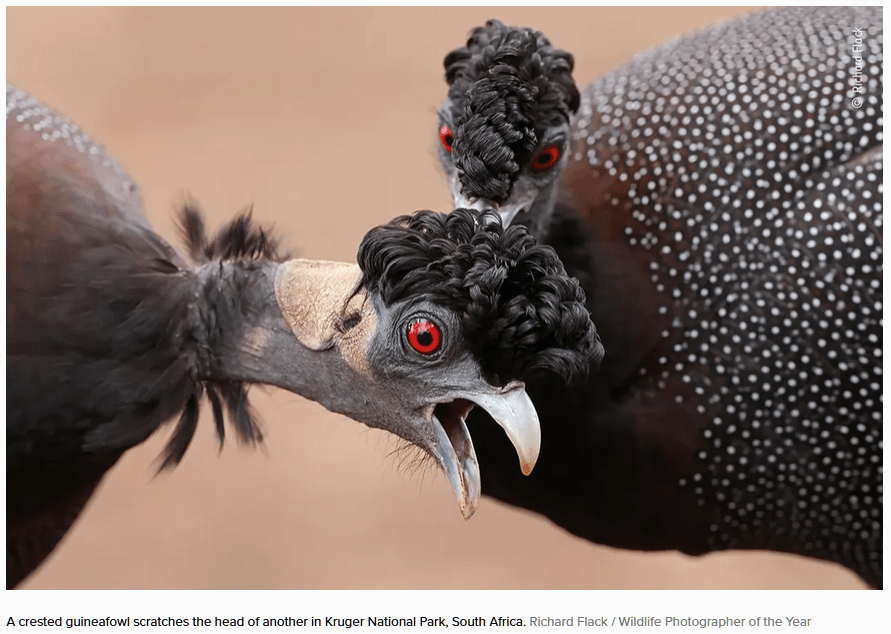
Your phone, eBird & California Bird Atlas Project
[By Chuck Almdale]
Smart phones are popular. Period.
eBird is popular among birders around the world. Some of these birders read this blog. And it should go without saying that eBirders are willing if not eager to count the birds they see, as nearly every one of the millions of checklists entered into eBird so far include counts of all the birds seen.
Scientists like to see things counted, and often do it themselves when they can’t find others – preferably unpaid volunteers or indentured students – to do it for them.
So when a group of birders got together and decided to do a breeding bird census and atlas of all of California, they immediately saw a solution whose time has now, literally, arrived:
Birders + eBird + very minor training = a really big bird census with quality data.
So…if you carry a smartphone, and you’re a birder, and use eBird (or plan to do so), it’s very easy to do some citizen science and make a major contribution to the California Breeding Bird Atlas project.
Personal Note: Lillian and I censused some blocks for the Los Angeles Breeding Bird Atlas project in 1995-1999. Among our finds was a family of eight Burrowing Owls in the Antelope Valley near Holiday Lake which we regularly checked on for several months. It was a lot of fun and added a completely new dimension to birding beyond the every-tricky exercise of figuring out what bird you’re looking at. I recommend it to everyone.
The video below tells you (rather rapidly) all you need to know to get started.
The initial written instructions from the video:
1. Go to https://ebird.org/AtlasCalifornia
2. Scroll down to where it says “Login to Join Project” and click.
3. If you didn’t already sign into eBird, sign in now.
3a. If you’re new to eBird, go ahead and join.
4. Congratulations. You’ve successfully joined the project.
5. Open the eBird app on your phone. Right above “Start Checklist” it should say “Choose project.” Select that, then select “California Bird Atlas,” then toggle on “Remember Selections.”
6. Push “Continue” and start your list.
7. At the top push “Auto Selected” for your location, wait a few seconds for it to start working, then pinch in to zoom out, and find your block.
There’s more on the film. I suggest you watch it.
The complete “Quick Start Guide” including pictures of a phone screen are here: https://ebird.org/atlascalifornia/about/start
In case the link below to the video fails: try this.
There’s additional info on the atlas website: https://ebird.org/atlascalifornia/home
Such as: Breeding Codes: https://ebird.org/atlascalifornia/about/breeding-codes
Have fun while contributing to a valuable science project.
[Posted by Chuck Almdale, submitted by Lillian Johnson]
Remote cameras catch rare predator in Californian forest. There are only 500 left on the planet
Once thought extinct, researchers are trying to find out more about this tiny carnivore to aid its conservation.
By Helen Pilcher, 26 Jan 2026
Article includes additional photos, a short film, charts and maps.
Link to article: https://www.discoverwildlife.com/animal-facts/mammals/coastal-marten-california
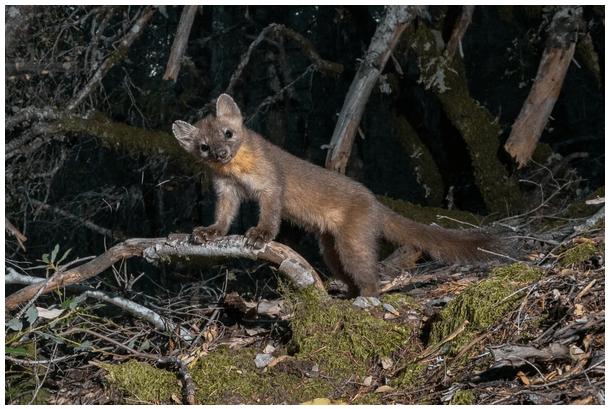
A welcome update of one of the world’s cutest, rarest and most elusive mammals has been published in Global Ecology and Conservation. Meet the Humboldt Marten. Once presumed extinct, researchers now have a better idea of where it lives, the types of habit it prefers, and the density of animals still living in northern California.
[Posted by Chuck Almdale]
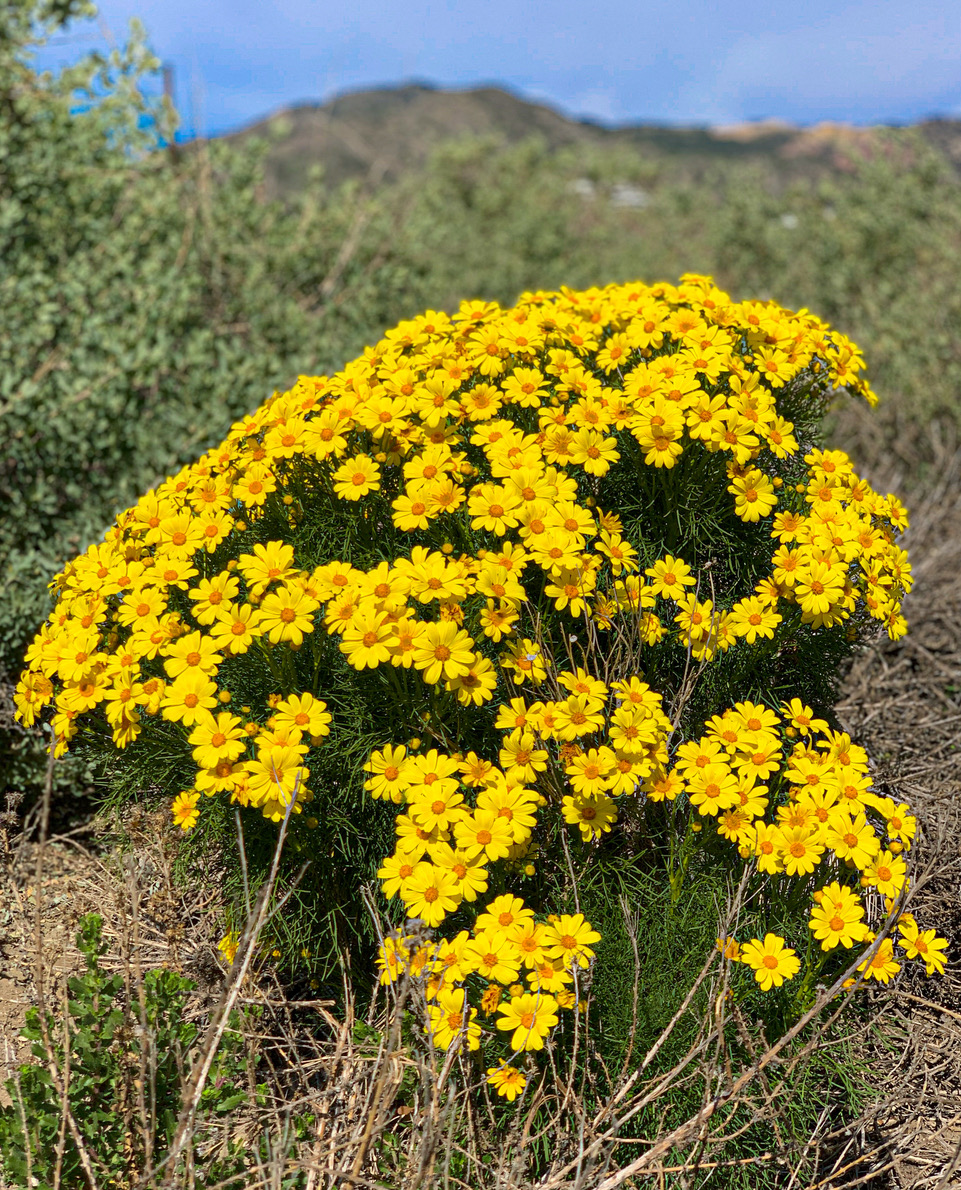
Pacific Coast Highway: As of this moment, things seem fine. No rain, mostly sunny, low lagoon water level, cool-ish enough to keep the beach uncrowded. 25 MPH speed limit still in effect for much of the way.
Special Attractions: Like dinosaurs? Want to see a dinosaur? Then come. Birds are small dinosaurs, we now know, the last of their kind. Think about that the next time one approaches you, grinning, looking for a free meal.
March – Still more birds than you can shake a stick at:
up to 12 duck species, 3 loons, 4 grebes, 3 cormorants, 5 herons & egrets, 6 raptors, 4 plovers, 11 sandpipers, 11 gulls & terns, 3 doves, 2 hummingbirds, 1 kingfisher and 23 species of passerines. Let’s see…that’s 88 species; well, I did say up to. Lots of birds possible.
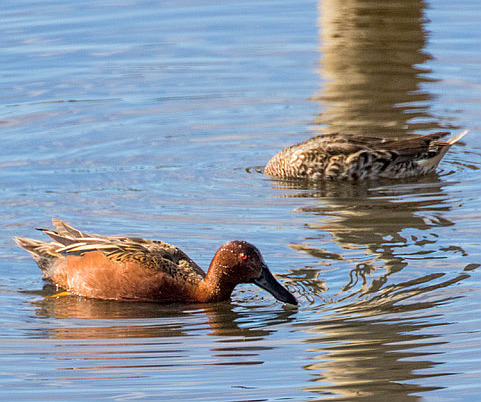
(Chris Tosdevin 2-27-22)
If you arrive early you may perchance to espy a trewloue of turtuldowẏs.
If you like low tides, see below
Weather prediction as of 8 March:
No weather at all – none, zip, nada
Tide: rising from extreme low: Low: -0.31 ft. @ 6:40am; High: +3.25 ft. @ 12:45pm
Feb 22 trip report link
Adult Walk 8:30 a.m., 4th Sunday of every month. Adults, teens and children you deem mature enough to be with adults. Beginners and experienced, 2-3 hours, meeting at the metal-shaded viewing area between parking lot and channel. Species range from 35 in June to 60-75 during migrations and winter. We move slowly and check everything as we move along. When lagoon outlet is closed we may continue east around the lagoon to Adamson House. We put out special effort to make our monthly Malibu Lagoon walks attractive to first-time and beginning birdwatchers. So please, if you are at all worried about coming on a trip and embarrassing yourself because of all the experts, we remember our first trips too. Someone showed us the birds; now it’s our turn. Bring your birding questions.
Children and Parents Walk, 10:00 a.m., 4th Sunday of every month: One hour session, meeting at the metal-shaded viewing area between parking lot and channel. We start at 10:00 for a shorter walk and to allow time for families to get it together on a sleepy Sunday morning. Our leaders are experienced with kids so please bring them to the beach! We have an ample supply of binoculars that children can use without striking terror into their parents. We want to see families enjoying nature. (If you have a Scout Troop or other group of more than seven people, you must call Jean (213-522-0062) to make sure we have enough binoculars, docents and sand.)
Directions: Malibu Lagoon is at the intersection of Pacific Coast Highway (PCH) and Cross Creek Road, west of Malibu Pier and the bridge, 15 miles west of Santa Monica via PCH. We gather in the metal-shaded area near the parking lot. Look around for people wearing binoculars. Neither Google Maps nor the State Park website supply a street address for the parking lot. The address they DO supply is for Adamson House which is just east of the Malibu Creek bridge, about a 5-minute walk away.
Parking: Parking machine in the lagoon lot: 1 hr $3; 2 hrs $6; 3 hrs $9, all day $12 ($11 seniors); credit cards accepted. Annual passes accepted. You may also park (read the signs carefully) either along PCH west of Cross Creek Road, on Cross Creek Road, or on Civic Center Way north (inland) of the shopping center. Lagoon parking in shopping center lots is not permitted.
[Written & posted by Chuck Almdale]



 SANTA MONICA BAY AUDUBON SOCIETY BLOG