Free email delivery
Please sign up for email delivery in the subscription area to the right.
No salesman will call, at least not from us. Maybe from someone else.
Malibu Lagoon Trip Report: 26 April, 2015
Even at the meeting spot the air was filled with the screeching of terns. Flights of Brown Pelicans constantly cruised by, and clouds of terns regularly lifted from the distant beach, only to alight again upon the sand. This promised to be an unusual day.

Finally! An Osprey on the osprey pole (R.Ehlers 4/26/15)
Passerines (songbirds) were few on the ground. Early-arriving photographer Randy Ehlers (thanks for all the great pictures, Randy!) spotted 40 Cedar Waxwings, who were living up to their ‘betcha-can’t-see-just-one’ reputation. No warblers, few sparrows and little of anything else beyond the usual Black Phoebe, Mockingbird, California Towhee and House Finch. Various Swallows have arrived, but not in large numbers.
From the lookout point near the PCH bridge, the terns – save a few Caspian and Forster’s – turned out to all be Elegant. And they looked very elegant as long-time member Abigail King liked to say, with bright white bodies, long forked tails, black crests and legs, and colorful bills ranging from pale yellow through orange to medium red. People often ask if the bill color of Elegant Terns is useful for identification. The short answer is: when comparing the Elegant bill to the Royal bill, look at shape, ignore color.

Elegant Tern (R.Ehlers 4/26/15)
At any rate, there were a boodle – maybe two boodles – of Elegant Terns; I counted 3100. This took a while. They were busy with mating, chasing, flying, feeding and always, always screeching. Some had breasts faintly pink from their oil glands. We did find a few more Caspian and Forster’s among them, and some Royal Terns far out on the exposed shore rocks. And it was a great chance to see the varieties of Elegant bill color.
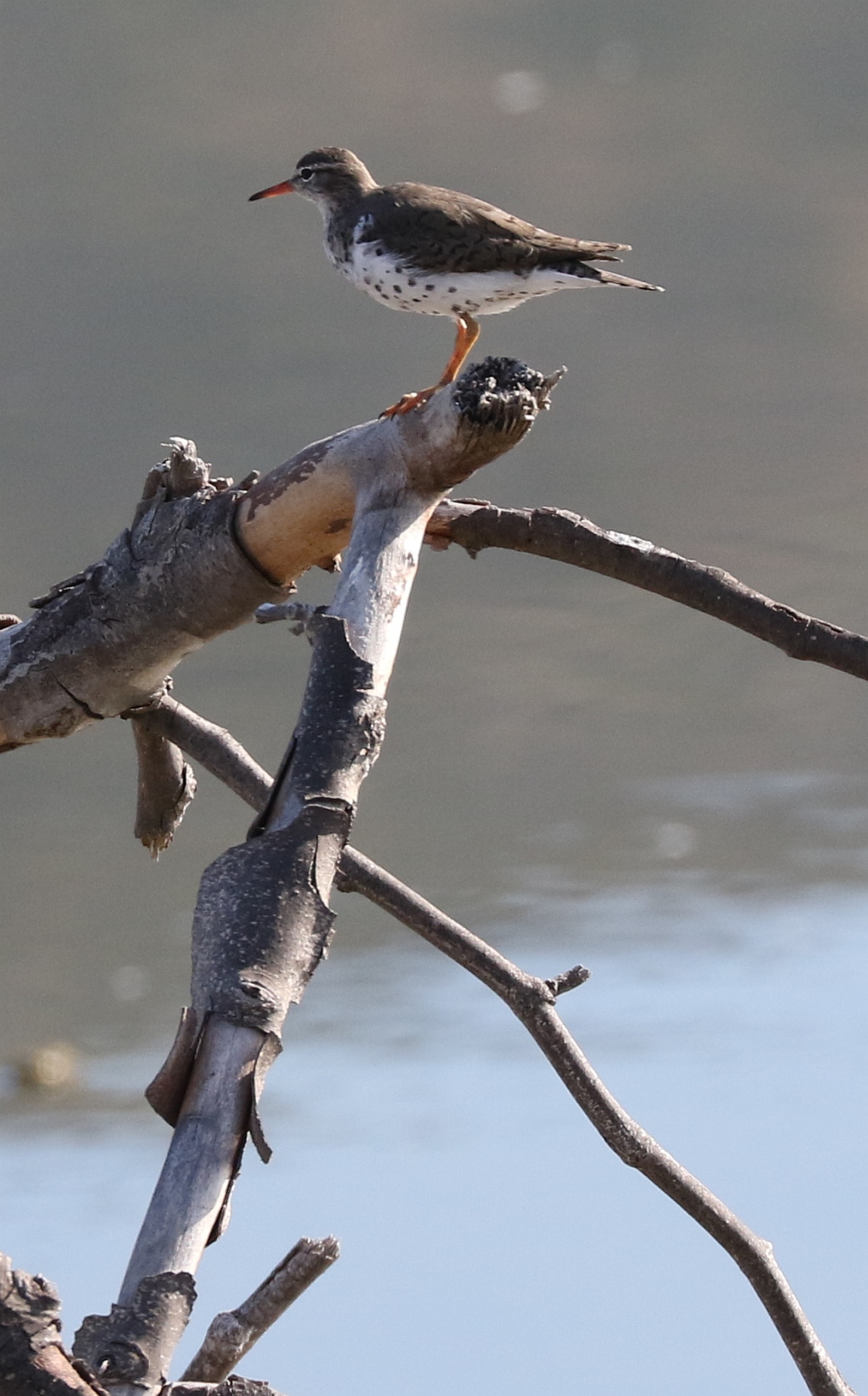
Spotted Sandpiper with his spotty breast (R.Ehlers 4/26/15)
Back home, I checked for previous highs counts for Elegant Tern and Brown Pelican.
Brown Pelican: 1490 (4/26/15), 740 (4/24/11), 630 (5/27/07), 407 (7/24/11), 400 (3/26/06)
Elegant Tern: 3100 (4/26/15), 700 (4/26/09), 600 (7/28/13), 300 (7/25/04), 250 (4/27/03)
Definitely a phenomena of migration.
I asked Kimball Garrett, ‘skin man’ at the Natural History of L.A. County Ornithology Dept., if anything weird was happening with the terns and pelicans. He relates: the Brown Pelican 2014 nesting season in the Sea of Cortez failed almost completely; no info yet on 2015. Warm SoCal coastal water this year may reduce Channel Island nesting. Our Malibu flock may be a mix of failed breeders from Mexico and our Channel Islands. Elegant Tern nesting on Isla Raza in the Sea of Cortez apparently failed completely this year; as in recent past years, the southern California colonies seem to shift around as predators cause abandonment.
Snowy Plovers have been mysteriously absent since January. Populations at other L.A. County winter roosting sites, including nearby Zuma Beach have also been affected, says Stacey Vigallon, L.A. County Snowy Plover maven. She didn’t know why, either.
Birds new for the season were: Brant, Eared Grebe, Semipalmated Plover, Dunlin, Least & Western Sandpipers, Caspian & Forster’s Terns, Belted Kingfisher, Cliff Swallow, Cedar Waxwing. We didn’t get over to Adamson House as the lagoon outlet cut through the beach and by the time I finished counting all those pelicans, gulls and terns, I too was finished.
Our next three scheduled field trips: Morongo Valley & Black Rock Cyn, 2-3 May, 8am; Malibu Lagoon, 24 May, 8:30 & 10am; Mt. Piños Birds & Butterflies, TBA (probably 13-14 June, 8am.)
Our next program: Tuesday, 5 May, 7:30 pm. Icelandic Birding, presented by Joyce & Doug Waterman. PLEASE NOTE THAT WE NOW MEET AT DOUGLAS PARK, 2439 WILSHIRE BLVD.
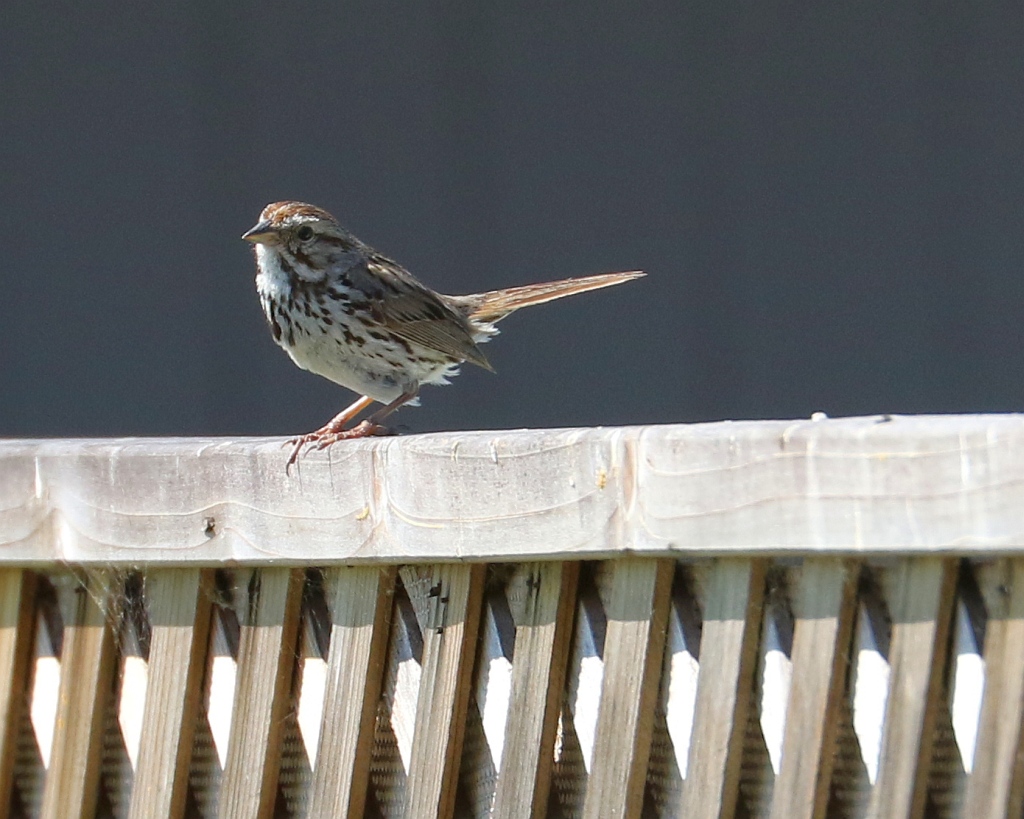
Song Sparrow visits from the Maliby Colony (R.Ehlers 4/26/15)
NOTE: Our 10 a.m. Parent’s & Kids Birdwalk meets at the shaded viewing area. Watch for Willie the Weasel.
Links: Unusual birds at Malibu Lagoon
9/23/02 Aerial photo of Malibu Lagoon
Prior checklists:
2014: Jan-July, July-Dec 2013: Jan-June, July-Dec
2012: Jan-June, July-Dec 2011: Jan-June, July-Dec
2010: Jan-June, July-Dec 2009: Jan-June, July-Dec
The 10-year comparison summaries created during the project period remain available on our Lagoon Project Bird Census Page. Very briefly summarized, the results unexpectedly indicate that avian species diversification and numbers improved slightly during the period Jun’12-June’14. [Chuck Almdale]
| Malibu Census 2015 | 11/23 | 12/28 | 1/25 | 2/22 | 3/22 | 4/26 |
| Temperature | 60-70 | 39-61 | 73-81 | 55-63 | 62-71 | 66-76 |
| Tide Lo/Hi Height | H+6.41 | L+1.70 | L+1.32 | H+4.51 | H+4.78 | L+0.58 |
| Tide Time | 0849 | 0903 | 0705 | 1137 | 1137 | 1131 |
| Brant | 3 | |||||
| Canada Goose | 1 | 30 | ||||
| Gadwall | 26 | 22 | 30 | 1 | 10 | |
| American Wigeon | 10 | 18 | 18 | |||
| Mallard | 2 | 10 | 12 | 12 | 12 | 8 |
| Northern Shoveler | 4 | 25 | 2 | |||
| Northern Pintail | 2 | 3 | ||||
| Green-winged Teal | 1 | 12 | 25 | 12 | ||
| Surf Scoter | 13 | 15 | ||||
| Bufflehead | 8 | 4 | 2 | 2 | ||
| Hooded Merganser | 4 | |||||
| Red-brstd Merganser | 25 | 25 | 4 | 2 | 2 | |
| Ruddy Duck | 36 | 42 | 38 | 35 | 30 | 4 |
| Red-throated Loon | 3 | 1 | 3 | |||
| Pacific Loon | 6 | 1 | 3 | |||
| Common Loon | 1 | 1 | 5 | |||
| Pied-billed Grebe | 1 | 8 | 2 | 1 | 2 | |
| Horned Grebe | 2 | 4 | 2 | 1 | 1 | 1 |
| Eared Grebe | 8 | 12 | 3 | 1 | ||
| Western Grebe | 12 | 2 | 5 | 15 | 12 | 2 |
| Brandt’s Cormorant | 2 | 130 | 1 | 4 | ||
| Dble-crstd Cormorant | 9 | 120 | 35 | 50 | 45 | 16 |
| Pelagic Cormorant | 1 | 1 | 1 | |||
| Brown Pelican | 32 | 95 | 50 | 28 | 27 | 1490 |
| Great Blue Heron | 4 | 3 | 2 | 2 | 1 | 2 |
| Great Egret | 4 | 4 | 2 | 10 | 5 | |
| Snowy Egret | 20 | 18 | 16 | 26 | 12 | 12 |
| Cattle Egret | 1 | |||||
| Osprey | 1 | 1 | 1 | 1 | ||
| White-tailed Kite | 1 | |||||
| Red-shouldered Hawk | 1 | 1 | ||||
| Red-tailed Hawk | 1 | 1 | 1 | |||
| American Coot | 100 | 135 | 88 | 145 | 45 | |
| American Avocet | 1 | |||||
| Blk-bellied Plover | 45 | 38 | 62 | 85 | 6 | 1 |
| Snowy Plover | 40 | 25 | 29 | |||
| Semipalmated Plover | 9 | |||||
| Killdeer | 1 | 17 | 12 | 12 | 3 | 2 |
| Spotted Sandpiper | 2 | 6 | 3 | 3 | 2 | 1 |
| Greater Yellowlegs | 1 | |||||
| Willet | 4 | 10 | 4 | 3 | 3 | 1 |
| Whimbrel | 1 | 1 | 4 | 4 | 10 | 12 |
| Long-billed Curlew | 1 | |||||
| Marbled Godwit | 3 | 12 | 12 | 10 | 8 | 2 |
| Ruddy Turnstone | 6 | 6 | 5 | 1 | ||
| Surfbird | 4 | |||||
| Sanderling | 32 | 28 | 8 | |||
| Dunlin | 1 | |||||
| Least Sandpiper | 1 | 15 | ||||
| Western Sandpiper | 45 | |||||
| Boneparte’s Gull | 2 | 1 | 12 | 6 | ||
| Heermann’s Gull | 1 | 18 | 17 | 1 | 6 | 350 |
| Ring-billed Gull | 60 | 65 | 150 | 90 | 3 | 30 |
| Western Gull | 81 | 230 | 170 | 95 | 3 | 110 |
| California Gull | 1500 | 1650 | 1600 | 40 | 600 | |
| Herring Gull | 1 | |||||
| Glaucous-wingd Gull | 3 | 5 | 4 | 1 | ||
| Caspian Tern | 10 | |||||
| Forster’s Tern | 3 | 2 | ||||
| Royal Tern | 22 | 42 | 35 | 15 | 4 | |
| Elegant Tern | 4 | 28 | 3100 | |||
| Rock Pigeon | 6 | 4 | 5 | 23 | 8 | |
| Mourning Dove | 3 | 2 | 2 | 2 | ||
| Anna’s Hummingbird | 1 | 1 | 2 | |||
| Allen’s Hummingbird | 4 | 2 | 3 | 6 | 4 | |
| Belted Kingfisher | 1 | 1 | ||||
| American Kestrel | 1 | 1 | ||||
| Peregrine Falcon | 1 | |||||
| Black Phoebe | 1 | 2 | 1 | 2 | 2 | 2 |
| Say’s Phoebe | 2 | 1 | ||||
| American Crow | 8 | 4 | 6 | 5 | 6 | |
| Common Raven | 2 | |||||
| Rough-wingd Swallow | 4 | 4 | ||||
| Barn Swallow | 2 | 6 | ||||
| Cliff Swallow | 2 | |||||
| Oak Titmouse | 1 | 1 | ||||
| Bushtit | 14 | |||||
| Blue-gray Gnatcatcher | 1 | |||||
| Ruby-crowned Kinglet | 2 | |||||
| Hermit Thrush | 2 | |||||
| American Robin | 1 | |||||
| Northern Mockingbird | 2 | 1 | 1 | 3 | 6 | |
| European Starling | 60 | 25 | 45 | 3 | 4 | 10 |
| Cedar Waxwing | 40 | |||||
| Common Yellowthroat | 2 | 4 | 3 | 3 | 2 | |
| Yellow Warbler | 1 | |||||
| Yellow-rumpd Warbler | 2 | 15 | 7 | 8 | 5 | |
| Townsend’s Warbler | 1 | |||||
| California Towhee | 1 | 3 | 2 | |||
| Savannah Sparrow | 3 | |||||
| Song Sparrow | 3 | 2 | 6 | 9 | 6 | |
| White-crwnd Sparrow | 35 | 4 | 12 | 10 | ||
| Western Meadowlark | 7 | 14 | 24 | 10 | 3 | |
| Great-tailed Grackle | 1 | 5 | 4 | 4 | ||
| Brwn-headed Cowbird | 4 | 4 | ||||
| House Finch | 4 | 4 | 12 | |||
| Lesser Goldfinch | 1 | 2 | 1 | |||
| Totals by Type | Nov | Dec | Jan | Feb | Mar | Apr |
| Waterfowl | 64 | 141 | 138 | 154 | 50 | 55 |
| Water Birds – Other | 166 | 516 | 187 | 247 | 144 | 1511 |
| Herons, Egrets & Ibis | 28 | 25 | 18 | 30 | 24 | 19 |
| Quail & Raptors | 2 | 5 | 2 | 2 | 1 | 1 |
| Shorebirds | 135 | 144 | 139 | 119 | 37 | 89 |
| Gulls & Terns | 151 | 1839 | 2035 | 1825 | 107 | 4213 |
| Doves | 0 | 6 | 7 | 7 | 25 | 10 |
| Other Non-Passerines | 1 | 4 | 3 | 3 | 7 | 7 |
| Passerines | 76 | 114 | 106 | 61 | 76 | 104 |
| Totals Birds | 623 | 2794 | 2635 | 2448 | 471 | 6009 |
| Total Species | Nov | Dec | Jan | Feb | Mar | Apr |
| Waterfowl | 4 | 9 | 9 | 10 | 7 | 5 |
| Water Birds – Other | 8 | 11 | 9 | 11 | 9 | 6 |
| Herons, Egrets & Ibis | 3 | 3 | 2 | 3 | 4 | 3 |
| Quail & Raptors | 2 | 5 | 2 | 2 | 1 | 1 |
| Shorebirds | 10 | 10 | 9 | 8 | 8 | 10 |
| Gulls & Terns | 6 | 7 | 7 | 6 | 7 | 10 |
| Doves | 0 | 1 | 2 | 2 | 2 | 2 |
| Other Non-Passerines | 1 | 1 | 2 | 1 | 2 | 3 |
| Passerines | 8 | 12 | 16 | 14 | 17 | 13 |
| Totals Species – 97 | 42 | 59 | 58 | 57 | 57 | 53 |
a
Walker Ranch Field Trip, April 11, 2015
We had perfect weather for the dozen people who came on this trip – sunny but not much beyond 70 degrees. The Acorn Woodpeckers were numerous and conspicuous and noisy, and also very busy. In addition to the trees they chose for acorn storage (trees that look like they have been machine-gunned with an acorn in every bullet hole) we found they had pounded holes in some of the glassed-in information cabinets, and there were piles of acorns inside.
We had good looks at four different warblers with an exceptionally lemon-yellow Wilson’s Warbler taking the prize. We found two Bushtit nests hanging like dirty hiking socks in the oak trees, and several active Acorn Woodpecker holes. Chris, Don and Ann found and, after long discussion, identified a Hammond’s Flycatcher. The more common Pacific Slope Flycatchers were calling but we only spotted one.
We came up short on raptors with only one red-tail. A few people saw the Western Tanager. We all saw the colorful Black-headed Grosbeaks and Spotted Towhees. All things considered, it was a very good outing. Nobody brought a camera – you had to be there.
Red-tailed Hawk.
Mourning Dove.
Anna’s Hummingbird.
Allen’s Hummingbird
Acorn Woodpecker.
Nuttall’s Woodpecker.
Hairy Woodpecker.
Hammond’s Flycatcher.
Pacific-slope Flycatcher.
Steller’s Jay.
Western Scrub-Jay.
Common Raven.
Phainopepla.
Western Bluebird.
House Wren.
Bushtit.
Wrentit.
Oak Titmouse.
House Finch.
Yellow-rumped Warbler.
Black-throated Grey Warbler.
Townsend’s Warbler.
Wilson’s Warbler.
Spotted Towhee.
California Towhee.
Western Tanager.
Black-headed Grosbeak.
SEA LION STRANDINGS 2015: A RECORD YEAR

In an average year, approximately 200 California Sea Lion pups would strand, (lose the company of their mother and end up stranded on a beach alone). So far this year, that number is in the thousands – and it’s still early. Rescue groups are at full capacity and are being forced to make heart-breaking decisions – which pups to save and which to euthanize because of lack of space and resources for rehabilitation or medical needs. But sea lions are not the only ones suffering, sea and shore birds are also in trouble.
There are two main reasons for this being cited by scientists: the first is warming oceans that are driving prey further afield, sending mother sea lions further away from their pups to hunt. This leaves the pups vulnerable and without food for longer and longer stretches of time. As they begin to starve, they leave the Channel islands where they are born, usually to end up stranded or dead.
The second reason also has to do with the food supply: west coast fishing managers have long been concerned with the depletion of forage fish (sardines, anchovies, sivversides, smelt, etc.) Commercial fishing operations are fishing them to near extirpation levels on the west coast.
BUT – unlike with warming oceans, there is good news regarding forage fish: on March 10th, the Pacific Fishery Management Council voted to prohibit fishing of dozens of these species. This should certainly help the sea lions and marine birds who depend on them for food in future years.
But what about this year? There IS something you can do: Report any marine mammal or shore bird strandings to a rescue organization (see below) and if you can, donate to one of these groups to help provide much needed food and medications – crucially important this year, when numbers are so high. Even small amounts will make a difference.
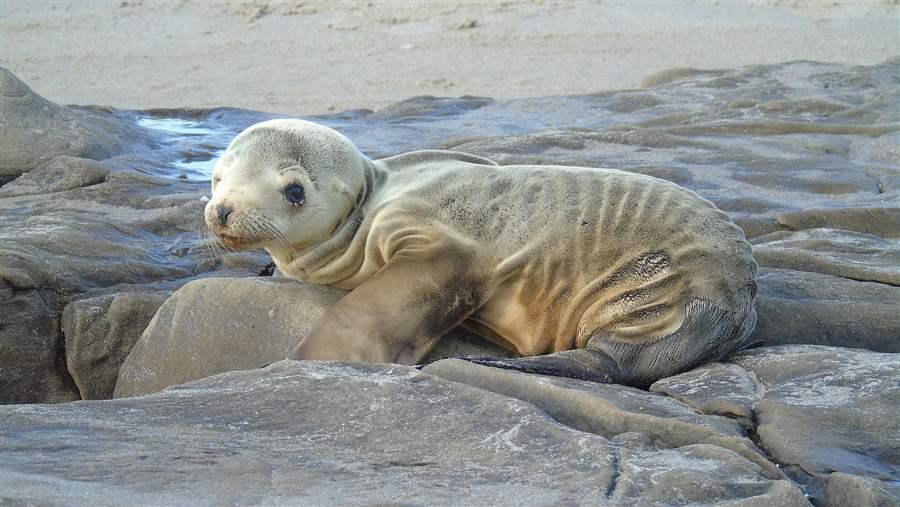
The California Stranding Network 1-866-767-6114 will connect you to your closest rescue organization so you can report a stranding, and if possible, they will send someone to rescue and tend to the stranded animal.
You can also click the Bird and Marine Mammal Rescue link at the top of this page to find local Santa Monica Bay rescue groups.
Laurel Jones, Education Chair
More on the Mar Vista Gardens, …and SM Bay Audubon
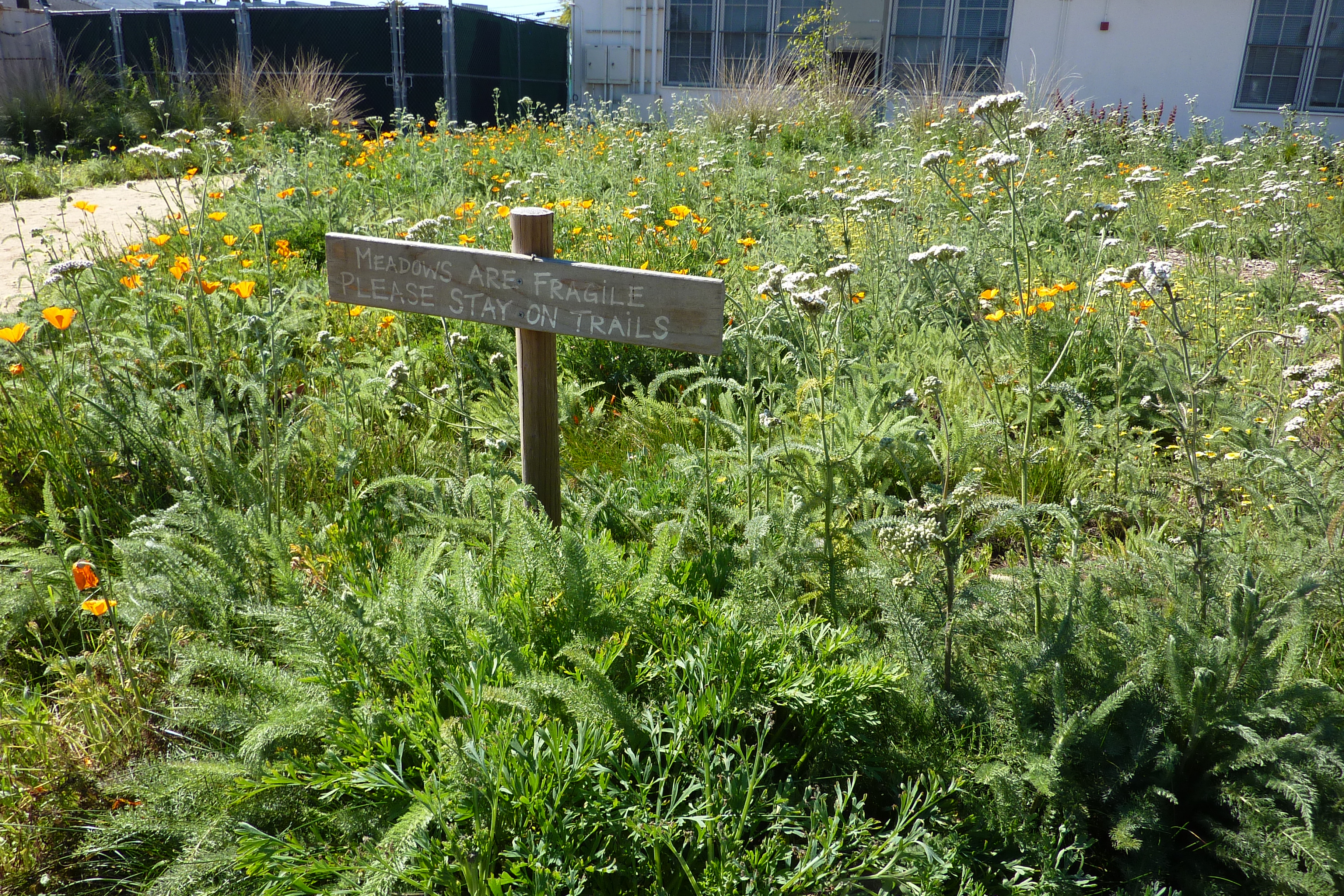 greengarden_2015 I received the Walgrove Elementary School Wildlands invitation a little later than the others. But wait! They will not only have their flowering native-plant garden on display, but will be culling poppy seeds for next year, will have Andy & Kate Lipkis founders of Tree People as special guests, will inaugurate the student bench structure… Lots of excitement!
We as the local Audubon chapter are proud to be major funders of this volunteer-driven effort. Our partners, parent volunteers Zara Bennett, Emiko Kuwata, Clare Carey, and landscape designer Ryan Drnek have also had hands-on support (including weeding!) from Principal Olivia Adams. Just drop in or come for the program. These are great people doing a fantastic job that needs more recognition.
…More to come!
http://marvistagreengardenshowcase.blogspot.com/2011/03/walgrove-elementary-and-ocean-charter.html
LucienP
Photos for Malibu Lagoon March 22, 2015
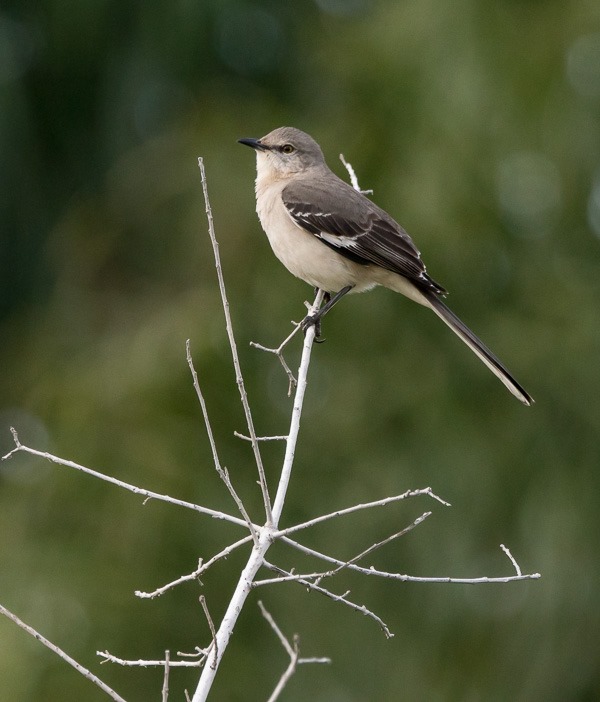
Northern Mockingbird, Mimus polyglottos.
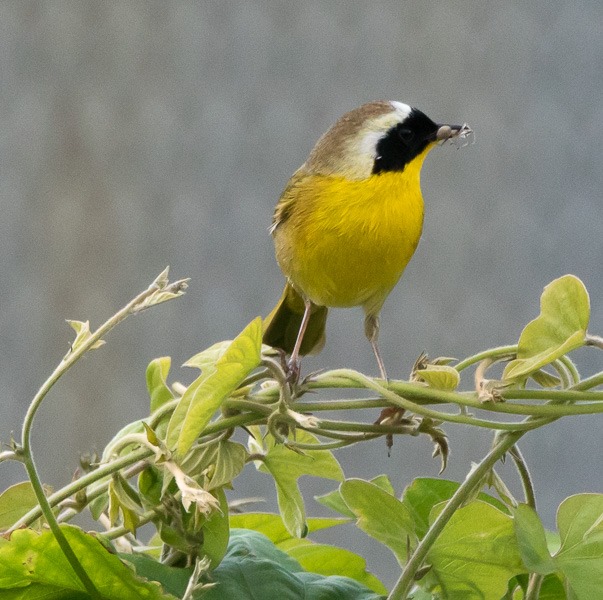
Common Yellowthroat, Geothlypis trichas. This bird is a skulker and difficult to see well. Luckily it was so overjoyed with the capture of a spider it came out of the vines to show off.
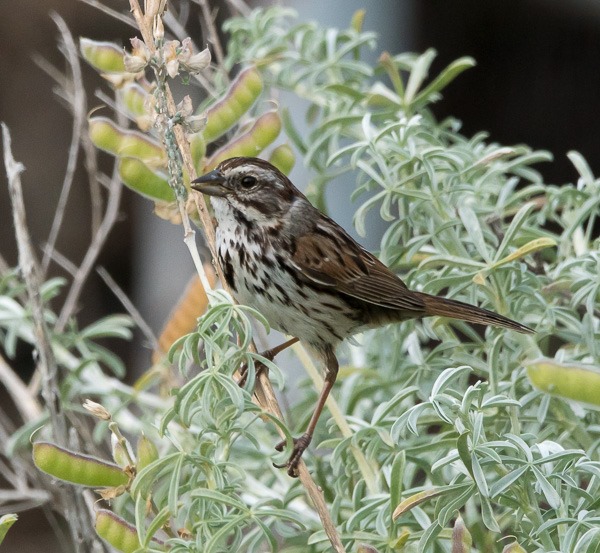
Song Sparrow, Melospiza melodia. These were everywhere, singing. Spring arrived around dinner time two days ago, and the joint was jumping.
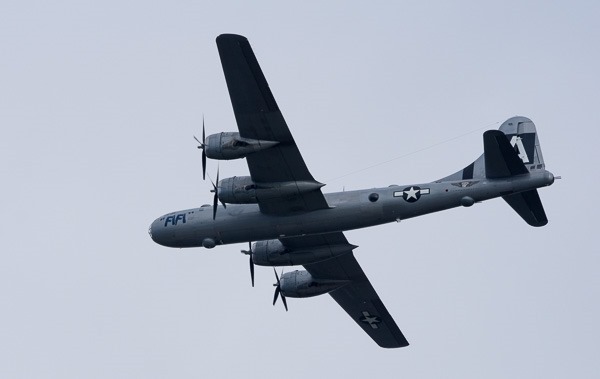
Sometimes we get an Osprey flyover, or maybe a Merlin or a Peregrine. This is FiFi, one of the few remaining B-29 Superfortresses and the only one currently flying. She was built in 1944, never flew in battle, and was retired in 1958. Today she is owned by the Commemorative Air Force and appears at air shows. More at Wikipedia.
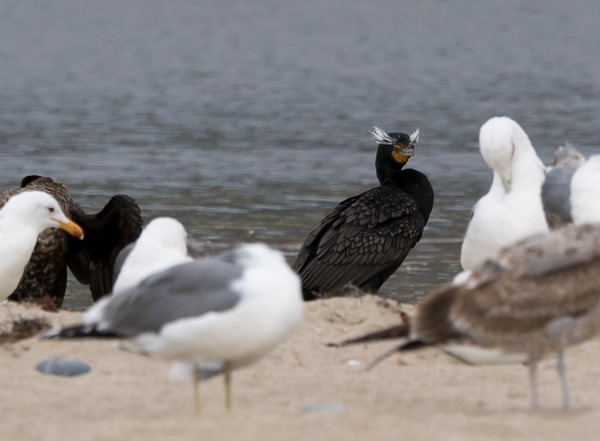
Speaking of Spring, here is why they named this cormorant the Double-crested (Phalacrocorax auritus). Those white feathers on the head are only around in breeding season. The nuptial crests keep the other cormorant species from getting rude with Double-crests but one can only wonder what would happen if a Double-crest should meet a Rockhopper Penguin at the wrong time.
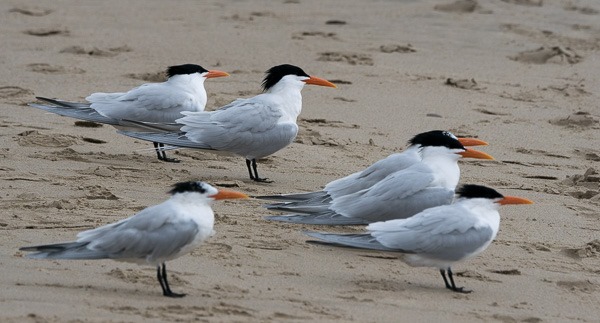
Royal Terns, Thalasseus maximus. We had them mixed in with Elegant Terns today which made identification easy. For once.
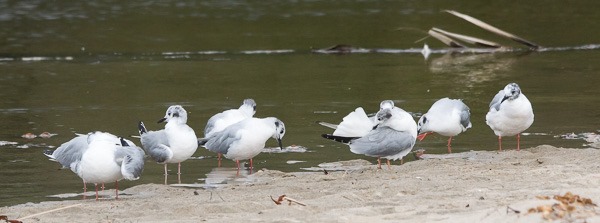
Bonaparte’s Gulls, Chroicocephalus philadelphia. These are caught half-way between winter and summer plumage when the head is all-black.
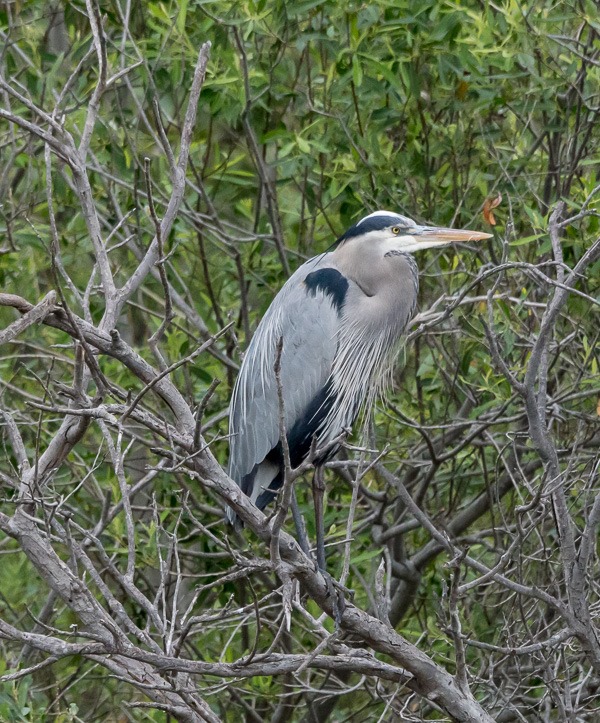
Great Blue Heron, Ardea herodias. The water level in the lagoon was exceptionally high, nearly 8 feet, and the long-legged waders found it too deep. This bird was up Malibu Creek and even there it couldn’t find a place to fish. The next breach in the berm may come from hungry herons.



 SANTA MONICA BAY AUDUBON SOCIETY BLOG