Free email delivery
Please sign up for email delivery in the subscription area to the right.
No salesman will call, at least not from us. Maybe from someone else.
[Posted by Chuck Almdale]
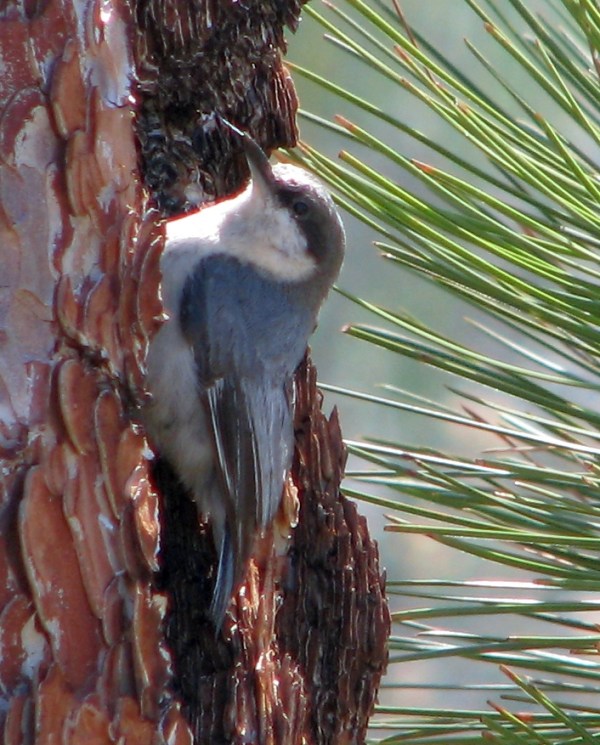
This is an amusing and interesting tale of a who-done (or didn’t)-it, and why. It addresses one example of that pair of difficult and gutwrenching problems which all birders share when it comes to TV and movies: What bird is that? and What is that bird doing there? Let me know if you can’t link to it.
https://slate.com/culture/2025/05/birds-movies-charlies-angels-2000-pygmy-nuthatch.html
[Posted by Chuck Almdale]
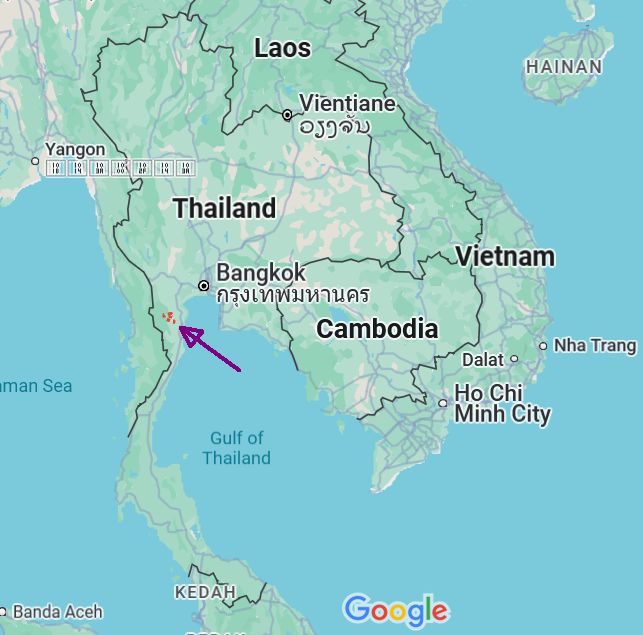
Femi Faminu, who frequently birds with (and without) us at Malibu Lagoon and elsewhere, recently returned from Thailand, where the birdlife is significantly different from South America, Africa, and even Southern California. Among the birdlife in her film I counted six bird families you’ll never see in SoCal, plus several primate species also absent here. Lunch will be supplied on the clifftop.
Enjoyable and colorful as always.
If you go here https://www.youtube.com/@femif9792 you can see her many other films.
Banding Birds at Bear Divide | 9 May 2025
[Posted by Chuck Almdale, photos by Elyse Jankowski]
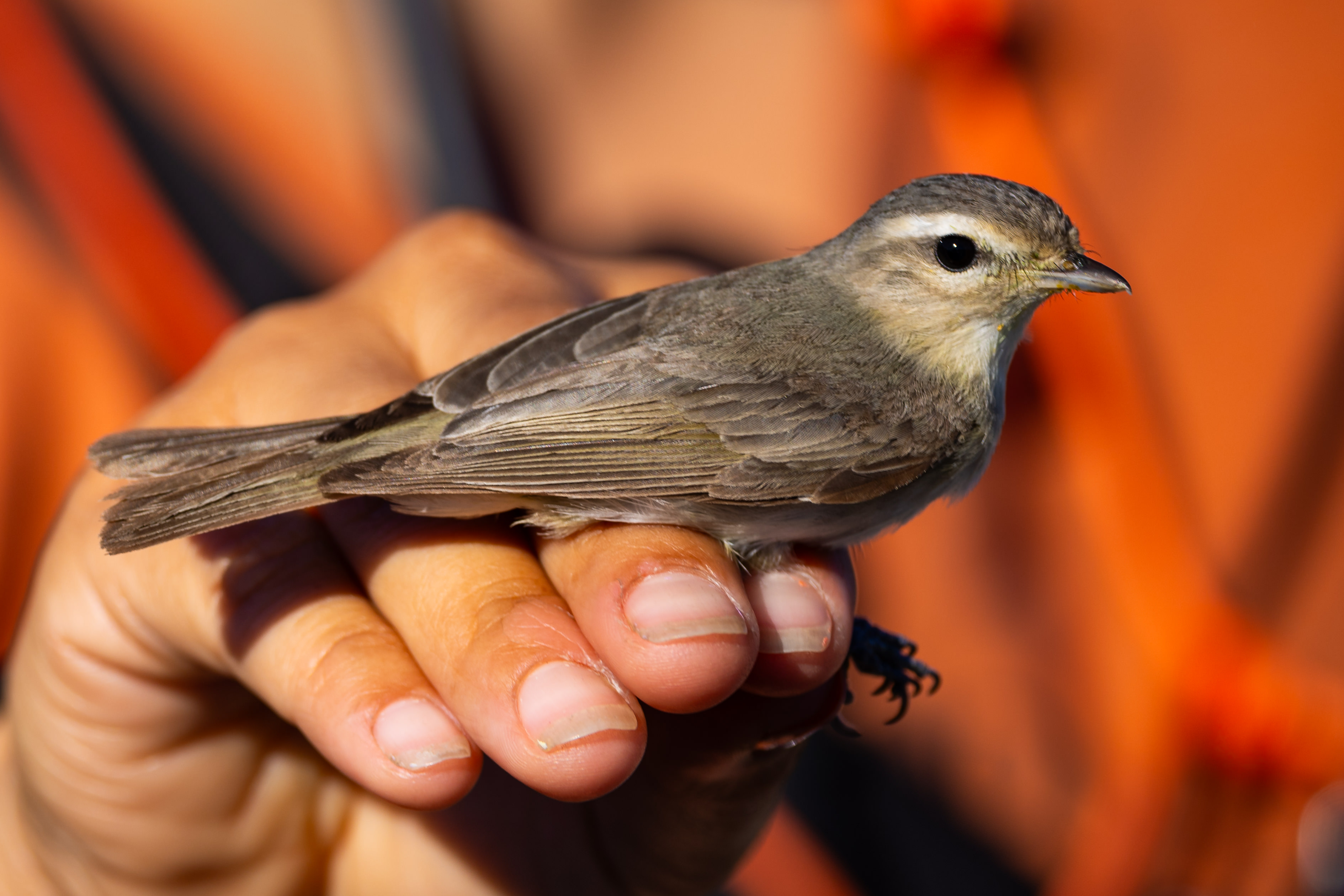
When we went to Bear Divide on 3 May, it was very foggy and the banding operation was canceled for the day and for the following few days as well. We had fun and during the birding party that ensued we managed to see some fogbirds…but still, no bird-in-the-hand banding.
Elyse Jankowski and Stephanie Salwen went back a few days later. The weather was better, the sky was clear, the banders were banding and the birds themselves graciously cooperated by flying into the mist nets.
Follow this link to Elyse’s collection of photos. Birds seen (in alphabetical order): Lazuli Bunting, Black-headed Grosbeak, Costa’s Hummingbird, Sagebrush Sparrow, Warbling Vireo, Hermit Warbler (at Placerita Canyon), MacGillivray’s Warbler, Nashville Warbler, and Yellow Warbler. You get to figure out which is which.
Banding season is either over or close to it. But they’ll be back next year.
Visit their website for information.
Audubon Action Alerts
[Posted by Chuck Almdale]
The good folks at California Audubon and National Audubon wants you to read and act on these two messages.
Add Your Name: Oppose Efforts to Undermine the Endangered Species Act
The Endangered Species Act (ESA) protects the habitat of threatened and endangered species, but a proposal is pending that would weaken the law.
The proposed rule to remove the definition of harm under Endangered Species Act regulations could be devastating to a vast number of birds and other wildlife by weakening protections for habitat. Bird populations are in decline, with a loss of three billion birds in North America since 1970, and numerous species of birds are now protected under the ESA, primarily due to habitat loss.
This proposed rule could open the door to habitat loss for some of our most vulnerable species and discourage proactive measures, making it harder for species to recover.
Add your name [by clicking the above link] to support Audubon in opposing the harmful proposal to undermine the Endangered Species Act.

Take Action to Protect Habitat for Birds and People
Many birds depend on urban areas for nesting, migration, and wintering habitat. At a time when habitat loss threatens the health of bird populations and our communities, conserving and improving urban habitats is essential to a healthy future for birds and people. The Local Communities and Bird Habitat Stewardship Act would benefit these habitats by improving local parks, reducing hazards to birds in urban environments—such as collisions with buildings—and engaging communities with birds and nature.
Act now [by clicking the above link] and urge your U.S. Representative to support the Local Communities and Bird Habitat Stewardship Act.
The recording of this program from 6 May 2025 is now available online.

Dark-eyed Juncos (Junco hyemalis) have become prolific in Californian urban spaces, which makes them a model species to study urban adaptation. Joey Di Liberto and Suu Zhou will discuss their recent two years of research on how juncos are shifting crucial behavioral responses while living in urban environments. While it is known that urban populations of Dark-eyed Juncos’ exhibit altered territorial aggression compared to montane counterparts, we recently found that discrete populations in different urban areas, as well as in a non-urban area, show differing aggressive responses. Additionally, Dark-eyed Juncos have been found to have reduced flight initiation distance and fear response in urban spaces, but little work has focused on how these behavioral responses vary across the birds’ annual cycle. New research indicates that the juncos’ breeding phenology may not have a direct impact on their fear response, but there are signs that the specific time of year, among other variables, may instead impact their flight initiation distance. This research allows us to gain key insights on how wildlife may be affected by human activity, and how they may be adapting their behavior to thrive in the city.
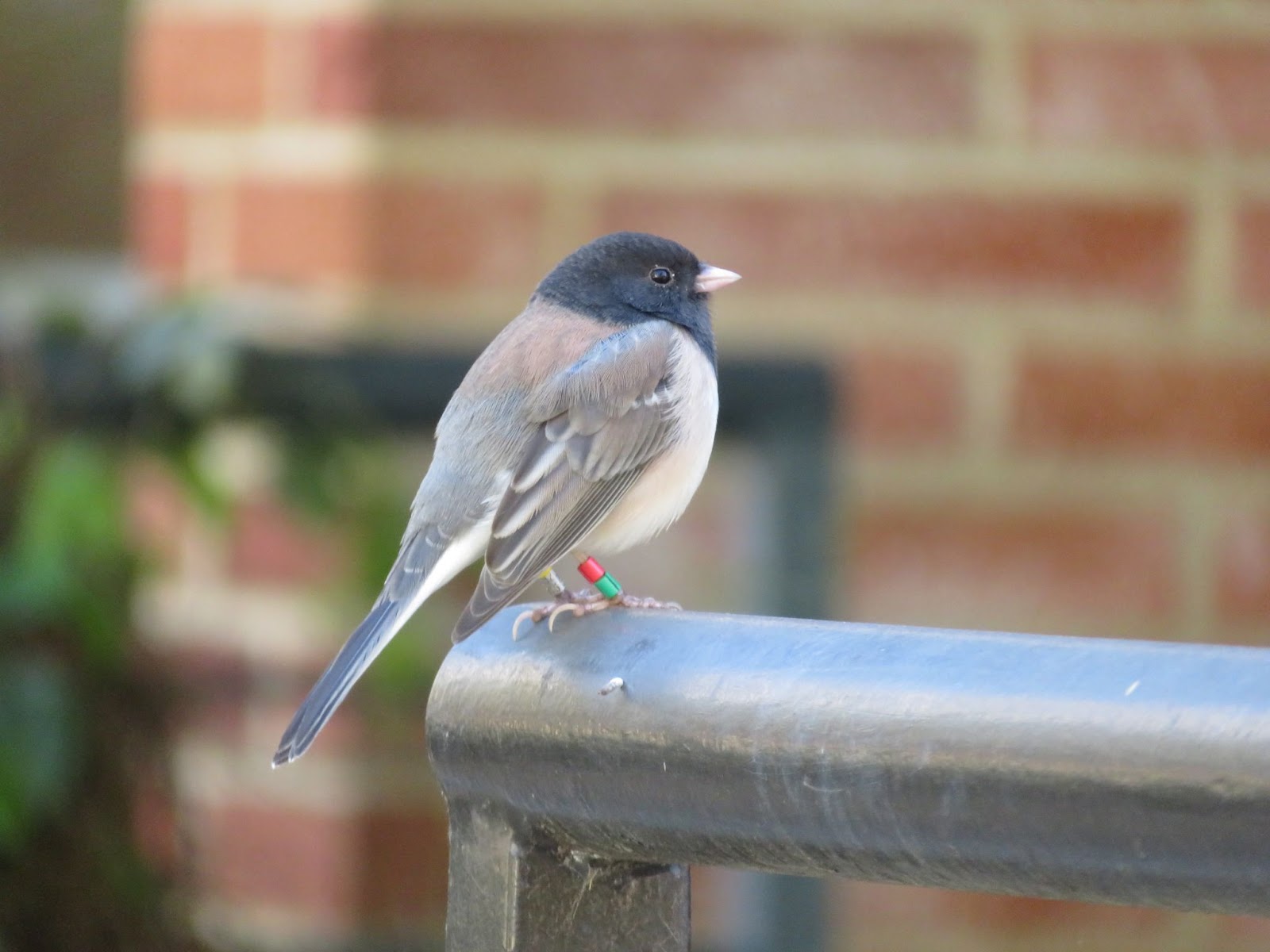
Joey Di Liberto is a second year PhD student in the Yeh Lab. He attended UC San Diego for his Bachelors and The College of William and Mary for his Masters; both in the field of Biology. His work broadly seeks to understand how birds on the front lines of anthropogenic changes adapt and change in response. When not birding, you can find him jamming out on his trumpet, hiking, or listening to music. His favorite bird is the Satin Bowerbird.
Suu Zhou is a second year MS student in the Yeh Lab. They attended Mount Holyoke College, where they majored in Biology. Their research focuses on seasonal changes in urban Junco behavior. Their hobbies include birding (of course), reading, and their favorite bird is the Steller’s Jay.
Link to all SMBAS Zoom Recordings




 SANTA MONICA BAY AUDUBON SOCIETY BLOG