Free email delivery
Please sign up for email delivery in the subscription area to the right.
No salesman will call, at least not from us. Maybe from someone else.
Malibu Lagoon Field Trip Report, 22 May, 2011
Despite the oft-predicted and much-vaunted “End of the World” and/or “Day of Judgment”, Saturday, May 21 was no more noteworthy than usual for a Saturday in May, or for a Day of Judgment, for that matter. I think there’s been several dozen such days in the past 150 years, and so far…well, I hope none of you were surprised or disappointed by the lack of events. My absence caused a momentary riffle of consternation that I’d been raptured, an unlikely event under any scenario, but actually we were at the Grand Canyon, which is close enough to rapture for me. We saw a condor there, #246, very low overhead, much to our delight.
As a result, on Sunday, May 22, the coast was clear for some good ol’ Malibu Lagoon birding, led by the able and energetic Lucian, who supplied this report. Fourteen friendly people attended including a few new faces. Apparently Spring migration is almost complete, with few seasonal birds in attendance. The general species count was low, as were the number of beach people. There weren’t even many surfers. The outlet is currently a well-behaved stream, exiting far to the east near the lifeguard tower closest to the pier, but not endangering the riprap wall of the Adamson House. The beach berm is vegetated mostly with Sea Rocket and the sand mound is high and at least 100 feet deep. The Snowy Plover virtual fencing has been removed and – as last month – we saw no Snowies.
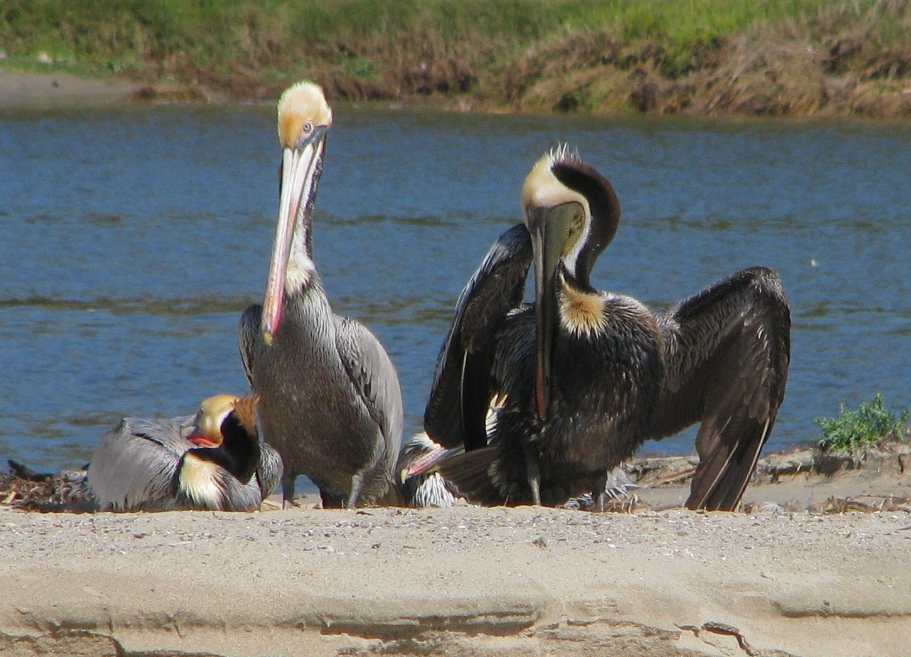
Brown Pelican adult and sub-adult (C.Almdale)
Gull count was extremely low; the Brown Pelicans were down to a more typical number. The most surprising sighting, surprisingly enough, was 7 Great-tailed Grackles. This species has been present at the lagoon 65 times since they first showed up in April 1995 and, except for 25 birds on 8/27/06, we’ve never seen more than 6 at a time. [OK, OK, 1 more than 6 doesn’t amount to much more, I admit.]
After birding the marsh and the beach for about two hours, a few hardy souls drive up to the Pepperdine reclamation ponds, but no new species were found.
As a reminder to those who plan to come to our 10 a.m. Parent’s & Kids birdwalk, they meet at the beach trail footbridge closest to the parking lot.
Check out our new blog page created especially for Unusual Birds at Malibu Lagoon, the permanent location for pictures of our uncommon birds. Look for other new pages coming in the future. For prior period bird lists, follow these links to July-Dec ’10, Jan-June ’10, Jul-Dec ‘09, and Jan-June ‘09. For an aerial photo of the lagoon (9/23/02), go here. [Lucien Plauzoles & Chuck Almdale]
| Malibu Census 2011 |
23-Jan |
27-Feb |
27-Mar |
24-Apr |
22-May |
|
Temperature |
68-75 |
45-60 |
54-61 |
59-68 |
64-68 |
|
Tide Height |
+4.94 |
-0.41 |
+0.05 |
+0.19 |
-0.13 |
|
Low/High &Time |
H:1117 |
L:1243 |
L:1216 |
L:1014 |
L:0816 |
| Canada Goose |
6 |
||||
| Gadwall |
15 |
22 |
32 |
24 |
3 |
| American Wigeon |
4 |
||||
| Mallard |
24 |
24 |
30 |
22 |
48 |
| Northern Shoveler |
4 |
2 |
|||
| Green-winged Teal |
12 |
17 |
10 |
2 |
|
| Surf Scoter |
8 |
8 |
|||
| Bufflehead |
5 |
2 |
|||
| Red-brstd Merganser |
6 |
8 |
4 |
||
| Ruddy Duck |
40 |
33 |
15 |
3 |
|
| Pacific Loon |
1 |
1 |
15 |
20 |
|
| Common Loon |
1 |
1 |
|||
| Pied-billed Grebe |
3 |
2 |
1 |
||
| Horned Grebe |
1 |
||||
| Eared Grebe |
3 |
||||
| Western Grebe |
6 |
12 |
20 |
2 |
|
| Brandt’s Cormorant |
1 |
3 |
|||
| Dble-crstd Cormorant |
57 |
37 |
90 |
19 |
46 |
| Pelagic Cormorant |
4 |
3 |
1 |
2 |
|
| Brown Pelican |
42 |
23 |
89 |
740 |
81 |
| Great Blue Heron |
2 |
1 |
1 |
4 |
1 |
| Great Egret |
1 |
1 |
1 |
||
| Snowy Egret |
8 |
9 |
5 |
11 |
3 |
| Blk-crwnd N-Heron |
1 |
1 |
2 |
||
| Turkey Vulture |
3 |
||||
| Osprey |
1 |
1 |
1 |
1 |
|
| Cooper’s Hawk |
1 |
||||
| Red-tailed Hawk |
1 |
2 |
2 |
||
| Peregrine Falcon |
1 |
||||
| Virginia Rail |
1 |
1 |
1 |
1 |
|
| Sora |
4 |
3 |
4 |
||
| American Coot |
145 |
175 |
153 |
32 |
25 |
| Blk-bellied Plover |
1 |
65 |
3 |
||
| Snowy Plover |
60 |
59 |
42 |
||
| Semipalmated Plover |
25 |
||||
| Killdeer |
3 |
4 |
2 |
8 |
2 |
| Black Oystercatcher |
1 |
||||
| American Avocet |
4 |
||||
| Spotted Sandpiper |
2 |
2 |
1 |
||
| Willet |
1 |
7 |
3 |
||
| Whimbrel |
1 |
5 |
1 |
3 |
|
| Ruddy Turnstone |
5 |
||||
| Sanderling |
135 |
||||
| Western Sandpiper |
2 |
12 |
|||
| Least Sandpiper |
10 |
18 |
20 |
25 |
|
| Short-billd Dowitcher |
1 |
||||
| Boneparte’s Gull |
13 |
4 |
2 |
1 |
|
| Heermann’s Gull |
62 |
3 |
|||
| Mew Gull |
1 |
||||
| Ring-billed Gull |
120 |
250 |
50 |
52 |
16 |
| Western Gull |
100 |
120 |
100 |
160 |
10 |
| California Gull |
2500 |
1050 |
1100 |
450 |
8 |
| Herring Gull |
1 |
||||
| Glaucous-wingd Gull |
2 |
3 |
2 |
||
| Caspian Tern |
5 |
61 |
4 |
||
| Forster’s Tern |
1 |
1 |
|||
| Royal Tern |
3 |
||||
| Elegant Tern |
4 |
12 |
12 |
||
| Black Skimmer |
3 |
3 |
|||
| Rock Pigeon |
5 |
4 |
2 |
4 |
8 |
| Eur. Collared-Dove |
1 |
||||
| Mourning Dove |
2 |
2 |
4 |
1 |
|
| Anna’s Hummingbird |
3 |
2 |
2 |
2 |
1 |
| Rufous Hummingbird |
1 |
||||
| Allen’s Hummingbird |
6 |
3 |
4 |
2 |
4 |
| Belted Kingfisher |
1 |
1 |
1 |
||
| Black Phoebe |
4 |
5 |
12 |
8 |
4 |
| Say’s Phoebe |
1 |
1 |
|||
| Western Kingbird |
2 |
||||
| American Crow |
6 |
4 |
6 |
5 |
3 |
| Rough-wingd Swallow |
2 |
16 |
2 |
||
| Tree Swallow |
8 |
1 |
|||
| Violet-green Swallow |
1 |
||||
| Barn Swallow |
1 |
3 |
10 |
8 |
|
| Cliff Swallow |
1 |
31 |
|||
| Bushtit |
9 |
6 |
4 |
||
| Bewick’s Wren |
2 |
1 |
2 |
||
| House Wren |
1 |
||||
| Marsh Wren |
1 |
||||
| Northern Mockingbird |
1 |
2 |
1 |
2 |
2 |
| California Thrasher |
2 |
||||
| European Starling |
35 |
40 |
|||
| Ornge-crwnd Warbler |
1 |
||||
| Yellow-rumpd Warbler |
6 |
2 |
8 |
4 |
|
| Common Yellowthroat |
4 |
2 |
3 |
6 |
2 |
| California Towhee |
1 |
1 |
1 |
||
| Savannah Sparrow |
5 |
||||
| Song Sparrow |
8 |
8 |
12 |
10 |
4 |
| White-crwnd Sparrow |
4 |
3 |
2 |
||
| Red-winged Blackbird |
1 |
4 |
6 |
1 |
2 |
| Great-tailed Grackle |
1 |
2 |
7 |
||
| Brwn-headed Cowbird |
3 |
3 |
|||
| House Finch |
5 |
3 |
20 |
10 |
8 |
| Lesser Goldfinch |
4 |
4 |
1 |
4 |
|
| American Goldfinch |
8 |
||||
| Totals by Type |
Jan |
Feb |
Mar |
Apr |
May |
| Waterfowl |
106 |
126 |
99 |
51 |
51 |
| Water Birds-Other |
267 |
257 |
376 |
820 |
152 |
| Herons, Egrets |
11 |
12 |
7 |
16 |
6 |
| Quail & Raptors |
2 |
0 |
6 |
3 |
3 |
| Shorebirds |
82 |
301 |
71 |
74 |
5 |
| Gulls & Terns |
2785 |
1440 |
1270 |
743 |
51 |
| Doves |
7 |
4 |
4 |
9 |
9 |
| Other Non-Pass. |
10 |
6 |
8 |
4 |
5 |
| Passerines |
70 |
81 |
94 |
83 |
122 |
| Totals Birds |
3340 |
2227 |
1935 |
1803 |
404 |
| Total Species |
Jan |
Feb |
Mar |
Apr |
May |
| Waterfowl |
7 |
10 |
6 |
4 |
2 |
| Water Birds-Other |
11 |
9 |
11 |
9 |
3 |
| Herons, Egrets |
3 |
4 |
3 |
3 |
3 |
| Quail & Raptors |
2 |
0 |
3 |
2 |
3 |
| Shorebirds |
8 |
10 |
7 |
6 |
2 |
| Gulls & Terns |
6 |
7 |
9 |
9 |
6 |
| Doves |
2 |
1 |
2 |
3 |
2 |
| Other Non-Pass. |
3 |
3 |
4 |
2 |
2 |
| Passerines |
17 |
15 |
18 |
17 |
16 |
| Totals Species – 95 |
59 |
59 |
63 |
55 |
39 |
L.A. County Breeding Bird Atlas: Sponsor a Bird!
To All: We’re sending you this message on behalf of Larry Allen, local birder extraordinaire (especially gulls), who has indefagitably labored for years getting the Los Angeles County Breeding Bird Atlas organized, censused, collated and soon, very very soon, off to the printer. Lillian and I sponsored the Burrowing Owl page, but there are still species available for you! I encourage everyone to help the book, help the birds and help Larry get this book out.
[Chuck Almdale]
**********************************
What is faster than a speeding hummingbird, with more impact than a Peregrine hitting its prey?
You guessed it — a Breeding Bird Atlas Species Sponsorship! They are going fast, and your $100 tax-deductible donation will have an impact now more than ever as we near the final publication of our Los Angeles County Breeding Bird Atlas. Of 246 birds addressed in the Species Accounts, only 53 remain unsponsored. Here are our orphans, crying for your help:
| Fulvous Whistling Duck | Western Wood-Pewee |
| Mute Swan | Willow Flycatcher |
| [Ringed Teal] | Gray Flycatcher |
| Gadwall | Dusky Flycatcher |
| Northern Shoveler | Ash-throated Flycatcher |
| Redhead | Gray Vireo |
| Ring-necked Pheasant | Plumbeous Vireo |
| [Wild Turkey] | Cassin’s Vireo |
| [Brandt’s Cormorant] | Purple Martin |
| [American Bittern] | Tree Swallow |
| [Great Egret] | Northern Rough-winged Swallow |
| [Snowy Egret] | [Bank Swallow] |
| [Bald Eagle] | Golden-crowned Kinglet |
| [Clapper Rail] | Blue-gray Gnatcatcher |
| Virginia Rail | [Common Myna] |
| Common Moorhen | Nashville Warbler |
| Caspian Tern | Virginia’s Warbler |
| Royal Tern | [Hooded Warbler] |
| African Turtle-Dove | Chipping Sparrow |
| Eurasian Collared-Dove | Lincoln’s Sparrow |
| Inca Dove | Yellow-headed Blackbird |
| Common Ground-Dove | Brewer’s Blackbird |
| Blue-crowned Parakeet | Great-tailed Grackle |
| White-winged Parakeet | Brown-headed Cowbird |
| White-fronted Parrot | European Goldfinch |
| Blue-fronted Parrot | Pine Siskin |
| Yellow-headed Parrot |
[Bracketed birds are: post-Atlas, historical, and island-breeding species, and will not have maps].
Don’t miss out! Order through Los Angeles Audubon’s website:
www.losanglelesaudubon.org
Click on Online Nature Store on right side of screen, then on Sponsor a Breeding Bird Species at the top.
Or, call Audubon House (323-876-0202), or send your check for $100 to Los Angeles Audubon (P. O. Box 931057, Los Angeles, CA 90093-1057) to sponsor your species. As an added bonus, Species Sponsors receive a free Atlas t-shirt, but these are limited in supply as well, so please sponsor now! (And watch this space for the announcement of a special pre-publication price on the Atlas volume.)
Larry Allen
Atlas Project Coordinator
Field Trip Report: Solstice Canyon, 7 May, 2011
The lovely riparian environment of Solstice Canyon greeted us with the Canyon Sunflower, California Towhees, Spotted Towhees, Wrentits, and this time, several Orange-crowned Warblers. Each one of these species offered their own variety of the trill. It either became confusing or the repetition helped people learn to distinguish the songs.
With the Canyon Sunflower (yellow center) on the moist side and the Bush Sunflower (brown center) on the dry side of the trail we could easily separate the two species.
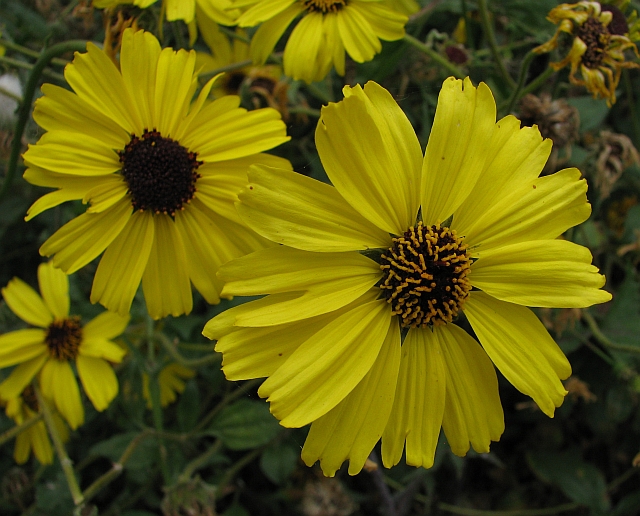
Bush Sunflower (C.Almdale 5/11)
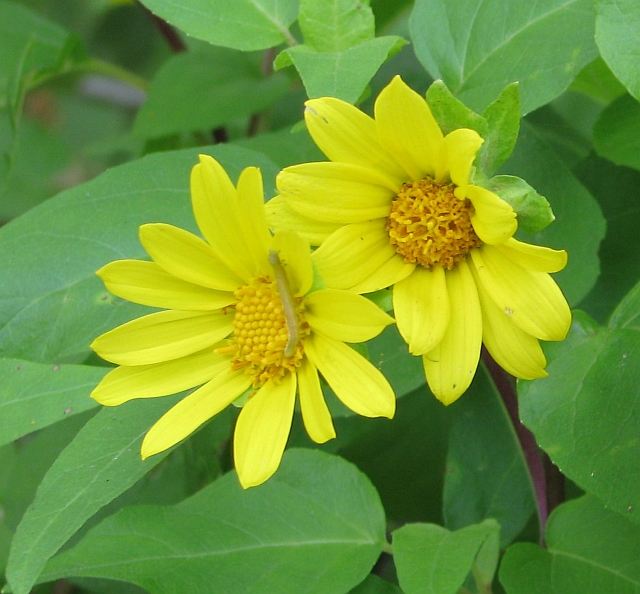
Canyon Sunflower - abundant this year (C.Almdale 5/11)
Margaret Huffman reminded us that there are only 3 rivers in the Santa Monica Mountains that have water during the Summer, and Solstice is one of them (Cold Creek & Malibu Creek are the others). Near the river we saw and heard a lot of Lesser Goldfinches and Pacific-slope Flycatchers. I didn’t realize that the California Bay trees need to be near the water which is why we see so many of them at Solstice.
When we made the big right turn to go up to the house, the Sycamore tree at the corner was still being used as a granary by the Acorn Woodpeckers.

Female Nuttall's Woodpecker at nest-hole (J.Kenney 5/11)
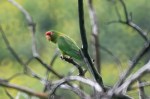
A little further up the trail we found the nests of an Acorn family and a Nuttall’s Woodpecker family. The last fire occurred in 2007 and it looks like the trees that died are just right for woodpeckers. Perhaps we can look forward to more nests. Along the slope towards the house, we could see Purple Sage, Black Sage and one White Sage and we managed to see Red-tailed Hawks & a Northern Flicker. The racket from the Black-hooded Parakeets was deafening but we were rewarded with the sighting of two Mitred Parakeets among the group.
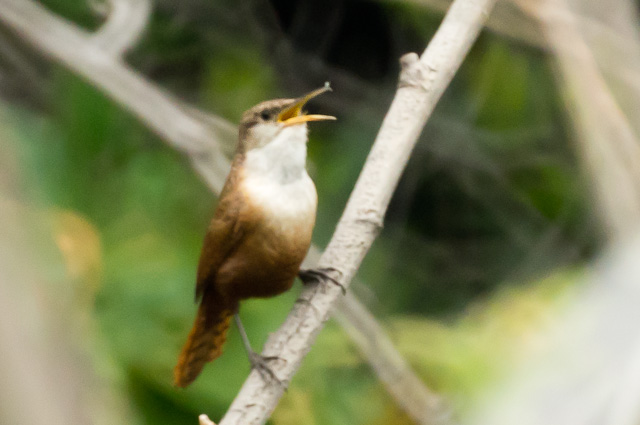
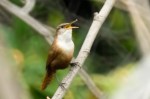
Canyon Wren singing downstream of burned house (C.Bragg 5/11)
**** **** A Canyon Wren responded to our tape and perched in the branches of a dead tree for quite a while. We got the 4 most likely Hummingbirds: Anna’s, Allen’s, Costa’s, & Black-chinned. Common Yellowthroats, Black Phoebes, Bushtits, Dark-eyed Juncos, Song Sparrows, Bewick’s Wrens, Western Scrub Jays, Black-headed Grosbeaks all made their appearances. The House Wrens serenaded us all the way up the slope. At the top where the house is we saw the Hooded Orioles among the palms and heard another Canyon Wren. The surprises were: Brown Pelican (a lot of them are being seen this year along our coast), California Thrasher (which I wish we could count on more often), White-breasted Nuthatch, Red-shouldered Hawk, and Phainopepla. On our way back, we could hear the Purple Finch but it took a long time to spot it in the granary Sycamore. We did see some Crows, Ravens, a Starling, an unknown empidonax flycatcher, and a Brown-headed Cowbird.
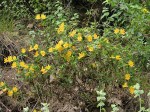
The butterflies must have felt it was not warm enough because we hardly saw any today but the flowers were great. The yellow Bush Monkey-Flowers were growing in large patches and we got a first in this canyon: the Fringed Indian Pink. [Jean Garrett]
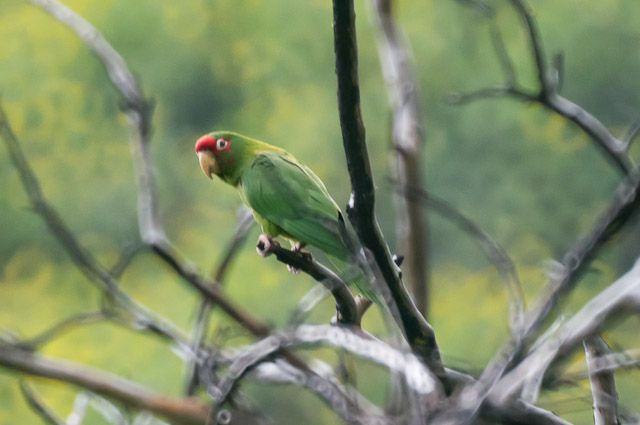
Mitered Parakeet (C.Bragg 5/11)
Parakeets: We were about 5 minutes walk below the burned house when a pair of Black-hooded Parakeets flew by, loudly squawking. I squawked back at them and – surprisingly – they lit in a nearby dead bush. We squawked some more and two more flew in and landed. These parakeets (all parakeets have long pointed tails) had red faces so they were something different. One had a bit of red on the forehead (see photo); on the other the red spread from the crown to behind the eye and below the bill. They both had prominent white eyerings, large pale bills, irregularly scattered red flecks on their head, neck and shoulders, but no visible red at bend of wing, tail or “leggings”. The more red-faced bird looked like Red-masked Parakeet, while the pictured bird looked more like Mitered. Both species are in the general Malibu-Pt. Dumé area (as is Red-Crowned Parrot) although I had not seen either here before. Further research at home – confirmed by Kimball Garrett – convinced me they were both Mitered Parakeets, which are variable in the amount of red they show, the result of both age (less red on younger birds) and individual variation. If either were Red-masked, we should have seen red at the bend of the wing. [Chuck Almdale]
Trip report & checklist from May, 2010.
Triplist follows photo gallery below.
[Jean Garrett & Chuck Almdale]
On the website, click on a photo below to enlarge it & reveal additional notes.
-
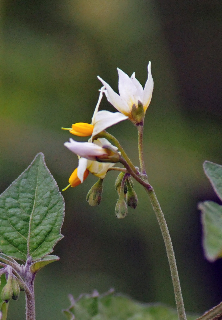
- White (Douglas’s) Nightshade (J.Kenney 5/11)
-
- Nuts of the California Wallnut tree (J.Kenney 5/11)
-
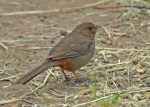
- California Towhee, probably gathering nesting material (J.Kenney 5/11)
-
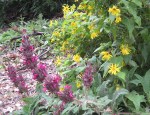
- Hummingbird Sage & Canyon Sunflower (J.Garrett 5/11)
-
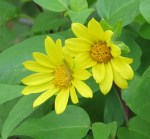
- Canyon Sunflower – abundant this year (C.Almdale 5/11)
-
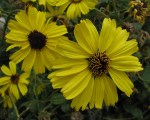
- Bush Sunflower (C.Almdale 5/11)
-
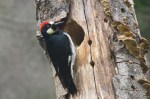
- Acorn Woodpecker at the nest-hole. Solstice Canyon (C.Bragg 5/11)
-
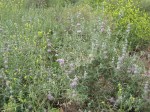
- Purple Sage (J.Garrett 5/11)
-

- Purple Sage (J.Kenney 5/11)
-
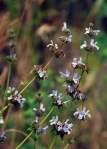
- Black Sage (J.Kenney 5/11)
-
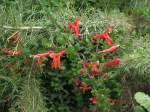
- Heart-leaved Penstemon (C.Almdale 5/11)
-
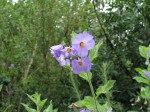
- Purple Nightshade (C.Almdale 5/11)
-
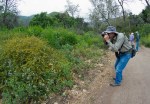
- Stealthy Chuck Almdale sneaks up on unwary Deerweed bush (C.Bragg 5/11)
-
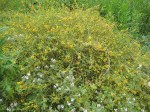
- Deerweed & Caterpillar Phacelia (foreground) (J.Garrett 5/11)
-
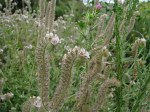
- Caterpillar Phacelia (C.Almdale 5/11)
-
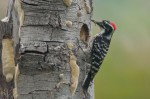
- Male Nuttall’s Woodpecker (C.Bragg 5/11)
-
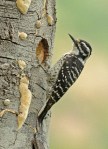
- Female Nuttall’s Woodpecker at nest-hole (J.Kenney 5/11)
-
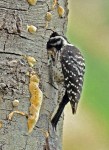
- Stop hiding! I know you’re in there! (J.Kenney 5/11)
-
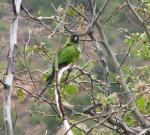
- Black-hooded Parakeet (C.Almdale 5/11)
-
- Mitered Parakeet (C.Bragg 5/11)
-
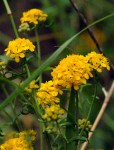
- Golden Yarrow (J.Kenney 5/11)
-
- Canyon Wren singing downstream of burned house (C.Bragg 5/11)
-
- Sticky Monkey-Flower (C.Almdale 5/11)
-

- Water-loving Ferns (J.Garrett 5/11)
| TRIP LIST – SOLSTICE CANYON 5/07/11 | ||
| PLANTS | BIRDS |
Nos. |
| WHITE | Brown Pelican |
1 |
| California Blackberry | California Quail |
** |
| Lupine | Red-shouldered Hawk |
2 |
| Morning Glory | Red-tailed Hawk |
4 |
| White (Douglas’s) Nightshade | Mourning Dove |
4 |
| White Sage | Black-hooded Parakeet |
14 |
| YELLOW | Mitered Parakeet |
2 |
| Bush Monkey-Flower | White-collared Swift |
3 |
| Bush Sunflower | Anna’s Hummingbird |
12 |
| Canyon Sunflower | Costa’s Hummingbird |
1 |
| Deer Weed | Allen’s Hummingbird |
3 |
| Golden Yarrow | Acorn Woodpecker |
10 |
| Mustard* | Nuttall’s Woodpecker |
6 |
| Pineapple Weed* | Northern Flicker |
3 |
| RED | Pacific-slope Flycatcher |
8 |
| Fringed Indian Pink | Emipdonax ssp |
1 |
| Heart-leaved Penstemon | Black Phoebe |
6 |
| PINK | Western Scrub-Jay |
6 |
| Bush Mallow | American Crow |
12 |
| Wild Rose | Common Raven |
6 |
| PURPLE / BLUE | Oak Titmouse |
1 |
| Black Sage | Bushtit |
12 |
| Bull Thistle | White-breasted Nuthatch |
2 |
| Bush Lupine | Canyon Wren |
2 |
| Caterpillar Phacelia | Bewick’s Wren |
12 |
| Common Vervain (Verbena) | House Wren |
20 |
| Hummingbird Sage | Wrentit |
20 |
| Milk Thistle* | California Thrasher |
1 |
| Purple Nightshade | European Starling |
1 |
| Purple Sage | Phainopepla |
1 |
| Star Thistle | Orange-crowned Warbler |
8 |
| TREES, SHRUBS, ON | Common Yellowthroat |
6 |
| NOT IN BLOOM | Spotted Towhee |
10 |
| California Bay | California Towhee |
12 |
| California Walnut | Song Sparrow |
20 |
| California Sagebrush | Dark-eyed Junco |
6 |
| Coast Live Oak | Black-headed Grosbeak |
6 |
| Coyote Bush | Lazuli Bunting |
2 |
| Laural Sumac | Brown-headed Cowbird |
1 |
| Mistletoe | Hooded Oriole |
2 |
| Poison Oak | Purple Finch |
2 |
| Spurge (Wood?) | House Finch |
30 |
| Yucca – Whipplei | Lesser Goldfinch |
15 |
| Total Plants — 36 | Total Bird Species |
43 |
|
* – Introduced species |
** – Heard only |
|
“Bicolored” Blackbird found at Malibu Lagoon
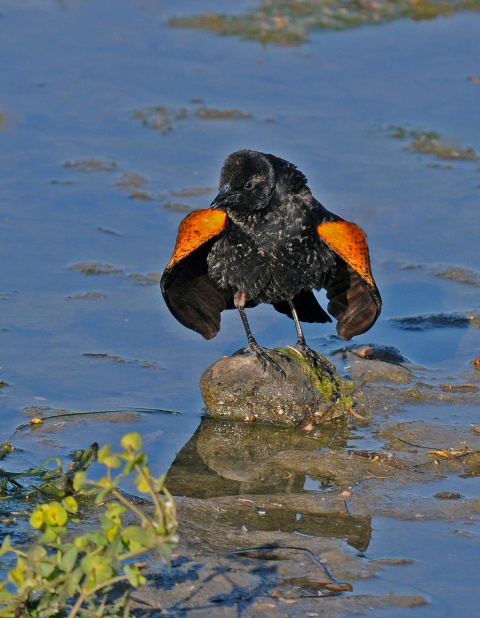
Bicolored Blackbird - note lack of yellow margin on epaulets (J.Kenney 4/11)
A few years back, while watching either a Red-winged or Tricolored Blackbird (getting old, don’t remember which), I made a personal discovery. Until then, I had always assumed that the yellow or white “margin” on the red epaulets was the terminal end of the mostly red feather. This bird was in full display; it erected its epaulets to the maximum, I could see right to the base of the feathers, I saw that the “margin” was actually a separate set of feathers lying below the red epaulet feathers, and these sub-epaulet feathers were completely white (or yellow) right to where they grew from the skin.

Bicolored Blackbird - subspecies or accidental aberration of Red-winged? (J.Kenney 4/11)
These pictures were taken by local photographer James Kenney on 4/30/11 about 8 a.m, at the 2nd footbridge on the path to the beach. So far as I know at this time, it’s the first appearance of the Bicolored Blackbird at the lagoon, and it may well be its southernmost sighting. Dan Cooper commented on the pictures, “I can’t remember seeing one down here, though it’s a common form up in central California to the Bay Area, and probably occurs rarely throughout populations.” He also passed on a Wikipedia citation written by central Californian bird maven Alvaro Jaramillo: “There are a number of subspecies, some of doubtful status, which are mostly quite similar in appearance, but the ‘Bicolored Blackbird’ A. p. gubernator of California and central Mexico is distinctive. The male lacks the yellow wing patch of the nominate race, and the female is much darker than the female nominate. The taxonomy of this form is little understood.” Commenting on Alvaro’s citation, Dan added, “I can’t imagine that a race occurs as disjunct in both coastal California and central Mexico (and not in between), so it may be, as I suspect, a normal/relatively common variation – like the yellow house finch, that simply”pops up” here and there across the huge range of the species.” I concur with Dan, but I wonder whether the margin feathers in the Bicolored are merely shortened or are completely absent. If anyone knows, drop me a line or post a reply here. I found an interesting article on the web but – lacking sufficient academic credentials – could get access to only the first page: The Status of the California Bi-colored Blackbird, Joseph Mailliard, The Condor (Cooper Ornithological Union), March 1910. If anyone can send this article to me, I’d greatly appreciate it and will report what (if anything) I discover.
These pictures and comments have been added to our Unusual Birds at Malibu Lagoon page (aka Lagoon Birds). [Chuck Almdale]
Pelicans and other Birds in the News
In our blog on the Malibu Lagoon 4/24/11 field trip, we noted that there were 740 Brown Pelicans resting at the lagoon. This was 110 more than our previous high count of 630 on 5/27/07, but we didn’t know why so many were there. This phenomenon is larger than the lagoon, and others are wondering as well. [Chuck Almdale]
Buzz rising over local pelican population
San Diego Union; Tues., 4/26/11. Matthew T. Hall
Thanks to alert reader Muriel Kotin for sending this to us.
****************************
Pelican population soaring in San Diego
San Diego Union; Tues., 4/26/11. Matthew T. Hall
****************************
Here’s an article from March, 2010 which may turn out to have some bearing
Brown Pelicans washing up dead and dying on California beaches
Great-Western-Pacific Coastal Post; Weds., 3/31/10. Paul Rogers
****************************
Elsewhere in the news.
News in Brief: Colorful duck bills hint at sperm quality.
http://www.sciencenews.org/view/generic/id/73215/title/News_in_Brief_Life
From Science News Online 4/21/11.
****************************
The eyespots have it after all
New experiments may reconcile conflicting views regarding what makes a peacock’s plumage attractive to females.
http://www.sciencenews.org/view/generic/id/73585/title/The_eyespots_have_it_after_all
From Science News Online 4/27/11.
****************************



 SANTA MONICA BAY AUDUBON SOCIETY BLOG