Free email delivery
Please sign up for email delivery in the subscription area to the right.
No salesman will call, at least not from us. Maybe from someone else.
Evolutionary History and Biogeography of Passerines, with Diego Blanco: Zoom Evening Meeting, Tuesday, 3 March, 7:30 p.m.
You are all invited to the next ZOOM meeting
of Santa Monica Bay Audubon Society
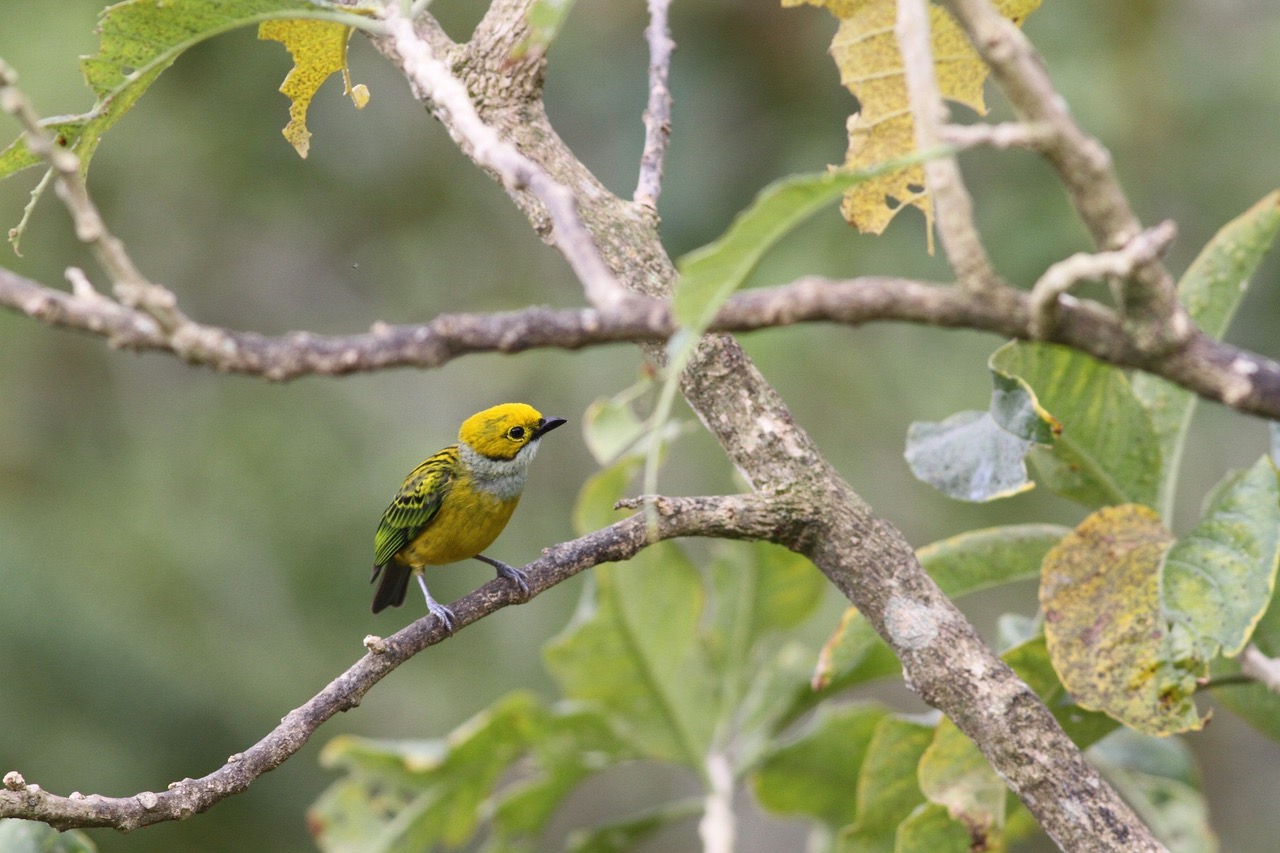
Evolutionary History and Biogeography of Passerines, with Diego Blanco.
Zoom Evening Meeting, Tuesday, 3 March, 7:30 p.m.
Zoom waiting room opens 7:15 p.m.
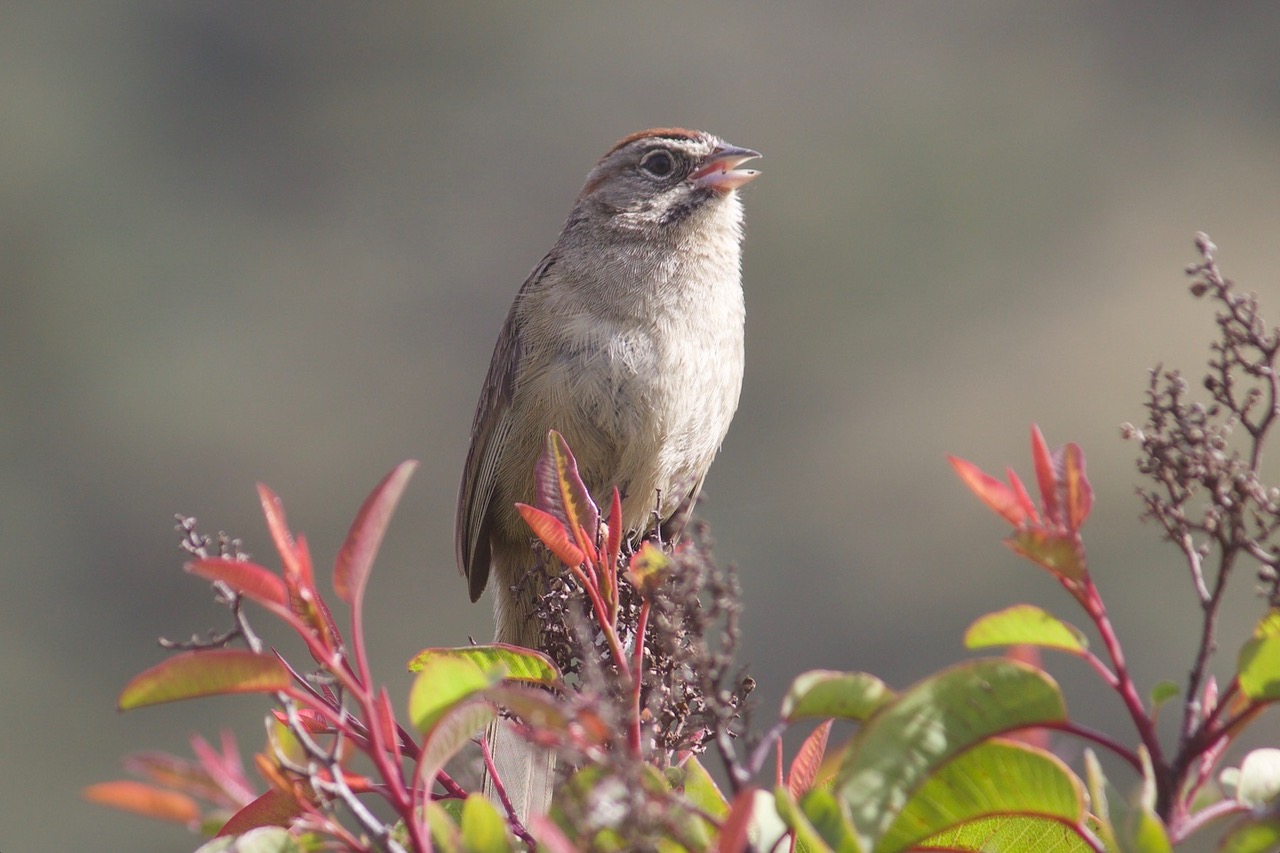
Diego Blanco of the Moore Laboratory of Ornithology will present an Evolutionary History and Biogeography of Passerines. Topics will include song bird behavior, evolution, and conservation. Diego will describe the avian family tree and explain how songbirds have spread across the globe and how they’ve changed over time.
|
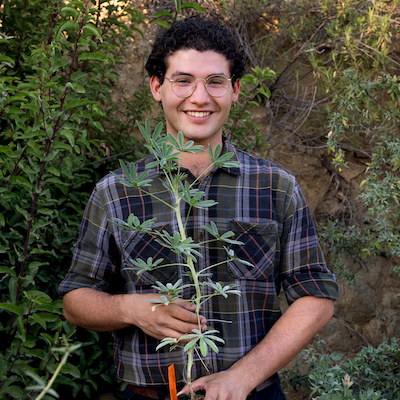
Before Diego Blanco became an Outreach and Research Assistant at the Moore Lab of Zoology at Occidental College, he was a Los Angeles area birder and naturalist. He enjoys hiking, camping, and documenting biodiversity through photography and illustration. Diego graduated from Cornell University in 2022 and has worked as an administrative assistant at the Theodore Payne Foundation for Wild Flowers and Native Plants where he taught field sketching and bird identification classes. He spent the summer 2024 season as a point count technician with the Klamath Bird Observatory conducting surveys on bird populations and plant communities in Whiskeytown National Recreation Area and Lassen Volcanic National Park in Northern California.
(If the button above doesn’t work for you, see detailed zoom invitation below.)
Meeting ID: 825 7750 0786
Passcode: 993523
One tap mobile
+16694449171,,82577500786#,,,,*993523# US
+16699009128,,82577500786#,,,,*993523# US (San Jose)
Joining Instructions
https://us02web.zoom.us/meetings/82577500786/invitations?signature=g0Cp2iapmwGEhBXYp3jcmkGKZN5-7oZ5-7D2N4WEoAU
[Posted by Chuck Almdale]
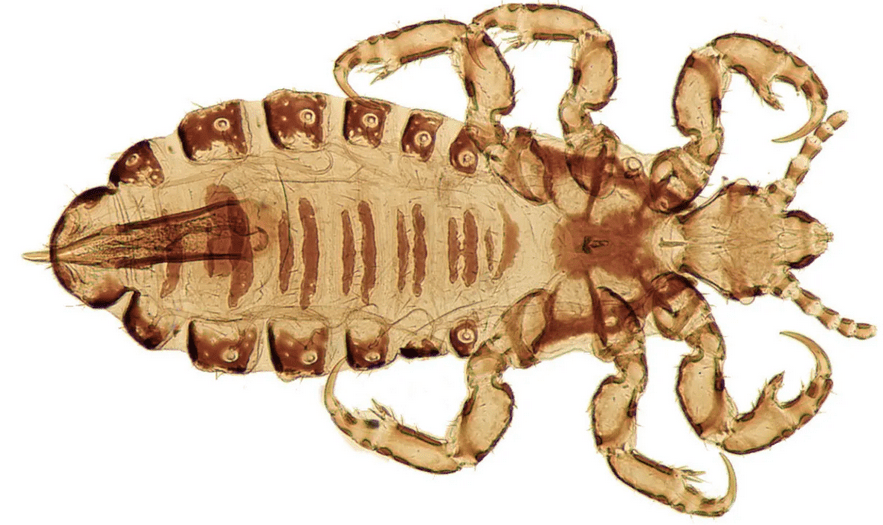
1. Head lice hitched a ride on humans to the Americas at least twice
The parasites’ genetics can give in-depth insights into their hosts’ pasts.
You needn’t be a nitpicker to be intrigued.
By Jake Buehler, 11-8-23
2. Here’s how high-speed diving kingfishers may avoid concussions
Specific genetic tweaks seem to protect brains from 40 km/h plunges into water.
By Claudia Lopez Lloreda, 11-6-23
Analysis of the genetic instruction book of some diving kingfishers identified changes in genes related to brain function as well as retina and blood vessel development, which might protect against damage during dives, researchers report October 24 in Communications Biology. The results suggest the different species of diving kingfishers may have adapted to survive their dives unscathed in some of the same ways, but it’s still unclear how the genetic changes protect the birds.
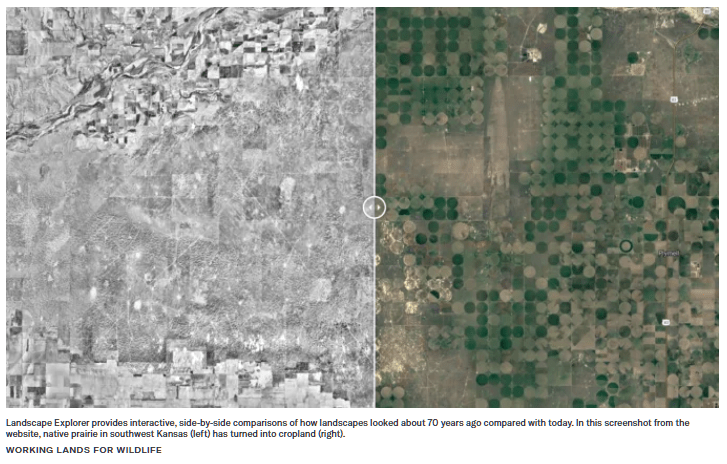
3. Landscape Explorer shows how much the American West has changed
The online tool stitches historical aerial images into a public map
With the click of a mouse, a new mapping tool shows how places in the American West have changed over the last 70 years.
Open Landscape Explorer Link
By Brianna Randall, 12-6-23
Great Backyard Bird Count: February 13-16
[Posted by Chuck Almdale]
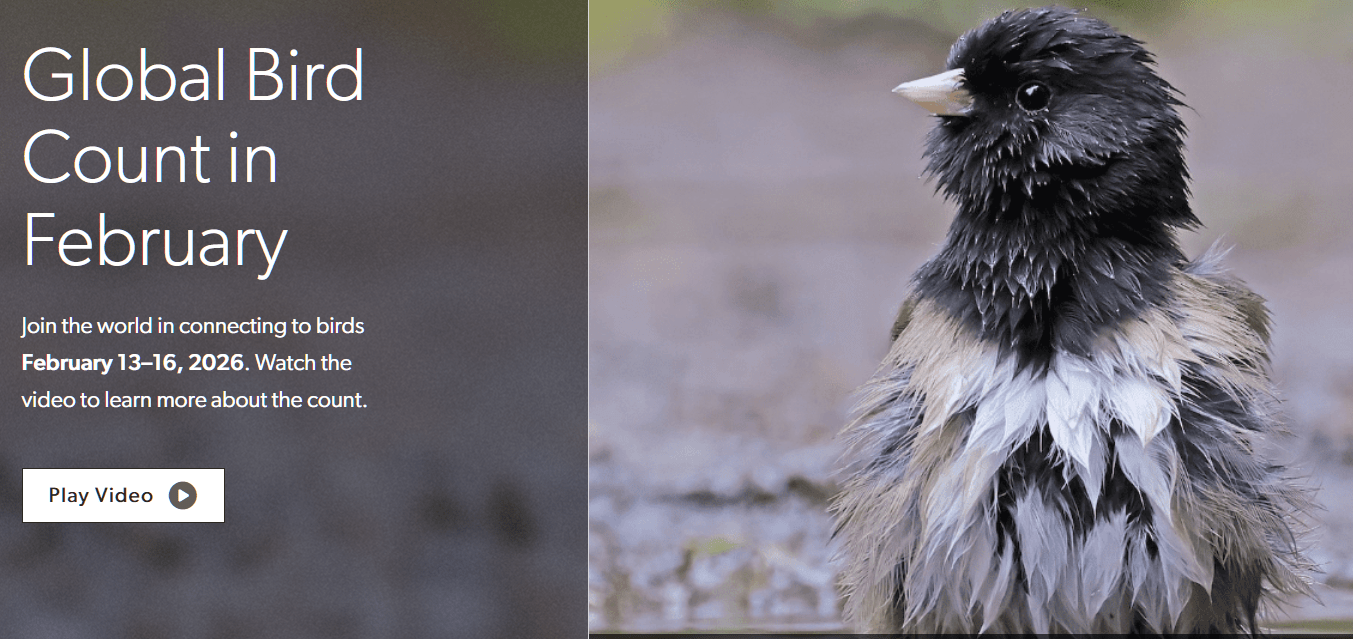
ScreenSnip from http://www.birdcount.org
Yes, it’s going on right this very second and through Monday February 16th, and this time it’s a WorldWide event, co-sponsored by National Audubon Society, Birds Canada and Cornell Lab who brings eBird and Merlin into your inbox and telephone.
Here’s the link to all the information: https://www.birdcount.org/
And you can watch the short video (1:20). Maybe you’ll see a Shoebill in your backyard.
There are also links to other videos, the Merlin Bird ID app and eBird mobile app.
But it’s really easy.
Participating is easy, fun to do alone or with others, and can be done anywhere you find birds.
Step 1: Decide where you will watch birds.
Step 2: Watch birds for 15 minutes or more, at least once over the four days, February 13–16, 2026.
Step 3: Identify all the birds you see or hear within your planned time/location and use the best tool for sharing your bird sightings:
- If you are a beginning bird admirer and new to bird identification, try using the Merlin Bird ID app to tell us what birds you are seeing or hearing.
- If you have participated in the count before and want to record numbers of birds, try the eBird Mobile app or enter your bird list on the eBird website (desktop/laptop).
Want to read more about GBBC? Scientific American
So check out the website and begin your 15 minutes of birding fame: https://www.birdcount.org/
Mountain Chickadees as the climate “canary in the coal mine” | Science News Magazine
[Posted by Chuck Almdale]
A ‘canary in the coal mine’ for climate change in the Sierra Nevada mountains
Article by Benjamin Sonnenberg, Nevada Today, 30 Jan 2024.
From the article lede
Wet snow pelts my face and pulls against my skis as I climb above 8,000 feet in the Sierra Nevada of eastern California, tugging a sled loaded with batteries, bolts, wire and 40 pounds of sunflower seeds critical to our mountain chickadee research.
As we reach the remote research site, I duck under a tarp and open a laptop. A chorus of identification numbers are shouted back and forth as fellow behavioral ecologist Vladimir Pravosudov and I program “smart” bird feeders for an upcoming experiment.
I have spent the past six years monitoring a population of mountain chickadees here, tracking their life cycles and, importantly, their memory, working in a system Pravosudov established in 2013. The long, consistent record from this research site has allowed us to observe how chickadees survive in extreme winter snowfall and to identify ecological patterns and changes.



