Free email delivery
Please sign up for email delivery in the subscription area to the right.
No salesman will call, at least not from us. Maybe from someone else.
June is for Jumpers: Malibu Lagoon: 28 June 2026
(Chris Tosdevin 6-28-26)
[By Chuck Almdale; photos by Ray Juncosa, Armando Martinez & Chris Tosdevin]
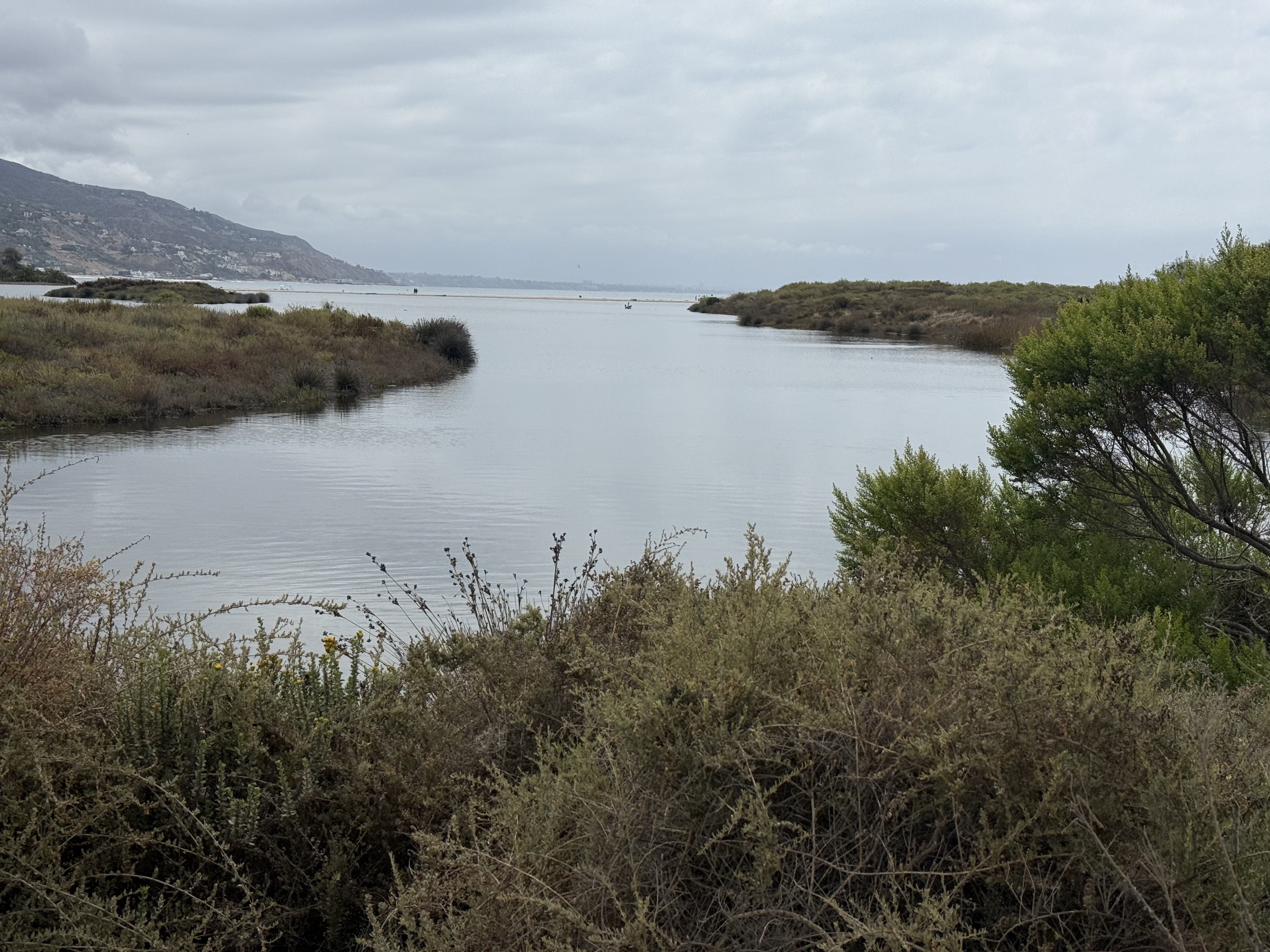
This is what June Gloom looks like. Some people complain about it (“It’s summer! It’s supposed to be sunny here!”) but it keeps the temperatures down, and if any Night Herons are around, you can see them out and about instead of hiding in thick tree foliage to protect their eyesight. Surfrider’s Beach, the southern border of Malibu Lagoon, looks extremely thin in this photo below. In reality it’s several hundred feet from lagoon to ocean.
The world’s ten species of night heron are misleadingly named. They have large eyes (for a heron), but they don’t seek the darkness of night; they like crepuscular light, the twilight of dawn and dusk. A Gloomy June day will also do.
Their eyes evolved to see best in dim light, but a gloomy day also works well for a hungry bird. They do like to hide and hunt for small fish and invertebrates in reed beds, but you can also see them on the shorelines when it’s sufficiently gloomy.

But our featured fauna this month is not a bird, but a fish. It’s a Mullet, Mugil cephalus to be specific. I prefer the name Jumping Mullet because…well look below. But they have many names, as often happens with common fish. In English alone there are at least 28 names for this Mullet: Black, Black True, Bright, Bully, Callifaver, Common Gray, Common, Flat-head Gray, Flathead Gray, Flathead Gray-, Flathead, Gray, Haarder, Hardgut, Hardgut River, Jumping, Longaram, Mangrove, Poddies, Poddy, River, Sand, Sea, Springer, Striped, Stripped, Yellow-tailed, and just plain Mullet. The most widespread and “official” English name is Striped Mullet. In all languages there are over 500 different names. It’s a common, widespread fish along coasts around the world.
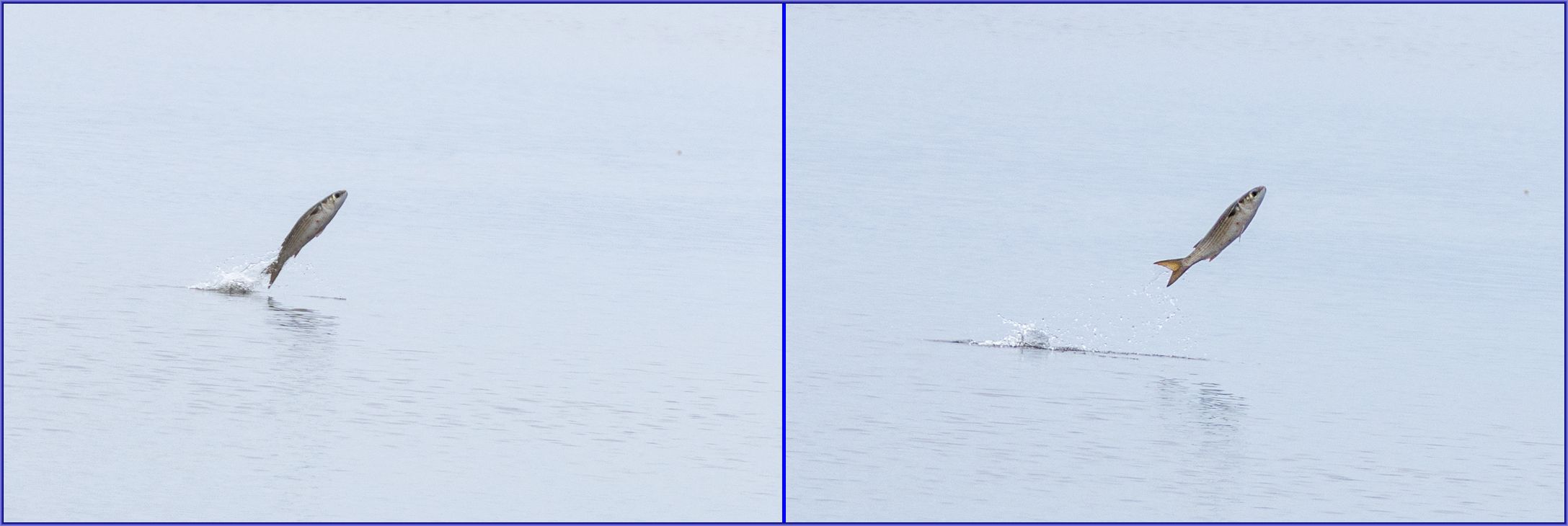
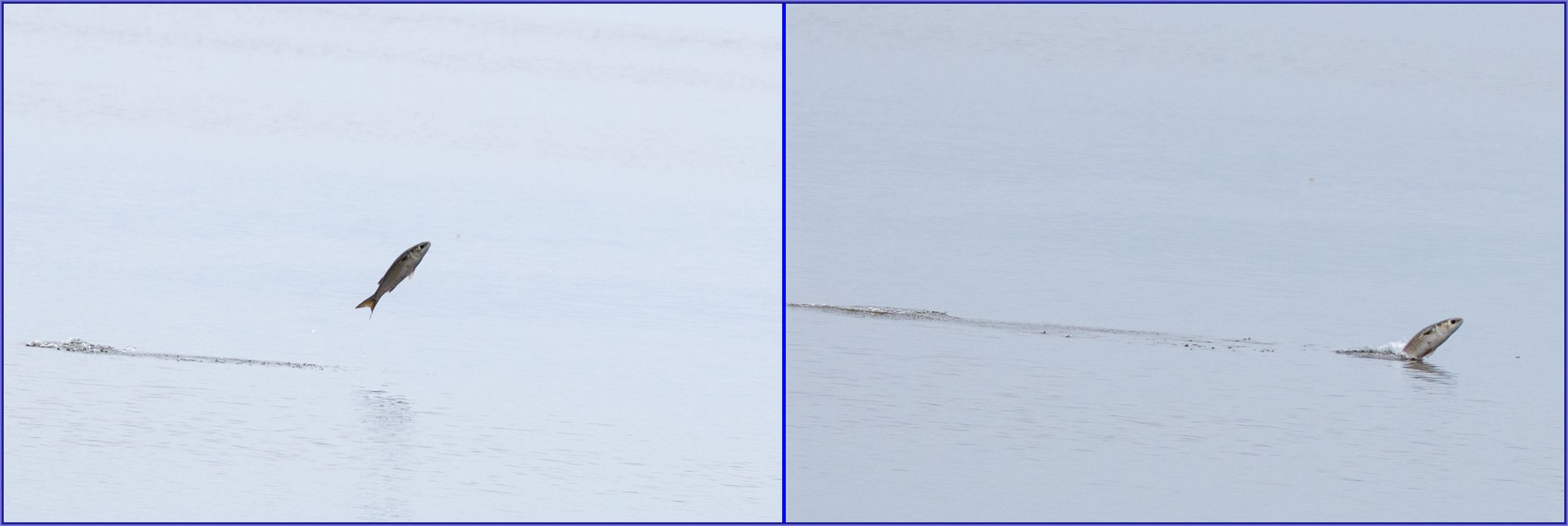
I’ve never seen so many jumping Jumping Mullet in the lagoon. I started counting their jumps and within 45 minutes I’d gone over 100 and decided to quit keeping track, but within a few seconds it was 110. The most simultaneous jumps were three, and the fastest “run” was 7 jumps in 10 seconds.

There was an enormous mullet die-off in Malibu Lagoon back in August 2018. High ocean temperatures, high lagoon water temperatures, and just plain high temperatures lowered the oxygen level in the lagoon to a lethal level, and withing a week perhaps 3000-5000 dead mullet were floating on the surface. No one (to my knowledge) knew that there were that many in the lagoon.
Some interesting Mullet factoids:
- Their common size is 10-20″ and 1-3 lbs., but can grow as large as 47″ and 18 lbs.
- Mugil cephalus translates to “suck head.”
- They have a segments in their stomach that function like a bird’s gizzard. They feed by slurping up sediment, detritus and algae, and the sand and mud help grind up the plant material.
- They are notorious for jumping out of the water; theories abound as to why (see below).
- They are euryhaline, able to easily tolerate very different levels of salinity, from hypersaline coastal lagoons to ordinary sea water to brackish water and to freshwater rivers.
- The adults migrate offshore in late fall and early winter to spawn in massive schools. The hatched juveniles later migrate back to shore and into food-rich, low-salinity estuaries like Malibu Lagoon to grow.
- In the coastal waters of SoCal and Baja California the large schools of mullet can attract large “sportfish” to feed on them, themselves attracting boats filled with sportfishermen.

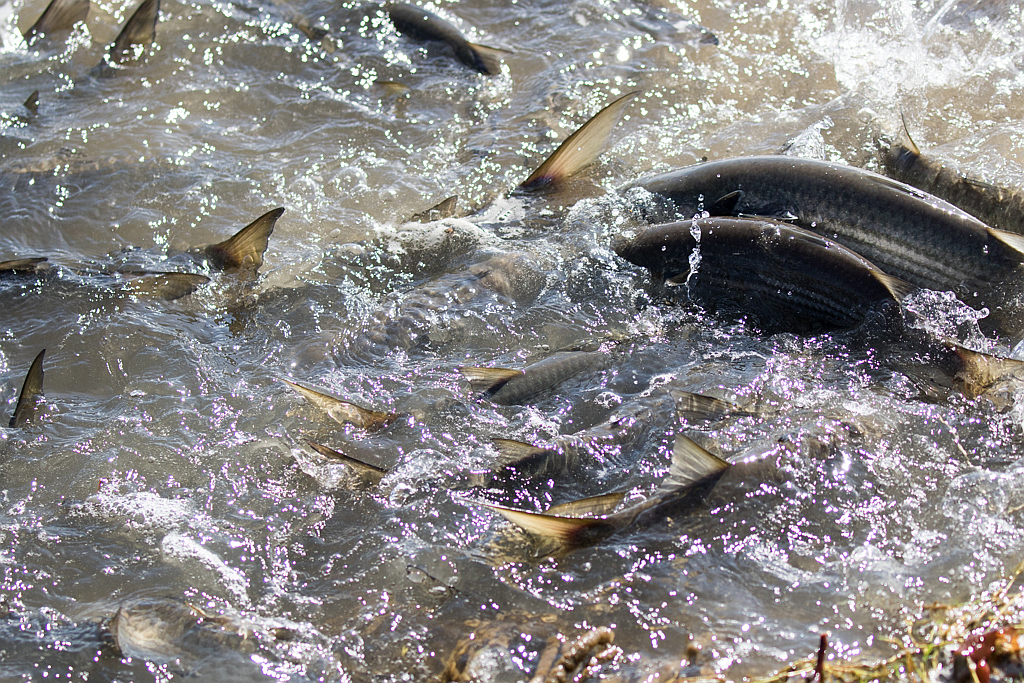
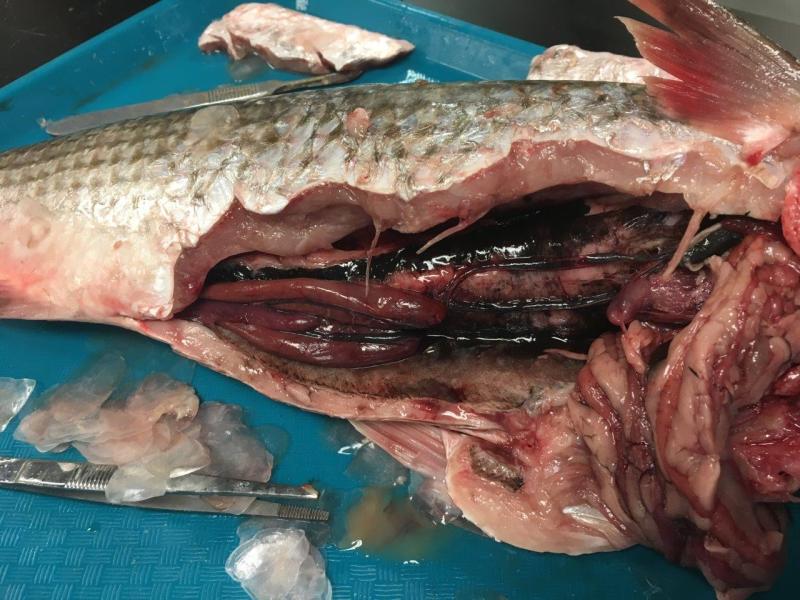
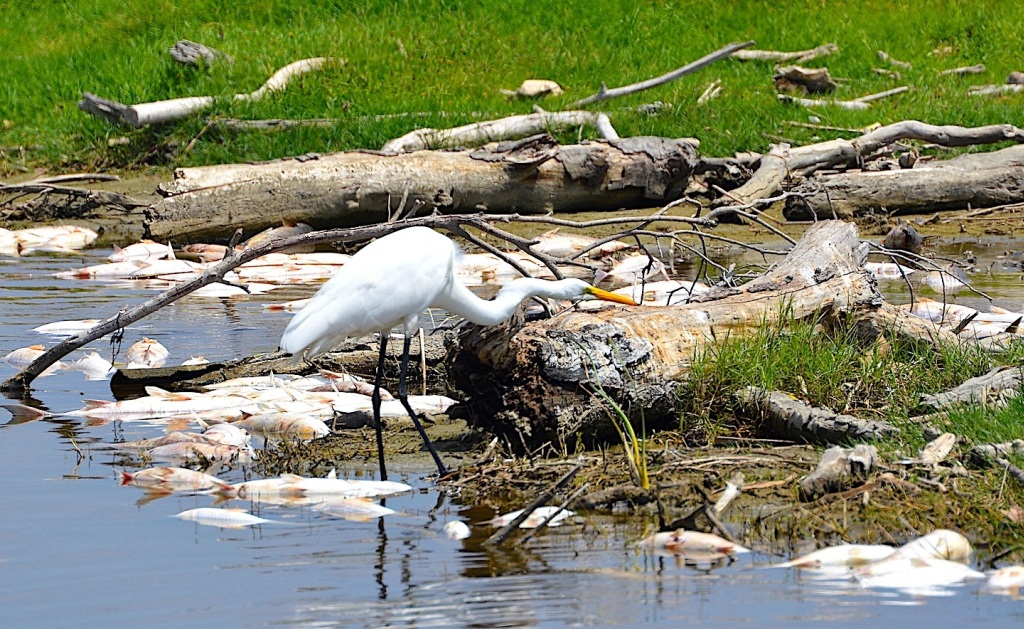
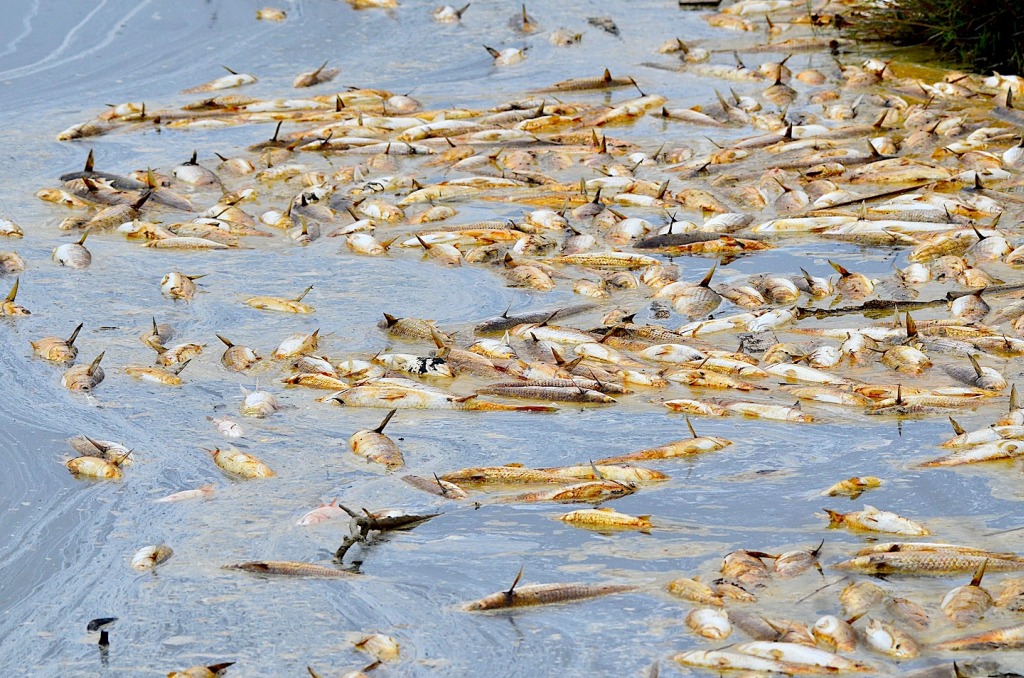
Above, clockwise from upper left: Mullets at lagoon’s edge (Jim Kenney 9/28/15), Jumping Mullet (Randy Ehler 9/27/15), Necropsy of lagoon Mullet, nothing negative discovered (Karina Johnston, Bay Foundation 8/24/18), Over 200 dead Mullet (Larry Loeher 8/26/18, Great Egret & dead mullet (Grace Murayama 8/24/18)
These are some of the theories why they jump. I suspect there’s a Ph.D. waiting for anyone who solves this question.
- Display to attract a mate
- Escape a larger predator
- Gulp some oxygen
- Catch an insect it sees in the air
- Shake off loose parasites or growths on its skin
- Catch an invertebrate it sees at the water’s surface and momentum carries them into the air
- Communicate location to other fish or other schools
- Show off to the other fish what a great jumper they are
- It’s fun and feels great slapping back down (my favorite explanation)
It’s probably all of the above, depending on the situation. Fish can be versatile.
Back to the birds.
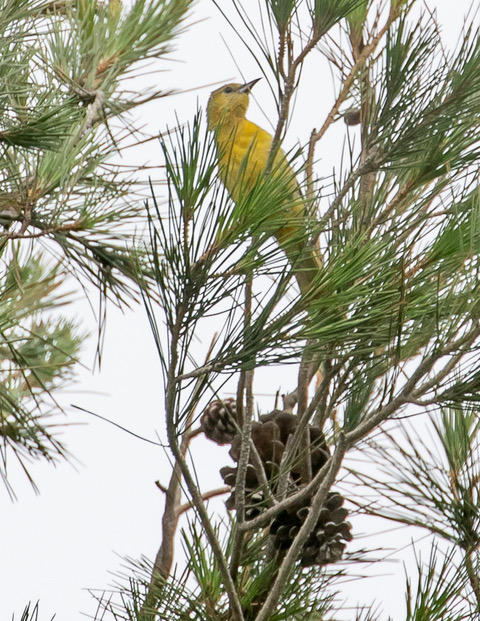
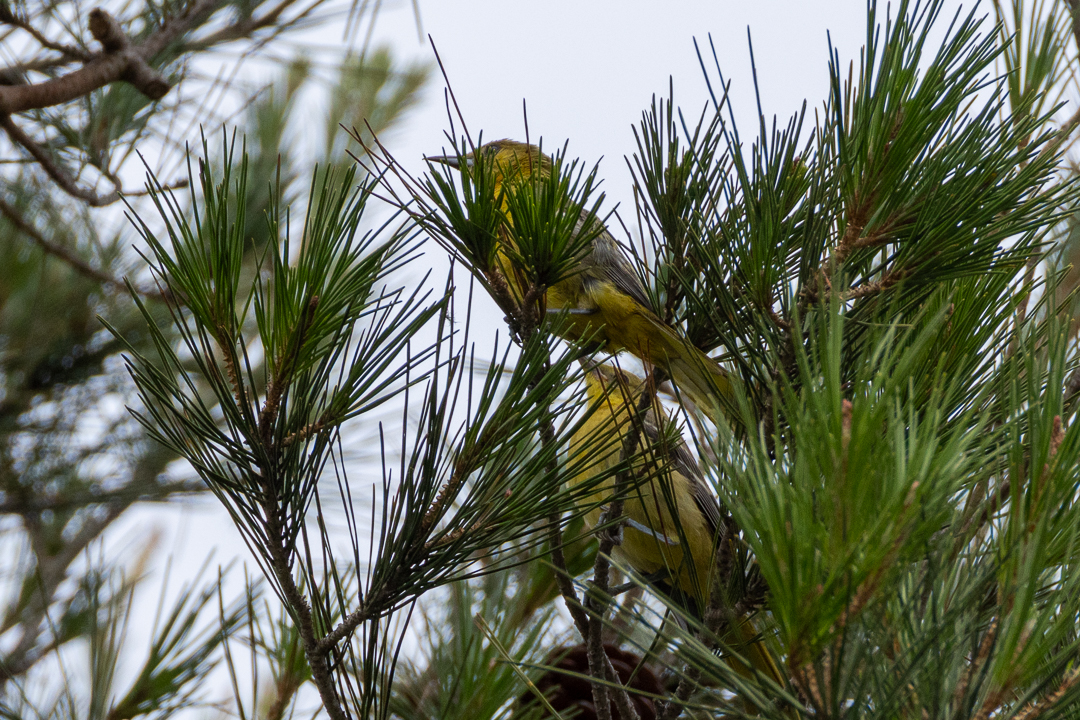
The Hooded Orioles seem to nest at the lagoon every year now, although we often don’t see them and we rarely find their nests. They prefer to suspend their woven nests from the underside of the central shaft of a palm frond. You’d think they’d be easy to find, but they aren’t. I’ve seen only two, maybe three such nests at the lagoon. Today we were lucky and manage to find four orioles, probably the entire family, in the trees at the back of the Malibu Colony. Here, and in the trees around the parking lot, are their usual locations.

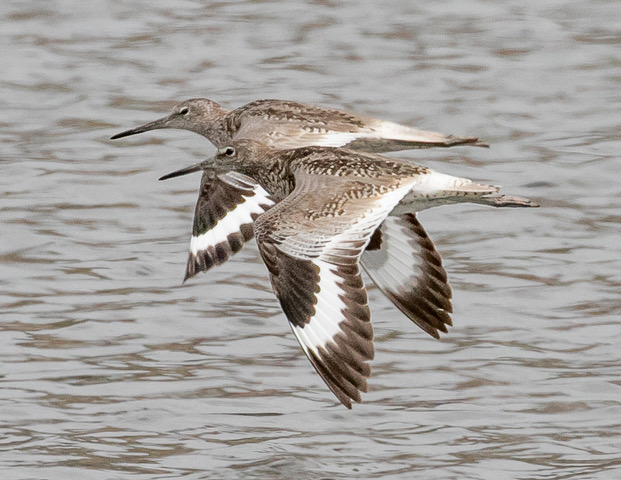
Willets, when they fly, can look quite spectacular.
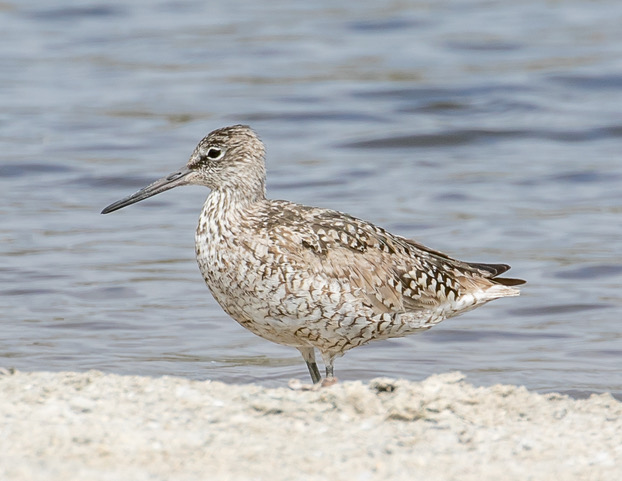
When then settle down, the stripes disappear. But this time of year, still in some of their breeding plumage, they are attractively spotted. In the winter, all that disappears and they are plain, plain gray.
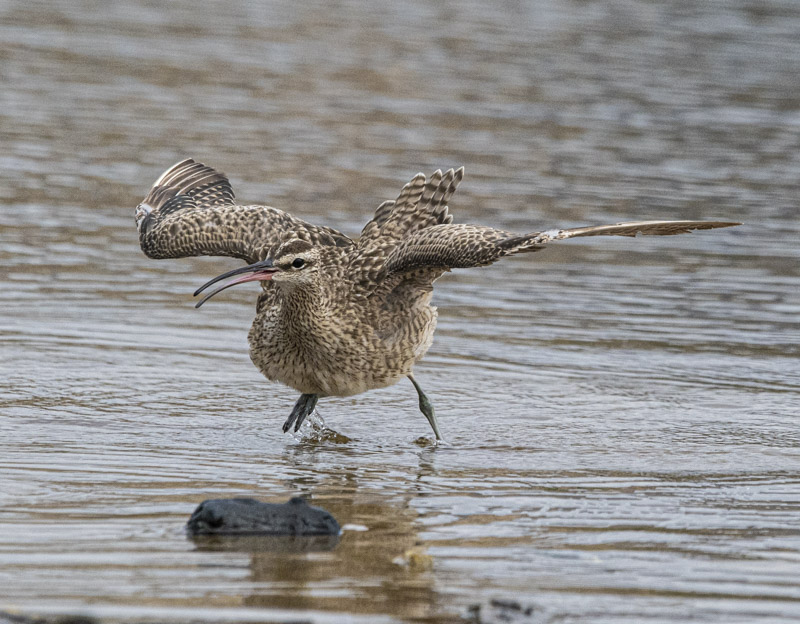
Was this Whimbrel startled? Chasing something? Being chased? We don’t know.
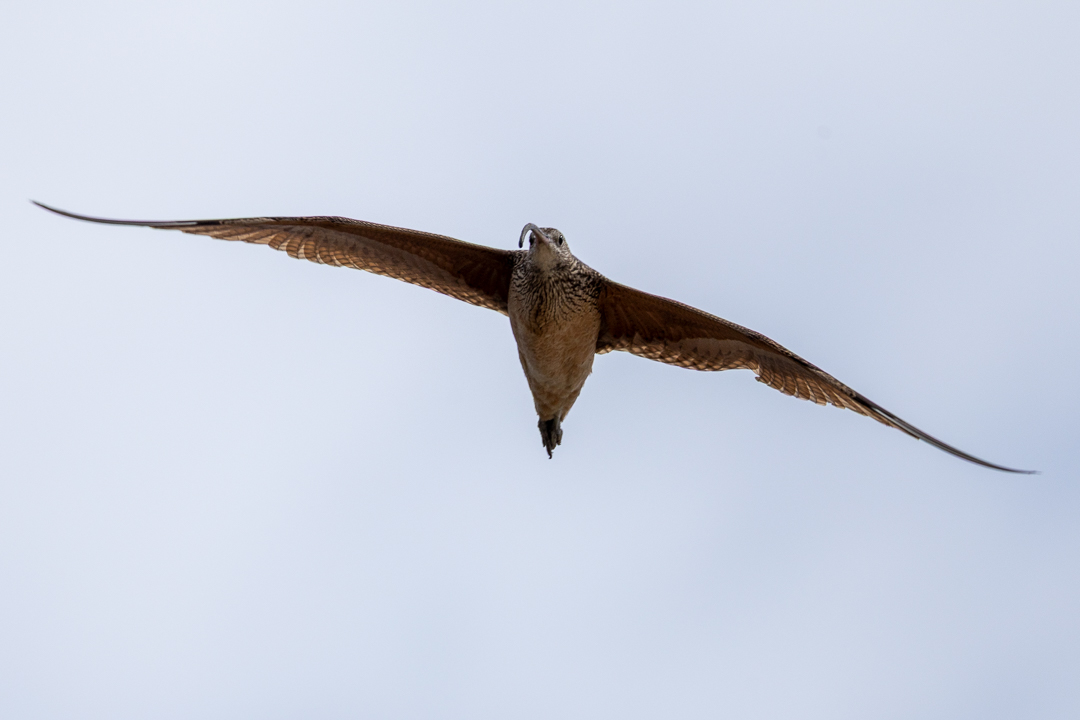
…and study this bird for a while before reading the caption. Do you know what it is?
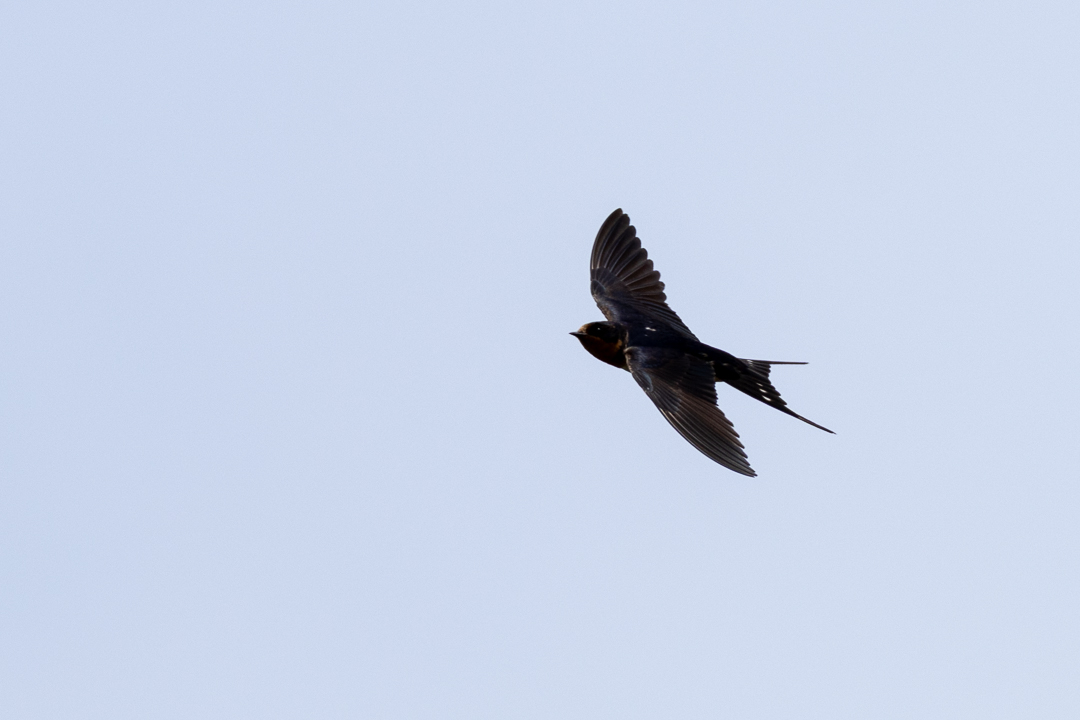
We have more swallow species than just “the Swallow.” This is not the one that mythically returns to San Juan Capistrano on March 19, St. Joseph’s Day. That’s the Cliff Swallow and they frequently begin reappearing in SoCal in February, back from their sojourn in sunny Argentina.
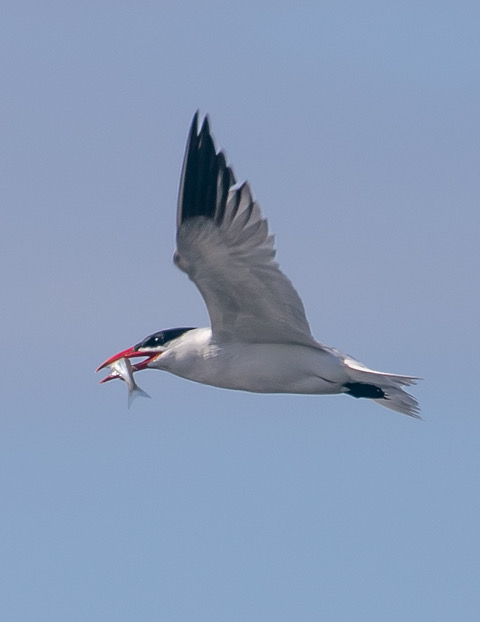
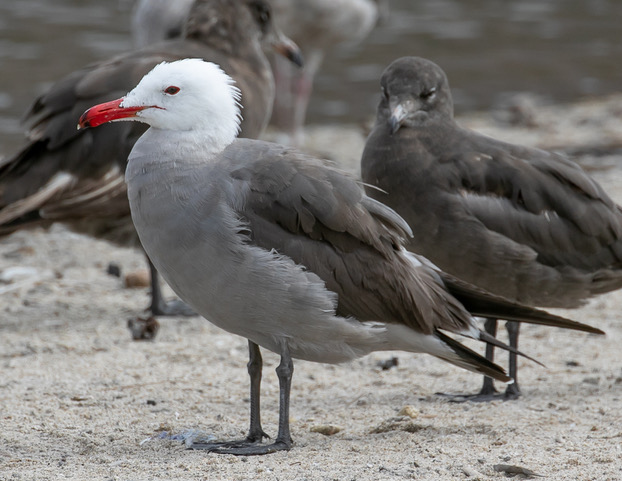
The Heermann’s Gulls are definitely back from breeding on Isla Rasa in the Sea of Cortez.
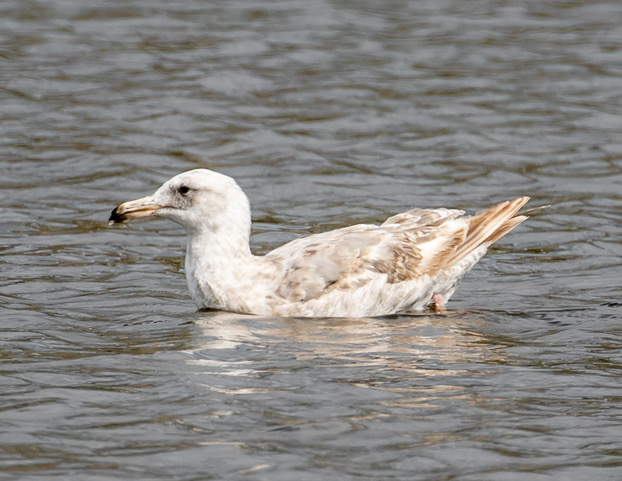
Most of the Glaucous-winged Gulls we get at the lagoon are first-year birds. This one looks like a two-year old, with the two-tone bill and the pale gray back. It’s a bit early for it to be back from the arctic, so it probably never bothered to fly north this year.
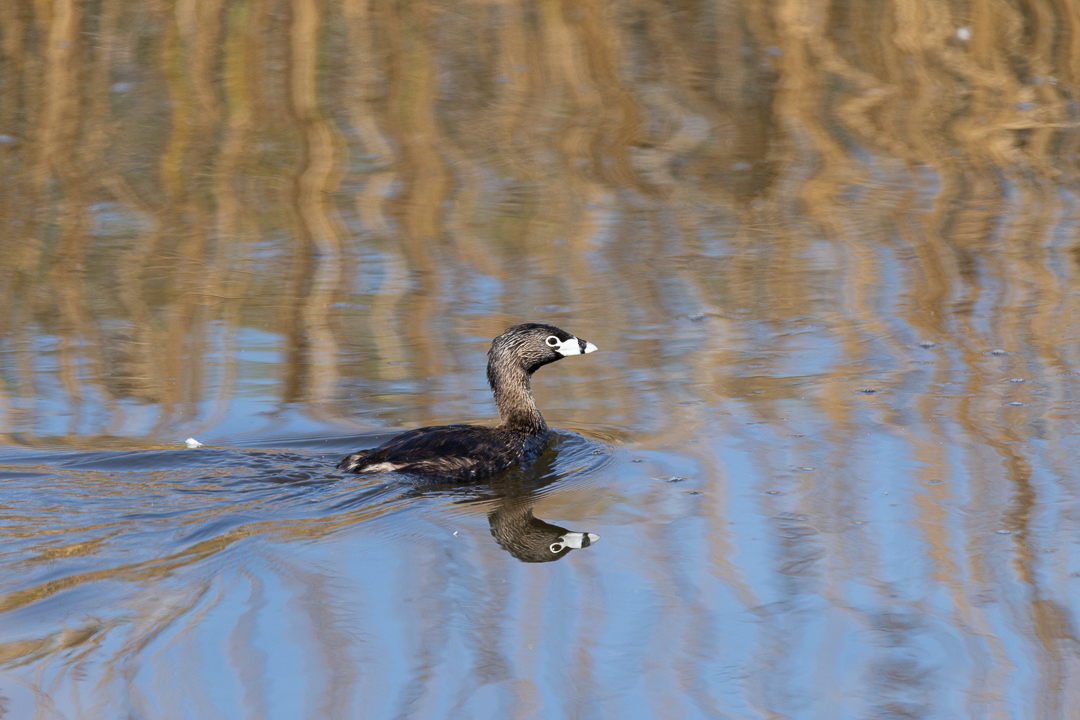
We didn’t get a picture of it, but one of the passerines that rarely show up at the lagoon made an appearance. It likely was a young bird and didn’t know any better. This Black-headed Grosbeak was only the fourth one we’ve seen at the lagoon in 348 visits. They prefer brushy hillsides and leafy trees to sparse brush, thus their relative rarity at the lagoon.
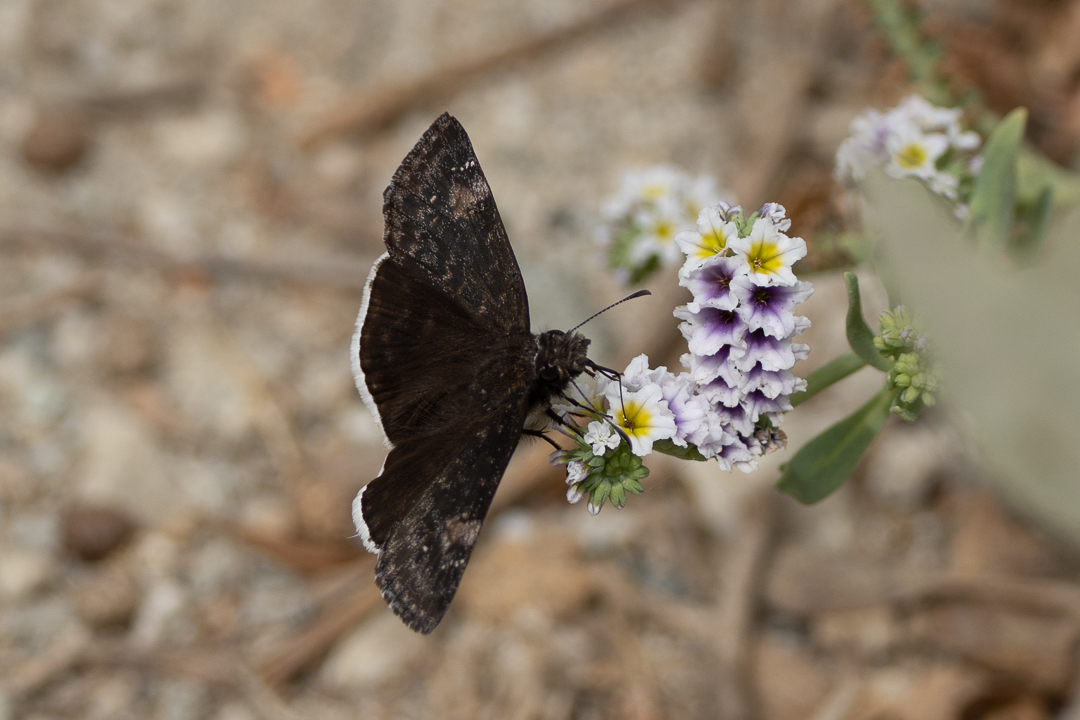
And for you butterfly mavens, what is this? Tell us what and why, and we’ll correct this posting with your name credited. Fame and fortune will no doubt rapidly ensue, and you will be able to retire to a lifetime of butterfly-watching.
Malibu Lagoon on eBird as of 7-01-26: 9494 lists, 3107 eBirders, 323 species
Most recent new species seen: Canyon Wren, 06/11/26 by Judith Olsen (no photo).
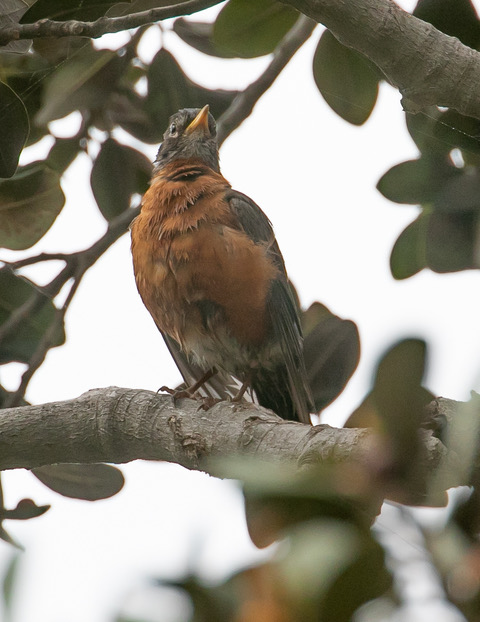
Birds new for the season: American Coot, Long-billed Curlew, Willet, Glaucous-winged Gull, Black-crowned Night Heron, Green Heron, Red-tailed Hawk, American Robin, Black-headed Grosbeak. “New for the season” means it has been three or more months since last recorded on our trips.
Many, many thanks to photographers Ray Juncosa, Armando Martinez and Chris Tosdevin.
Upcoming SMBAS scheduled field trips; no reservations or Covid card necessary unless specifically mentioned:
- Malibu Lagoon, Sun. July 26, 8:30 am (adults) & 10 am (parents & kids)
- Malibu Lagoon, Sun. Aug 23, 8:30 am (adults) & 10 am (parents & kids)
- Malibu Lagoon, Sun. Sep 27, 8:30 am (adults) & 10 am (parents & kids)
- These and any other trips we announce for the foreseeable future will depend upon expected status of the Covid/flu/etc. pandemic, not to mention landslides, fires, local flooding and atmospheric rivers at trip time. Any trip announced may be canceled shortly before trip date if it seems necessary. By now any other comments should be superfluous.
- Link to Programs & Field Trip schedule.
The next SMBAS Zoom program: Tuesday, October 6, 7:30pm; TBA
The SMBAS 10 a.m. Parent’s & Kids Birdwalk has again resumed. Reservations not necessary for families, but for groups (scouts, etc.), please call Jean (213-522-0062).
Links: Unusual birds at Malibu Lagoon
9/23/02 Aerial photo of Malibu Lagoon
Aerial ‘film’ flying north over lagoon
More recent aerial photo
Prior checklists:
2025: Jan-June, July-Dec
2023: Jan-June, July-Dec 2024: Jan-June, July-Dec
2021: Jan-July, July-Dec 2022: Jan-June, July-Dec
2020: Jan-July, July-Dec 2019: Jan-June, July-Dec
2018: Jan-June, July-Dec 2017: Jan-June, July-Dec
2016: Jan-June, July-Dec 2015: Jan-May, July-Dec
2014: Jan-July, July-Dec 2013: Jan-June, July-Dec
2012: Jan-June, July-Dec 2011: Jan-June, July-Dec
2010: Jan-June, July-Dec 2009: Jan-June, July-Dec
The 10-year comparison summaries created during the 2012-13 Lagoon Reconfiguration Project period, remain available—despite numerous complaints—on our Lagoon Project Bird Census Page. Very briefly summarized, the results unexpectedly indicate that avian species diversification and numbers improved slightly during the restoration period June’12-June’14. We also have a newly-refurbished slide show of the reconfiguration from just before it started until the recent 13-year celebration.
Many thanks to Marie Barnidge-McIntyre, Armando Martinez (our new chapter president), Chris Tosdevin and others for contributions made to this month’s census counts. June is typically the month with the fewest birds and lowest diversity.
The species list below was re-sequenced as of 12/31/25 to agree with the eBird sequence. If part of the right side of the chart below is hidden, there’s a slider button inconveniently located at the bottom end of the list. The numbers 1-9 left of the species names are keyed to the nine categories of birds at the bottom. Updated lagoon bird check lists can be downloaded here.
[Chuck Almdale]
| Malibu Census 2026 | 1/25 | 2/22 | 3/22 | 4/26 | 5/24 | 6/28 | |
| Temperature | 47-55 | 49-63 | 65-76 | 55-64 | 60-63 | 61-66 | |
| Tide Lo/Hi Height | L+1.31 | L+0.65 | L-0.31 | H+4.32 | L+0.42 | H+3.35 | |
| Tide Time | 0846 | 0655 | 0640 | 0624 | 1126 | 1034 | |
| 1 | Brant (Black) | 1 | 1 | 1 | 1 | 2 | |
| 1 | Cackling Goose | 1 | |||||
| 1 | Canada Goose | 3 | 4 | 5 | 4 | ||
| 1 | Cinnamon Teal | 2 | |||||
| 1 | Northern Shoveler | 2 | |||||
| 1 | Gadwall | 34 | 35 | 15 | 25 | 18 | 10 |
| 1 | American Wigeon | 4 | 4 | 6 | |||
| 1 | Mallard | 5 | 7 | 14 | 8 | 12 | 15 |
| 1 | Northern Pintail | 1 | 1 | ||||
| 1 | Green-winged Teal | 11 | 8 | ||||
| 1 | Surf Scoter | 3 | 6 | 1 | |||
| 1 | Red-breasted Merganser | 6 | 7 | 4 | 3 | 1 | |
| 2 | Feral Pigeon | 4 | 2 | 8 | 10 | ||
| 2 | Mourning Dove | 3 | 1 | 3 | 2 | ||
| 2 | Anna’s Hummingbird | 1 | 1 | 2 | 1 | ||
| 2 | Allen’s Hummingbird | 3 | 3 | 5 | 2 | 6 | 3 |
| 3 | American Coot | 50 | 55 | 4 | 3 | ||
| 4 | Black Oystercatcher | 3 | |||||
| 4 | Black-bellied Plover | 34 | 20 | 6 | 3 | 3 | 2 |
| 4 | Killdeer | 4 | 6 | 5 | 6 | 3 | 3 |
| 4 | Semipalmated Plover | 6 | |||||
| 4 | Snowy Plover | 17 | 4 | 1 | |||
| 4 | Hudsonian Whimbrel | 3 | 4 | 6 | 6 | 7 | |
| 4 | Long-billed Curlew | 1 | |||||
| 4 | Marbled Godwit | 3 | 4 | 1 | |||
| 4 | Long-billed Dowitcher | 1 | |||||
| 4 | Willet | 7 | 3 | 4 | 9 | ||
| 4 | Ruddy Turnstone | 2 | 3 | ||||
| 4 | Sanderling | 35 | 10 | ||||
| 4 | Least Sandpiper | 20 | 20 | 8 | 3 | ||
| 4 | Western Sandpiper | 13 | 29 | ||||
| 5 | Bonaparte’s Gull | 3 | 1 | ||||
| 5 | Heermann’s Gull | 22 | 75 | 2 | 18 | ||
| 5 | Ring-billed Gull | 17 | 4 | 3 | |||
| 5 | Western Gull | 45 | 41 | 61 | 40 | 22 | 29 |
| 5 | American Herring Gull | 1 | 1 | ||||
| 5 | California Gull | 275 | 140 | 95 | 110 | 6 | 1 |
| 5 | Glaucous-winged Gull | 1 | 1 | ||||
| 5 | Caspian Tern | 3 | 11 | 3 | 5 | ||
| 5 | Elegant Tern | 24 | 750 | 185 | 3 | ||
| 5 | Royal Tern | 12 | 28 | 34 | 18 | 3 | 3 |
| 6 | Pied-billed Grebe | 2 | 2 | 3 | 1 | 6 | 3 |
| 6 | Western Grebe | 45 | 4 | 24 | 4 | 35 | 1 |
| 6 | Clark’s Grebe | 2 | |||||
| 6 | Red-throated Loon | 2 | |||||
| 6 | Pacific Loon | 1 | 45 | 1 | |||
| 6 | Brandt’s Cormorant | 35 | 5 | 3 | 4 | 2 | |
| 6 | Pelagic Cormorant | 1 | 3 | 2 | 1 | 2 | |
| 6 | Double-crested Cormorant | 28 | 15 | 18 | 26 | 25 | 10 |
| 6 | Black-crowned Night-Heron | 3 | |||||
| 6 | Snowy Egret | 3 | 3 | 1 | 2 | 3 | 2 |
| 6 | Green Heron | 2 | 1 | ||||
| 6 | Great Egret | 1 | 1 | 2 | 2 | 1 | |
| 6 | Great Blue Heron | 5 | 3 | 3 | 3 | 1 | 3 |
| 6 | Brown Pelican | 13 | 10 | 30 | 395 | 28 | 64 |
| 7 | Turkey Vulture | 2 | 2 | 3 | 4 | 10 | 2 |
| 7 | Osprey | 2 | 1 | ||||
| 7 | Sharp-shinned Hawk | 1 | |||||
| 7 | Red-shouldered Hawk | 2 | |||||
| 7 | Red-tailed Hawk | 1 | 2 | 1 | 1 | ||
| 8 | Belted Kingfisher | 1 | 1 | 1 | |||
| 8 | Downy Woodpecker | 1 | |||||
| 8 | Nuttall’s Woodpecker | 1 | |||||
| 7 | Peregrine Falcon | 1 | 1 | ||||
| 8 | Nanday Parakeet | 2 | |||||
| 9 | Western Flycatcher | 1 | |||||
| 9 | Black Phoebe | 3 | 3 | 2 | 2 | 4 | 2 |
| 9 | Say’s Phoebe | 1 | |||||
| 9 | Cassin’s Kingbird | 1 | 3 | 1 | |||
| 9 | Hutton’s Vireo | 1 | 1 | ||||
| 9 | California Scrub-Jay | 2 | 1 | ||||
| 9 | American Crow | 11 | 10 | 6 | 2 | 8 | 8 |
| 9 | Common Raven | 1 | 2 | 1 | 1 | 1 | |
| 9 | Oak Titmouse | 1 | 1 | 1 | 3 | ||
| 9 | Tree Swallow | 3 | |||||
| 9 | Violet-green Swallow | 2 | |||||
| 9 | No. Rough-winged Swallow | 25 | 5 | 3 | 2 | ||
| 9 | Barn Swallow | 8 | 12 | 15 | |||
| 9 | Cliff Swallow | 25 | 20 | 3 | |||
| 9 | Bushtit | 20 | 5 | 8 | 1 | 10 | 25 |
| 9 | Wrentit | 2 | 2 | 1 | 1 | 2 | 2 |
| 9 | Swinhoe’s White-eye | 2 | 2 | ||||
| 9 | Ruby-crowned Kinglet | 1 | |||||
| 9 | Blue-gray Gnatcatcher | 1 | |||||
| 9 | Northern House Wren | 1 | 1 | 1 | |||
| 9 | Bewick’s Wren | 1 | |||||
| 9 | European Starling | 1 | 10 | 13 | 2 | 6 | |
| 9 | Northern Mockingbird | 1 | |||||
| 9 | American Robin | 1 | 1 | ||||
| 9 | House Finch | 7 | 10 | 12 | 10 | 9 | 7 |
| 9 | Lesser Goldfinch | 7 | 2 | 6 | |||
| 9 | Dark-eyed Junco | 1 | 2 | 1 | |||
| 9 | White-crowned Sparrow | 6 | 5 | 10 | |||
| 9 | Song Sparrow | 5 | 7 | 6 | 6 | 4 | 4 |
| 9 | California Towhee | 3 | 2 | 3 | 1 | 2 | 2 |
| 9 | Hooded Oriole | 2 | 4 | ||||
| 9 | Red-winged Blackbird | 2 | |||||
| 9 | Great-tailed Grackle | 10 | 3 | 5 | 4 | 8 | |
| 9 | Orange-crowned Warbler | 1 | 1 | 1 | 1 | 1 | |
| 9 | Common Yellowthroat | 1 | 2 | 1 | |||
| 9 | Yellow-rumped Warbler | 6 | 6 | 4 | |||
| 9 | Black-throated Gray Warbler | 1 | |||||
| 9 | Black-headed Grosbeak | 1 | |||||
| Totals Birds by Type | Jan | Feb | Mar | Apr | May | Jun | |
| 1 | Waterfowl & Quail | 67 | 74 | 48 | 42 | 35 | 25 |
| 2 | Doves, Swifts & Hummers | 3 | 8 | 11 | 11 | 21 | 6 |
| 3 | Rails & Coots | 50 | 55 | 4 | 0 | 0 | 3 |
| 4 | Shorebirds | 128 | 74 | 44 | 54 | 6 | 22 |
| 5 | Gulls & Terns | 349 | 214 | 247 | 1005 | 221 | 60 |
| 6 | Grebe, Loon, Heron, Pelican | 134 | 47 | 134 | 435 | 105 | 91 |
| 7 | Hawks & Falcons | 5 | 7 | 4 | 6 | 11 | 3 |
| 8 | Kingfish, Peckers & Parrots | 3 | 2 | 0 | 2 | 0 | 0 |
| 9 | Passerines | 86 | 77 | 116 | 70 | 92 | 96 |
| Totals Birds | 825 | 558 | 608 | 1625 | 491 | 306 | |
| Total Species by Group | Jan | Feb | Mar | Apr | May | Jun | |
| 1 | Waterfowl & Quail | 8 | 9 | 8 | 6 | 6 | 2 |
| 2 | Doves, Swifts & Hummers | 1 | 3 | 4 | 3 | 4 | 3 |
| 3 | Rails & Coots | 1 | 1 | 1 | 0 | 0 | 1 |
| 4 | Shorebirds | 10 | 9 | 8 | 7 | 2 | 5 |
| 5 | Gulls & Terns | 4 | 5 | 10 | 7 | 6 | 7 |
| 6 | Grebe, Loon, Heron, Pelican | 9 | 11 | 11 | 8 | 10 | 10 |
| 7 | Hawks & Falcons | 3 | 4 | 2 | 3 | 2 | 2 |
| 8 | Kingfish, Peckers & Parrots | 2 | 2 | 0 | 2 | 0 | 0 |
| 9 | Passerines | 17 | 22 | 23 | 16 | 21 | 19 |
| Totals Species | 55 | 66 | 67 | 52 | 51 | 49 |
Birders, How to park for free (almost) at Malibu Lagoon
[By Lu Plazoules]
It’s not easy these days to park at State Parks near a big city. Parking can cost $12 or more depending on where you want to go bird-watching. I’m a senior and my cost-of-living increases don’t seem to be keeping up with the price of gas (among other items) this year. So here are my solutions for a an inexpensive time at our local State Parks.
1. Advantages of getting old
If you are 62 or above, you can apply for the “Senior Golden Bear” pass from California State Parks. I have had one of these $20 +/- passes for years and I’ve used all the options for obtaining it. You can download an application, print it out on paper, send it in with a copy of your CA Driver License, and wait…especially if you’ve sent in a check with the application. Or you can get it online with a credit card and a pdf or jpeg of your ID (this never worked for me.) The option to use a credit card may be faster, but two years ago, I waited six weeks and then got billed twice for it, and got two passes from two different State Park offices.
By far the most reliable way to score this gem of a deal is to get it in person from the LA District office at Malibu Creek State Park. Just make sure that you call in advance at 310-457-8144 to ensure they have passes on hand and what hours they will be available. Theoretically the passes are available starting in December of the year preceding, however, there have been glaring exceptions. [This year they did not arrive at MCSP until mid-January.] The pass is valid at most State Parks from January through the Friday of Memorial Day Weekend, then the day after Labor Day through the end of the calendar year. Well worth the drive to the Malibu crest. And you can go birding there with your new pass right away!
The office where you get them is near the front gate: turn left just past the front gate fence, drive about 1/20th mile, if that, and [legally] park. Walk a little bit farther to the office. Give them 20 bucks, sign something-or-other, and you now have your pass. DO NOT, repeat DO NOT walk the mile or so up the creek to the Visitor’s Center to get your pass. Tell the gatekeeper where you’re going and you get in free!
2. California State Library Bonus
What to do in summer when your senior pass is not valid? Or because your license doesn’t show that magic 62? For the past four years, funds from the Federal Libraries and Museums programs have been used by the State’s Librarian to give grants to libraries to purchase State Parks passes that are valid for the entire year and are available to library cardholders without fee for the regular checkout period of a book or other material from their local library. (That can be up to 4 weeks!) During the summer months when my Senior Golden Bear is not valid, I go to my Santa Monica Public Library and get a State Parks Pass. I can even reserve it online! That’s a good reason to make sure your library card is up to date! Just as a bonus, remember that most library systems allow you to get a library card as long as you are a resident of the State (not just the district!) That means that if you live in WLA/Santa Monica you can easily drive to Beverly Hills, Marina del Rey or Overland Ave CC (LA Cty. Libr) Brentwood or WLA/Sawtelle to get a State Parks pass as long as you have their card and supply is available. Time to get multiple library cards! BTW It would be great if you sent an email to your Assembly-member and House representative stating how you love to get this benefit, now that you’re old and your knees and hips are making odd worrisome sounds! The current Administration’s budget proposal once again wants to delete the entire Federal fund from existence.
I hope I’ve made your birding easier and less expensive. See you out there!
Don’t forget: Our Malibu Lagoon monthly walk starts at 8:30 am on the 4th Sunday (not necessarily the last Sunday).
Lu
[Written by Jean Garrett; Photos by Elyse Jankowski; Chuck Almdale, Ed.]
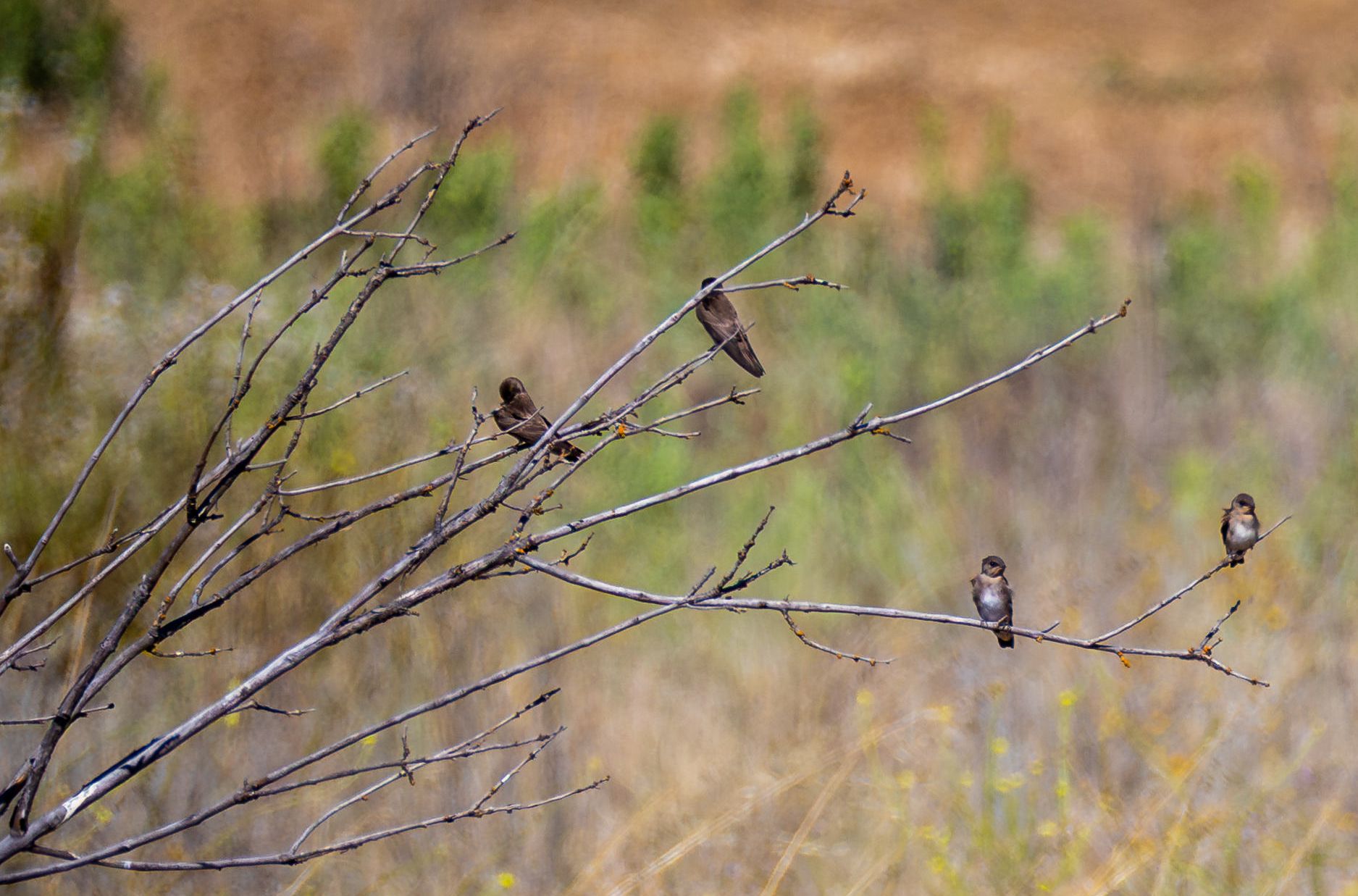
We had a good crowd of 10 people and immediately we started looking at the Cliff Swallow nests all around the lavatory in the parking lot. It is so nice to be 3 feet away from swallows. Only one swallow had a perfect mud nest while the others seemed to have partial ones or maybe they just had not yet finished the job.
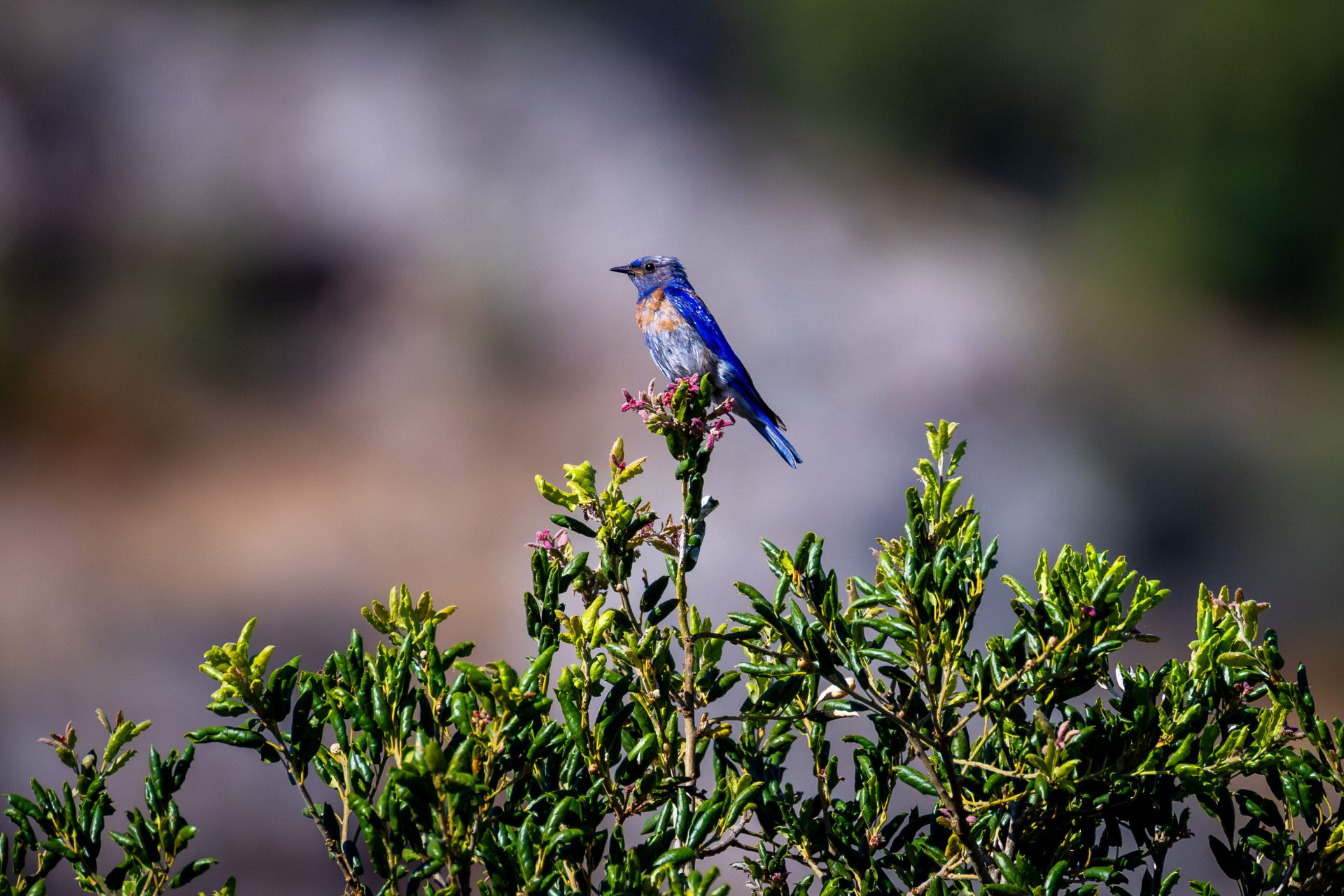
The meadow near the second parking lot always has good birds and pulled through again with a Red-winged Blackbird, Western Bluebirds, Lazuli Buntings, Ash-throated Flycatcher and a flock of 40 Rock Pigeons.

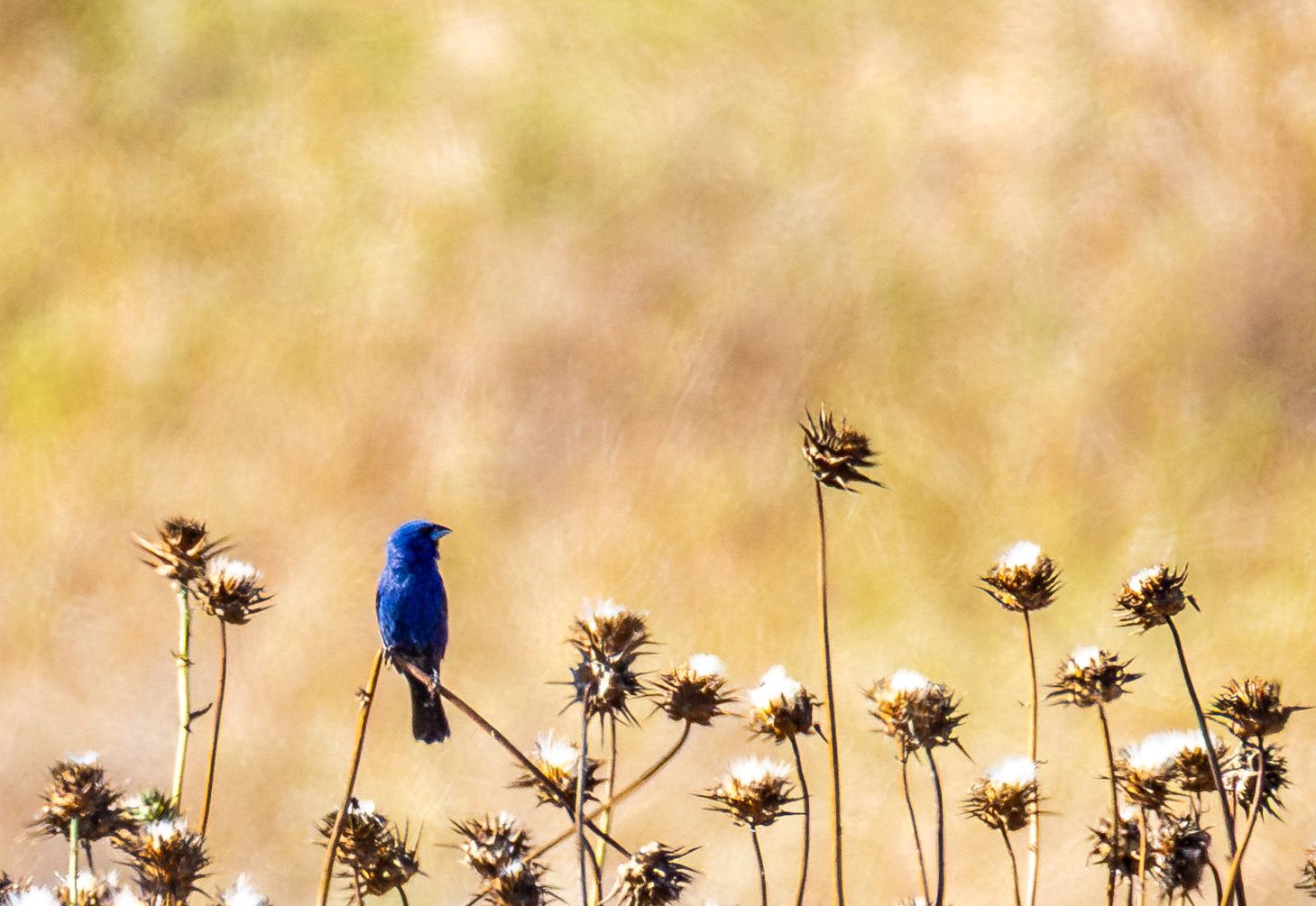
The big old Valley Oak across from the meadow still has the Acorn Woodpeckers circling around giving their ruckus cries. Looking way into the background of the meadow was a Cooper’s Hawk and then we heard the sing-song of a grosbeak which turned out to be a Blue Grosbeak.
A Chat was teasing us with his song just across from the bathrooms in the impossibly dense creekside forest, impossible for finding the bird. The area around the parking lot also gave us a White-breasted Nuthatch and an Oak Titmouse. Overhead was a sky full of Turkey Vultures, more than I have ever seen before at Malibu Creek.
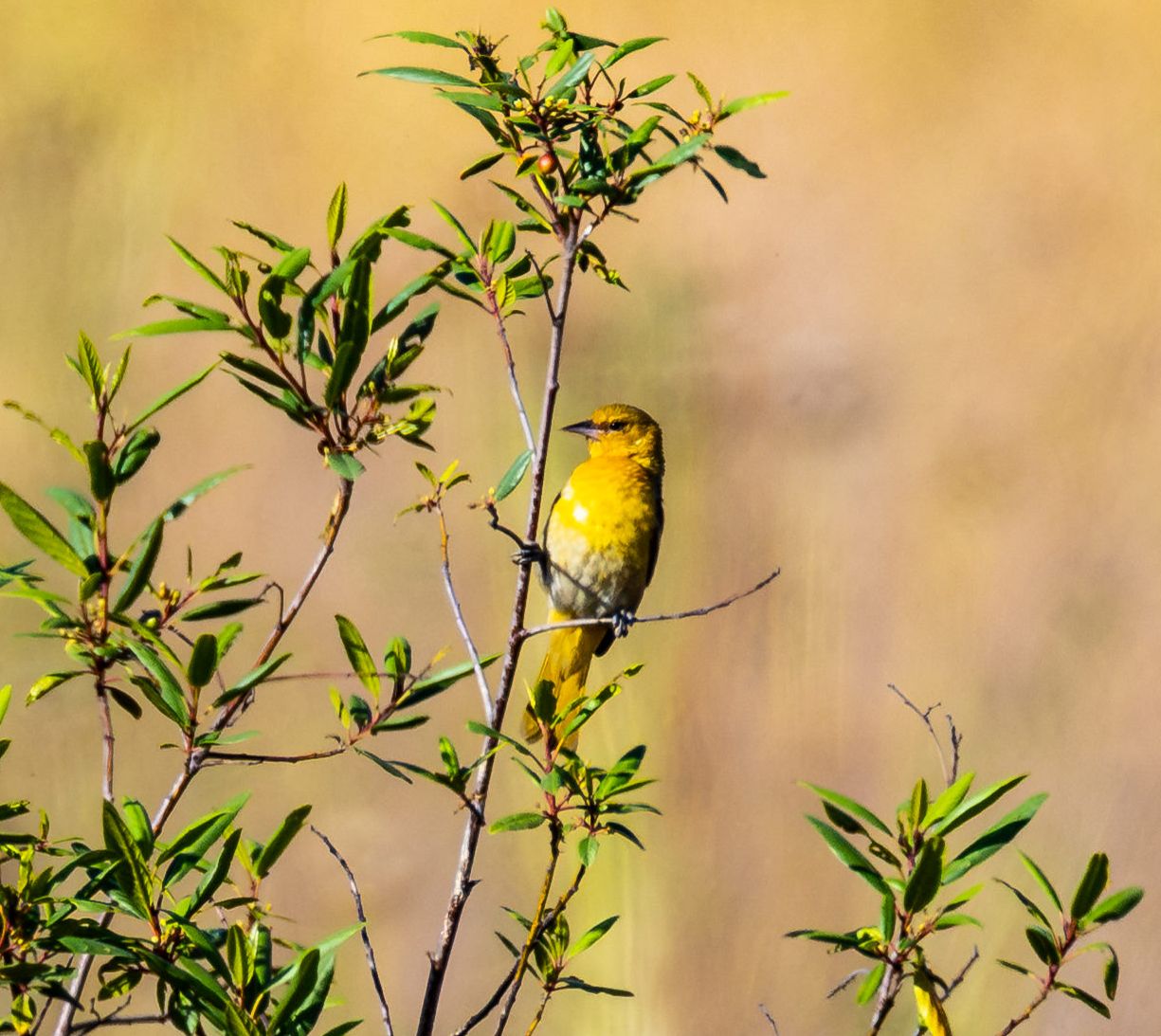
As we headed toward the bridge, there were Bullocks Orioles, Juncos (they are becoming such a successful species), and then there was a quark sound and a few minutes later someone found the Phainopepla.

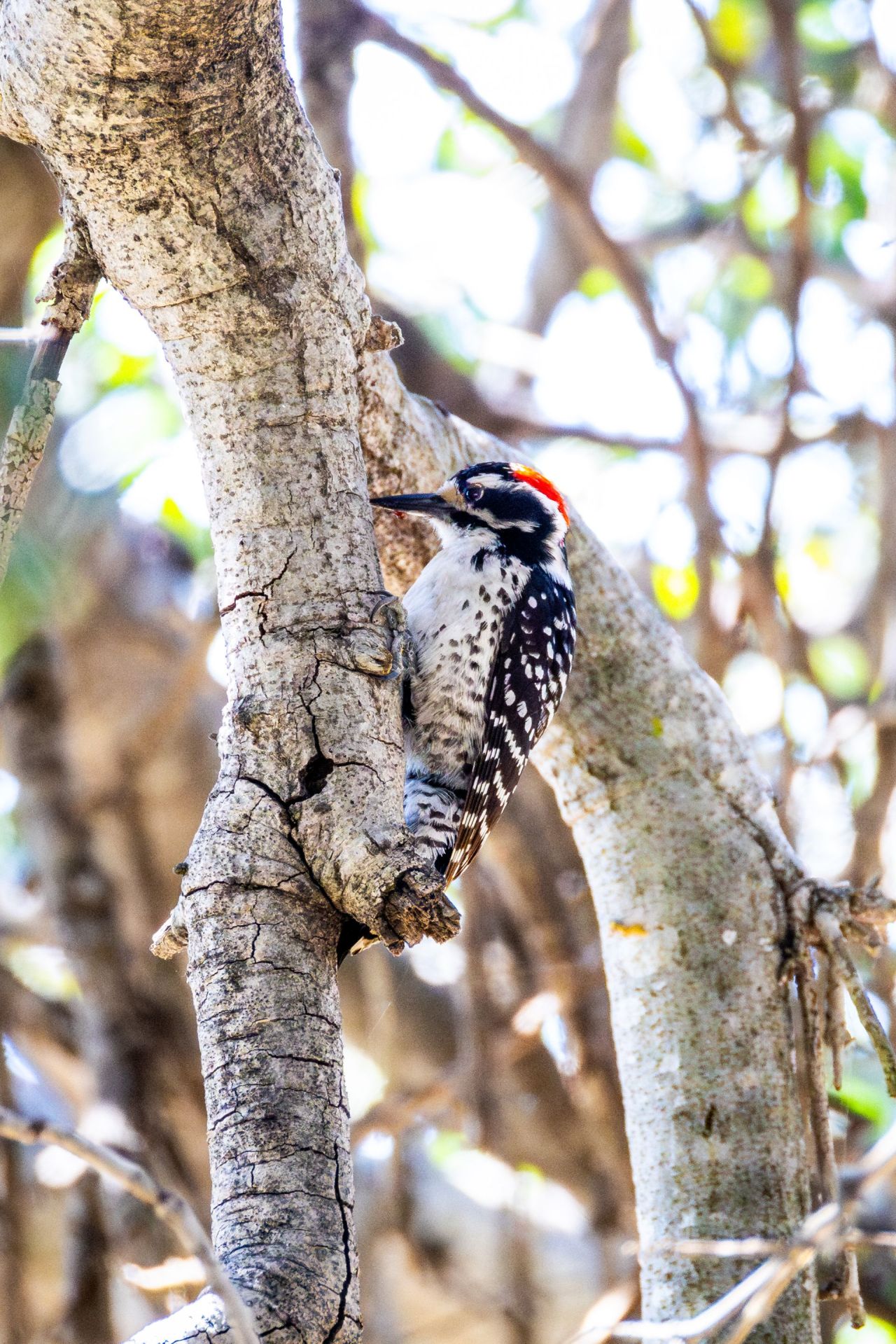
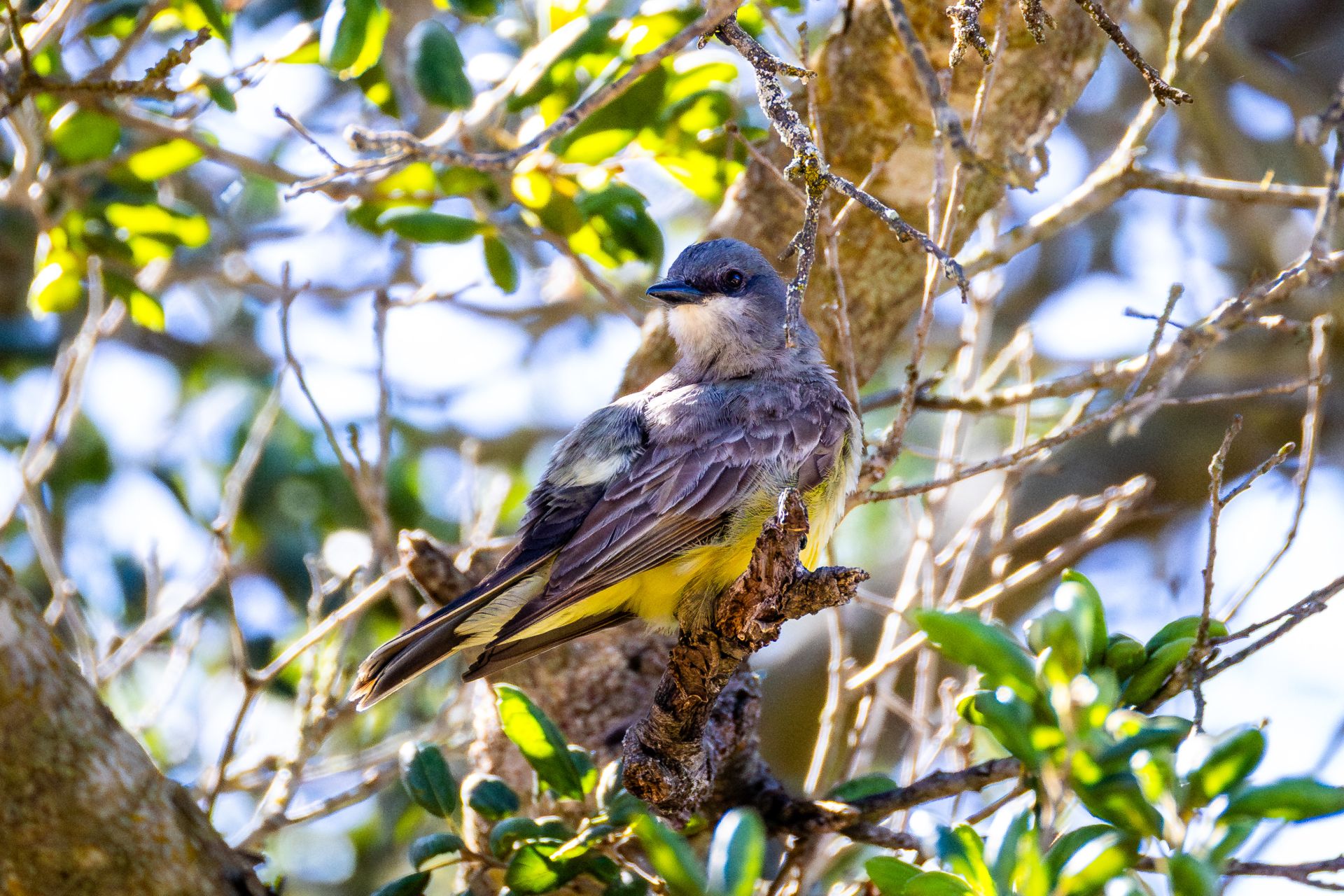
Yellow Warblers were becoming common but the sounds of that no-see-um Chat kept haunting us. A Nuttall’s Woodpecker was seen climbing around the trunk of one of the conifers along with a Cassin’s Kingbird and the requisite Black Phoebe and Scrub Jay.
As we moved toward the river, there were several Cliff Swallows busy picking up mud for their nests.

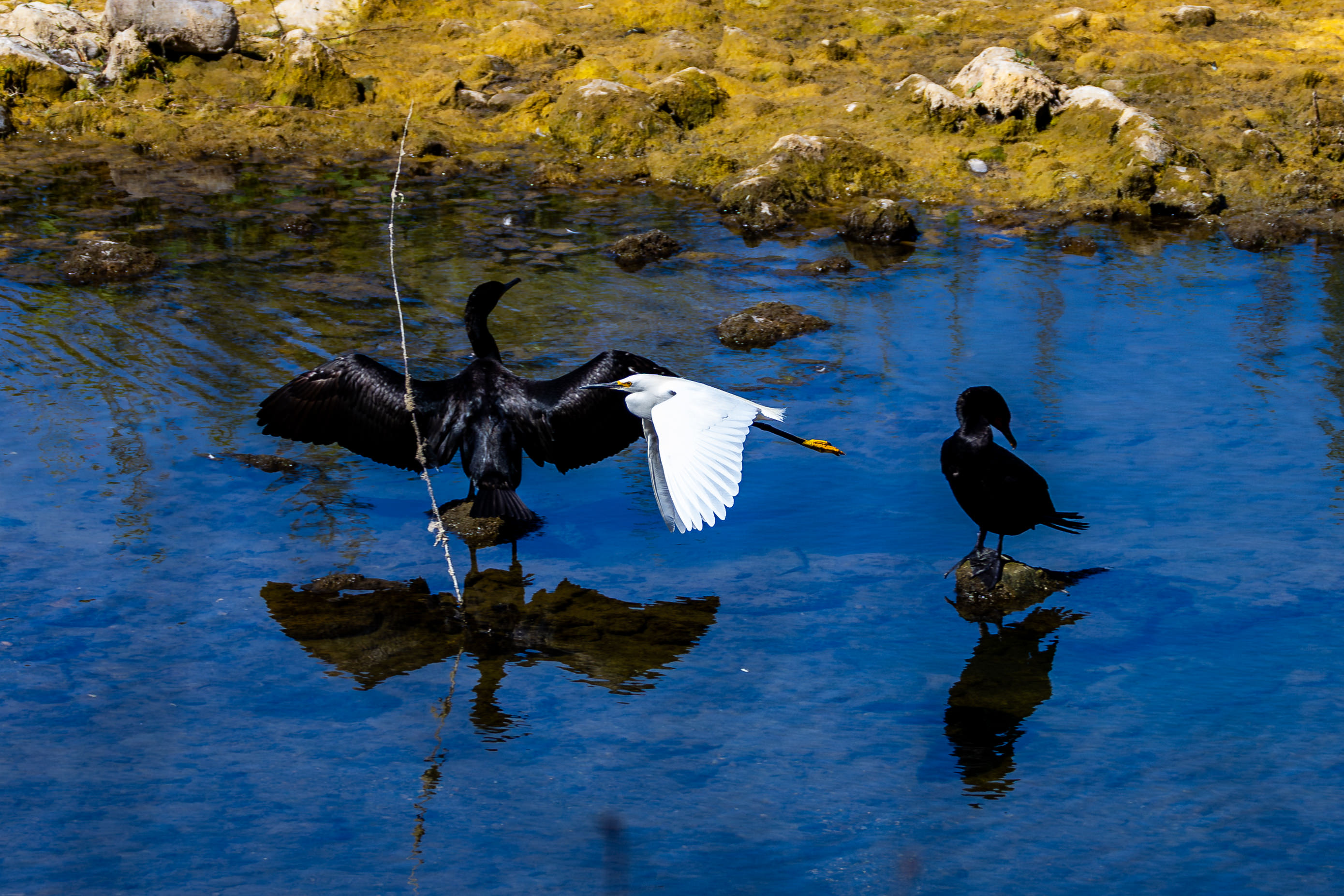
At the river, there were Snowy & Great Egrets, Canada Geese with 3 goslings, Killdeer, Double Crested Cormorant, and Green Heron. We ended with a Lessor Goldfinch. The weather was perfect with a slight breeze keeping the area very pleasant.


We walked the creekside road through the oaks to the bridge and park headquarters. The HQ was closed, so we decided to return via the southern road and across the recently hand-built path of stones across the creek where the low bridge used to be before a heavy rain and creek flow washed it away. With steady walking it was only 15 minutes HQ to parking lot, something to remember if you’re in a hurry.

One of our newer members later declared this was now their favorite California park. Some of us have been hiking and birding there for over 50 years, and we never get tired of it.
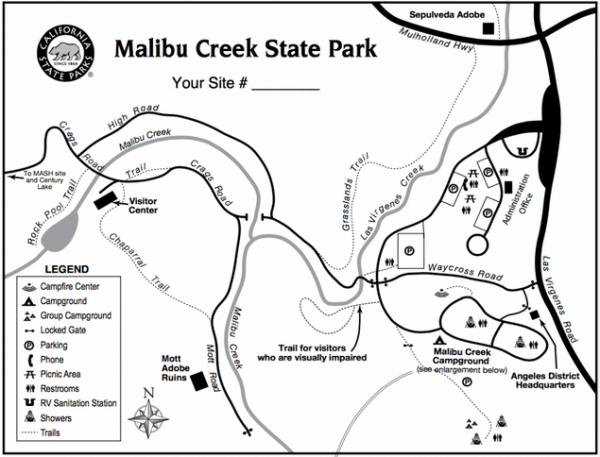
In the checklist below, H = heard only, X = present but number not counted
| Malibu Creek | State | Park | ||||
| Field Trips | 6/13/26 | 11/8/25 | 6/14/25 | 5/11/24 | 11/12/11 | 11/13/10 |
| Canada Goose | 2+3gosl | |||||
| American Wigeon | 2 | |||||
| Mallard | 20 | 14 | 10 | 5 | 20 | 15 |
| Ring-necked Duck | 1 | |||||
| Bufflehead | 2 | |||||
| California Quail | 20 | |||||
| Pied-billed Grebe | 1 | |||||
| Band-tailed Pigeon | 6 | 4 | 6 | 80 | 12 | |
| Mourning Dove | 3 | 10 | 19 | 5 | 2 | 2 |
| Feral Pigeon | 30 | 60 | ||||
| White-throated Swift | 5 | 5 | 20 | |||
| Black-chinned Hummer | 2 | |||||
| Anna’s Hummingbird | 1 | 1 | 5 | 3 | 1 | 2 |
| Allen’s Hummingbird | 1 | 1 | 2 | 1 | ||
| Hummingbird sp. | 1 | |||||
| American Coot | 10 | 1 | 20 | 15 | ||
| Killdeer | 1 | 1 | ||||
| Double-crested Cormorant | 2 | 1 | 1 | |||
| Snowy Egret | 3 | 6 | ||||
| Green Heron | 1 | 2 | ||||
| Great Egret | 2 | 1 | ||||
| Great Blue Heron | 1 | 1 | 2 | 2 | 1 | 1 |
| Turkey Vulture | 40 | 3 | 10 | 10 | ||
| White-tailed Kite | 2 | 2 | ||||
| Cooper’s Hawk | 1 | 2 | 2 | 1 | ||
| Northern Harrier | 1 | |||||
| Red-shouldered Hawk | 2 | 4 | 2 | 3 | 1 | |
| Red-tailed Hawk | 1 | 4 | 4 | 6 | 4 | 3 |
| Belted Kingfisher | 1 | 1 | ||||
| Red-naped Sapsucker | 1 | |||||
| Red-breasted Sapsucker | 1 | 2 | 1 | |||
| Acorn Woodpecker | 25 | 16 | 20 | 15 | 8 | 15 |
| Downy Woodpecker | 1 | 1 | 2 | |||
| Nuttall’s Woodpecker | 1H | 5 | 10 | 4 | 4 | 1 |
| Northern Flicker | 3 | 1 | 5 | 2 | ||
| American Kestrel | 2 | 2 | 1 | 2 | 4 | 1 |
| Nanday Parakeet | 4 | 11 | 8 | H | ||
| Cassin’s Kingbird | 1 | 5 | 2 | |||
| Western Wood-Pewee | X | |||||
| Western Flycatcher | 1 | 3 | 4 | |||
| Black Phoebe | 4 | 2 | 4 | 2 | 6 | 6 |
| Say’s Phoebe | 1 | 3 | 2 | |||
| Ash-throated Flycatcher | 3 | 9 | 5 | |||
| Cassin’s Kingbird | 4 | 2 | ||||
| Hutton’s Vireo | 2 | 1 | ||||
| Loggerhead Shrike | 2 | 1 | ||||
| California Scrub-Jay | 5 | 10 | 12 | 6 | 2 | 6 |
| American Crow | 20 | 30 | 6 | 10 | 30 | 30 |
| Common Raven | 6 | 6 | 4 | 8 | 10 | |
| Oak Titmouse | 1 | 10 | 22 | 10 | 20 | 12 |
| Tree Swallow | X | |||||
| Violet-green Swallow | 10 | 6 | 1 | |||
| Northern Rough-winged Swallow | 6 | 20 | 5 | |||
| Barn Swallow | 3 | |||||
| Cliff Swallow | 30 | 10 | 20 | |||
| Bushtit | 8 | 50 | 10 | 15 | 15 | |
| Wrentit | 4 | 8 | 2 | 3 | 1 | |
| Ruby-crowned Kinglet | 8 | 4 | 3 | |||
| White-breasted Nuthatch | 1 | 1 | 9 | 3 | 6 | 6 |
| Blue-gray Gnatcatcher | 7 | 3 | ||||
| Canyon Wren | 3 | 1 | ||||
| No. House Wren | 2H | 3 | 11 | 12 | 1 | 3 |
| Bewick’s Wren | 1 | 2 | 2 | |||
| California Thrasher | 2 | |||||
| Western Bluebird | 2 | 5 | 8 | 2 | 20 | 1 |
| Hermit Thrush | 4 | |||||
| American Robin | 1 | |||||
| Phainopepla | 1 | 4 | 1 | 2 | ||
| House Finch | 16 | 8 | 10 | 10 | 30 | 4 |
| Purple Finch | 2 | 6 | 2 | |||
| Pine Siskin | 5 | |||||
| Lesser Goldfinch | 4 | 6 | 10 | 10 | 1 | |
| Lark Sparrow | 20 | |||||
| Dark-eyed Junco | 8 | 8 | 4 | 8 | 30 | 12 |
| White-crowned Sparrow | 24 | 40 | 20 | |||
| Golden-crowned Sparrow | 2 | |||||
| White-throated Sparrow | 1 | |||||
| Song Sparrow | 3 | 1 | 5 | 6 | 4 | 1 |
| California Towhee | 4 | 8 | 8 | 9 | 12 | 4 |
| Spotted Towhee | 4+4H | 2 | 6 | 8 | 8 | 4 |
| Yellow-breasted Chat | 1H | 2 | 1 | |||
| Hooded Oriole | 2 | |||||
| Bullock’s Oriole | 5 | 4 | ||||
| Red-winged Blackbird | 6 | 10 | 1 | |||
| Brown-headed Cowbird | 4 | 3 | ||||
| Orange-crowned Warbler | 1 | 8 | 5 | |||
| Common Yellowthroat | 2 | 10 | 6 | 2 | 1 | |
| Yellow Warbler | 20H | 8 | 12 | |||
| Yellow-rumped Warbler | 8 | X | 40 | 40 | ||
| Townsend’s Warbler | 1 | X | ||||
| Wilson’s Warbler | X | |||||
| Western Tanager | 2 | |||||
| Black-headed Grosbeak | 2 | |||||
| Blue Grosbeak | 1 | 2 | ||||
| Lazuli Bunting | 3 | 6 | 1 | |||
| Total Species: 95 | 46 | 50 | 65 | 47 | 47 | 48 |
California Bird Atlas Big Weekend 2026 Results
[Posted by Chuck Almdale]
In our continuing mission to post items about the California Bird Atlas project and get as many people as possible interested in and contributing to this project, here’s an announcement from Van Pierszalowski, instigator and director of this 5-year project.
Hi birders,
I’m happy to report that the inaugural California Bird Atlas Big Weekend (June 4-7, 2026) was a tremendous success! Thank you so much to our partners for organizing 54 (!) field trips and events throughout the state in a single weekend. Special thanks as well to our incredible Regional Coordinators and the broader atlasing community.
Amazingly, 47% of the confirmed breeding codes recorded during Big Weekend represented new confirmations (species breeding in atlas blocks where they hadn’t yet been confirmed). This highlights the strategic approach atlasers took throughout the weekend, focusing their efforts on expanding coverage and documenting breeding evidence where it mattered most. Many atlasers reported using Blockboard to help identify these opportunities.
See a recap of Big Weekend statistics below. For a deeper dive (plus some of our favorite photos from the weekend), check out the News post on the CBA eBird platform.
BIG WEEKEND BY THE NUMBERS
- 4,180 Atlas checklists were submitted
- 1,211 atlasers submitted checklists, including 181 first-time atlasers
- 1,575 blocks received data, including 194 blocks that had not previously received Atlas coverage (see the News post for a map)
- 26,809 breeding codes were submitted, including 6,121 confirmed-level codes
- 308 species received breeding codes, including 226 species with Confirmed-level breeding codes
- 4,865 confirmed breeding “block ticks” (each species in each block = one block tick), including 2,287 new confirmed block ticks
DISCOVERIES
- What appears to be the first confirmed breeding record of Canyon Wren in Solano County was reported by Eric Pilotte at Stebbins Cold Canyon Reserve on June 7.
- Atlasers added two new species to the Atlas’s list of confirmed breeders: Bufflehead (reported by Sam Eberhard in Lassen County) and Green-winged Teal (reported in three different blocks — two in Plumas County, one in El Dorado County).
We will be organizing CBA Big Weekends every year throughout the Atlas period (2026-2030), and it will be exciting to see how the results evolve from year to year. Thank you again to the incredible birding community, and here’s to another great atlasing weekend starting now.
Happy Atlasing,
Van Pierszalowski
Director, California Bird Atlas
CBA website: www.californiabirdatlas.org
Join the CBA eBird project: www.ebird.org/atlascalifornia
Restore Malibu Creek! | dot Org
[Posted by Chuck Almdale]
Not just a good idea, but the name of an organization devoted to the idea. Check out their website, gain some perspective and learn some history about our local and oft-beleaguered creek. Particularly the Rindge Dam, now long past it’s tear-down date.
Link: https://restoremalibucreek.org/
The opening aerial view, approaching the lagoon and creek from the ocean at low tide, is stunning. Don’t miss it!
There are lots of interesting articles on their blog page, currently featuring one about Tidewater Gobies.
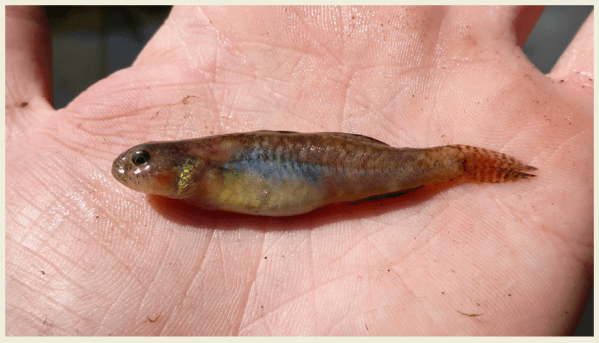
(Dr. Brenton Spies / Malibu Creek Ecosystem Restoration Project)



