Free email delivery
Please sign up for email delivery in the subscription area to the right.
No salesman will call, at least not from us. Maybe from someone else.
Field Trip Report: Malibu Creek State Park; Sat., 13 November, 2010
The first bird of the morning was a White-tailed Kite which we saw from the parking lot. It was an unexpected treat because these birds have been uncommon in the park in recent years.
It was still cold when we left the parking lot and walked past the
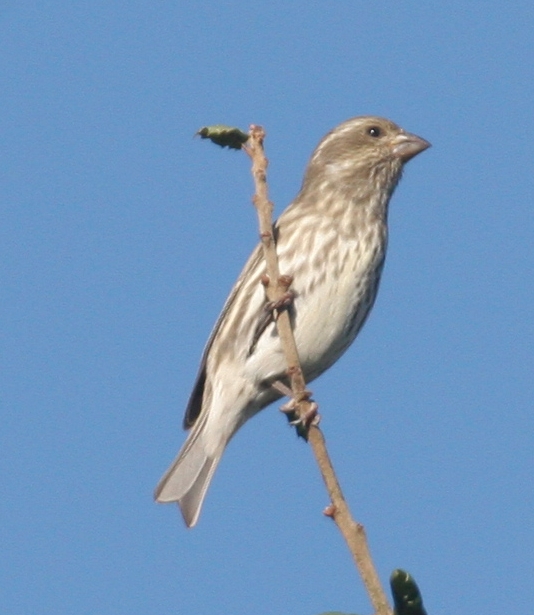
Purple Finch ♀ - Note robust bill, unstreaked vent (A. Kotin 11/13/10)
amphitheater and along the edge of the campground. Although the campground is usually very “birdy” we found it to be rather quiet, perhaps because of the cold. However, a female Purple Finch perched in the open where we able to see it well and there were a few sparrows moving around. As we walked from the campground along the access road, the first Red-tailed Hawk of the morning soared overhead.
As we started along the Nature Trail, we saw a Say’s Phoebe and a female Purple Finch with a robust lower mandible. The mature oak trees along that trail offered some species typical of that habitat, including Oak Titmouse, Bushtit, White-breasted Nuthatch and Ruby-crowned Kinglet. Our attention was drawn to the song of a Hutton’s Vireo and most of us got good looks at the bird although it was quite active.

Cassin's Kingbird - backlighting creates illusion of white outer tail feathers (A. Kotin 11/13/10)
After leaving the Nature Trail, we crossed the creek and started along Crags Road in the direction of the Visitors’ Center. As we walked along Crags Road, we found a Loggerhead Shrike and a small flock of Pine Siskin among other species. A few people got a look at a Canyon Wren that had been calling repeatedly from rocky outcrop next to the trail.
We had good looks at a Red-breasted Sapsucker that was busily drilling holes in one of the trees near the Visitors’ Center and a few people saw a Red-naped Sapsucker in the same tree. When we left the area of the Visitors’ Center, we took advantage of the sun angle to get a better look at a small flock of Band-tailed Pigeons that was perched in the trees along the creek. As we walked back to the parking lot for a late picnic lunch, we realized that the White-tailed Kite was still present.
A review of the checklist (shown below) made it clear that we missed a few of the species commonly found in the park while enjoying some unusual sightings. [Chuck Almdale]
| Malibu Creek State Park | Trip List | |
| Mallard | Anas platyrhynchos | 15 |
| Ring-necked Duck | Aythya collaris | 1 |
| Great Blue Heron | Ardea herodias | 1 |
| White-tailed Kite | Elanus leucurus | 2 |
| Red-shouldered Hawk | Buteo lineatus | 1 |
| Red-tailed Hawk | Buteo jamaicensis | 3 |
| American Kestrel | Falco sparverius | 1 |
| American Coot | Fulica americana | 15 |
| Band-tailed Pigeon | Columba fasciata | 12 |
| Mourning Dove | Zenaida macroura | 2 |
| White-throated Swift | Aeronautes saxatalis | 20 |
| Anna’s Hummingbird | Calypte anna | 2 |
| Belted Kingfisher | Ceryle alcyon | 1 |
| Acorn Woodpecker | Melanerpes formicivorus | 15 |
| Red-naped Sapsucker | Sphyrapicus nuchalis | 1 |
| Red-breasted Sapsucker | Sphyrapicus varius | 1 |
| Nuttall’s Woodpecker | Picoides nuttallii | 1 |
| Downy Woodpecker | Picoides pubescens | 2 |
| Northern Flicker | Colaptes auratus | 2 |
| Black Phoebe | Sayornis nigricans | 6 |
| Say’s Phoebe | Sayornis saya | 2 |
| Cassin’s Kingbird | Tyrannus vociferans | 2 |
| Loggerhead Shrike | Lanius ludovicianus | 1 |
| Hutton’s Vireo | Vireo huttoni | 1 |
| Western Scrub-Jay | Aphelocoma californica | 6 |
| American Crow | Corvus brachyrhynchos | 30 |
| Common Raven | Corvus corax | 10 |
| Oak Titmouse | Baeolophus inornatus | 12 |
| Bushtit | Psaltriparus minimus | 15 |
| White-breasted Nuthatch | Sitta carolinensis | 6 |
| Canyon Wren | Catherpes mexicanus | 1 |
| Bewick’s Wren | Thryomanes bewickii | 2 |
| House Wren | Troglodytes aedon | 3 |
| Ruby-crowned Kinglet | Regulus calendula | 3 |
| Western Bluebird | Sialia mexicana | 1 |
| Wrentit | Chamaea fasciata | H |
| Yellow-rumped Warbler | Dendroica coronata | 40 |
| Common Yellowthroat | Geothlypis trichas | 1 |
| Spotted Towhee | Pipilo maculatus | 4 |
| California Towhee | Pipilo crissalis | 4 |
| Song Sparrow | Melospiza melodia | 1 |
| White-crowned Sparrow | Zonotrichia leucophrys | 20 |
| Dark-eyed Junco | Junco hyemalis | 12 |
| Purple Finch | Carpodacus purpureus | 2 |
| House Finch | Carpodacus mexicanus | 4 |
| Pine Siskin | Carduelis pinus | 5 |
| Lesser Goldfinch | Carduelis psaltria | H |
| Total 47 Birds |
Snowy Plover Update for northern Los Angeles County
The following message appeared on LACountyBirds on Sunday, Nov. 14, 2010. As a recent field trip report refers to the absence of Snowy Plovers at Malibu during our regular 4th Sunday of the month Malibu Lagoon birdwalk, I thought I’d share this with everyone, as you may not be a subscriber to the LACoBirds web chat. [Want to sign up? Read this.] [Chuck Almdale]
***************************
It does appear that only a few snowy plovers were observed at Malibu Lagoon between October 23 and November 10. The good news: we surveyed the three northern roosts at Zuma, Malibu Lagoon and Santa Monica, using the snowy plover survey protocol, on Friday (11/12/10) and found 143 snowy plovers among the three roosts, including 47 at Malibu Lagoon. For comparison we found 162 at these three roosts in October and 134 in September. We have observed large roosts relocate in the past and have noted that in some years, most birds remain at the main roost sites, and in other years they are more scattered. We haven’t come up with any definitive reason or observed anything out of the ordinary that might have caused the temporary relocation.
If anyone is interested, we are going to hold our annual Snowy Plover volunteer training on Saturday, January 8, 2011. If you are interested in becoming an LA County Snowy Plover monitor or docent, please contact Stacey Vigallon at LA Audubon off the listserv at (svigallon@hotmail.com). We expect the USFWS winter window survey to be during the second week of January next year, followed by surveys in March, May, and September. [Thomas Ryan]
Malibu Lagoon Restoration to Benefit All
There has been some recent controversy concerning Malibu Lagoon. A petition, circulated among local citizens and lagoon visitors, objected to planned changes to the lagoon configuration. In my personal opinion, the presenter of the petition made it sound as if these plans came out of nowhere, a surprise foisted upon an unsuspecting public. In reality, the upcoming changes are Phase Two of a plan which has been in the works for many years, and involved representatives of all of the concerned local NGO”s and governmental divisions. The lagoon has had problems for many decades: no one is completely happy with the current situation, and no one is completely happy with the proposed plans. Yet something needs to be done, and this was the best solution which could be agreed upon by the various involved parties.
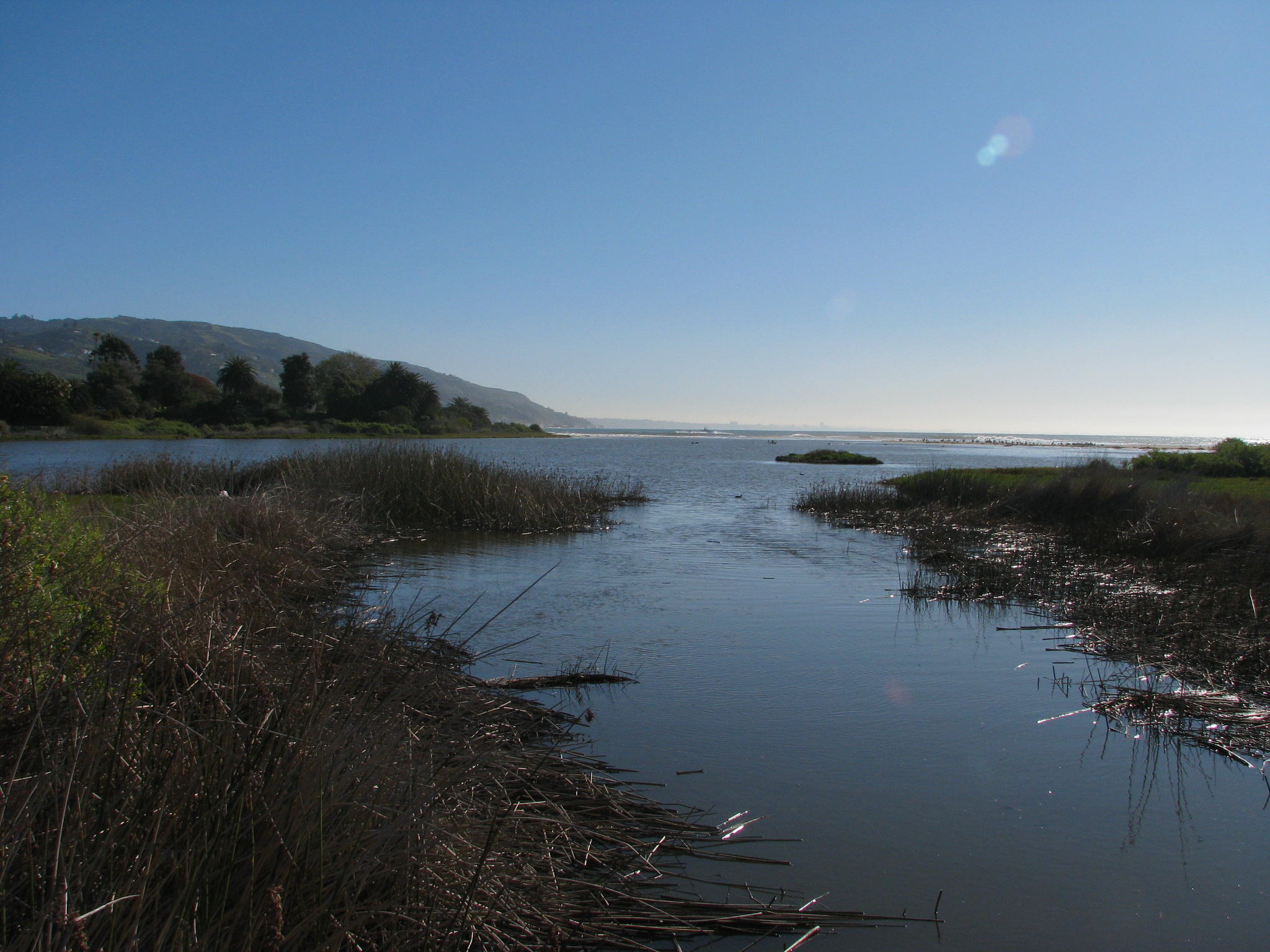
High tide in 1st channel (L.Johnson 2/10)
An excellent article, written by Suzanne Goode, Senior Environmental Scientist for California State Parks, Angeles District, appeared in the Public Forum of the Malibu Times on October 6, 2010. It describes just what is actually planned for Malibu Lagoon, and why. The first paragraph is presented below, followed by a link to the original article. I encourage all interested parties to follow the link and read the entire article. [Chuck Almdale]
***********************
We are writing to set the record straight on the Proposed Phase Two of the Malibu Lagoon Restoration Project, which is the fruition of a comprehensive planning effort that began over two decades ago. Understanding the importance of Malibu Lagoon, California State Parks undertook its initial restoration in 1983 and removed baseball fields located on artificially filled historic wetlands, created three tidal channels, planted salt marsh and other native vegetation.
Link to complete article: http://www.malibutimes.com/articles/2010/10/06/opinion/opinion/opinion2.txt
Malibu Lagoon Trip Report: 24 October, 2010
It’s only late October, but you know winter is definitely on its way when the temperatures plunge way, way down into the low to mid 60’s. And they say California is always sunny and warm. Who’re they kidding? Who are they, anyway?
Yours truly was out-of-town, so I, personally, haven’t much to report. Fortunately, our trusty Conservation Chairman and renowned Snowy Plover enthusiast, Lu Plauzoles, did the monthly census. He reports that bird numbers were reduced, probably due to the full moon high tide. Sand had closed the lagoon outlet, so the group was able to continue down the beach to Adamson House, where workers scurried about prepping for yet another installment in the endless sequence of weddings which occur there.
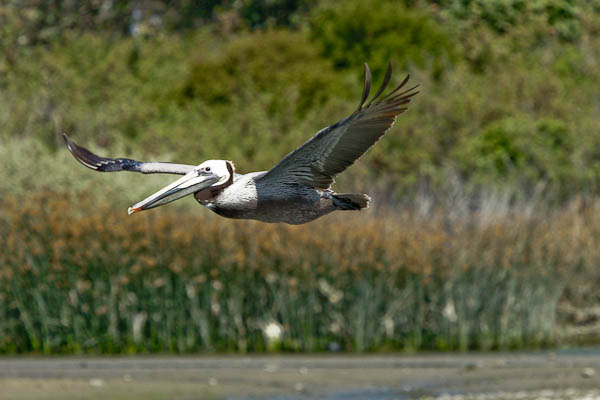
Brown Pelican flying low (C.Bragg 5/10)
The most uncommon bird was the single Herring Gull. We regularly see this species, which is abundant on the Atlantic Coast, during the winter, but usually in one’s and two’s. Occasionally their numbers spike: we recorded 35 of them on 4/25/81 and 3/27/94. The 30 Long-billed Dowitchers was also unusual; this species doesn’t spend much time at the lagoon, probably because the often-anaerobic conditions in the lagoon bottom makes foraging for invertebrates unrewarding for them, and so they go elsewhere. [See article on Lagoon restoration which addresses this problem, among other problems.]
The Brant which had spent six months at the lagoon finally disappeared. Also absent was the roosting colony of Snowy Plovers, most likely due to the high tide which had just washed completely over the beach where they normally roost and into the lagoon. Lu later discovered that the Snowy Plover colony on north Santa Monica beach was significantly larger than usual, so we think that some of the Malibu birds had (probably temporarily) relocated to that much wider beach, safely above the surf. Our records of banded birds has proved in previous years that there is movement between these two colonies and the colony at Zuma Beach. [A news update on the Snowies is here.]
The July-Oct chart below will grow monthly through December, but six months of data is all I can squeeze into this blog format. For prior periods, follow these links to Jan-Jun‘10, Jul-Dec‘09, and Jan-June‘09. [Chuck Almdale]
| 2010 Malibu Census | 25-Jul | 22-Aug | 26-Sep | 24-Oct |
| Temperature | 60-67 | 68-75 | 70-79 | 60-65 |
| Tide Height | +4.05 | +4.32 | +5.54 | +6.02 |
| Low/High & Time | H:1036 | H:0933 | H:1055 | H:0952 |
| (Black) Brant | 6 | 5 | 5 | |
| Gadwall | 20 | 2 | ||
| American Wigeon | 1 | 1 | ||
| Mallard | 49 | 55 | 48 | 10 |
| Northern Shoveler | 4 | 8 | ||
| Northern Pintail | 6 | |||
| Ruddy Duck | 3 | 5 | 15 | 7 |
| Pied-billed Grebe | 5 | 9 | 18 | 3 |
| Eared Grebe | 2 | 5 | ||
| Western Grebe | 4 | 6 | ||
| Brown Pelican | 187 | 163 | 46 | 40 |
| Dble-crstd Cormorant | 20 | 30 | 38 | 15 |
| Great Blue Heron | 6 | 6 | 5 | 3 |
| Great Egret | 4 | 4 | 6 | 2 |
| Snowy Egret | 14 | 19 | 14 | 2 |
| Green Heron | 1 | 1 | ||
| Blk-crwnd N-Heron | 4 | 7 | 10 | 6 |
| Osprey | 1 | |||
| Cooper’s Hawk | 1 | |||
| Red-tailed Hawk | 1 | |||
| American Kestrel | 1 | |||
| Merlin | 1 | |||
| Sora | 1 | 1 | 1 | |
| American Coot | 15 | 28 | 230 | 100 |
| Blk-bellied Plover | 55 | 78 | 100 | |
| Snowy Plover | 26 | 44 | 62 | |
| Semipalmated Plover | 6 | 11 | ||
| Killdeer | 3 | 3 | 1 | |
| Willet | 7 | 10 | 56 | 26 |
| Spotted Sandpiper | 1 | 2 | 3 | |
| Whimbrel | 48 | 8 | 17 | |
| Long-billed Curlew | 1 | |||
| Marbled Godwit | 22 | |||
| Ruddy Turnstone | 3 | 3 | 10 | 5 |
| Black Turnstone | 8 | |||
| Sanderling | 4 | 30 | 20 | |
| Western Sandpiper | 20 | 4 | 28 | |
| Least Sandpiper | 2 | 4 | 14 | |
| Pectoral Sandpiper | 1 | |||
| Short-billd Dowitcher | 1 | |||
| Long-billed Dowitcher | 30 | |||
| Wilson’s Phalarope | 1 | |||
| Heermann’s Gull | 125 | 62 | 68 | 41 |
| Ring-billed Gull | 4 | 30 | 97 | |
| California Gull | 1 | 3 | 22 | 8 |
| Western Gull | 80 | 66 | 73 | 52 |
| Herring Gull | 1 | |||
| Caspian Tern | 13 | 13 | ||
| Royal Tern | 2 | 2 | 1 | |
| Elegant Tern | 10 | 45 | 40 | 4 |
| Common Tern | 8 | |||
| Forster’s Tern | 5 | 6 | ||
| Least Tern | 36 | |||
| Black Tern | 1 | |||
| Black Skimmer | 35 | 103 | ||
| Rock Pigeon | 6 | 4 | 12 | 45 |
| Mourning Dove | 4 | 3 | 2 | 1 |
| Anna’s Hummingbird | 1 | 2 | 2 | 10 |
| Allen’s Hummingbird | 6 | 4 | 1 | 6 |
| Belted Kingfisher | 1 | 1 | 1 | |
| Downy Woodpecker | 1 | |||
| Gray Flycatcher | 1 | |||
| Black Phoebe | 2 | 5 | 5 | 8 |
| Cassin’s Kingbird | 1 | 2 | ||
| Western Kingbird | 4 | 4 | ||
| Western Scrub-Jay | 1 | |||
| American Crow | 6 | 4 | 3 | 18 |
| Tree Swallow | 1 | |||
| Rough-wingd Swallow | 5 | 3 | 4 | |
| Cliff Swallow | 10 | |||
| Barn Swallow | 20 | 8 | 1 | |
| Bushtit | 6 | 17 | 11 | |
| Bewick’s Wren | 1 | 2 | ||
| House Wren | 2 | 2 | ||
| Marsh Wren | 4 | |||
| Northern Mockingbird | 2 | 5 | 3 | |
| European Starling | 80 | 7 | 62 | |
| Yellow Warbler | 2 | |||
| Yellow-rumpd Warbler | 15 | |||
| Blk-thrtd Gray Warbler | 1 | |||
| Townsend’s Warbler | 1 | |||
| Common Yellowthroat | 4 | 5 | 4 | 10 |
| Wilson’s Warbler | 1 | |||
| Western Tanager | 1 | |||
| Spotted Towhee | 1 | |||
| California Towhee | 2 | 1 | ||
| Savannah Sparrow | 1 | |||
| Song Sparrow | 3 | 3 | 4 | 1 |
| White-crwnd Sparrow | 4 | 10 | ||
| Lazuli Bunting | 6 | |||
| Red-winged Blackbird | 1 | 2 | 14 | |
| Western Meadowlark | 3 | 1 | ||
| Brewer’s Blackbird | 15 | 1 | ||
| Brwn-headed Cowbird | 3 | 1 | 3 | |
| Hooded Oriole | 4 | 1 | ||
| House Finch | 2 | 4 | 10 | |
| Lesser Goldfinch | 2 | 3 | 2 | 5 |
| Lawrence’s Goldfinch | 2 | |||
| Totals by Type | Jul | Aug | Sep | Oct |
| Waterfowl | 58 | 71 | 93 | 28 |
| Water Birds-Other | 227 | 231 | 339 | 170 |
| Herons, Egrets | 28 | 37 | 36 | 13 |
| Quail & Raptors | 1 | 0 | 1 | 3 |
| Shorebirds | 127 | 162 | 325 | 164 |
| Gulls & Terns | 306 | 299 | 249 | 203 |
| Doves | 10 | 7 | 14 | 46 |
| Other Non-Pass. | 7 | 8 | 4 | 17 |
| Passerines | 152 | 76 | 176 | 76 |
| Totals Birds | 916 | 891 | 1237 | 720 |
| Total Species | Jul | Aug | Sep | Oct |
| Waterfowl | 3 | 4 | 6 | 5 |
| Water Birds-Other | 4 | 5 | 7 | 7 |
| Herons, Egrets | 4 | 5 | 5 | 4 |
| Quail & Raptors | 1 | 0 | 1 | 3 |
| Shorebirds | 10 | 10 | 16 | 5 |
| Gulls & Terns | 9 | 8 | 9 | 6 |
| Doves | 2 | 2 | 2 | 2 |
| Other Non-Pass. | 2 | 4 | 3 | 3 |
| Passerines | 16 | 19 | 29 | 14 |
| Totals Species – 98 | 51 | 57 | 78 | 49 |
Unusual Birds at Malibu Lagoon
Occasionally Malibu Lagoon gets an uncommon avian visitor. When we receive photos of these birds, we try to get them into an appropriate and upcoming blog/email, such as an announcement of an upcoming field trip. To reduce blogsite clutter, these announcements are deleted after the trip has run, but we hate to lose any interesting photos they may have contained. So we’re creating this blog as a permanent record of these photos. It will change when we add photos, but you won’t receive an email notification of such changes. You’ll just have to check back! New submissions always welcome. [Chuck Almdale]
***************
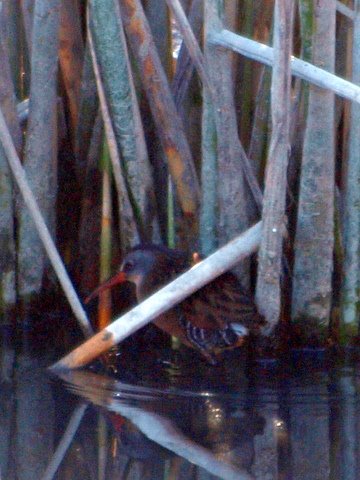
Virginia Rail (J. Waterman 11/28/10)
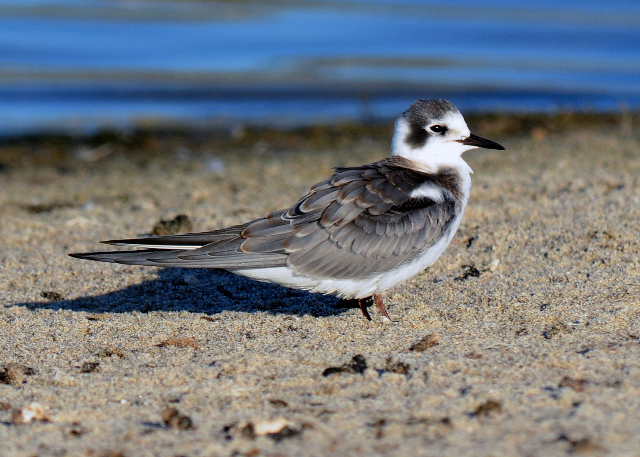
Black Tern juvenile (J.Kenney 9/26/10)
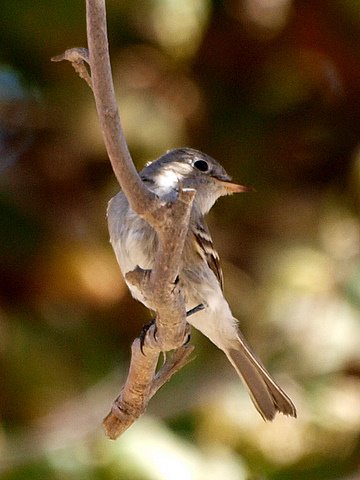
Gray Flycatcher - note dark tip of lower mandible (Joyce Waterman 9/26/10)
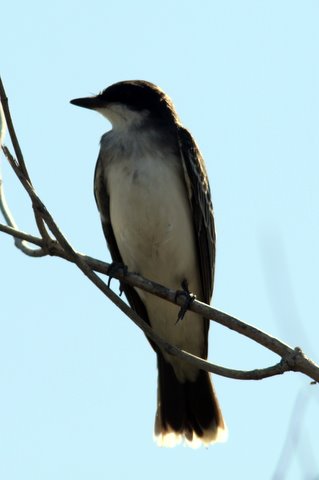
- Eastern Kingbird (Frank/Susan Gilliland 9/25/10)
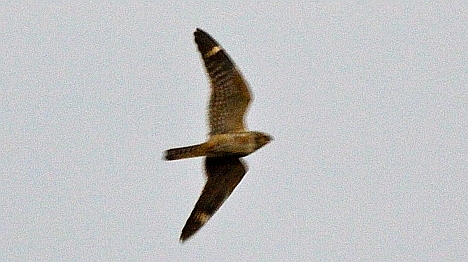
Lesser Nighthawk in the evening - not all birds at the lagoon are there in the morning (Daniel Tinoco 9/7/10)
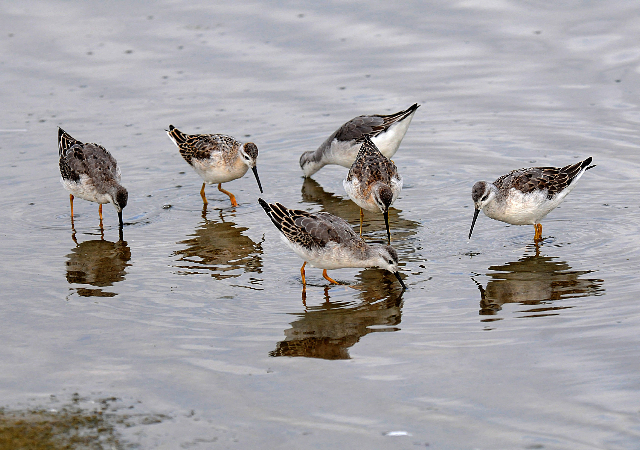
"Hey! Look! You can see the bottom!" (Wilson's Phalaropes by J.Kenney 9/10)
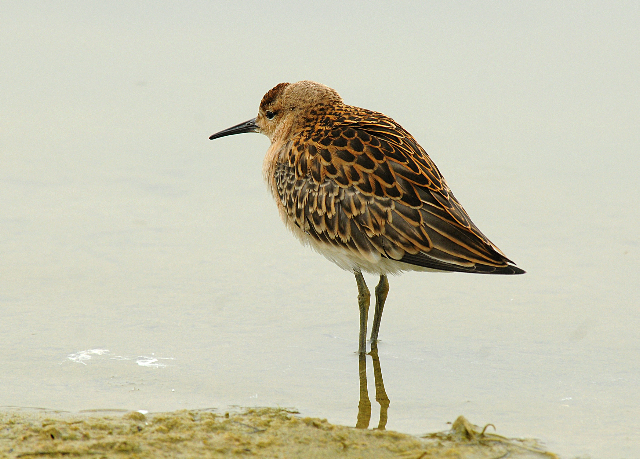
Even a juvenile Ruff appears! (J.Kenney 9/5/10)
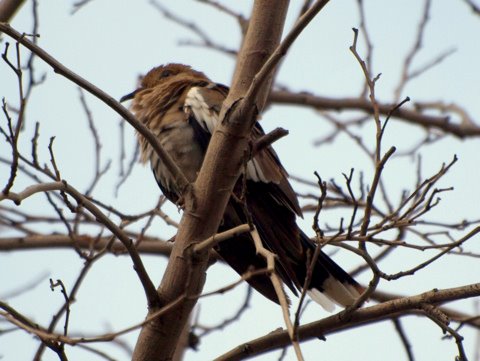
White-winged Dove (Joyce Waterman 8/29/10)
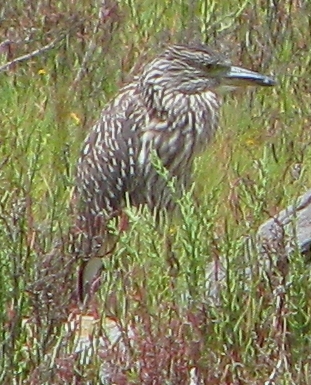
Yellow-crowned x Black-crowned Night-Heron Hybrid (L.Johnson 8/6/10
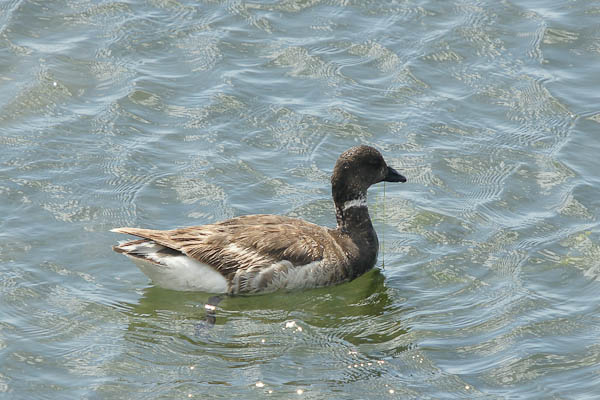
Brant (C.Bragg 5/10)
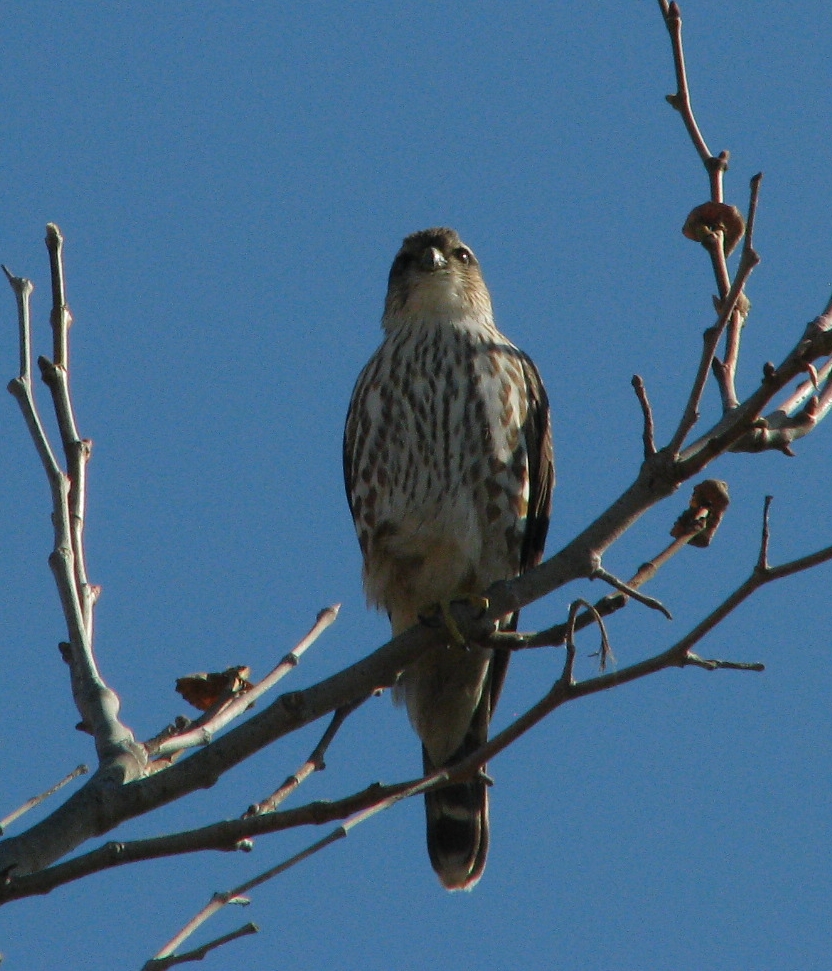
Merlin momentarily resting (L.Johnson 11/09)
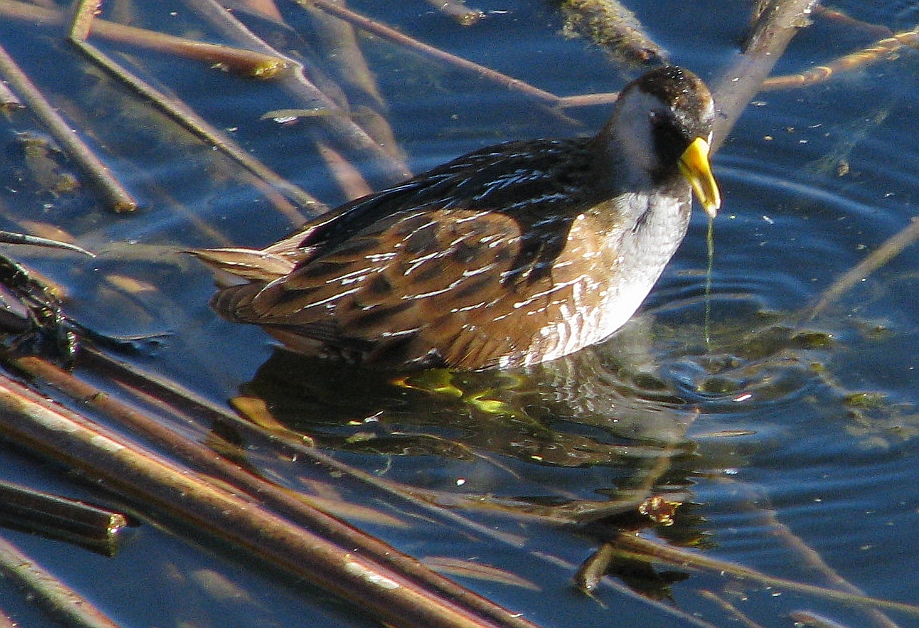
Sora seen from 1st footbridge (C.Almdale 11/09)
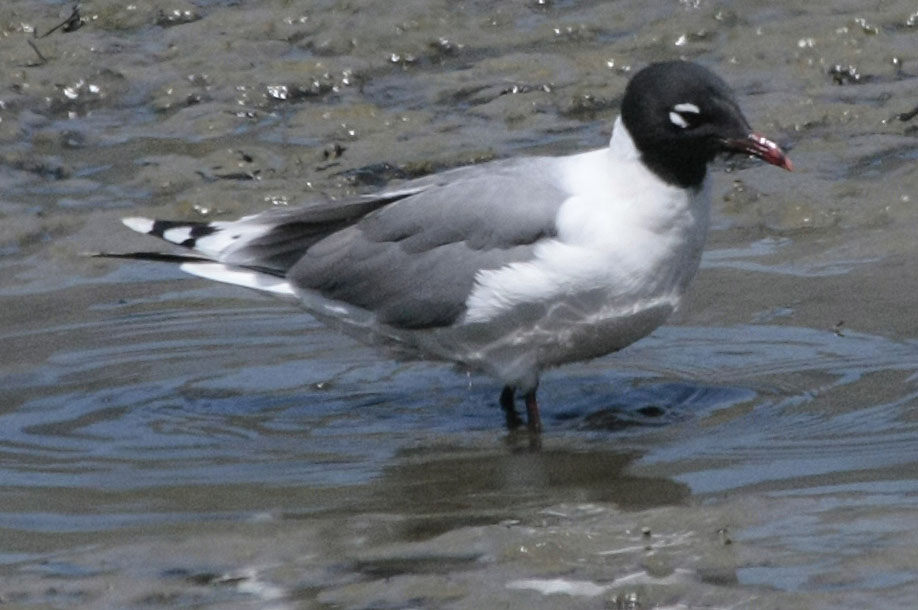
Franklin's Gull (Monica Minden (4/10/08)



 SANTA MONICA BAY AUDUBON SOCIETY BLOG