Shorebirds are returning: Malibu Lagoon, 28 July 2024
[Text by Chuck Almdale; photos by Marie Barnidge-McIntyre, Marsha Collins & Grace Murayama]
Don’t miss the quiz at the bottom.
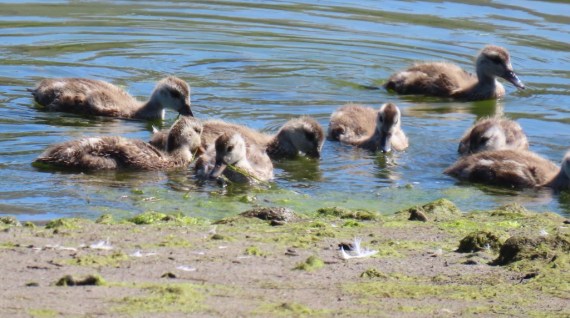
I find it difficult telling duckling Gadwalls from Mallards. Adult females are easier, so when I see a batch of ducklings I assign them to the species of the accompanying female(s). There’s no adult female in this picture but a close look at the bills makes me think they’re Gadwall, as the bills seem dark with a hint of orange/yellow around the edges, which the adult females tend to have. I’ve been sorting them on this theory for quite a while. My records show that up until 2017 Mallards outnumbered Gadwalls as summer breeders, in 2018-2019 they were about even, and since then the Gadwall have become relatively more numerous. This year Gadwall outnumbered Mallard two-to-one.
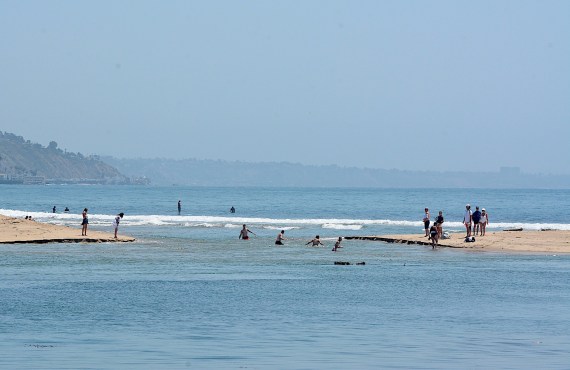
The photo below was taken on Thursday, but the weather looked the same on Sunday, loads of blue sky. The weather report claimed there would be 90% cloud cover, keeping the temperature down into the high 60s. What we had was blue sky and nice waves. It was also hot.
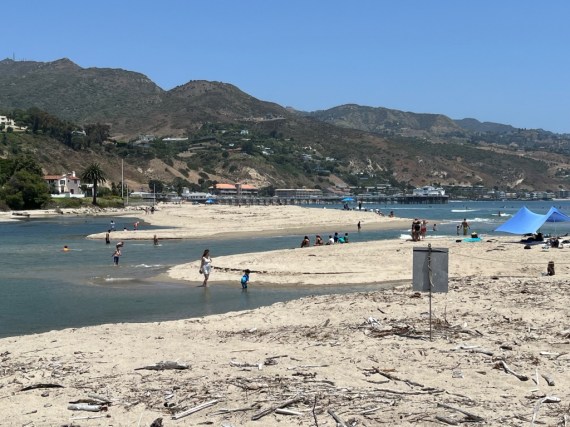
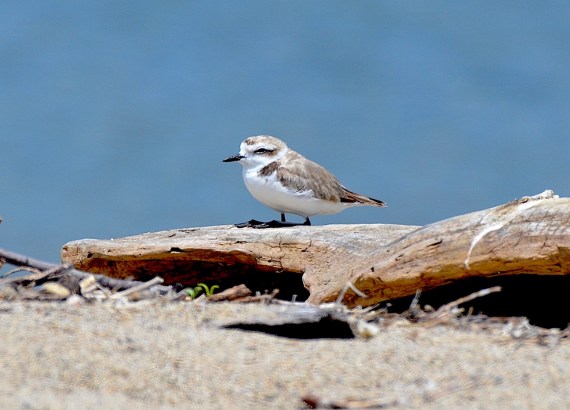
In the foreground is the back of a Snowy Plover “virtual enclosure” sign. People mostly pay attention to this encouragement to stay out of the area which borders the lagoon. Unfortunately the Snowy Plovers can’t read so they can be anywhere and usually are. But this time – to our great surprise – the six we found were well within the rope “fence,” running around through the abundant driftwood. I think the beach looks a lot better with driftwood on it.
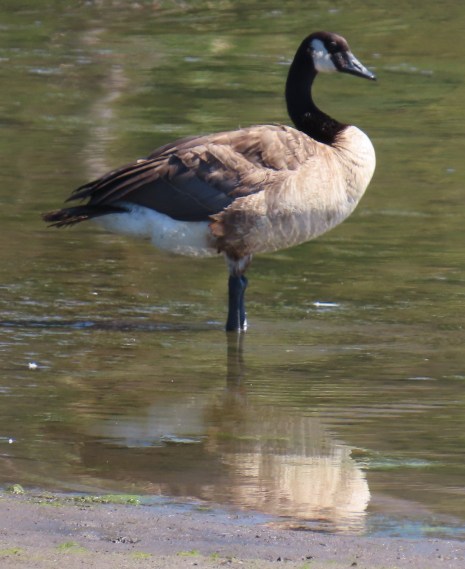
The Canada Geese nested again this year at the lagoon, perhaps two pair. One pair now remain with two young. Everyone was flying.
When this Turkey Vulture perched on the “Osprey Pole” someone commented, “I’ve heard that you can see right through their nose-holes side-to-side.” That’s correct and we proved it with the scope. “Why are the nostrils so large?” “Well…” I mused, “large nostrils aid in breathing, always a useful activity, but perhaps it also makes it easier to blow the dead meat out of their nose after they’ve stuck their head into a rotting corpse.” It could be true; seems reasonable to me, anyway.
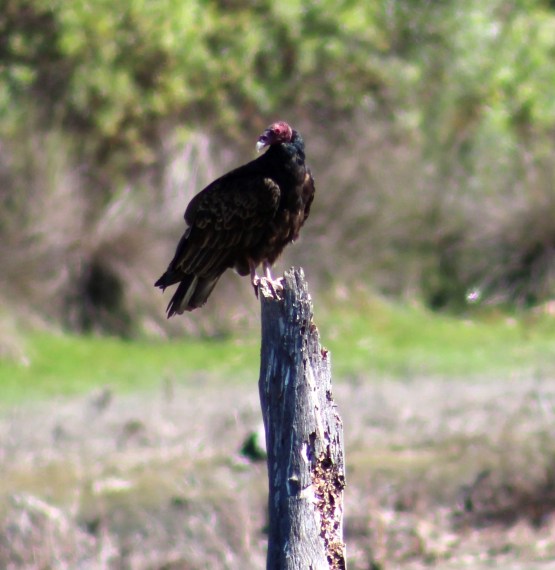
There were also three additional TV’s floating over and around the lagoon. Perhaps it was due to this particular animal lying on the sand across the narrow south channel from the vulture on the pole.
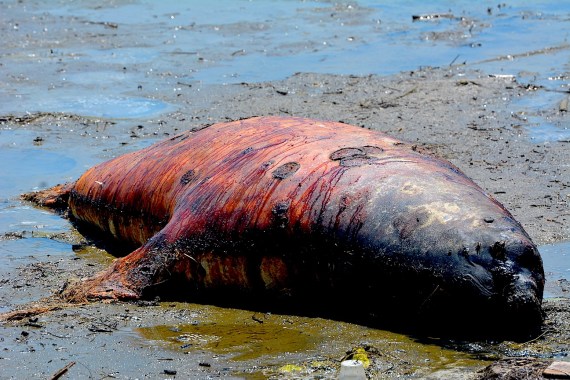
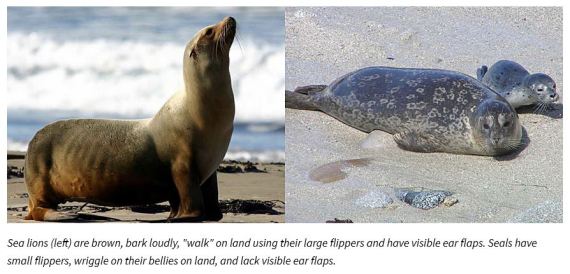
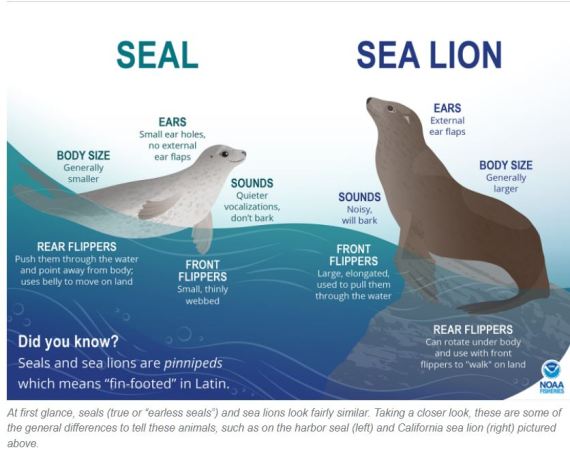
It didn’t look very good, but there was also no detectable odor which was surprising as I know it had been there for at least three days. I can’t see any ears on it in this photo, but from 30 feet away it seemed very large. California Sea Lions, which have external ear flaps, are 7-8 ft. long and weight 700-800 lbs. Harbor Seals, our other common pinniped, which have ear holes but no external ears, are much smaller, up to 6 ft. long and 300 lbs. No one knew why the back half was so red. Sunburn? Subcutaneous bleeding? Anyone care to express an opinion?
When we were there the lagoon water level was very low due to the 9:16 am low tide. It’s higher in this photo, three days earlier.
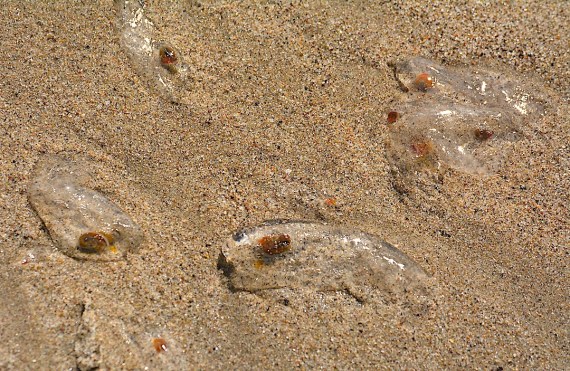
Salps must be everyone’s favorite non-human member of phylum chordata. They don’t have a backbone but otherwise are just like us! [Not really.] Wikipedia explains:
A salp (plural salps, also known colloquially as “sea grape”) is a barrel-shaped, planktonic tunicate in the family Salpidae. It moves by contracting, thereby pumping water through its gelatinous body; it is one of the most efficient examples of jet propulsion in the animal kingdom. The salp strains the pumped water through its internal feeding filters, feeding on phytoplankton.
They look a lot different when they’re in the water where they belong.
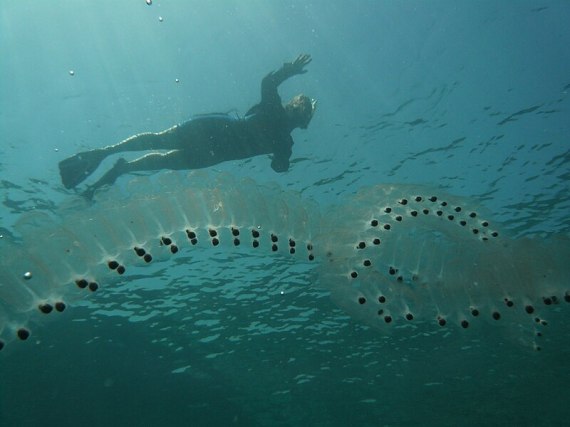
Photo: Lars Plougmann Wikipedia – Salp

Photo: Oregon Department of Fish & Wildlife Wikipedia – Salp
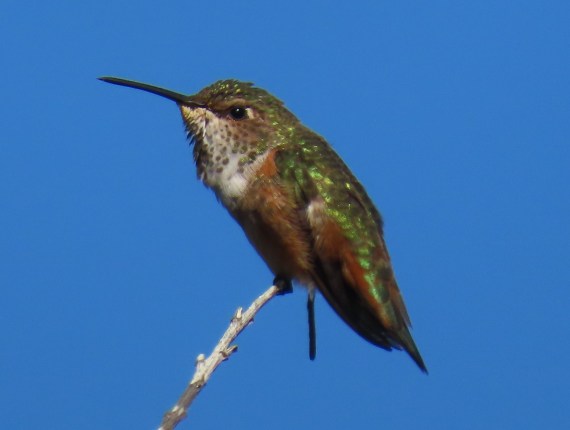
Quiz Time!



Quiz Answers & credits
#1. American Crow (Marie Barnidge-McIntyre 7/28/24)
#2. Allen’s Hummingbird (Marie Barnidge-McIntyre 7/28/24)
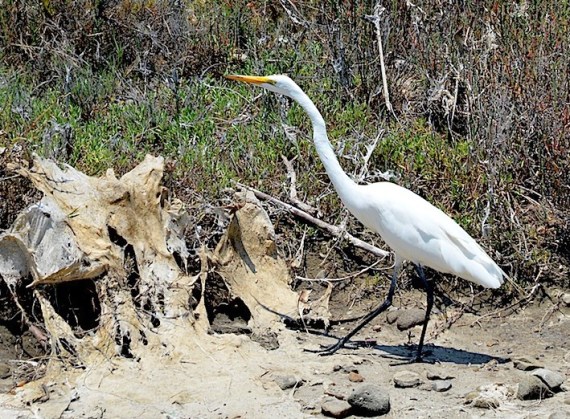
#3. Great Egret (Grace Murayama 7/25/24)
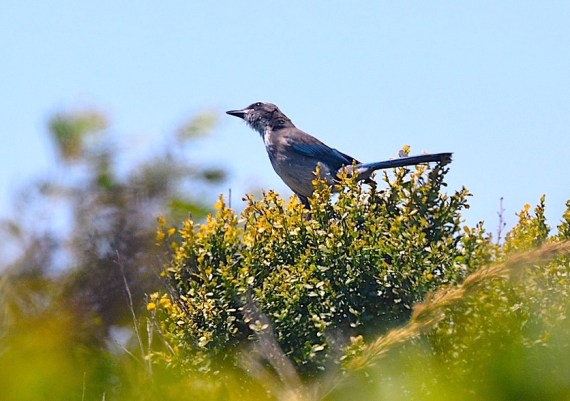
#4. California Scrub-Jay (Grace Murayama 7/25/24)
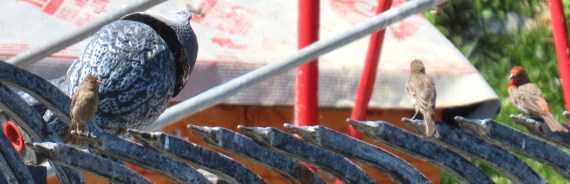
#5. House Finches (Marie Barnidge-McIntyre 7/28/24)
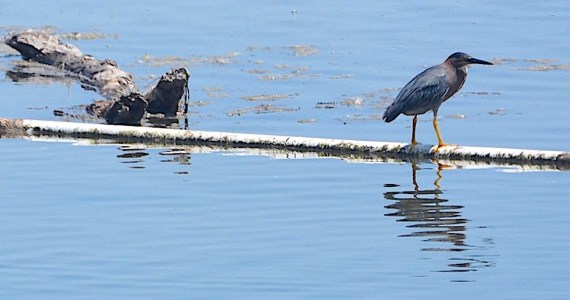
#6. Green Heron (Grace Murayama 7/25/24)
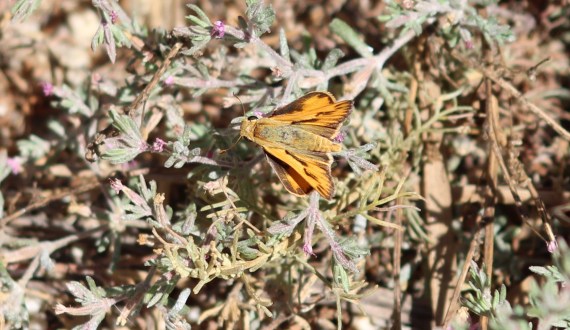
#7. Fiery Skipper Hylephila phyleus (Marsha Collins 7/28/24). Skippers have a “bulge” at the end of their antennae.
#8. Brown Pelican juveniles apparently playing (Marie Barnidge-McIntyre 7/28/24)
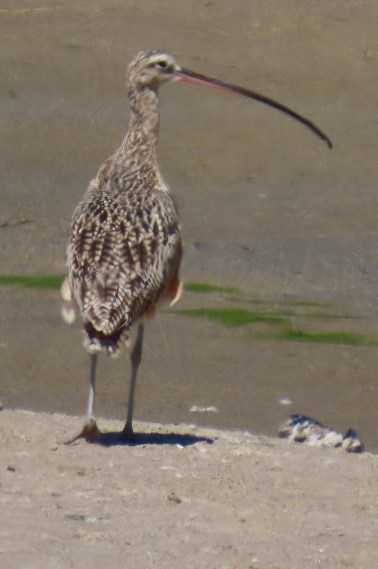
#9. Long-billed Curlew (Marie Barnidge-McIntyre 7/28/24)
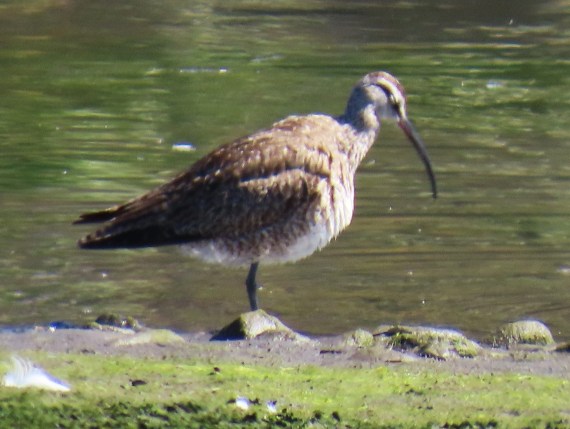
#10. Whimbrel (Marie Barnidge-McIntyre 7/28/24)
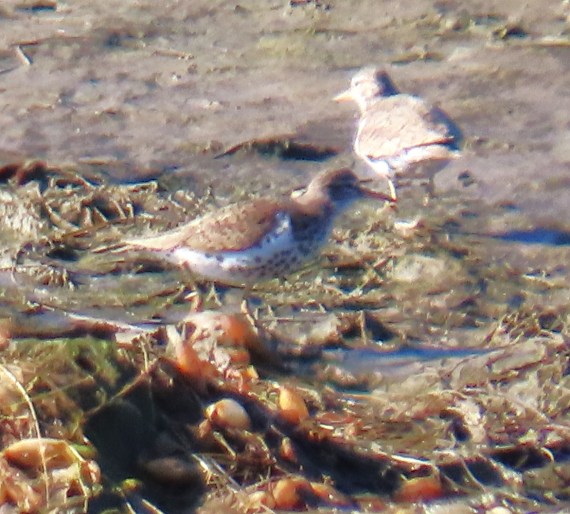
#11. Spotted Sandpiper, with spots! (Marie Barnidge-McIntyre 7/28/24)
#12. Western Snowy Plover (Larry Loeher 7/25/24)
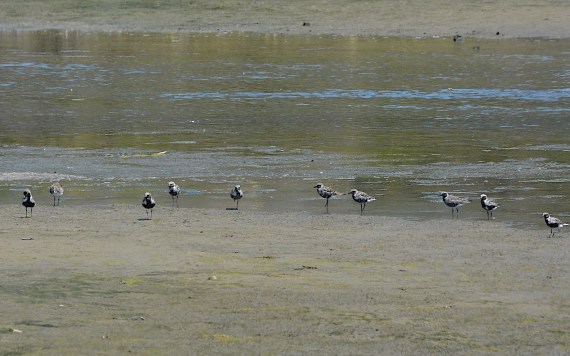
#13. Black-bellied Plovers (Grace Murayama 7/25/24)
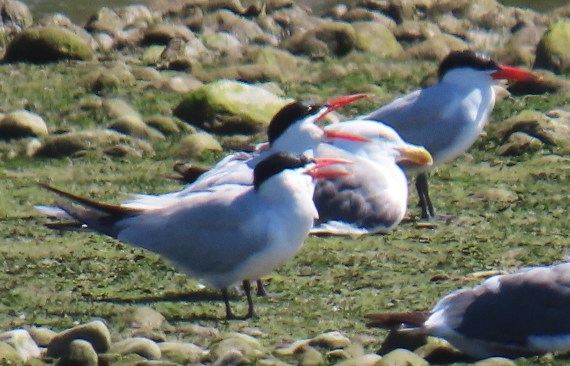
#14. Caspian Terns & Western Gull (Marie Barnidge-McIntyre 7/28/24)
Malibu Lagoon on eBird as of 7-30-24: 7938 lists, 2545 eBirders, 320 species
Most recent species added: Red-breasted Nuthatch (31 October 2023, Kyle Te Poel).
Birds new for the season: Snowy Plover, Long-billed Curlew, Spotted Sandpiper, Western Sandpiper, Glaucous-winged Gull. “New for the season” means it has been three or more months since last recorded on our trips.
Many, many thanks to photographers: Marie Barnidge-McIntyre Marsha Collins, Larry Loeher and Grace Murayama.
Upcoming SMBAS scheduled field trips; no reservations or Covid card necessary unless specifically mentioned:
- Malibu Lagoon, Sun. Aug 25, 8:30 (adults) & 10 am (parents & kids)
- Coastal Cleanup Day Sat. Sep 21, 9 am – Noon
- Malibu Lagoon, Sun. Sep 22, 8:30 (adults) & 10 am (parents & kids)
- These and any other trips we announce for the foreseeable future will depend upon expected status of the Covid/flu/etc. pandemic at trip time. Any trip announced may be canceled shortly before trip date if it seems necessary. By now any other comments should be superfluous.
- Link to Programs & Field Trip schedule.
The next SMBAS Zoom program: To be announced, Evening Meeting, Tuesday, October 8, 2024, 7:30 p.m.
The SMBAS 10 a.m. Parent’s & Kids Birdwalk is again running. Reservations not necessary for families, but for groups (scouts, etc.), call Jean (213-522-0062).
Links: Unusual birds at Malibu Lagoon
9/23/02 Aerial photo of Malibu Lagoon
More recent aerial photo
Prior checklists:
2023: Jan-June, July-Dec 2024: Jan-June
2021: Jan-July, July-Dec 2022: Jan-June, July-Dec
2020: Jan-July, July-Dec 2019: Jan-June, July-Dec
2018: Jan-June, July-Dec 2017: Jan-June, July-Dec
2016: Jan-June, July-Dec 2015: Jan-May, July-Dec
2014: Jan-July, July-Dec 2013: Jan-June, July-Dec
2012: Jan-June, July-Dec 2011: Jan-June, July-Dec
2010: Jan-June, July-Dec 2009: Jan-June, July-Dec
The 10-year comparison summaries created during the Lagoon Reconfiguration Project period, remain available—despite numerous complaints—on our Lagoon Project Bird Census Page. Very briefly summarized, the results unexpectedly indicate that avian species diversification and numbers improved slightly during the restoration period June’12-June’14.
Many thanks to Marie Barnidge-McIntyre, Femi Faminu, Lillian Johnson & others for their contributions to this month’s checklist.
The species lists below is irregularly re-sequenced to agree with the California Bird Records Committee Official California Checklist. If part of the right side of the chart below is hidden, there’s a slider button inconveniently located at the bottom end of the list. The numbers 1-9 left of the species names are keyed to the nine categories of birds at the bottom.
[Chuck Almdale]
| Malibu Census 2024 | 2/25 | 3/24 | 4/28 | 5/26 | 6/23 | 7/28 | |
| Temperature | 51-62 | 46-54 | 62-72 | 57-64 | 62-72 | 63-72 | |
| Tide Lo/Hi Height | H+5.06 | H+4.71 | L-0.14 | L-0.77 | L-1.17 | L+1.81 | |
| Tide Time | 0921 | 0936 | 0738 | 0635 | 0537 | 0916 | |
| 1 | Brant (Black) | 2 | |||||
| 1 | Canada Goose | 9 | 7 | 6 | 8 | 9 | 4 |
| 1 | Cinnamon Teal | 2 | |||||
| 1 | Northern Shoveler | 4 | 2 | ||||
| 1 | Gadwall | 40 | 24 | 20 | 22 | 35 | 27 |
| 1 | American Wigeon | 4 | |||||
| 1 | Mallard | 35 | 12 | 10 | 14 | 15 | 6 |
| 1 | Green-winged Teal | 25 | 4 | ||||
| 1 | Surf Scoter | 32 | 6 | 4 | |||
| 1 | Long-tailed Duck | 1 | |||||
| 1 | Red-breasted Merganser | 2 | 9 | 4 | 2 | ||
| 1 | Ruddy Duck | 1 | |||||
| 2 | Pied-billed Grebe | 1 | 1 | 1 | |||
| 2 | Western Grebe | 240 | 9 | 1 | |||
| 7 | Feral Pigeon | 4 | 2 | 5 | 3 | 6 | |
| 7 | Eurasian Collared-Dove | 1 | |||||
| 7 | Mourning Dove | 4 | 2 | 5 | 2 | ||
| 8 | Anna’s Hummingbird | 1 | 2 | 2 | 2 | 1 | |
| 8 | Allen’s Hummingbird | 5 | 5 | 1 | 5 | 1 | 2 |
| 2 | American Coot | 46 | 63 | 1 | |||
| 5 | Black-necked Stilt | 2 | |||||
| 5 | Black Oystercatcher | 4 | |||||
| 5 | Black-bellied Plover | 42 | 3 | 1 | 51 | ||
| 5 | Killdeer | 12 | 3 | 6 | 4 | 3 | 12 |
| 5 | Semipalmated Plover | 9 | |||||
| 5 | Snowy Plover | 21 | 20 | 6 | |||
| 5 | Whimbrel | 6 | 39 | 4 | 2 | 52 | |
| 5 | Long-billed Curlew | 1 | |||||
| 5 | Marbled Godwit | 20 | 20 | ||||
| 5 | Wilson’s Phalarope | 1 | |||||
| 5 | Spotted Sandpiper | 1 | 2 | ||||
| 5 | Willet | 15 | 4 | 2 | 2 | 9 | |
| 5 | Greater Yellowlegs | 1 | |||||
| 5 | Ruddy Turnstone | 2 | |||||
| 5 | Sanderling | 10 | |||||
| 5 | Least Sandpiper | 20 | 12 | 2 | |||
| 5 | Western Sandpiper | 8 | 20 | 6 | |||
| 6 | Bonaparte’s Gull | 2 | 10 | ||||
| 6 | Heermann’s Gull | 60 | 16 | 6 | 65 | 42 | |
| 6 | Ring-billed Gull | 200 | 18 | 4 | 3 | ||
| 6 | Western Gull | 85 | 58 | 16 | 45 | 160 | 220 |
| 6 | Herring Gull | 3 | |||||
| 6 | California Gull | 400 | 170 | 60 | 38 | 3 | 10 |
| 6 | Glaucous-winged Gull | 3 | 1 | 1 | |||
| 6 | Caspian Tern | 2 | 20 | 8 | 14 | ||
| 6 | Forster’s Tern | 1 | |||||
| 6 | Elegant Tern | 200 | 190 | 25 | 240 | ||
| 6 | Royal Tern | 4 | 60 | 2 | |||
| 2 | Red-throated Loon | 1 | 2 | ||||
| 2 | Pacific Loon | 1 | |||||
| 2 | Common Loon | 1 | |||||
| 2 | Brandt’s Cormorant | 1 | 1 | 35 | |||
| 2 | Pelagic Cormorant | 4 | 1 | 1 | 4 | ||
| 2 | Double-crested Cormorant | 28 | 32 | 26 | 120 | 24 | 28 |
| 2 | Brown Pelican | 300 | 171 | 235 | 348 | 125 | 163 |
| 3 | Black-crowned Night Heron | 1 | 1 | 2 | 1 | ||
| 3 | Snowy Egret | 6 | 3 | 3 | 2 | 7 | 4 |
| 3 | Green Heron | 1 | 1 | ||||
| 3 | Great Egret | 5 | 4 | 9 | 3 | ||
| 3 | Great Blue Heron | 3 | 1 | 4 | 3 | 3 | |
| 4 | Turkey Vulture | 1 | 4 | ||||
| 4 | Osprey | 1 | |||||
| 4 | Red-shouldered Hawk | 1 | |||||
| 8 | Belted Kingfisher | 2 | |||||
| 8 | Nuttall’s Woodpecker | 1 | |||||
| 9 | Black Phoebe | 4 | 2 | 4 | 7 | 3 | 6 |
| 9 | Cassin’s Kingbird | 1 | 4 | ||||
| 9 | Warbling Vireo | 1 | |||||
| 9 | California Scrub-Jay | 2 | 2 | 1 | |||
| 9 | American Crow | 10 | 4 | 3 | 4 | 6 | 4 |
| 9 | Common Raven | 1 | 2 | 3 | |||
| 9 | Tree Swallow | 1 | 3 | ||||
| 9 | Violet-green Swallow | 2 | 8 | ||||
| 9 | No. Rough-winged Swallow | 5 | 5 | 2 | 5 | ||
| 9 | Barn Swallow | 10 | 10 | 20 | 20 | 20 | |
| 9 | Cliff Swallow | 30 | 6 | ||||
| 9 | Bushtit | 12 | 2 | 2 | 5 | 9 | 19 |
| 9 | Wrentit | 2 | 2 | 1 | |||
| 9 | Blue-gray Gnatcatcher | 1 | 1 | ||||
| 9 | House Wren | 1 | 1 | ||||
| 9 | European Starling | 19 | 5 | ||||
| 9 | Scaly-breasted Munia | 1 | |||||
| 9 | House Finch | 12 | 15 | 10 | 15 | 11 | 12 |
| 9 | Lesser Goldfinch | 20 | 20 | 2 | 5 | 2 | |
| 9 | Dark-eyed Junco | 2 | |||||
| 9 | White-crowned Sparrow | 12 | 15 | ||||
| 9 | Song Sparrow | 10 | 14 | 10 | 5 | 5 | 4 |
| 9 | California Towhee | 2 | 1 | 1 | 4 | 4 | 1 |
| 9 | Spotted Towhee | 1 | 1 | ||||
| 9 | Hooded Oriole | 1 | 1 | ||||
| 9 | Red-winged Blackbird | 35 | 4 | 11 | |||
| 9 | Brown-headed Cowbird | 2 | |||||
| 9 | Great-tailed Grackle | 1 | 3 | 2 | 3 | 3 | |
| 9 | Orange-crowned Warbler | 2 | 1 | 1 | 1 | ||
| 9 | Common Yellowthroat | 2 | 2 | 1 | |||
| 9 | Yellow-rumped Warbler (Aud) | 10 | 4 | ||||
| Totals by Type | Feb | Mar | Apr | May | Jun | Jul | |
| 1 | Waterfowl | 144 | 72 | 45 | 50 | 59 | 37 |
| 2 | Water Birds – Other | 621 | 268 | 263 | 516 | 155 | 192 |
| 3 | Herons, Egrets & Ibis | 9 | 4 | 13 | 7 | 22 | 12 |
| 4 | Quail & Raptors | 0 | 1 | 1 | 1 | 0 | 4 |
| 5 | Shorebirds | 156 | 123 | 29 | 6 | 9 | 139 |
| 6 | Gulls & Terns | 748 | 272 | 362 | 302 | 254 | 527 |
| 7 | Doves | 9 | 2 | 0 | 7 | 8 | 8 |
| 8 | Other Non-Passerines | 8 | 7 | 3 | 8 | 2 | 2 |
| 9 | Passerines | 158 | 115 | 57 | 118 | 92 | 70 |
| Totals Birds | 1853 | 864 | 773 | 1015 | 601 | 991 | |
| Total Species | Feb | Mar | Apr | May | Jun | Jul | |
| 1 | Waterfowl | 7 | 9 | 6 | 6 | 3 | 3 |
| 2 | Water Birds – Other | 8 | 5 | 3 | 8 | 5 | 3 |
| 3 | Herons, Egrets & Ibis | 2 | 2 | 4 | 3 | 5 | 5 |
| 4 | Quail & Raptors | 0 | 1 | 1 | 1 | 0 | 1 |
| 5 | Shorebirds | 10 | 8 | 8 | 2 | 5 | 8 |
| 6 | Gulls & Terns | 5 | 8 | 7 | 8 | 5 | 6 |
| 7 | Doves | 3 | 1 | 0 | 2 | 2 | 2 |
| 8 | Other Non-Passerines | 3 | 2 | 2 | 3 | 2 | 1 |
| 9 | Passerines | 19 | 22 | 14 | 19 | 17 | 9 |
| Totals Species – 96 | 57 | 58 | 45 | 52 | 44 | 38 |
Discover more from SANTA MONICA BAY AUDUBON SOCIETY BLOG
Subscribe to get the latest posts sent to your email.



 SANTA MONICA BAY AUDUBON SOCIETY BLOG