Free email delivery
Please sign up for email delivery in the subscription area to the right.
No salesman will call, at least not from us. Maybe from someone else.

[Posted by Chuck Almdale]
I’m passing this along to you, dear reader, because the National Audubon Society online article written by Megan Moriarty announcing this festival is so beautifully done that it’s worthwhile reading it even if you can never again venture outdoors or lift a pair of binoculars.
Link to National Audubon posting.
If you want to attend, sign up through the Yakutat festival page.
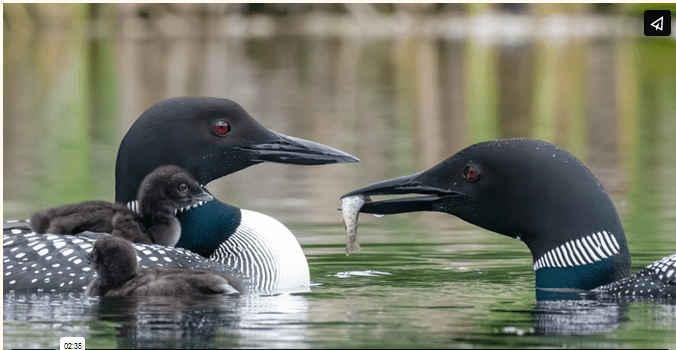
Great photos and really interesting short films!
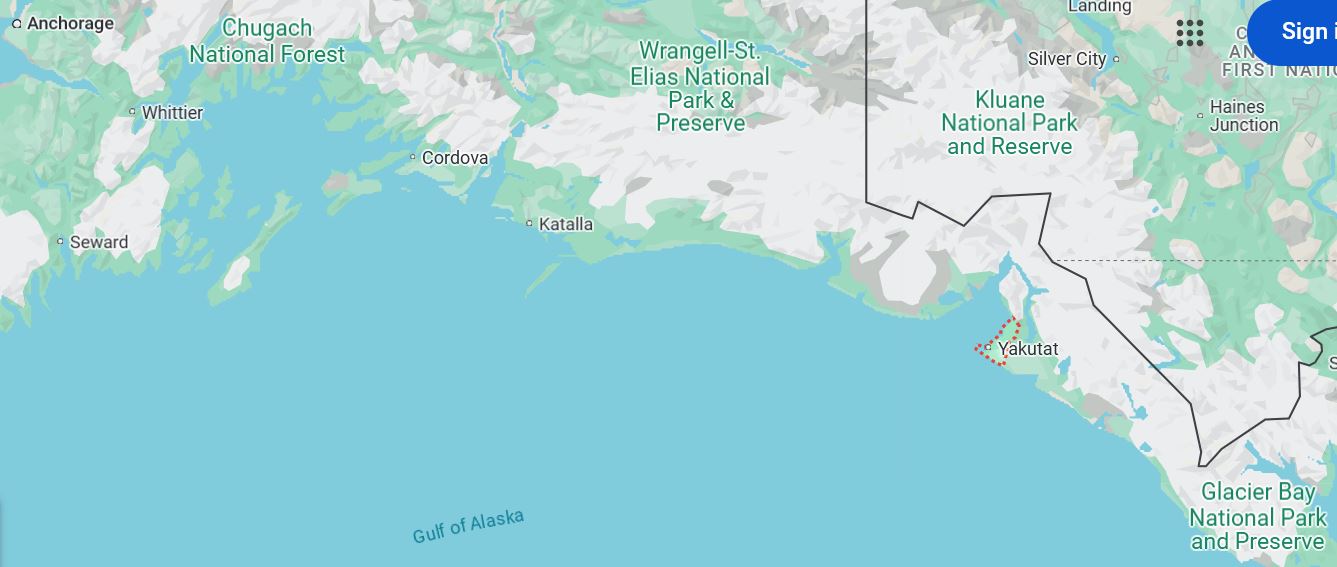
Yakutat is conveniently located between Anchorage and Glacier Bay National Park, 150 air miles west of Skagway.
You’ll be quite surprised at what some of these birds do when released after banding.

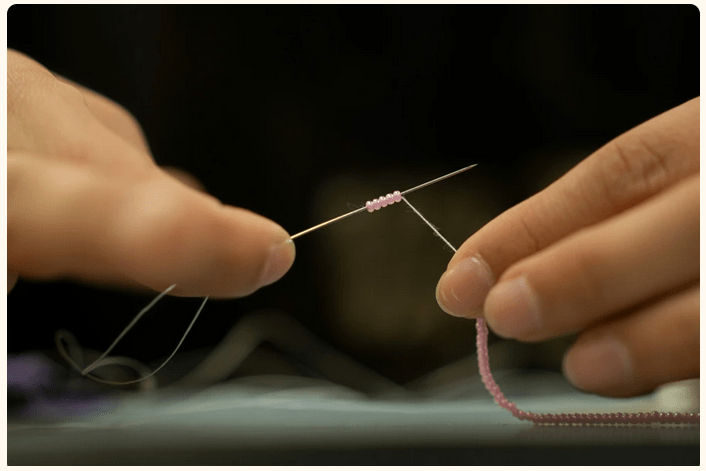
At the 2024 festival, featured artist Chantil Bremner-Firestack taught the kids traditional Tlingit beading using the two-needle applique method her grandmother taught her.
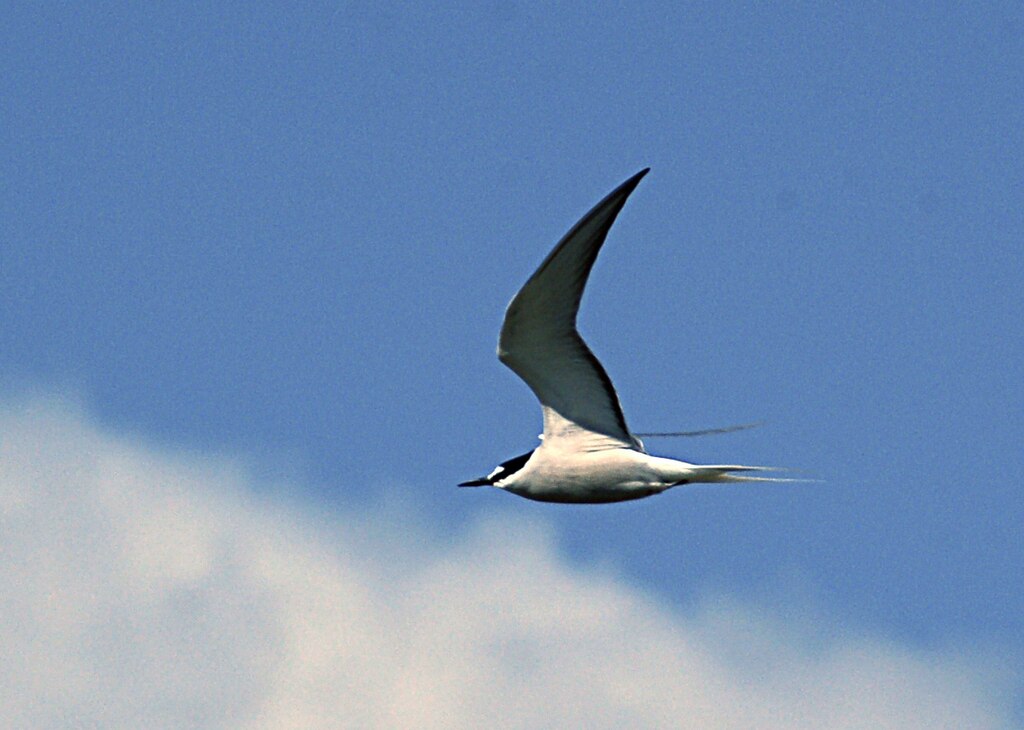
And of course Aleutian Terns. Yakutat is the site of the largest and southernmost known Aleutian Tern nesting colony, according to the Forest Service. In May and June, these annoyingly elusive seabirds can be seen by the hundreds (not a large number for a seabird colony) along Blacksand Spit, a barrier island in the Tongass near Yakutat.
Of approximately 31,000 Aleutian Terns worldwide (which means around the Bering Sea and Gulf of Alaska), 18% breed in Alaska (5,500 birds in 111 colonies), especially the Aleutians, the rest in Siberia. Their numbers seem be declining, no one knows why. Their wintering range is “poorly known”, but is believed to lie off Indonesia and Malaysia. They regularly appear off Hong Kong in the fall, suggesting a possible route for southbound migrants. Small flocks are sighted near the coast of Hong Kong in spring and fall, Singapore and Indonesia October to April, and Java, Bali and Sulawesi in December. It’s the only species in the Onychoprion genus that migrates between a subarctic breeding zone and tropical waters of the South Pacific.
Don’t assume Aleutian Terns are easy to find once you get to Alaska or even the Aleutians, despite the existence of 111 breeding colonies. I know people who have cruised and avidly birded around Nome, St. Lawrence Island, the Aleutians and Pribelofs between Nome and Anchorage for several weeks in June and never saw an Aleutian Tern.
The recording of this program from 1 April 2025 is now available online.

Resilience in Fire: Monitoring Bird & Bat Community Responses to Megafire in California Oak Woodlands and Shrublands, with Kendall Calhoun.
Program starts at recording time 7:30
Fire regimes across the globe have undergone significant changes that challenge the resilience of ecosystems around the world. In recent years, California has experienced some of its worst fire seasons in recorded history, with megafires becoming more severe and more frequent. Despite these shifts, fire remains an essential component of California landscapes and the species that reside within them by creating new habitat and creating new food and nesting resources for animal species. We use acoustic monitors to understand how bird and bat species respond to the 2018 Mendocino Complex Fire to examine how these groups respond to fire in oak woodland and shrubland landscapes. We find that fire actually improves habitat and the presence of several bird species highlighting the key role fire continues to play in California ecosystems and its increasing significance in ongoing wildlife conservation planning.

Dr. Kendall Calhoun is currently a postdoctoral researcher at UC Davis (Department of Wildlife, Fish, and Conservation Biology) and UCLA (Department of Ecology and Evolutionary Biology). His research examines how ecological disturbances influence wildlife community assemblages and resilience. Building ecosystem resilience is an essential conservation strategy amidst ongoing global change. His work also seeks to understand the potential consequences of climate change and disturbances in altering dynamics of human-wildlife conflict. His aim is to inform future research and management decisions to create more resilient ecosystems now and into the future..
Pelicans, Peeps and Sea Lions: Malibu Lagoon, 23 March 2025

[By Chuck Almdale; Photos by Femi Faminu, Lillian Johnson, Ray Juncosa & Armando Martinez]
It was quite foggy at the start with temperature at 54°F., but as usual the fog burned off by mid-morning and the temperature rose all the way to 64° by noon. We saw a lot of species but because there were virtually no gulls there – 29 birds in five species, barely edging out Bushtits and House Finches – it wasn’t crowded. Duck species dwindle down to those that nest, with six Cinnamon Teal the only waterfowl out of the ordinary. A pair of Canada Geese kept taking off and landing, probably the same pair as last month, and they may well stay and nest.

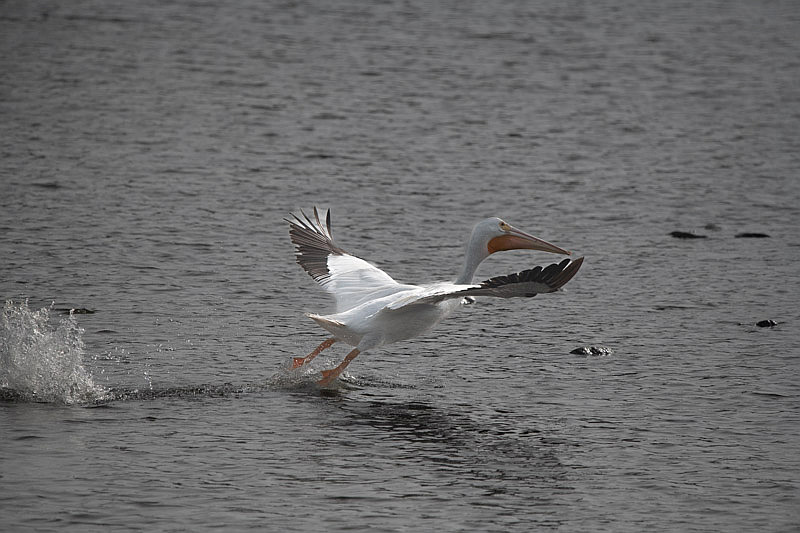
The first unusual sight were five White Pelicans, two in the channel and three on the inland side of the PCH bridge. They later came into the lagoon and all five floated around for quite a while. We expect Brown Pelican, whose average presence on our lagoon trips rounds off to 100%. They nest on Anacapa and Santa Barbara Islands and Malibu Lagoon is one of the closest mainland points to their nesting grounds, but White Pelicans are typically inland birds in SoCal. They like calm waters where they can surround a school of fish or corral them next to the shore. Brown Pelicans are famous for their plunge diving directly into the sea.
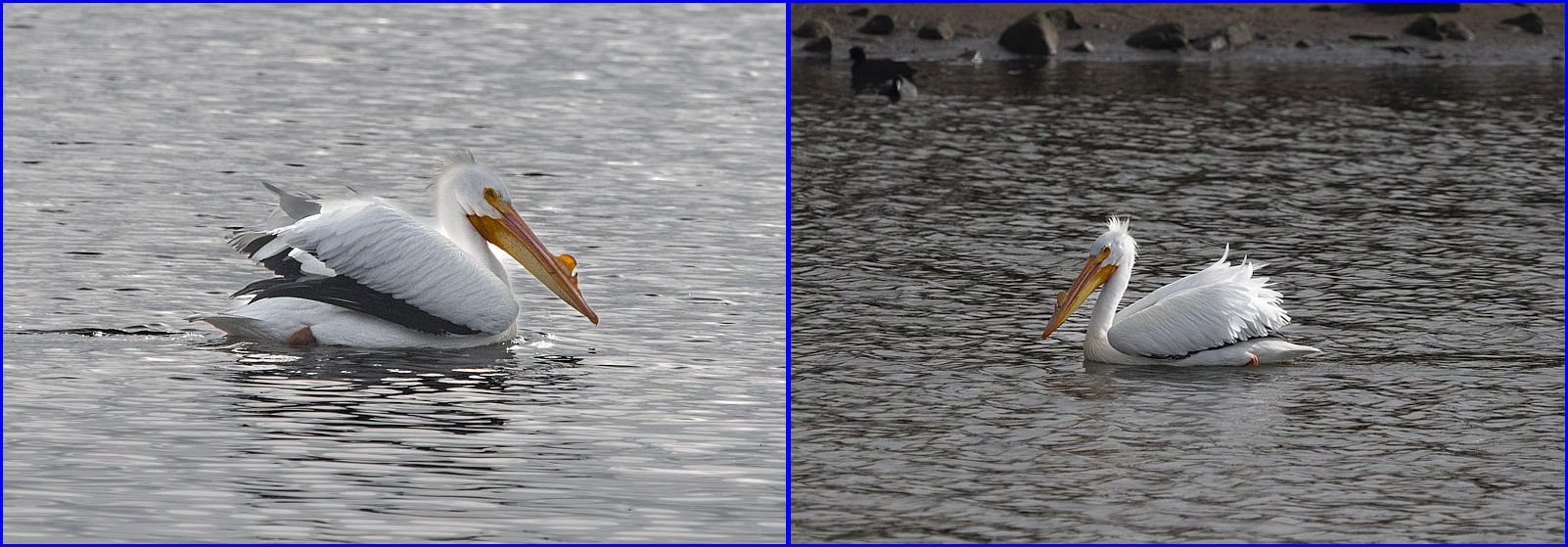
White Pelicans grow their bill knob for breeding season. It falls off after the eggs are laid.


We caught the lagoon at a middle dropping tide: high was +4.15 ft. at 4:33 am, low was +0.07 ft. at 12:55 pm.
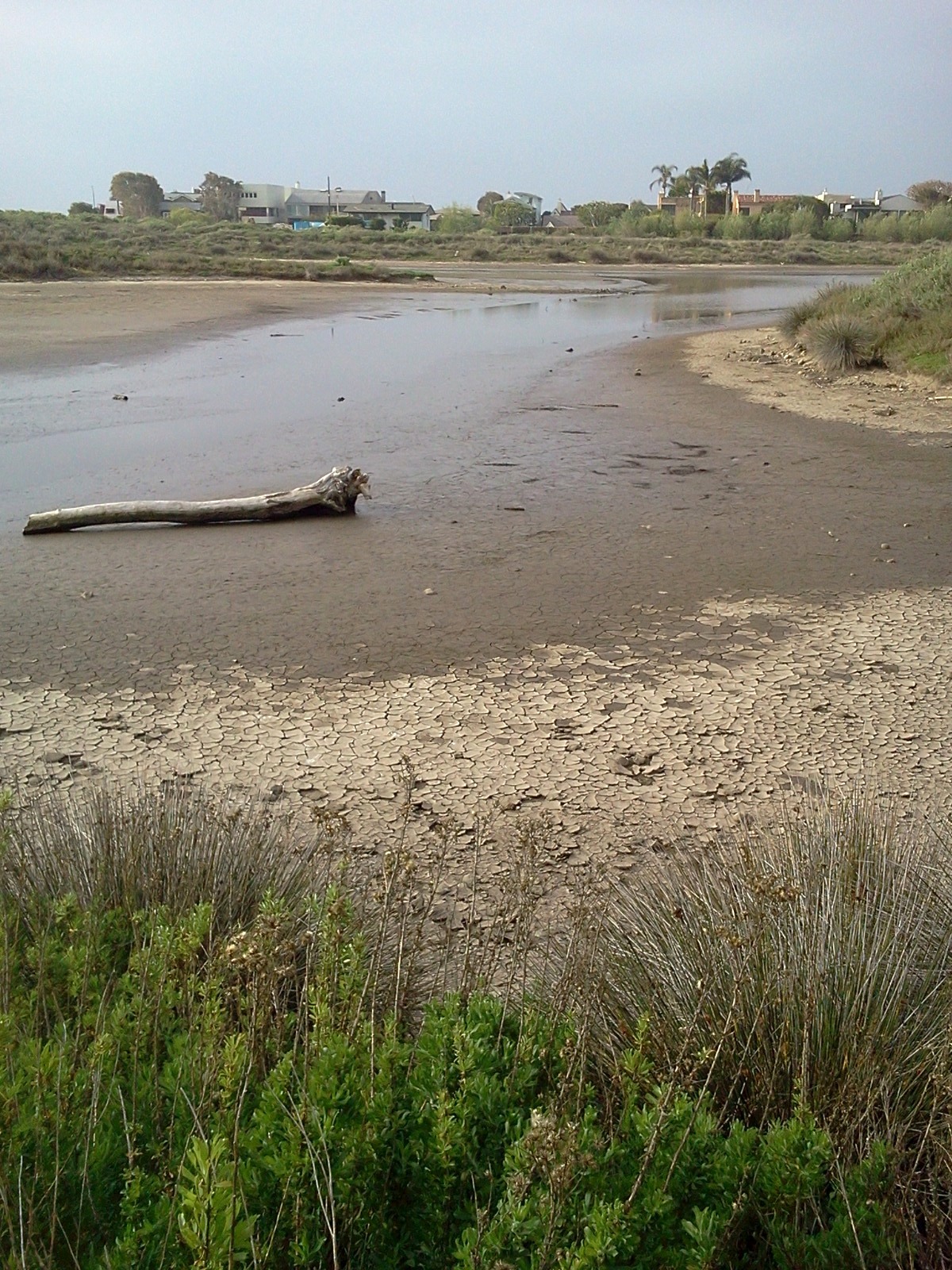
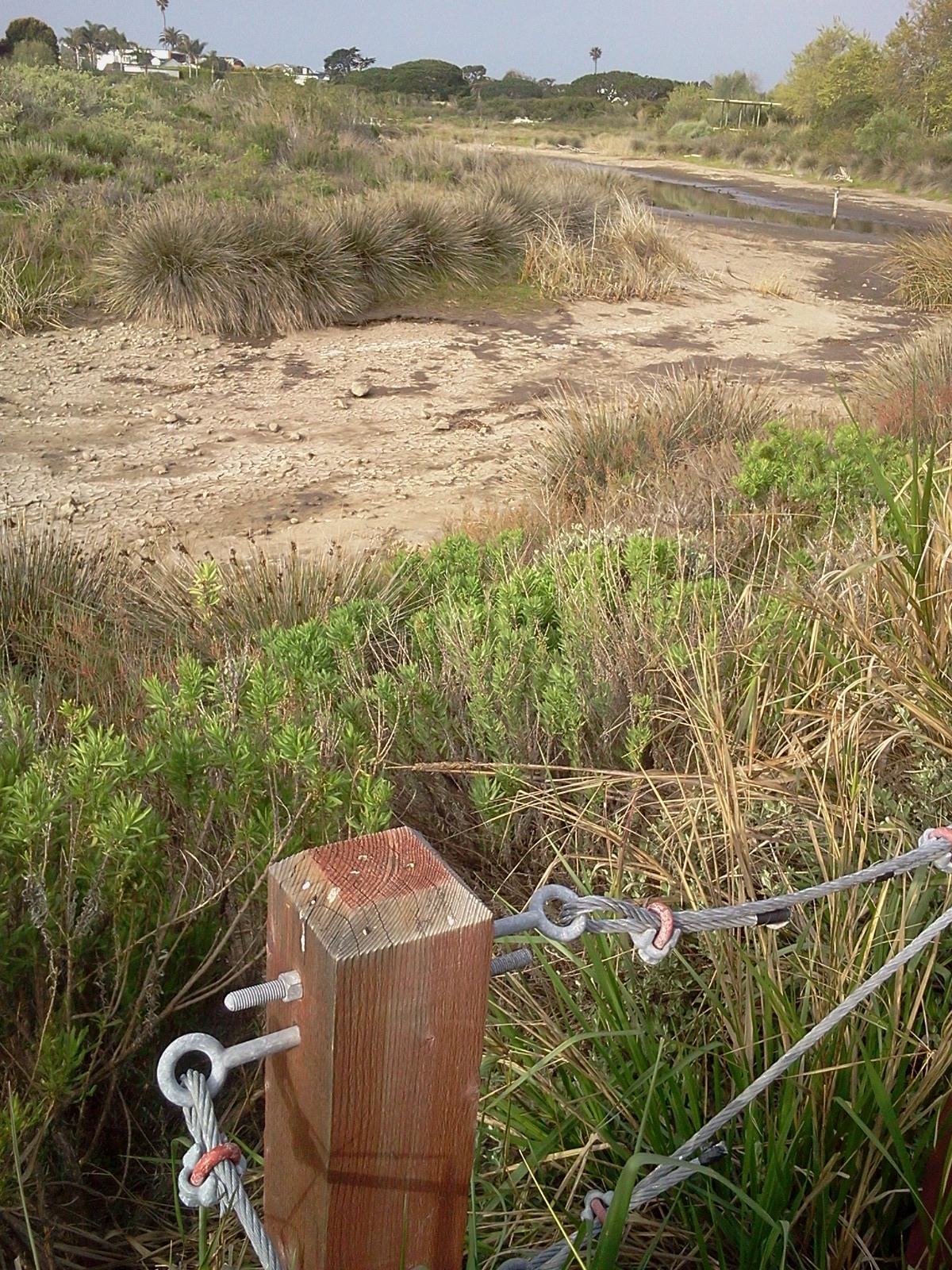
Slightly to the right (west) of the photo above is the temporarily dry end of the north channel.
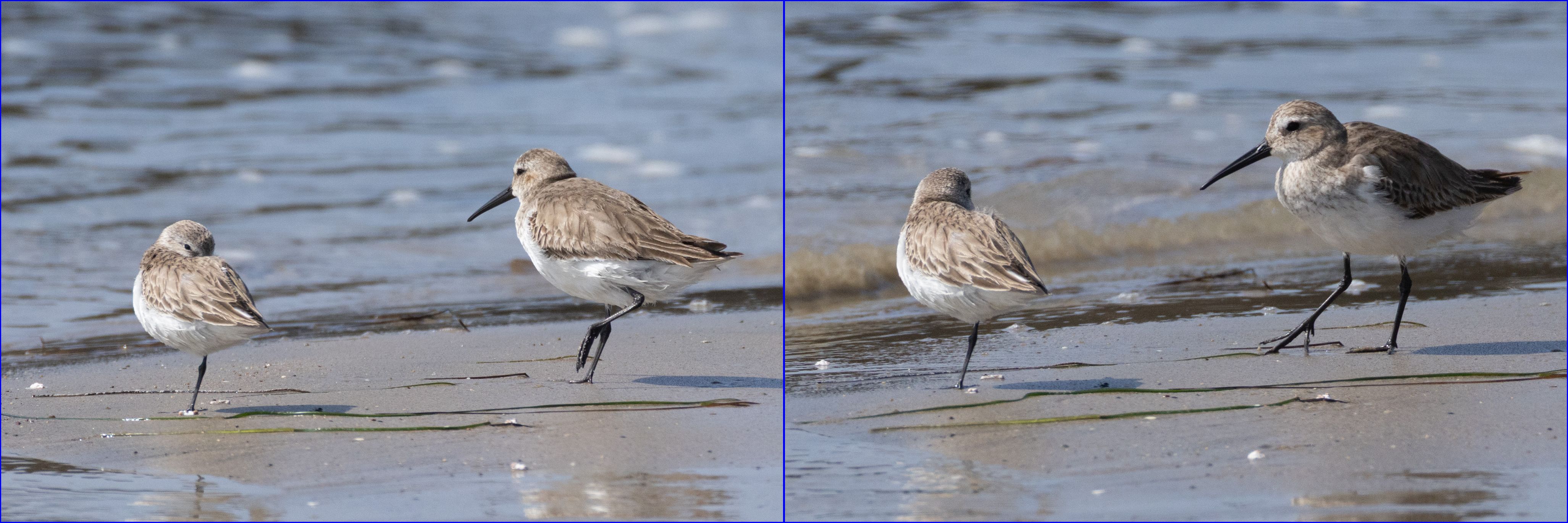
We found a few peeps down by the rocks exposed by the retreating tide. One of them was a little larger than the others.
The smaller ones are Western Sandpipers which are 6.5″ long, but what exactly was the larger one with the larger, droopier bill? The next-larger peeps from Westerns are the Baird’s or White-rumped at 7.5″, but they have short bills and aren’t here in March (White-rumped is an eastern bird, less-than-casual and only in summer). Next up are Curlew and Stilt Sandpipers and Dunlin, all at 8.5″, and all have longish droopy bills. Sandpipers slightly larger than that have relatively short bills. So our “larger bird” should be a Dunlin, Curlew or Stilt Sandpiper. Stilt Sandpiper looks more slender and the visible tibia (between belly and tibiotarsus joint (the “backward knee”) is longer, these two features combining to give it that “stilty” look, so that narrowed it down to Dunlin or Curlew Sandpiper. Of the two, Dunlin is far more common, as the Curlew is an Eurasian bird occasionally showing up on both east and west coast.

But something about it just didn’t look very Dunlin-like. The upperparts were a bit more colorful than the drab gray-brown Dunlins I usually see in winter and many of the covert feathers had pale edges, the bill seemed a bit slender, the slight curve seemed only at the tip, the supercilium (white above the eye) was quite modest. Probability of presence said it had to be a Dunlin, but it wasn’t that long ago we found a Red-necked Stint at the lagoon, so you never know what will show up.

We looked at this bird for a long time and were finding it difficult to decide which: Curlew or Dunlin. Just to show you 1) how variable these two birds are, and 2) how much they can resemble one another, here’s a couple of pages from the book Shorebirds: An Identification Guide (Hayman, Marchant & Prater, 1986). First the Dunlin, which gets a whole page with 28 separate illustrations.

There is a lot of variability in Dunlins: plumage, bill length, thickness, curvature…well, just about everything. The illustration above at center top (k) shows variability in possible bills. Just right of that (j) is an adult non-breeder looking how I expected our winter Dunlins to look, and I didn’t think our bird looked sufficiently like that. I was leaning towards Curlew Sandpiper.
Of course we didn’t have the benefit of the Shorebirds book with us at the time. Below is the Curlew Sandpiper page with a mere 14 paintings on half a page. [Ignore the top head; that’s a Stilt Sandpiper #208 which is on the top half of the page.] Again, the bill can be quite variable.

I don’t see either of these birds very often. From December 1979 to April 2023 I’d seen a total of 59 Dunlins in 32 appearances at the lagoon, and over the past 15 years they’ve shown up only 7% of the time. I’ve never seen the Curlew Sandpiper at the lagoon, and only twice in North America, once at the lower Los Angeles River and once at Bolsa Chica. So…not a lot of familiarity with that particular species. But my National Geographic Field Guide (6th Ed.) showed one way to be certain which was which: look at the rump. The Dunlin plate (top left illustration and in-flight) shows dark feathering running down from the back, over the rump and to the tip of the tail. The Curlew Sandpiper has a white rump (four in-flight illustrations above). In addition, The Shorebird Guide (O’Brian, Crossley & Karlson) page 297 has a photo showing the same difference in the rump, and the caption adds, “all plumages show white rump…”
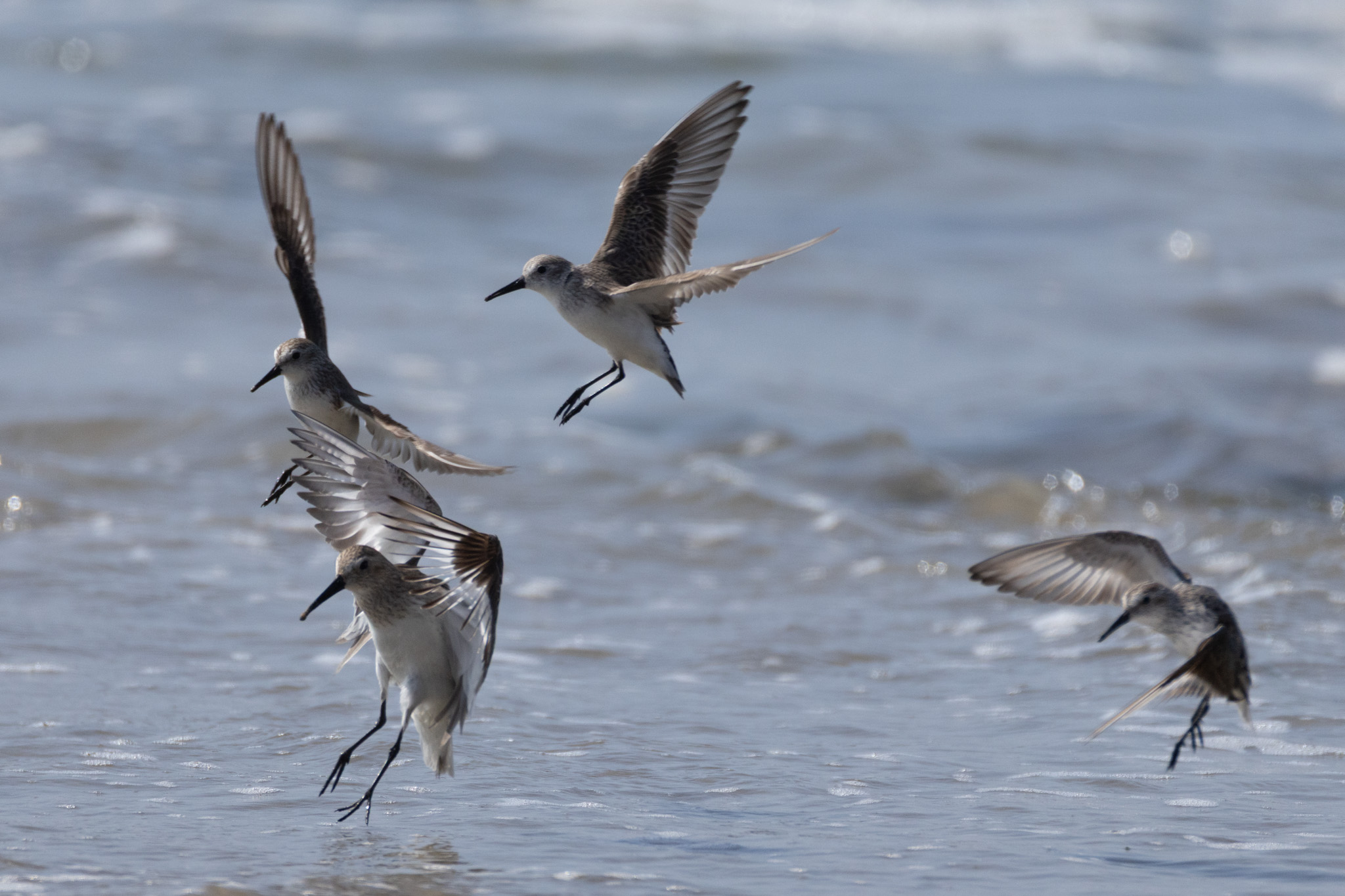
We got lucky. The bird decided to take a bath and at one point was facing away from us with its wings spread. A dark band could be seen running from the back down to the tail, as shown in the photo below. No white rump. I could see pearly-gray tail feathers spread out on both sides of the dark band. At this point I realized it had to be a Dunlin and told the group. The disappointment was palpable.
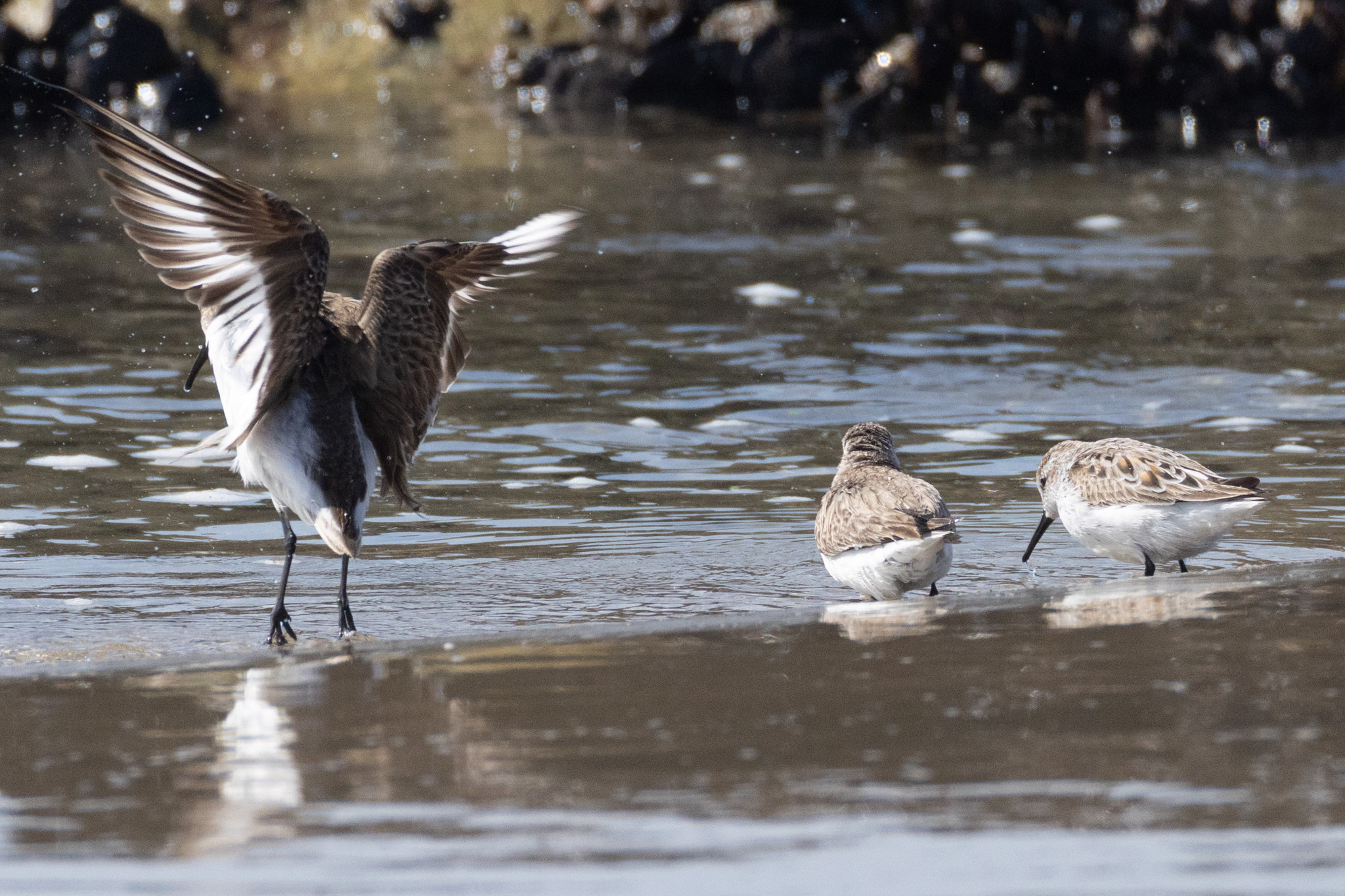
Later, back at home, Armando sent his photos to iNaturalist which confirmed it a day or two later as Dunlin.
In the lagoon was our perhaps-resident American Herring Gull. Besides pink legs (can you see them?), streaks on nape, neck and breast, pale gray back, black primaries with white “mirrors” and medium-chunky yellow bill with a red spot, they have a very pale eye, visible (but not terrifically so) below. It seems to me much paler than the eyes of any gull known for pale eyes, including the Western Gull.

I ID’d the gull below as a hybrid Western x Glaucous-winged (aka “Olympic” as they are common around the Olympic Peninsula where the two breeding ranges overlap) because of it generally pale upperparts with darker brown flecks plus the darker brown in the primaries and tail. First-winter Westerns are generally darker while first-year Glaucous-winged have tail & primaries the same waxy-gray color as the back. Armando sent it to iNaturalist which ID’d it as a Western.

I don’t know if Armando suggested hybrid status to them or if they considered it. Looking at the photo you can see that the wing coverts have that shredded (aka “worn”) look – like someone ran a cheese grater over them – that they get before they molt, so Western is a distinct possibility. I then sent it off to a gull expert (far more knowledgeable than me, anyway) Chris Dean, who replied, “Olympic is possible, but late in the winter, a worn Western Gull cannot be ruled out. Larus sp. may be best option with photo.”
So…there you have it. Definitely a gull. I’m glad I’m not the only one who has difficulty at least once in an aeon – perhaps two aeons, perhaps even a kalpa* – sorting out these gulls. I’ll go even further out on a limb and say it’s definitely a large gull; a Western, one of its closely-related congeners, or a hybrid, which seem to be proliferating these days.
The terns are back with three species in small numbers. Last month we had only a few Royals. Some field guides have Caspian and Royal at the same length; my NGS guide says Caspians at 21″ are an inch longer than Royals, and they do look slightly longer to me. But they have that blood-red bill, usually with a dark tip, so in decent light they’re easy to differentiate.

Sometime during the course of the morning, Ray contemplated the elements of French cuisine which were crawling around in the vegetation at his feet. I’d seen these creatures over by the PCH bridge, but resisted any urge to pick one up and eat it, as they look too crunchy to me. As they say: There’s no accounting for taste. Or very little, at any rate.
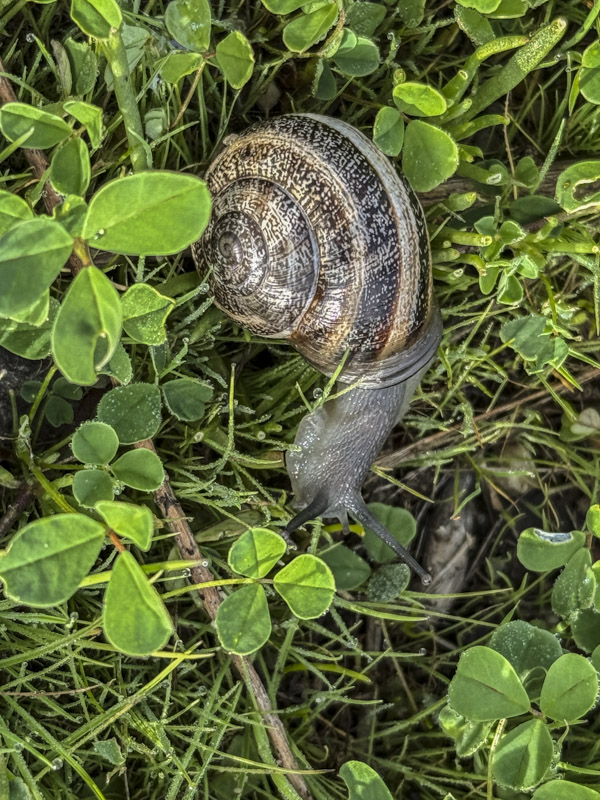
(Ray Juncosa 3/23/25)

As the inshore mussel-encrusted rocks emerged from the descending tide, more birds flocked to them.

We looked for Black Oystercatchers but none had yet appeared.
Around noon between inshore rocky areas we found this sea lion up on the sand, an uncommon sight. Sometimes they pull out onto the offshore rocks, but rarely onto the sand or inshore rocks. It was also acting strangely, swiveling its head and neck in a figure-8 manner. Close (through binoculars) examination revealed a fringe of foam around its mouth.
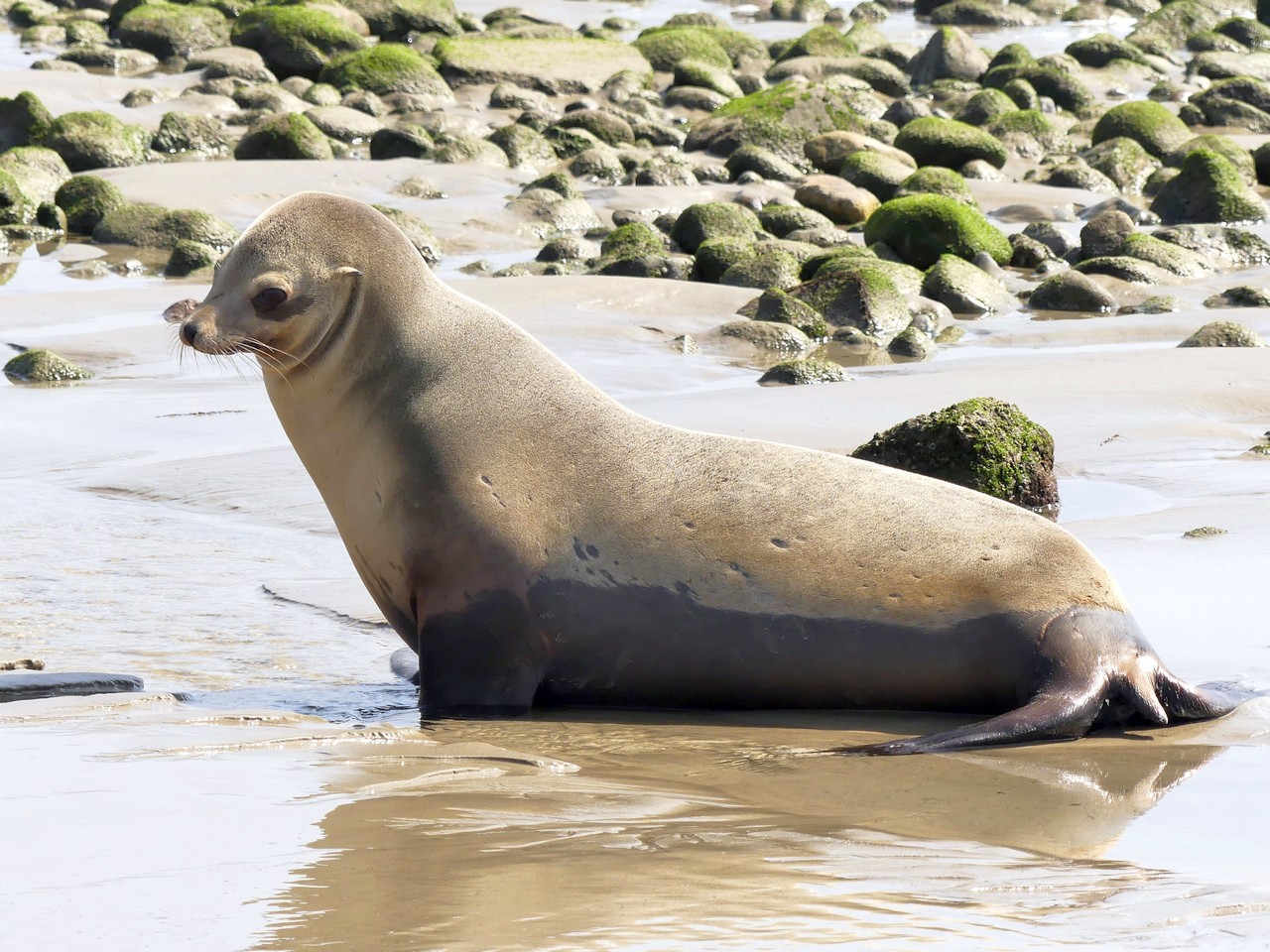
We considered calling one of the sea mammal rescue numbers, but a beach worker came along and put red cones between the sea lion and the higher beach to keep people away. Sometimes they attack. I presume he also alerted authorities. It turns out that this behavior, sometimes called a seizure, is typical of sea mammals with domoic acid poisoning. This is not the same thing as “Red Tide,” a generic term for algal blooms. “Domoic acid poisoning specifically refers to the toxic effects of a particular type of algae, Pseudo-nitzschia, that produces domoic acid.” [That’s Google AI talking there.] We recognize this as a sea lion rather than a seal because it has external fleshy ears, bigger rear flippers and walks on its flippers rather than using wormlike body undulations. Plus they get huge.
Nearly all the hillside in this photograph was burned in the Palisades fire and is still accessible only to residents with written permits. The same goes for Pacific Coast Highway.

*Kalpa – One day (night not included) in the life of Brahma, or 4.32 billion years, a measure of time underused in the west.
Malibu Lagoon on eBird as of 3-26-25: 8480 lists, 2718 eBirders, 320 species
Most recent species added: Nelson’s Sparrow, 11/29/24 by Femi Faminu (SMBAS member).
Birds new for the season: Mourning Dove, Dunlin, Greater Yellowlegs, Caspian Tern, Elegant Tern, White Pelican, Black-crowned Night Heron, Cassin’s Kingbird, Oak Titmouse, Tree Swallow, Northern Rough-winged Swallow, Barn Swallow, Cliff Swallow, Spotted Towhee, Great-tailed Grackle, Wilson’s Warbler. “New for the season” means it has been three or more months since last recorded on our trips.
Many, many thanks to photographers: Femi Faminu, Lillian Johnson, Ray Juncosa, Armando Martinez.
Upcoming SMBAS scheduled field trips; no reservations or Covid card necessary unless specifically mentioned:
- Kenneth Hahn Recreation Area, Sat Apr 12, 8:30 am Lu Plauzoles.
- Malibu Lagoon, Sun. Apr 23, 8:30 (adults) & 10 am (parents & kids)
- Bear Divide & Walker Ranch, Sat May 3 or 10 (TBD), 8 am
- These and any other trips we announce for the foreseeable future will depend upon expected status of the Covid/flu/etc. pandemic, not to mention landslides, at trip time. Any trip announced may be canceled shortly before trip date if it seems necessary. By now any other comments should be superfluous.
- Link to Programs & Field Trip schedule.
The next SMBAS Zoom program: Resilience in Fire: Monitoring Bird and Bat Community Responses to Megafire in California Oak Woodlands and Shrublands, with Kendall Calhoun, PhD. Tuesday, 1 April, 7:30 p.m., Zoom waiting room opens 7:15 p.m.
The SMBAS 10 a.m. Parent’s & Kids Birdwalk will resume when we can again schedule official monthly walks. Reservations not necessary for families, but for groups (scouts, etc.), call Jean (213-522-0062).
Links: Unusual birds at Malibu Lagoon
9/23/02 Aerial photo of Malibu Lagoon
More recent aerial photo
Prior checklists:
2023: Jan-June, July-Dec 2024: Jan-June, July-Dec
2021: Jan-July, July-Dec 2022: Jan-June, July-Dec
2020: Jan-July, July-Dec 2019: Jan-June, July-Dec
2018: Jan-June, July-Dec 2017: Jan-June, July-Dec
2016: Jan-June, July-Dec 2015: Jan-May, July-Dec
2014: Jan-July, July-Dec 2013: Jan-June, July-Dec
2012: Jan-June, July-Dec 2011: Jan-June, July-Dec
2010: Jan-June, July-Dec 2009: Jan-June, July-Dec
The 10-year comparison summaries created during the Lagoon Reconfiguration Project period, remain available—despite numerous complaints—on our Lagoon Project Bird Census Page. Very briefly summarized, the results unexpectedly indicate that avian species diversification and numbers improved slightly during the restoration period June’12-June’14.
Many thanks to Marie Barnidge-McIntyre, Femi Faminu & Lillian Johnson for contributions made to this month’s census counts.
The species lists below was re-sequenced as of 12/31/24 to agree with the California Bird Records Committee Official California Checklist. If part of the right side of the chart below is hidden, there’s a slider button inconveniently located at the bottom end of the list. The numbers 1-9 left of the species names are keyed to the nine categories of birds at the bottom. Updated lagoon bird check lists can be downloaded here.
[Chuck Almdale]
| Malibu Census 2024-25 | 10/27 | 11/24 | 12/22 | 1/26 | 2/23 | 3/23 | |
| Temperature | 64-68 | 54-59 | 56-62 | 57-59 | 57-70 | 54-64 | |
| Tide Lo/Hi Height | H+4.75 | L+2.06 | L+2.47 | H+5.49 | H+4.79 | H+4.15 | |
| Tide Time | 0742 | 1139 | 0939 | 0634 | 0526 | 0433 | |
| 1 | Canada Goose | 2 | 2 | ||||
| 1 | Cinnamon Teal | 5 | 6 | ||||
| 1 | Northern Shoveler | 6 | |||||
| 1 | Gadwall | 38 | 26 | 32 | 89 | 9 | 35 |
| 1 | American Wigeon | 13 | 12 | 35 | |||
| 1 | Mallard | 28 | 10 | 20 | 22 | 6 | 22 |
| 1 | Green-winged Teal | 4 | 1 | 10 | 5 | 16 | 6 |
| 1 | Ring-necked Duck | 3 | |||||
| 1 | Lesser Scaup | 2 | |||||
| 1 | Surf Scoter | 2 | 15 | 6 | |||
| 1 | Bufflehead | 9 | 10 | 23 | |||
| 1 | Hooded Merganser | 1 | |||||
| 1 | Red-breasted Merganser | 10 | 13 | 12 | 8 | 3 | |
| 1 | Ruddy Duck | 28 | 22 | 35 | 37 | 17 | 11 |
| 2 | Pied-billed Grebe | 10 | 8 | 5 | 4 | 7 | 8 |
| 2 | Eared Grebe | 4 | 1 | 1 | |||
| 2 | Western Grebe | 28 | 1 | 34 | 30 | 30 | |
| 7 | Feral Pigeon | 4 | 4 | 6 | 5 | ||
| 7 | Mourning Dove | 1 | 1 | ||||
| 8 | Anna’s Hummingbird | 2 | 1 | 3 | 3 | ||
| 8 | Allen’s Hummingbird | 2 | 1 | 3 | 1 | 5 | 6 |
| 2 | Sora | 2 | |||||
| 2 | American Coot | 340 | 560 | 705 | 797 | 45 | 55 |
| 5 | Black Oystercatcher | 2 | 2 | ||||
| 5 | Black-bellied Plover | 136 | 75 | 50 | 30 | 30 | |
| 5 | Killdeer | 20 | 1 | 30 | 2 | 4 | 4 |
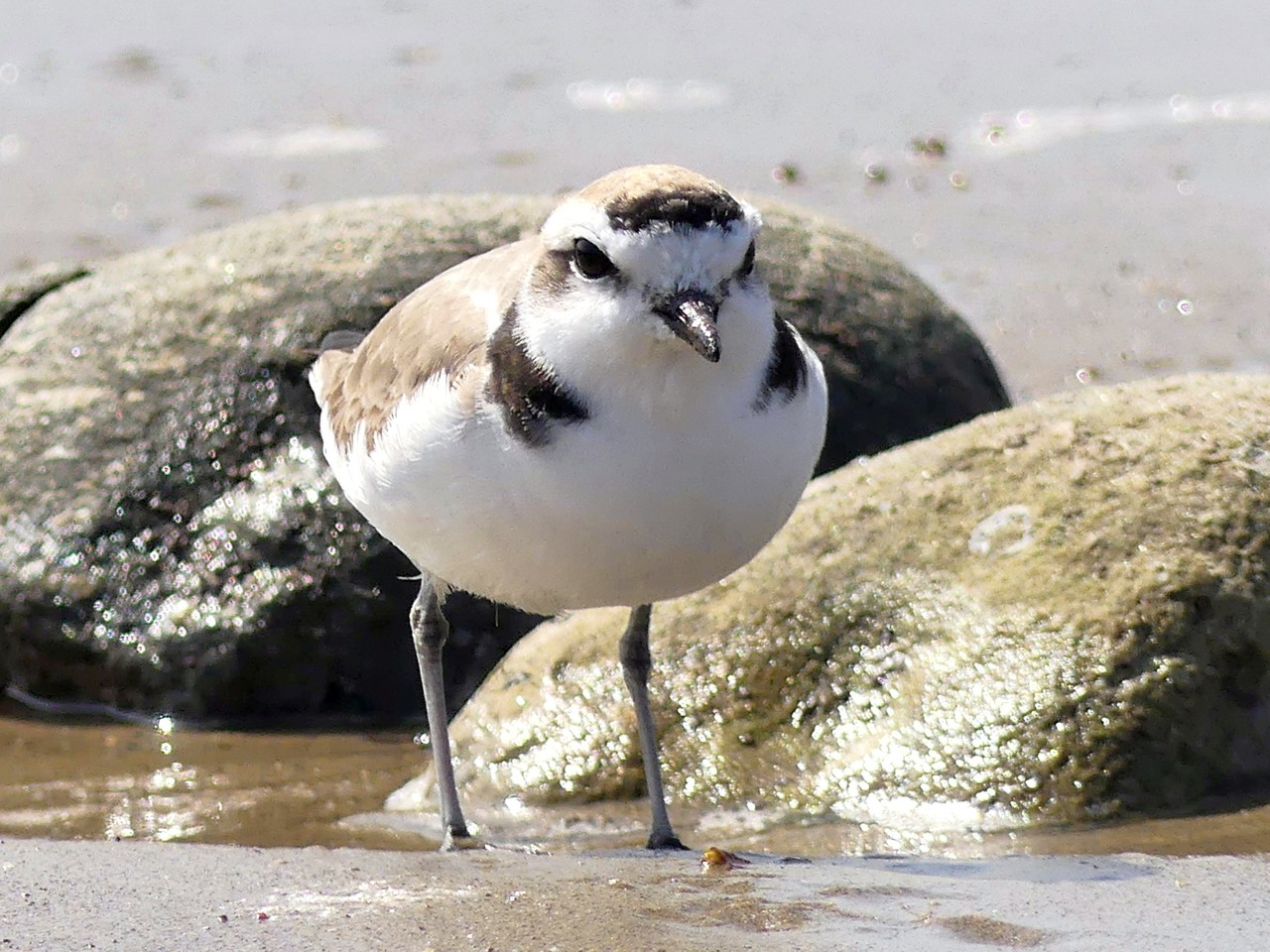
| 5 | Snowy Plover | 18 | 34 | 27 | 2 | 2 | 3 |
| 5 | Whimbrel | 7 | 15 | 4 | 8 | 5 | 8 |
| 5 | Marbled Godwit | 12 | 25 | 3 | 2 | 8 | |
| 5 | Ruddy Turnstone | 4 | 6 | 4 | 2 | 4 | |
| 5 | Sanderling | 5 | 200 | 100 | 22 | ||
| 5 | Dunlin | 1 | |||||
| 5 | Least Sandpiper | 4 | 8 | 27 | 7 | 14 | 5 |
| 5 | Western Sandpiper | 16 | 34 | ||||
| 5 | Spotted Sandpiper | 1 | 1 | 1 | 1 | ||
| 5 | Willet | 3 | 51 | 20 | 15 | 8 | 10 |
| 5 | Greater Yellowlegs | 2 | |||||
| 6 | Heermann’s Gull | 79 | 29 | 2 | 7 | 1 | |
| 6 | Ring-billed Gull | 12 | 15 | 19 | 12 | 12 | 6 |
| 6 | Western Gull | 27 | 65 | 35 | 90 | 55 | 20 |
| 6 | California Gull | 440 | 525 | 60 | 575 | 105 | 1 |
| 6 | American Herring Gull | 1 | 1 | 1 | 2 | 1 | |
| 6 | Glaucous-winged Gull | 3 | 1 | ||||
| 6 | Caspian Tern | 11 | |||||
| 6 | Royal Tern | 6 | 2 | 5 | 10 | ||
| 6 | Elegant Tern | 2 | |||||
| 2 | Red-throated Loon | 1 | |||||
| 2 | Pacific Loon | 1 | 1 | ||||
| 2 | Common Loon | 2 | 4 | 10 | |||
| 2 | Brandt’s Cormorant | 2 | 5 | 7 | 1 | 5 | |
| 2 | Pelagic Cormorant | 2 | 2 | 2 | |||
| 2 | Double-crested Cormorant | 51 | 44 | 23 | 55 | 25 | 25 |
| 2 | American White Pelican | 5 | |||||
| 2 | Brown Pelican | 30 | 260 | 35 | 23 | 29 | 200 |
| 3 | Snowy Egret | 10 | 5 | 5 | 5 | 6 | 5 |
| 3 | Black-crowned Night-Heron | 1 | 1 | 2 | 1 | ||
| 3 | Green Heron | 1 | 1 | ||||
| 3 | Great Egret | 3 | 3 | 1 | 1 | 2 | 2 |
| 3 | Great Blue Heron | 5 | 4 | 4 | 1 | 2 | |
| 4 | Turkey Vulture | 1 | |||||
| 4 | Osprey | 1 | 1 | 1 | 2 | 1 | |
| 4 | Cooper’s Hawk | 1 | 1 | ||||
| 4 | Bald Eagle | 1 | |||||
| 4 | Red-tailed Hawk | 1 | 1 | 1 | 1 | ||
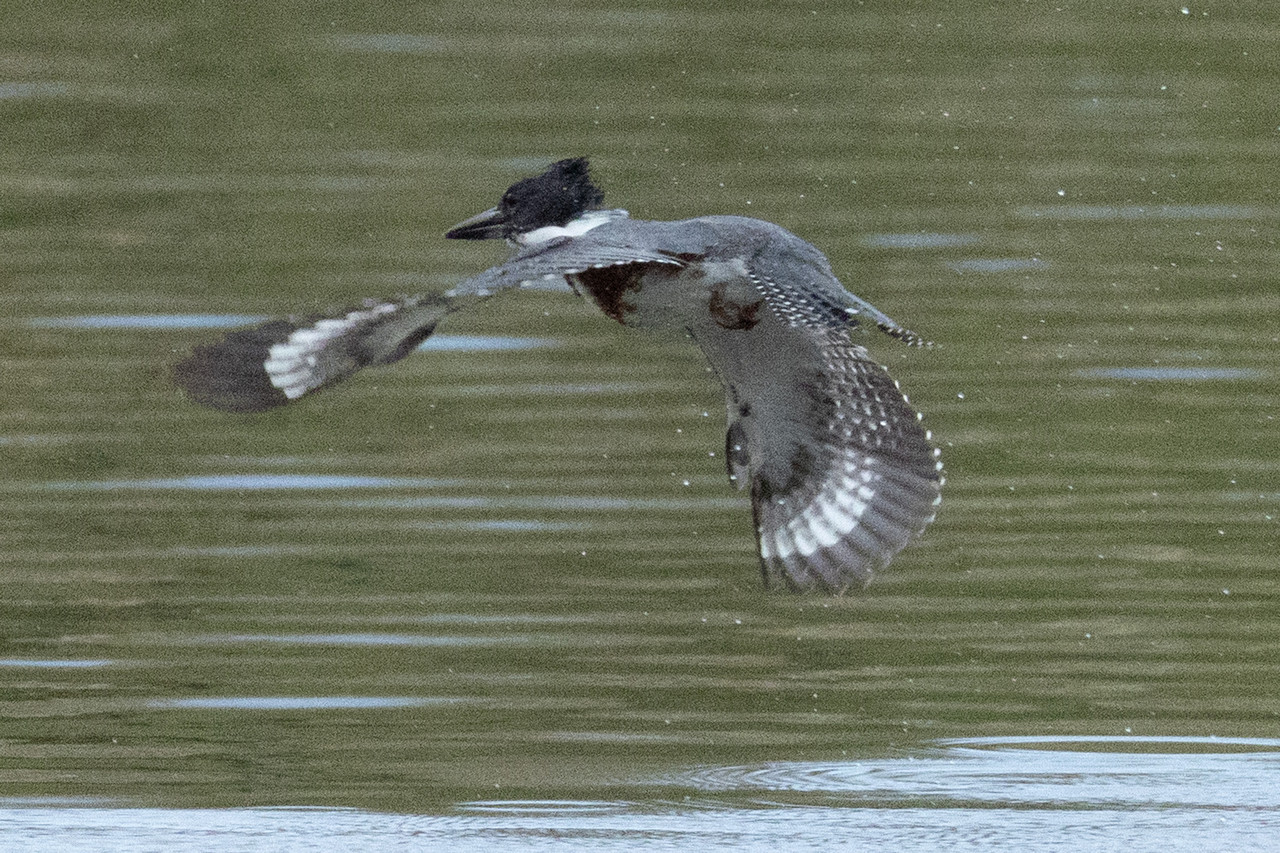
| 8 | Belted Kingfisher | 1 | 1 | 1 | 1 | 1 | |
| 8 | Nuttall’s Woodpecker | 1 | |||||
| 4 | American Kestrel | 1 | |||||
| 8 | Nanday Parakeet | 4 | 4 | ||||
| 9 | Cassin’s Kingbird | 1 | 1 | ||||
| 9 | Black Phoebe | 4 | 6 | 1 | 1 | 3 | 3 |
| 9 | Say’s Phoebe | 1 | 1 | 1 | |||
| 9 | Loggerhead Shrike | 1 | |||||
| 9 | California Scrub-Jay | 1 | 1 | ||||
| 9 | American Crow | 6 | 22 | 8 | 9 | 26 | 6 |
| 9 | Common Raven | 4 | 1 | 2 | 9 | ||
| 9 | Oak Titmouse | 1 | |||||
| 9 | Tree Swallow | 12 | 5 | ||||
| 9 | No. Rough-winged Swallow | 17 | |||||
| 9 | Barn Swallow | 1 | 10 | ||||
| 9 | Cliff Swallow | 3 | |||||
| 9 | Bushtit | 30 | 12 | 50 | 4 | 5 | 25 |
| 9 | Wrentit | 1 | 2 | 1 | 1 | 4 | |
| 9 | Ruby-crowned Kinglet | 1 | 3 | 1 | 1 | ||
| 9 | Blue-gray Gnatcatcher | 1 | 1 | ||||
| 9 | Bewick’s Wren | 2 | 2 | 1 | 1 | ||
| 9 | Northern House Wren | 6 | 1 | ||||
| 9 | Marsh Wren | 1 | |||||
| 9 | Northern Mockingbird | 1 | 1 | 1 | 1 | ||
| 9 | European Starling | 12 | 7 | 1 | 10 | ||
| 9 | Western Bluebird | 5 | 1 | ||||
| 9 | Hermit Thrush | 1 | |||||
| 9 | House Finch | 8 | 4 | 6 | 8 | 9 | 26 |
| 9 | Lesser Goldfinch | 6 | 2 | 10 | 4 | ||
| 9 | Dark-eyed Junco | 1 | 2 | 1 | 1 | ||
| 9 | White-crowned Sparrow | 16 | 15 | 20 | 8 | 7 | 5 |
| 9 | Song Sparrow | 5 | 8 | 6 | 12 | 8 | 10 |
| 9 | California Towhee | 3 | 2 | 2 | 3 | 3 | |
| 9 | Spotted Towhee | 1 | 1 | ||||
| 9 | Western Meadowlark | 1 | |||||
| 9 | Red-winged Blackbird | 1 | 2 | ||||
| 9 | Great-tailed Grackle | 4 | 15 | 22 | 2 | ||
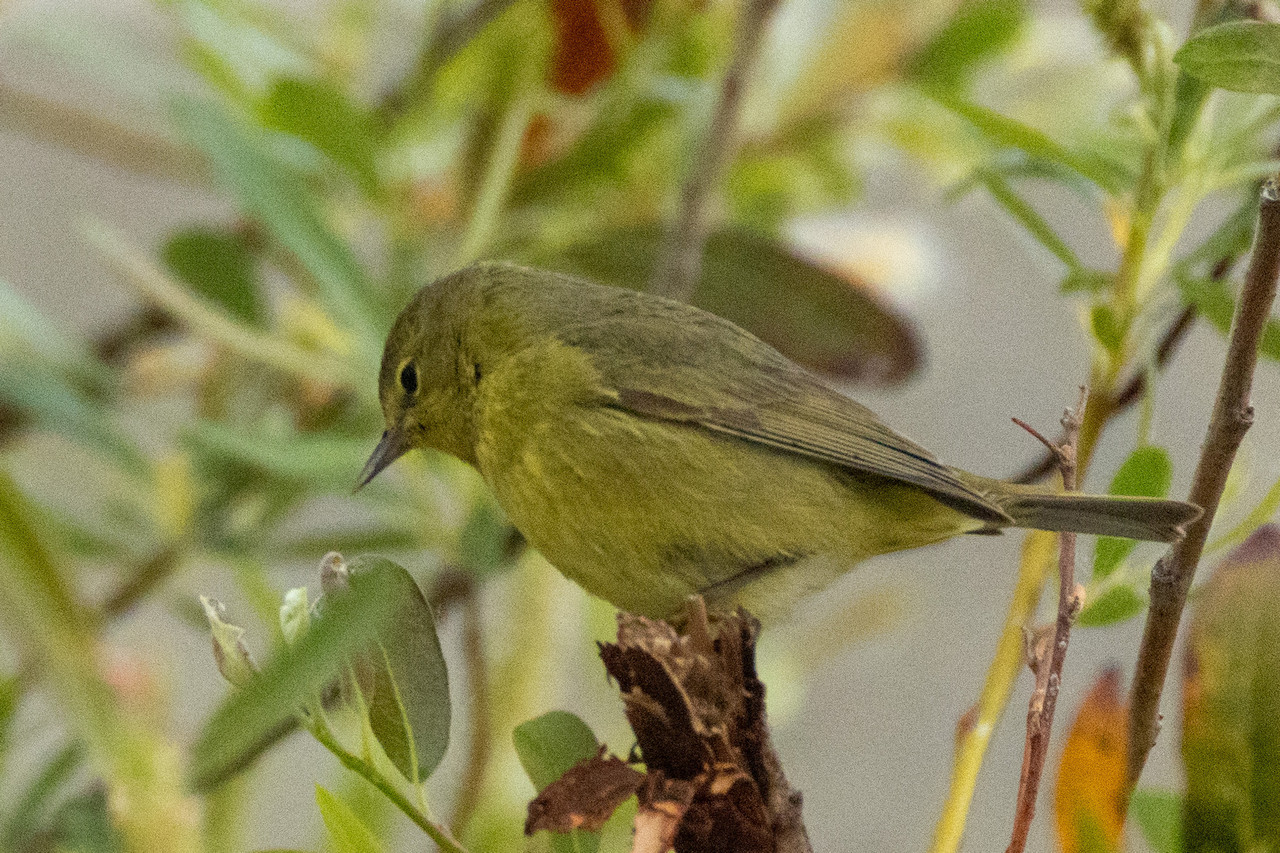
| 9 | Orange-crowned Warbler | 1 | 2 | 1 | 1 | 3 | |
| 9 | Common Yellowthroat | 7 | 8 | 6 | 2 | 2 | 6 |
| 9 | Yellow-rumped Warbler | 15 | 15 | 14 | 6 | 8 | 3 |
| 9 | Wilson’s Warbler | 1 | |||||
| Totals Birds by Type | Oct | Nov | Dec | Jan | Feb | Mar | |
| 1 | Waterfowl | 112 | 93 | 157 | 196 | 78 | 91 |
| 2 | Water Birds – Other | 469 | 882 | 769 | 922 | 144 | 339 |
| 3 | Herons, Egrets & Ibis | 20 | 14 | 12 | 7 | 8 | 10 |
| 4 | Quail & Raptors | 3 | 2 | 2 | 0 | 5 | 3 |
| 5 | Shorebirds | 197 | 404 | 290 | 92 | 86 | 76 |
| 6 | Gulls & Terns | 564 | 635 | 119 | 685 | 183 | 52 |
| 7 | Doves | 5 | 4 | 0 | 6 | 5 | 1 |
| 8 | Other Non-Passerines | 5 | 3 | 8 | 1 | 14 | 10 |
| 9 | Passerines | 136 | 142 | 150 | 57 | 92 | 160 |
| Totals Birds | 1511 | 2179 | 1507 | 1966 | 615 | 742 | |
| Total Species by Group | Oct | Nov | Dec | Jan | Feb | Mar | |
| 1 | Waterfowl | 6 | 8 | 8 | 8 | 8 | 8 |
| 2 | Water Birds – Other | 9 | 8 | 5 | 8 | 9 | 9 |
| 3 | Herons, Egrets & Ibis | 5 | 5 | 4 | 3 | 2 | 4 |
| 4 | Quail & Raptors | 3 | 2 | 2 | 0 | 4 | 3 |
| 5 | Shorebirds | 8 | 10 | 11 | 10 | 10 | 10 |
| 6 | Gulls & Terns | 5 | 5 | 6 | 5 | 7 | 8 |
| 7 | Doves | 2 | 1 | 0 | 1 | 1 | 1 |
| 8 | Other Non-Passerines | 3 | 3 | 3 | 1 | 5 | 3 |
| 9 | Passerines | 24 | 24 | 17 | 14 | 20 | 25 |
| Totals Species – 105 | 65 | 66 | 56 | 50 | 66 | 71 |
[By Chuck Almdale; Photos by Ray Juncosa, Armando Martinez, Emily Roth]
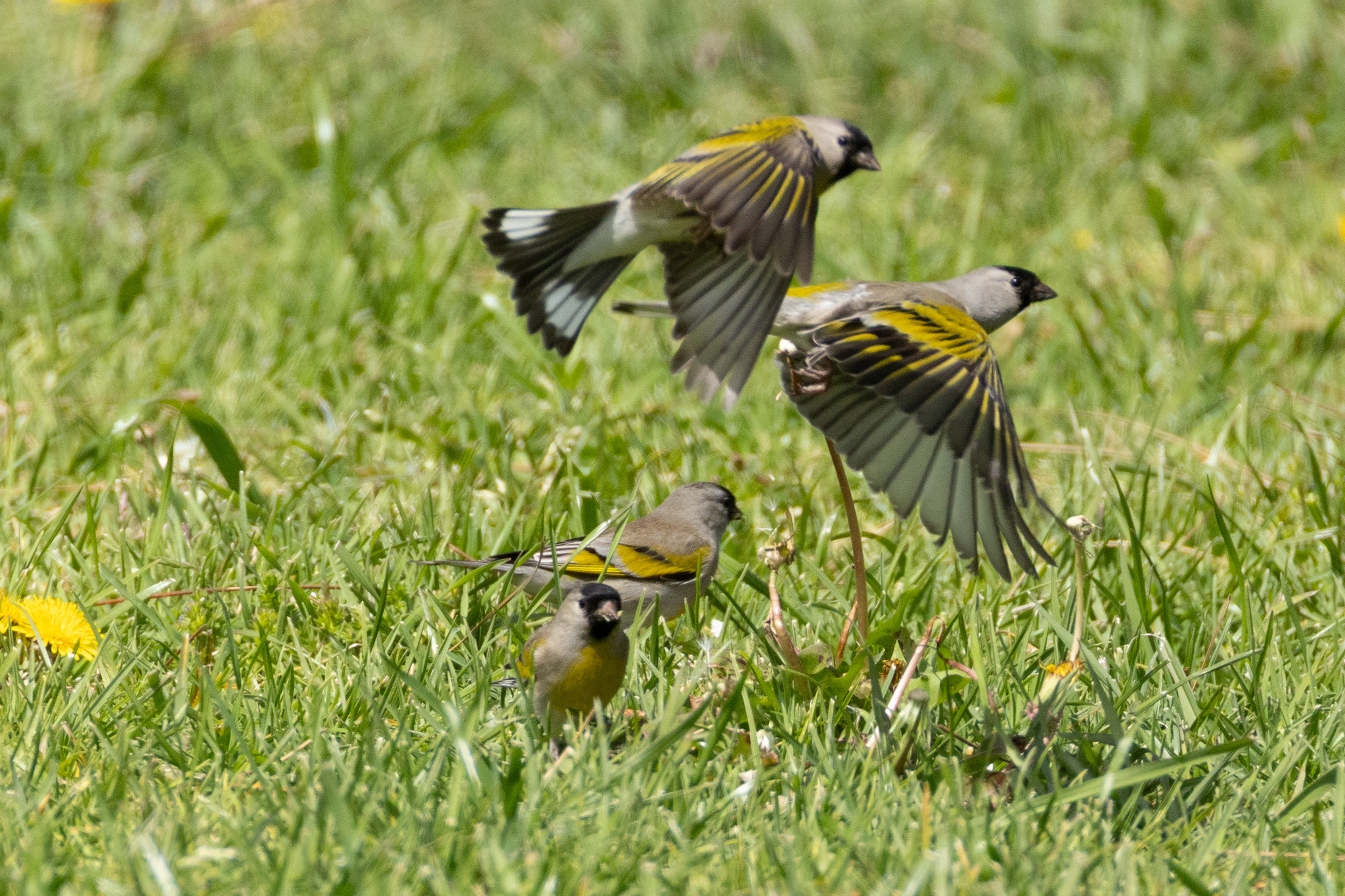
It’s always a treat to see Lawrence’s Goldfinches, the least common of our three Goldfinch species. We had a dozen flitting from tree to grass to tree to grass, depending on perceived threats.
It had rained earlier in the week, a whopping 1.2″ spread over three days. The morning was cool, the grass was damp from dew with an occasional remaining rain puddle, but the paths were dry.

The wildlife area surrounds the pond which is officially and descriptively named “Wildlife Lake.” We walked from just south of the archery range down the west side of the lake to the south end, and returned north via the path just west of Haskell Creek. There are view points of the pond along its west side and the creek has lots of trees and brush, although they’re somewhat reduced by recent fires.
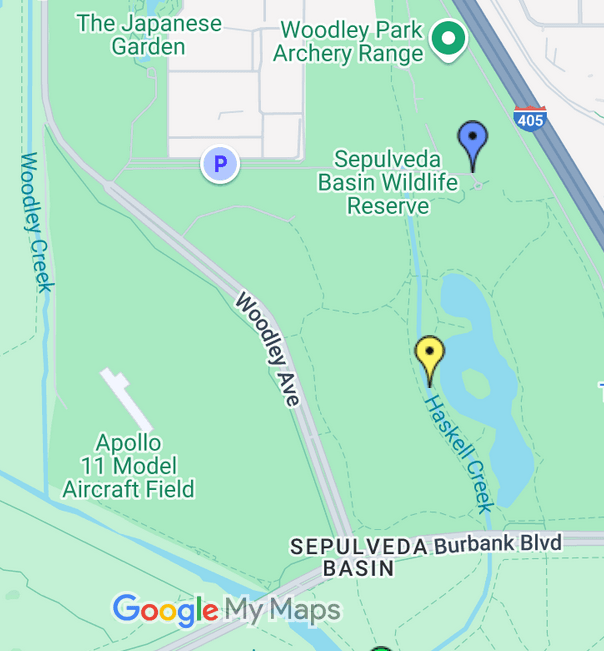
Below: Aerial view looking northwest from above the Santa Monica Mountains. The wildlife area surrounds the lake with the perfectly circular island in the middle, left (west) of the Santa Monica Fwy (#405). This island has become popular with cormorants ducks, egrets and herons. Until quite recently it had a lot of trees over 30′ tall, but they burned in a fire and most were recently removed.

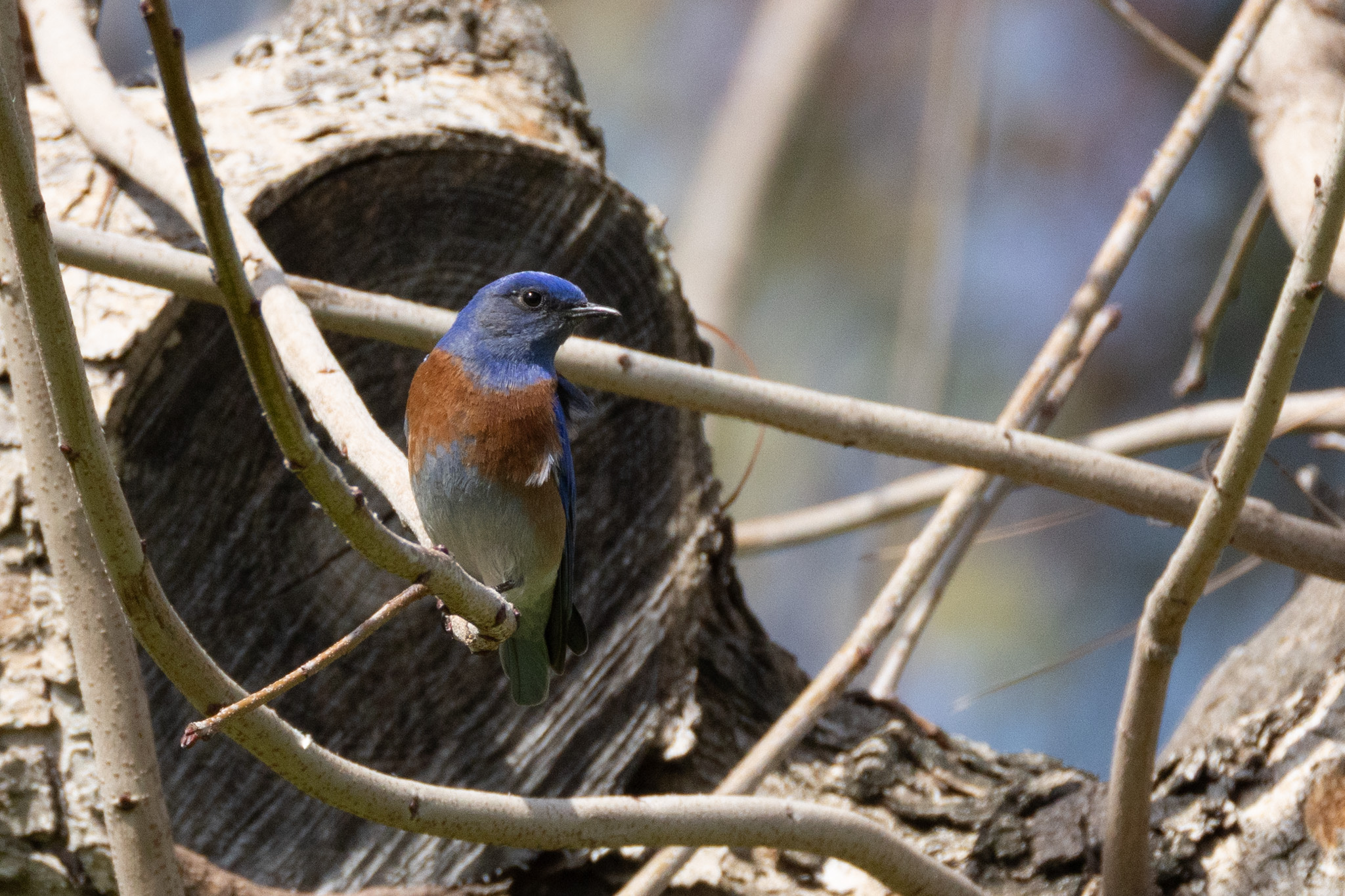
We tromped over the lawn towards the wildlife area, checking the trees for warblers and the grass for sparrows. Several pairs of Western Bluebirds were flycatching from the oaks.
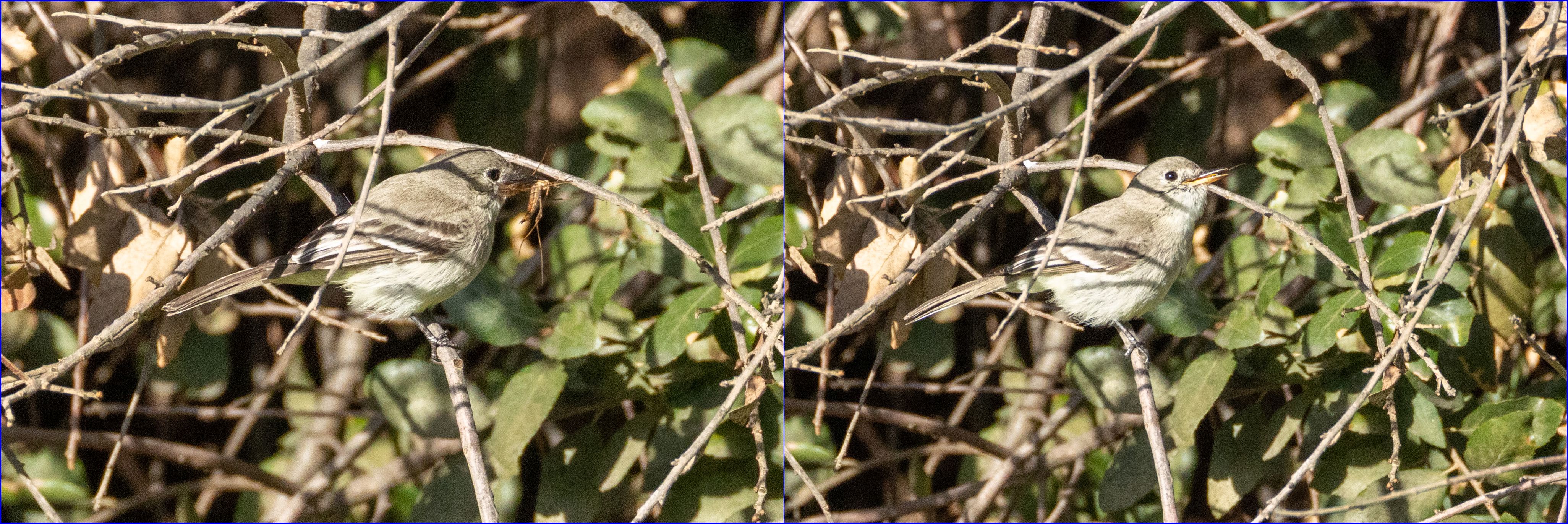
At one point Chris Lord alerted us that he had just seen (he thought!) a Gray Flycatcher which is rare here in March and April, so we went back to search the oaks for it. We actually had two (I’m 90% sure) as the first we saw – and which quickly disappeared – was quite yellowish in comparison to the later bird we photographed.

Not much (none really) yellow on this fellow. The Gray Flycatcher is one of those annoyingly difficult-to-differentiate empids (Empidonax wrightii). They have very little eyering, but some paleness in the lores. All empid upper mandibles are dark(ish). The Gray’s lower mandible is pale at the base and dark at the tip; the amount of dark varies. The bill is long. The primary extension (how much the primary wing flight feathers stick out from below the secondaries, see the right photo above) is quite short. The tail is long and the bird habitually drops the tail from its “rest point” parallel with the back (again, see right photo above) downward, then raises it a bit more slowly back to its rest point. The empid species are variable and terms such as long, short, gray, yellow are all relative to the other empid species and not to some abstract value.

There’s a hint of yellow on the belly shown above. The left photo below shows the bird doing what it does best, catching flies. The fly is all gone by the right photo.
Finally, it flew off to another tree where perhaps humans weren’t so abundant and abundantly nosy.

Again, a hint of yellow on the rump visible as the bird flies.

There were swallows over the pond most of the time, in five species: Tree, Violet-green, Northern Rough-winged, Barn and Cliff.

There was a very beautiful Green Heron in the reeds, not looking particularly green as is usual.

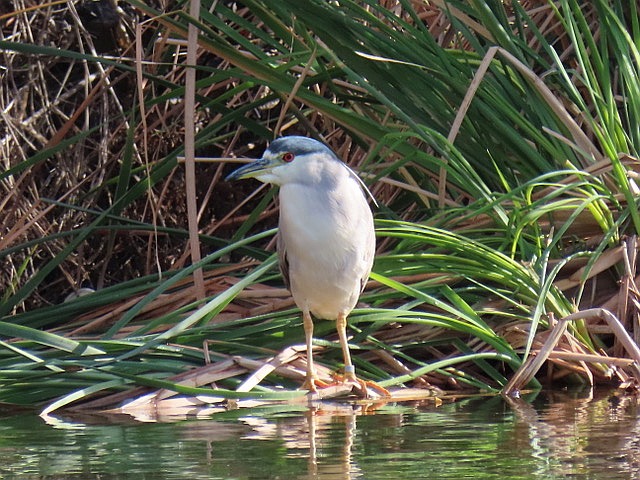
This adult Black-crowned Night Heron (they recently lost their hyphen) has a metal band.
Nearly all of the cormorants were Double-crested. Notice the orange flesh above the front part of the eye, and the lack of significant white border by the gular pouch.

Ray Juncosa 3/15/25)
Now look at the front bird below, compared to the two behind. These were on the north side of the island.

The white border is clearly seen on this bird below, located on the west side of the island. The angle at the gape is also more acute in the Neotropic.

The first Neotropic Cormorant I saw in Los Angeles was in Oct. 2018, farther downstream on the L.A. River next to Bette Davis Picnic Park. My first one in California. in 1986, was at the Salton Sea at the northwest corner where the Whitewater River flows in. They’ve been slowly expanding their range northward from Mexico. So far they prefer freshwater rivers and lakes.
We had a bit of a kerfuffle over what I temporarily called a Western Cassin’s Oriole-Kingbird (an exciting new hybrid!), resolved when I later learned that the Bullock’s Oriole Chris & Femi saw was in a different tree, later in the morning. Some of us briefly & barely saw this kingbird (below) directly overhead through foliage before it flew away. The chin looks like a Cassin’s, but you can’t see the breast color for comparison. However, the outer tail feathers do look white(-ish), so we decided to call it a Western, which arrive in SoCal a tiny bit earlier in March than do Cassin’s, although many Cassin’s winter here. There’s always some sort of although, but, yet or however to make it complicated.

In the far distance we saw a falcon chasing a hawk, but we couldn’t see it as well as the photo below by Armando Martinez shows. The falcon was barely more than a dot – perhaps a dash.

The falcon gave up the pursuit and flew off to a tree.

Again, the tree was distant and we could not see the bird well. As a result we bounced around between American Kestrel, Merlin and Prairie Falcon, failing to arrive at a consensus. But once we saw the photos you’re now looking at, all questions were resolved. Two “sideburns” on each side of the head, among other field marks, nail it as an American Kestrel.

We saw only 15 Mourning Doves. If you want to see a lot more than that, cross under Burbank Blvd. and walk through the fields down to the Los Angeles River. Sometimes there are dozens in a single tree.
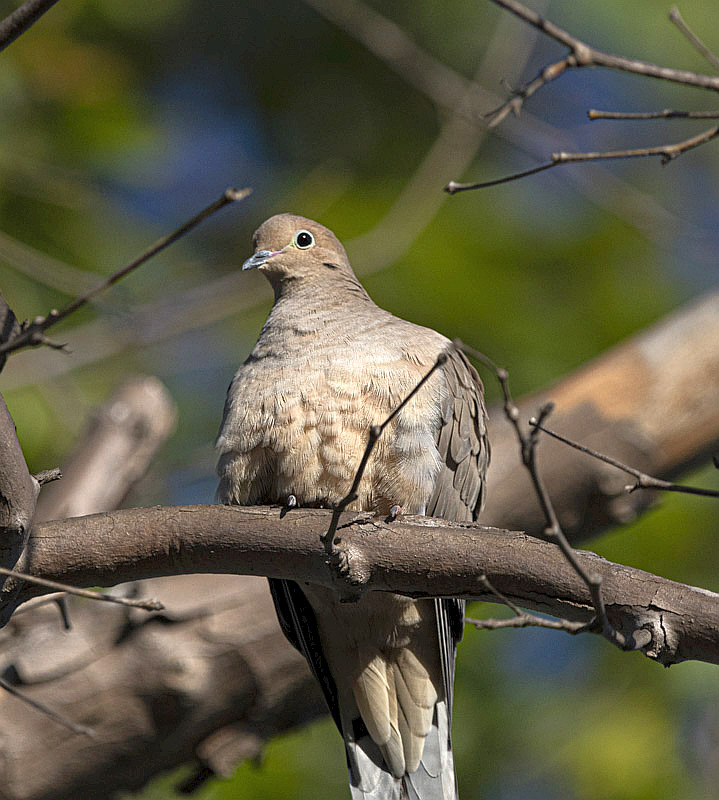
Spot the birdie below!

The warblers weren’t really coming through yet, but by the time you read this there are probably many more in the trees and bushes along Haskell Creek. 63 species for a morning of birding not far from two freeways in the middle of the very well-settled San Fernando Valley is a respectable total. Good birding is closer than you think.
| Sepulveda Basin Field Trips | ||||||
| English Name | 3/15/25 | 3/9/24 | 3/11/23 | 3/10/18 | 2/11/17 | 2/13/16 |
| Canada Goose | 35 | 30 | E | X | X | X |
| Egyptian Goose | 2 | A | X | X | X | |
| Muscovy Duck | X | |||||
| Mallard | 20 | 25 | B | X | X | X |
| Hooded Merganser | A | X | X | |||
| Pied-billed Grebe | 12 | 4 | B | X | X | X |
| Feral Pigeon | 8 | D | X | |||
| Eurasian Collared-Dove | 1 | |||||
| Mourning Dove | 15 | 25 | C | X | X | X |
| White-throated Swift | X | |||||
| Anna’s Hummingbird | 6 | 8 | A | X | X | X |
| Rufous Hummingbird | X | |||||
| Allen’s Hummingbird | 10 | 12 | B | X | X | X |
| American Coot | 3 | 10 | D | X | X | X |
| Killdeer | X | |||||
| Gull sp. | 10 | |||||
| Western Gull | X | |||||
| Double-crested Cormorant | 30 | 15 | D | X | X | X |
| Neotropic Cormorant | 4 | 2 | 1 | |||
| American White Pelican | 20 | C | X | X | ||
| Snowy Egret | 2 | 1 | A | X | X | |
| Black-crowned Night-Heron | 4 | 6 | B | X | X | X |
| Green Heron | 2 | 3 | A | X | X | X |
| Great Egret | 1 | 5 | B | X | X | X |
| Great Blue Heron | 2 | 1 | A | X | X | X |
| White-faced Ibis | 1 | |||||
| Turkey Vulture | 10 | 4 | C | X | X | X |
| Osprey | 1 | 2 | A | X | X | X |
| Cooper’s Hawk | 1 | A | X | X | ||
| Red-shouldered Hawk | 1 | A | ||||
| Red-tailed Hawk | 3 | 2 | A | X | X | |
| Great Horned Owl | 1 | X | ||||
| Belted Kingfisher | 1 | 1 | X | X | X | |
| Acorn Woodpecker | H | 3 | A | |||
| Red-breasted Sapsucker | X | |||||
| Downy Woodpecker | 2 | X | X | |||
| Nuttall’s Woodpecker | 2 | A | X | X | X | |
| Northern Flicker | A | X | X | |||
| American Kestrel | 2 | 2 | ||||
| Merlin | 1 | |||||
| Yellow-chevroned Parakeet | H | X | X | |||
| Ash-throated Flycatcher | X | |||||
| Cassin’s Kingbird | 4 | A | X | X | ||
| Western Kingbird | 1 | |||||
| Gray Flycatcher | 2 | |||||
| Black Phoebe | 4 | 8 | A | X | X | X |
| Western Scrub-Jay | 2 | X | X | |||
| American Crow | 10 | 4 | X | X | ||
| Common Raven | B | |||||
| Tree Swallow | 20 | 15 | D | X | ||
| Violet-green Swallow | 3 | A | X | |||
| N. Rough-winged Swallow | 5 | C | X | X | ||
| Barn Swallow | 1 | 3 | ||||
| Cliff Swallow | 6 | B | ||||
| Bushtit | 2 | 8 | C | X | X | |
| Wrentit | 1 | |||||
| Ruby-crowned Kinglet | 4 | A | X | X | ||
| White-breasted Nuthatch | 1 | 1 | A | |||
| Blue-gray Gnatcatcher | 1 | X | X | |||
| Bewick’s Wren | 4 | 2 | X | X | ||
| Northern House Wren | X | |||||
| California Thrasher | X | |||||
| Northern Mockingbird | 1 | 1 | A | X | X | |
| European Starling | 25 | 8 | C | X | X | |
| Western Bluebird | 8 | 9 | B | X | X | X |
| Mountain Bluebird | D | |||||
| Hermit Thrush | X | |||||
| American Robin | A | |||||
| American Pipit | 1 | |||||
| House Finch | 35 | 20 | D | X | X | X |
| Lesser Goldfinch | 20 | 3 | D | X | X | X |
| Lawrence’s Goldfinch | 12 | D | ||||
| American Goldfinch | X | |||||
| Lark Sparrow | X | X | ||||
| Chipping Sparrow | 10 | 4 | B | X | X | |
| Dark-eyed Junco | 2 | X | ||||
| White-crowned Sparrow | 25 | 10 | D | X | X | X |
| Savannah Sparrow | 4 | X | X | |||
| Song Sparrow | 10 | 16 | C | X | X | X |
| California Towhee | 4 | 3 | B | X | X | X |
| Spotted Towhee | 3 | 3 | X | X | X | |
| Western Meadowlark | 6 | A | ||||
| Bullock’s Oriole | 1 | |||||
| Red-winged Blackbird | 20 | 3 | D | X | X | X |
| Brown-headed Cowbird | 30 | 10 | ||||
| Great-tailed Grackle | 2 | 2 | C | X | X | |
| Orange-crowned Warbler | 2 | X | X | |||
| Common Yellowthroat | 6 | 8 | B | X | X | X |
| Yellow-rumped Warbler | 20 | 80 | D | X | X | X |
| Total Species – 88 + 1 taxa | 63 | 48 | 56 | 44 | 51 | 51 |
| X – Seen | ||||||
| H – Heard only | ||||||
| 1, 15 – Number seen | ||||||
Gull I.D. Course from Cornell Lab of Ornithology
[Posted by Chuck Almdale]
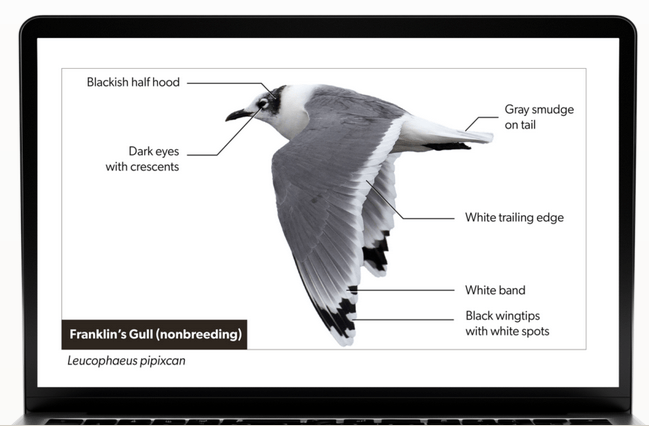
Here’s a course which everyone I know – except maybe 3 people – could use. I hope someone in SMBAS takes this course so they can help me sort out those blasted gulls at Malibu Lagoon. Cornell Lab of Ornithology should be known to all birders by now as they operate both eBird and the Birds of the World reference site. Need I say more? I don’t know anything about their courses. They’re giving you a 30% deduction on this one, and there’s a free “preview lesson” on Franklin’s Gull, a species which is “casual” (technically that means scarcer than “rare” which never sounded correct to me) in SoCal. Who knows? Take this lesson and maybe you’ll start to see them all over the place, once you know exactly what to look for.
I’ve pasted in below the advertising blurb I received from them. Follow the link above to reach their website. Some of the links embedded below also work. In case you’re wondering, neither SMBAS nor any of its members gets anything from posting this except (one hopes) better gull-birders.

Now Announcing: Our Newest Bird ID Course….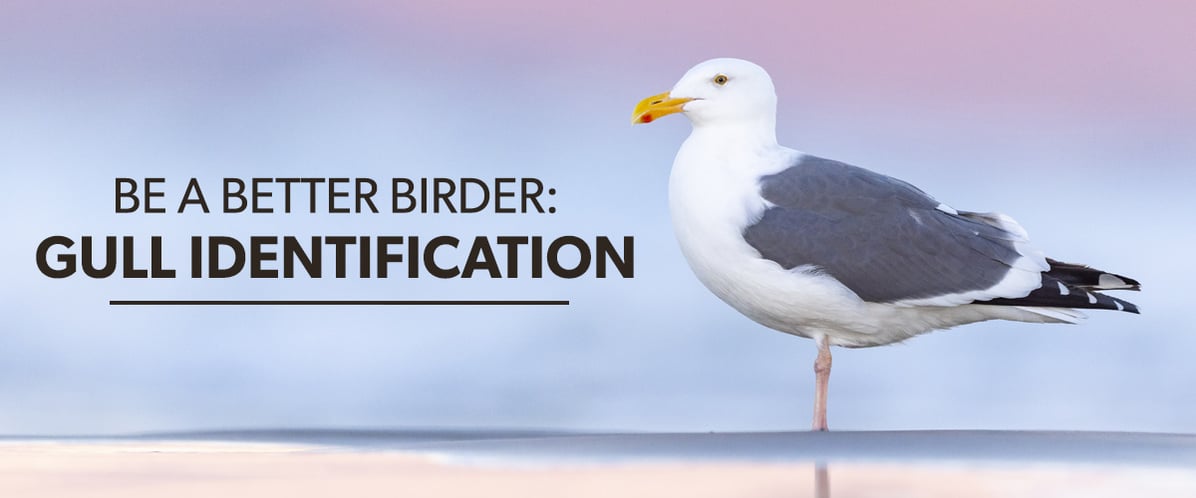 Western Gull © Dorian Anderson / Macaulay Library Gulls! You see them all the time, on the seashore, near inland bodies of water, at your local park, or even sometimes at a nearby parking lot. With their big personalities, excellent communication skills, and high intelligence, they’re always a joy to watch. But can you identify them? Gulls might be black and white, but their identification is anything but! Bird Academy is here to help with our upcoming online course, Be a Better Birder: Gull Identification, now available for pre-order. Whether gulls are a challenge for you to surmount or a group you’re just getting to know, this course gives you the visual tools and expert tips you need to confidently name the gulls you see. |
| Pre-order now, and save 30% while early-bird pricing lasts! Early-Bird Pricing |
| With crucial tips, informative videos, and exclusive practice tools, you’ll master the complex realm of gull identification.For all 24 regularly occurring North American gull species, you’ll learn: ✅ How to approach and simplify gull identification✅ Gull variation and diversity✅ Tools to compare size, shape, color pattern, and markings✅ The major gull groups and how to tell them apart |
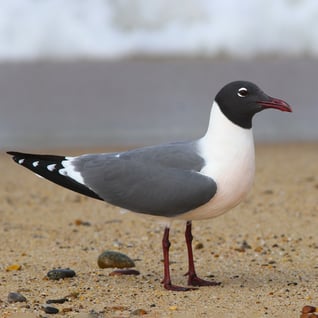 Laughing Gull © Joseph Bourget / Macaulay Library | What’s InsideThis course is packed with videos and cutting-edge practice tools that build your skills in ways that no field guide can. |
| First, you’ll jumpstart your gull skills with instructional videos that hone in on key techniques for ID—including size, shape, color patterns, and markings. Then, dive in, with species by species videos and diagrams to learn all 24 gull species regularly occurring in North America. Get ready for the field with our exclusive SnapID training tool and quickly build your confidence with unlimited photo practice. Go at your own pace, with no deadlines to complete! Save 30% and Pre-order Now |
Get an early taste of this course with a free preview lesson all about the Franklin’s Gull! Find out how to identify this gull in breeding or non-breeding plumage, compare to similar gull species, and train what you’ve learned with a re-playable photo quiz. .jpg?width=1196&upscale=true&name=427522411%20(1200%20x%20900%20px).jpg) Franklin’s Gull © Deanne Hardy / Macaulay Library |



 SANTA MONICA BAY AUDUBON SOCIETY BLOG