Free email delivery
Please sign up for email delivery in the subscription area to the right.
No salesman will call, at least not from us. Maybe from someone else.
Glorious Lagoon June Gloom: Malibu Lagoon, 26 June 2022
[By Chuck Almdale]
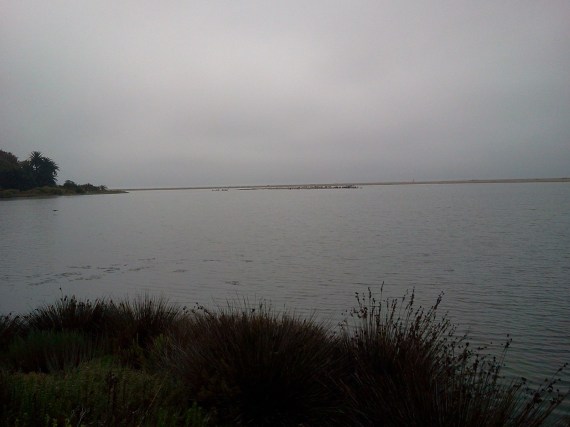
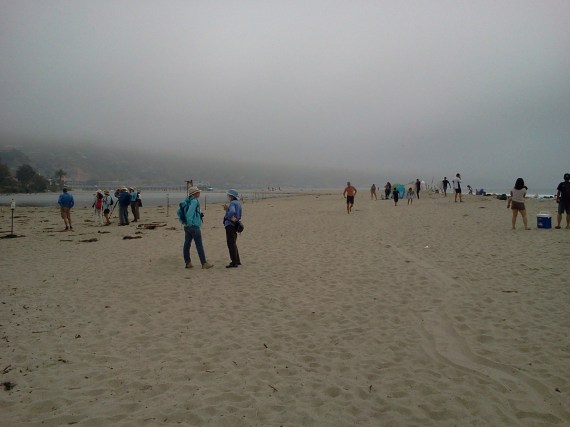
Once again the June Gloom fog came to our rescue. The fog kept the temperature comfortably between 65-70°F. The waves came in sets, so the surfers were mostly sitting on the water…make that sitting on their boards on the water. Twenty-two birders showed up — almost as many birders as there were species of birds.
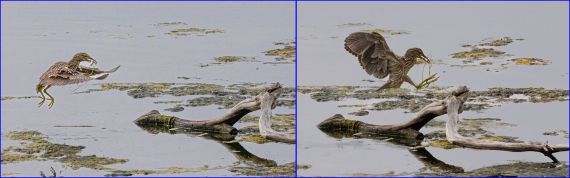

At 0830 at our starting point by the weird semi-shaded pavilion, the sun is always in our eyes when we look at the channel immediately in front of us. Common birds can become mysterious gray-brown objects. I got there a little late and most people were looking at a perched wading bird and wondering, “What is that thing?”

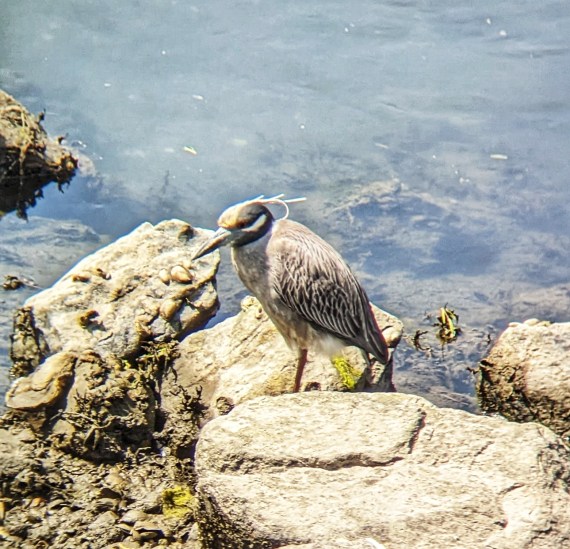
Well, it was a Black-crowned Night-Heron. There were two of them: one in streaky juvenile plumage, the other in a plumage between juvenile (born this year) and adult (usually three years old). They can be a bit confusing even in good light. Lots of people misidentify the juveniles as an American Bittern because of all the streaks.

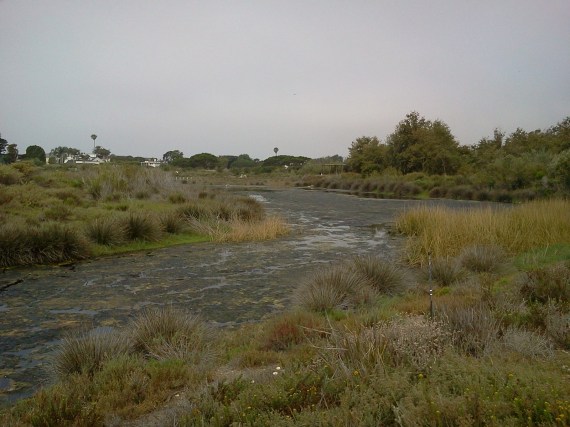
Lagoon water level was quite high. Checking the summer clock sidewalk we found that the level had recently gotten up to 7′ 8.4″.
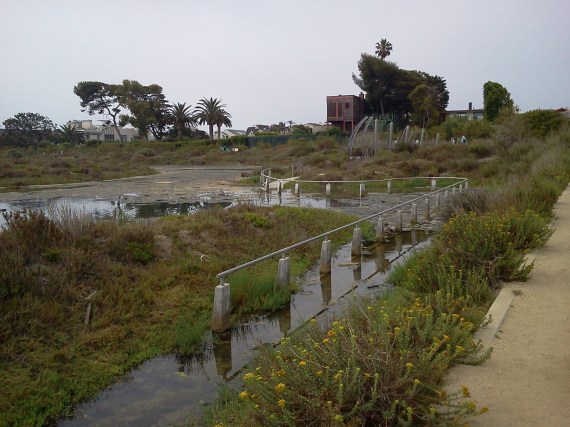

The only ducks present were Gadwall and Mallard, some with chicks in tow. Some of the adult-sized birds didn’t look like adults, so I assume they’re the product of hatchings earlier this year.
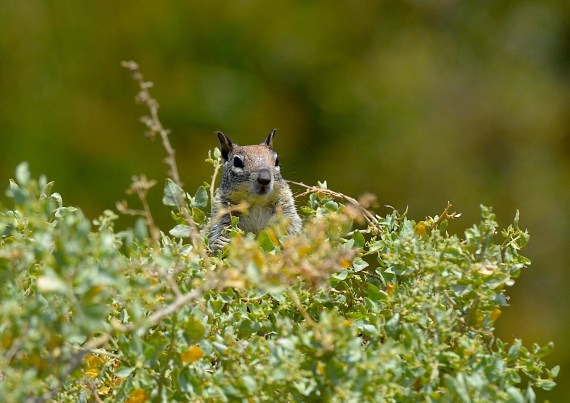
The Osprey was present, whom we had not seen since March.
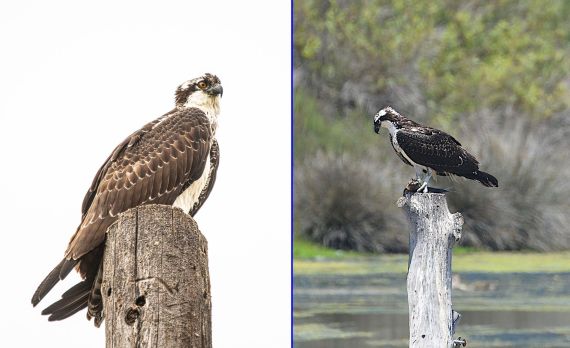
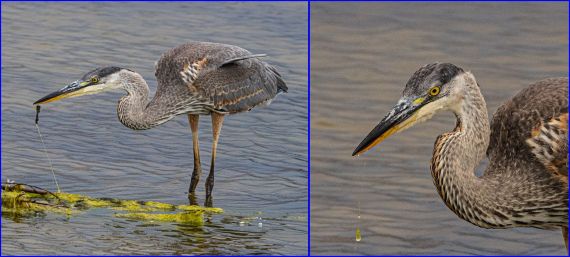
There were plenty of Jumping Mullet in the lagoon. It’s easy to tell they’re Jumping Mullet, due to their persistent habit of jumping. I probably saw fifty jumps over the course of several hours. They come in all sizes, some quite large, so the Osprey has his pick. I’m still waiting for some Ph.D. candidate to crank out a thesis narrowing the reasons why they jump down to somewhere under five.

The number of sandpiper species was exceptionally close to none: three Killdeer and three Whimbrel. The Killdeer are present 97% of the time, and nest at the lagoon. I looked at our most recent ten Junes (2011-2021, no count in June 2015):
Ave. total species: 40 (range 33-48), ave. sandpiper species: 4 (2-6), June 2022: 35 and 2.
Species: Ave. all: 40 (range 33-48); ave. sandpipers: 4 (2-6), June’22: 35 and 2.
Counts: Ave. all: 472 (range 248-863), ave. ‘pipers; 21 (6-41), June’22: 437 and 6.
This year is definitely lower than average, confirming — for a change — my vague suspicion.
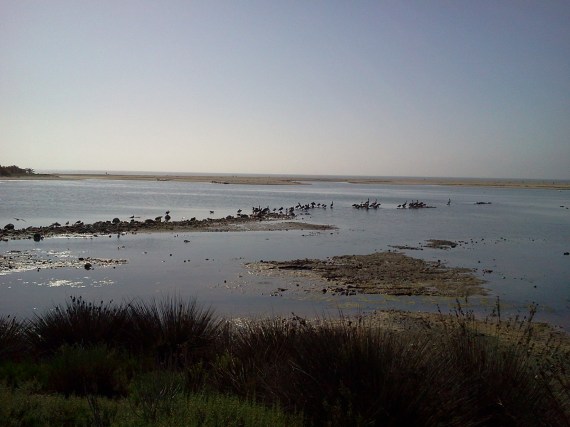
There were quite a few Brown Pelicans on the sand island, and they kept coming and going all morning long. Towards the end of our walk all the birds on the island — gulls, terns, cormorants and pelicans — suddenly rose up into the air. This usually signals a hawk or falcon in flight, but none were to be seen.

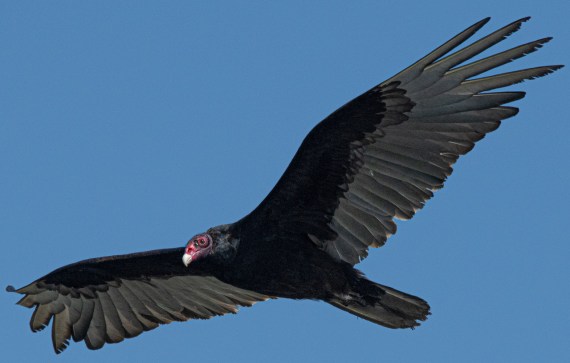
A few minutes later I spotted a Turkey Vulture on the other side of the sand island whom we had not seen land, ripping at something out–of-sight from us. Most likely it was feeding on one of the several Brown Pelican corpses lying about, and someone commented, “That’s probably what put the birds up.” Quite likely. They hadn’t stirred when the vultures first appeared high in the sky, but one dropping down among them was enough to set them off. The vulture of course paid them no attention as they were pointlessly (to him) alive, and the birds quickly returned and settled back down.
We didn’t see any Western Snowy Plovers, but Grace and Larry came by three days later and found a male and a female on the eastern edge of the lagoon.

The photos show a darker day than I thought it to be. When you looked up at the sky it seemed quite blue, yet there were small white wisps of fog everywhere. As I was leaving around 11:30, I saw tiny patches of fog moving a few inches above the lagoon surface and drifting into the pickleweed. Yet the sky seemed bright. It’s probably aliens tinkering with our weather, yet again.

On his way back to the parking lot, Chris Lord spotted a Band-tailed Pigeon, a bird we’ve seen on only (now) three occasions, with a total of nine birds. They’re usually up in the hills, eating acorns.
Birds new for the season: Band-tailed Pigeon, Black-crowned Night-Heron, Osprey.
Malibu Lagoon on eBird as of 6-27-22: 5873 lists, 313 species
Many thanks to photographers: Lillian Johnson, Grace Murayama, Ray Juncosa
Upcoming SMBAS scheduled field trips: Our next trip will be Malibu Lagoon on July 24. This, and any other trip we announce for the foreseeable future will be dependent upon the expected status of the Covid pandemic at trip time. Any trip announced may be canceled shortly before trip date if it seems necessary. By now any other comments along this line should be superfluous.
The next SMBAS program: Zoom Evening Meeting, Tuesday, 4 October 2022, 7:30 p.m.
The SMBAS 10 a.m. Parent’s & Kids Birdwalk is currently under discussion concerning resumption.
Links: Unusual birds at Malibu Lagoon
9/23/02 Aerial photo of Malibu Lagoon
More recent aerial photo
Prior checklists:
2021: Jan-July, July-Dec
2020: Jan-July, July-Dec 2019: Jan-June, July-Dec
2018: Jan-June, July-Dec 2017: Jan-June, July-Dec
2016: Jan-June, July-Dec 2015: Jan-May, July-Dec
2014: Jan-July, July-Dec 2013: Jan-June, July-Dec
2012: Jan-June, July-Dec 2011: Jan-June, July-Dec
2010: Jan-June, July-Dec 2009: Jan-June, July-Dec
The 10-year comparison summaries created during the Lagoon Reconfiguration Project period, remain available—despite numerous complaints—on our Lagoon Project Bird Census Page. Very briefly summarized, the results unexpectedly indicate that avian species diversification and numbers improved slightly during the restoration period June’12-June’14.
Many thanks to Lillian Johnson, Chris Lord and others for their contributions to this month’s checklist.
The list below now includes a column on the left side with numbers 1-9, keyed to the nine categories of birds at the bottom. The species are re-sequenced to agree with the California Bird Records Committee Official California Checklist, updated 15 Jan 2022. I generally do this sequence update at the start of each year.
[Chuck Almdale]
| Malibu Census 2022 | 1/23 | 2/27 | 3/27 | 4/24 | 5/22 | 6/26 | |
| Temperature | 61-73 | 61-70 | 57-65 | 72-75 | 61-66 | 65-70 | |
| Tide Lo/Hi Height | L+2.04 | H+5.76 | H+5.00 | H+4.50 | L-0.32 | H+3.33 | |
| Tide Time | 0645 | 0621 | 0615 | 0442 | 1029 | 0943 | |
| 1 | (Black) Brant | 6 | |||||
| 1 | Canada Goose | 2 | 2 | 6 | 3 | ||
| 1 | Egyptian Goose | 1 | |||||
| 1 | Cinnamon Teal | 2 | |||||
| 1 | Gadwall | 29 | 8 | 47 | 26 | 25 | 15 |
| 1 | American Wigeon | 4 | 6 | 1 | 2 | ||
| 1 | Mallard | 20 | 12 | 30 | 14 | 15 | 35 |
| 1 | Northern Pintail | 1 | |||||
| 1 | Green-winged Teal | 11 | 12 | 15 | 2 | ||
| 1 | Surf Scoter | 10 | 15 | 3 | |||
| 1 | Bufflehead | 2 | 5 | ||||
| 1 | Common Goldeneye | 2 | |||||
| 1 | Red-breasted Merganser | 9 | 6 | 5 | |||
| 1 | Ruddy Duck | 4 | 1 | ||||
| 2 | Pied-billed Grebe | 3 | 3 | 3 | 1 | 1 | |
| 2 | Eared Grebe | 1 | 1 | ||||
| 2 | Western Grebe | 30 | 12 | 16 | |||
| 7 | Feral Pigeon | 20 | 10 | 8 | 4 | 6 | 8 |
| 7 | Band-tailed Pigeon | 3 | 1 | ||||
| 7 | Eurasian Collared-Dove | 1 | |||||
| 7 | Mourning Dove | 4 | 2 | 4 | 2 | ||
| 8 | Anna’s Hummingbird | 2 | 2 | 1 | 1 | ||
| 8 | Allen’s Hummingbird | 3 | 3 | 3 | 3 | 1 | 2 |
| 2 | American Coot | 49 | 73 | 65 | 1 | 4 | 4 |
| 5 | Black-bellied Plover | 58 | 25 | 28 | 2 | 1 | |
| 5 | Killdeer | 2 | 10 | 4 | 2 | 3 | 3 |
| 5 | Semipalmated Plover | 15 | |||||
| 5 | Snowy Plover | 15 | 10 | ||||
| 5 | Whimbrel | 8 | 2 | 8 | 2 | 3 | |
| 5 | Marbled Godwit | 32 | 1 | 2 | |||
| 5 | Ruddy Turnstone | 6 | 5 | ||||
| 5 | Sanderling | 1 | 45 | 2 | |||
| 5 | Dunlin | 1 | |||||
| 5 | Least Sandpiper | 12 | 20 | 10 | 50 | ||
| 5 | Western Sandpiper | 1 | 11 | 35 | 30 | ||
| 5 | Spotted Sandpiper | 6 | 1 | ||||
| 5 | Willet | 15 | 8 | 6 | 2 | ||
| 5 | Red-necked Phalarope | 1 | |||||
| 6 | Bonaparte’s Gull | 1 | |||||
| 6 | Heermann’s Gull | 45 | 1 | 8 | 15 | 4 | 27 |
| 6 | Ring-billed Gull | 40 | 175 | 16 | 65 | ||
| 6 | Western Gull | 95 | 88 | 95 | 57 | 95 | 55 |
| 6 | California Gull | 925 | 510 | 185 | 35 | 33 | 3 |
| 6 | Herring Gull | 2 | 1 | 2 | |||
| 6 | Glaucous-winged Gull | 5 | 5 | 8 | 6 | ||
| 6 | Caspian Tern | 1 | 8 | 12 | 15 | 22 | |
| 6 | Royal Tern | 5 | 2 | 35 | 18 | 3 | 3 |
| 6 | Elegant Tern | 6 | 220 | 24 | |||
| 2 | Red-throated Loon | 1 | 2 | ||||
| 2 | Pacific Loon | 1 | 2 | ||||
| 2 | Common Loon | 2 | 1 | ||||
| 2 | Black-vented Shearwater | 1000 | |||||
| 2 | Brandt’s Cormorant | 6 | 1 | 5 | 1 | 50 | |
| 2 | Pelagic Cormorant | 12 | 3 | 1 | 1 | 2 | |
| 2 | Double-crested Cormorant | 45 | 51 | 33 | 26 | 22 | 46 |
| 2 | Brown Pelican | 110 | 15 | 23 | 68 | 65 | 126 |
| 3 | Great Blue Heron | 4 | 2 | 1 | 1 | 2 | 3 |
| 3 | Great Egret | 2 | 5 | 3 | 2 | 4 | |
| 3 | Snowy Egret | 6 | 3 | 4 | 1 | 1 | 2 |
| 3 | Green Heron | 1 | |||||
| 3 | Black-crowned Night-Heron | 5 | 4 | ||||
| 4 | Turkey Vulture | 1 | 5 | 3 | 4 | 4 | |
| 4 | Osprey | 1 | 1 | 1 | 1 | ||
| 4 | Cooper’s Hawk | 1 | 1 | ||||
| 4 | Red-shouldered Hawk | 1 | 1 | ||||
| 4 | Red-tailed Hawk | 1 | 1 | ||||
| 8 | Belted Kingfisher | 1 | 1 | 1 | 1 | ||
| 4 | Merlin | 1 | |||||
| 9 | Black Phoebe | 4 | 3 | 3 | 2 | 5 | |
| 9 | Say’s Phoebe | 1 | |||||
| 9 | California Scrub-Jay | 2 | 3 | 2 | 1 | 1 | |
| 9 | American Crow | 4 | 20 | 6 | 4 | 4 | 5 |
| 9 | Common Raven | 1 | 2 | ||||
| 9 | Oak Titmouse | 1 | |||||
| 9 | Tree Swallow | 2 | |||||
| 9 | No. Rough-winged Swallow | 2 | 4 | 8 | |||
| 9 | Barn Swallow | 4 | 8 | 15 | 20 | ||
| 9 | Cliff Swallow | 8 | 4 | ||||
| 9 | Bushtit | 12 | 4 | 4 | 10 | 8 | |
| 9 | Wrentit | 2 | 2 | ||||
| 9 | Blue-gray Gnatcatcher | 2 | |||||
| 9 | House Wren | 2 | 1 | ||||
| 9 | Northern Mockingbird | 1 | 1 | 1 | 1 | ||
| 9 | European Starling | 15 | 30 | 3 | 2 | 1 | |
| 9 | Hermit Thrush | 1 | |||||
| 9 | House Finch | 8 | 5 | 15 | 6 | 12 | 10 |
| 9 | Lesser Goldfinch | 4 | 2 | 2 | 1 | ||
| 9 | Dark-eyed Junco | 4 | 3 | ||||
| 9 | White-crowned Sparrow | 35 | 25 | 20 | 2 | ||
| 9 | Song Sparrow | 6 | 6 | 10 | 7 | 10 | 4 |
| 9 | California Towhee | 2 | 2 | 2 | 2 | 2 | 1 |
| 9 | Red-winged Blackbird | 2 | 1 | ||||
| 9 | Brown-headed Cowbird | 2 | 1 | ||||
| 9 | Great-tailed Grackle | 1 | 3 | 5 | 2 | 1 | 6 |
| 9 | Orange-crowned Warbler | 1 | |||||
| 9 | Common Yellowthroat | 3 | 1 | 1 | |||
| 9 | Yellow-rumped Warbler | 10 | 6 | 1 | |||
| Totals by Type | Jan | Feb | Mar | Apr | May | Jun | |
| 1 | Waterfowl | 88 | 52 | 127 | 49 | 48 | 50 |
| 2 | Water Birds – Other | 1259 | 164 | 146 | 99 | 143 | 177 |
| 3 | Herons, Egrets & Ibis | 18 | 5 | 10 | 5 | 5 | 13 |
| 4 | Quail & Raptors | 5 | 5 | 6 | 3 | 4 | 5 |
| 5 | Shorebirds | 135 | 97 | 146 | 114 | 6 | 6 |
| 6 | Gulls & Terns | 1118 | 783 | 363 | 428 | 174 | 110 |
| 7 | Doves | 21 | 17 | 10 | 8 | 6 | 11 |
| 8 | Other Non-Passerines | 6 | 6 | 5 | 4 | 2 | 2 |
| 9 | Passerines | 117 | 118 | 81 | 64 | 64 | 63 |
| Totals Birds | 2767 | 1247 | 894 | 774 | 452 | 437 | |
| Total Species | Jan | Feb | Mar | Apr | May | Jun | |
| 1 | Waterfowl | 9 | 9 | 9 | 6 | 4 | 2 |
| 2 | Water Birds – Other | 11 | 11 | 7 | 7 | 5 | 4 |
| 3 | Herons, Egrets & Ibis | 5 | 2 | 3 | 3 | 3 | 4 |
| 4 | Quail & Raptors | 5 | 5 | 2 | 1 | 1 | 2 |
| 5 | Shorebirds | 9 | 9 | 8 | 11 | 4 | 2 |
| 6 | Gulls & Terns | 8 | 8 | 9 | 8 | 6 | 5 |
| 7 | Doves | 2 | 3 | 2 | 2 | 1 | 3 |
| 8 | Other Non-Passerines | 3 | 3 | 3 | 2 | 2 | 1 |
| 9 | Passerines | 20 | 17 | 16 | 17 | 13 | 12 |
| Totals Species – 97 | 72 | 67 | 59 | 57 | 39 | 35 |
A fish for a dish, is that what you wish? | YouTube
[Posted by Chuck Almdale]
A female Belted Kingfisher captures a fish and prepares her meal. Watch what happens to the railing. Sound included.
Pelicans & Phalaropes: Malibu Lagoon, 22 May 2022
[By Chuck Almdale]
Look for the mystery bird photo just above the trip list.

The fog kept the temperature comfortable. Big ones were rolling in at the beach, and the waves were covered with surfers. Outsiders kept appearing, and the surfers were too close in to catch them, always a disappointment for surfers and watchers alike.

It’s spring, (pre)-June gloom is here, and our birds are disappearing to the north. A few might be back by late June—Western Snowy Plovers, for example—but June is normally the month for low numbers and low diversity. Today we had only 452 birds in 39 species.
That seemed a bit low for May, so I decided to check. It turns out that:
10 Mays 2012-2021 low-high range: 262-918 birds, 30-55 species
10 Mays 2012-2021 average: 530 birds, 42 species (rounded)
5/22/22 below the prior 10-year average: 15% birds, 7% species
So…below average but within ‘normal operating parameters,’ to misuse a phrase.

Most notably absent were the sandpipers (‘shorebirds,’ ‘waders,’ ‘peeps’). Two whole birds! (if you exclude the plovers).

But one of them was a ‘good’ bird: a female Red-necked Phalarope. We get some of these irregularly during migration, but not many and not often. Here’s a few numbers: Out of 299 census dates, we’ve seen 70 birds total over 19 sightings. Sightings are: 2 in Apr, 3 in May, 1 in July, 7 in Aug, 5 in Sep, 1 in Nov. So August and September are your best bets, followed by May.
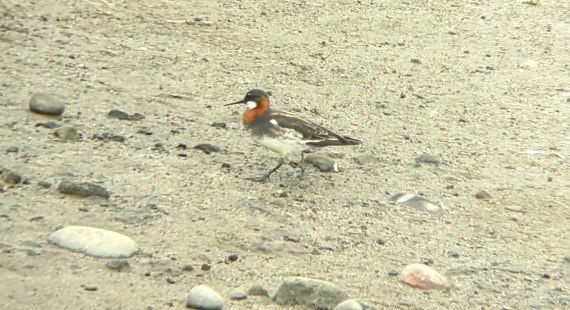
There may have been something wrong with this bird. I got an email from Mel Raab who sent me a photo of a female taken on May 15 walking on the pebbled shore (of the lagoon, I believe). When we saw the bird on 5/22, a week later, it looks like it may be the same bird and it’s also walking on the shore.
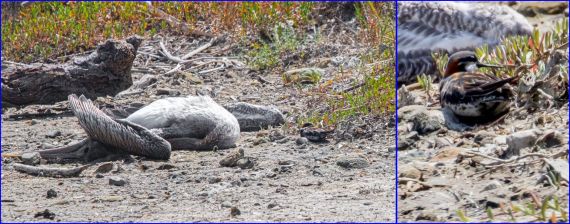
Right: Red-necked Phalarope a bit closer. (C. Tosdevin 5-22-22)
Two passing birders said they’d seen it in the water earlier. When the bulk of our group laid eyes on it, she was walking up the sand from the water. So it’s not paralyzed or at the edge of death. Just tired, perhaps. Or…a totally different female; two birds, one at a time, a week apart. Yes, these things happen and the birds frequently fail to keep us updated on their plans.
Phalaropes feed in the water, often by twirling in a circle which creates a little whirlpool that brings up tiny edibles from below which the bird can pick off the surface or close to the surface with it’s very thin bill. I’ve never seen one walk up and down the shore like a Least Sandpiper looking for something to grab.
Phalaropes are also among the few avian species that are polyandrous—females take more than one mate. Female phalaropes are also more colorful than the males, a situation known as ‘reversed sexual dimorphism;’ ‘reversed’ because when the sexes look different, it’s usually the male that is more colorful. Some polyandrous females mate sequentially, breeding with one male, then traipsing off to find another, then another, and then another if time and weather permits.
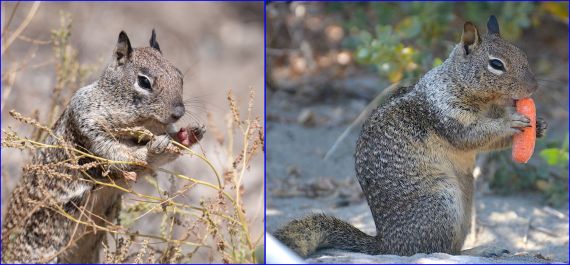
(L. Flynn 5-22-22 & G. Murayama 5-26-22)
Other polyandrous females mate with several males at the same time. Some of the Jacana species do it this way. I haven’t been able to find out how many bird species in the world are polyandrous. When I wrote a 3-part article about polyandry and reversed sexual dimorphism six years ago, I discussed 17 polyandrous species, but found mention of about 40 polyandrous species in total—not many (0.37%) out of 10,800 species of birds.
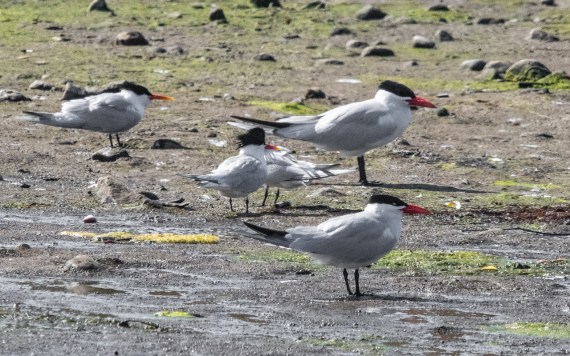
Not really; it’s an optical illusion. (R. Juncosa 5-22-22)
Most of the gulls have left, and the tern population dropped significantly as well. The Double-crested Cormorants were sitting on the stones in the lagoon, the Pelagic Cormorants were swimming in the near-surf zone, and the 50 Brandt’s Cormorants were a fly-by flock.

There has been a drop in the local population of whatever fish the Brown Pelicans like to eat. Some of them are starving to death, literally, and we saw perhaps six pelican corpses on the edges of the lagoon and on the beach. One such corpse was in close proximity to the sleeping Red-necked Phalarope.
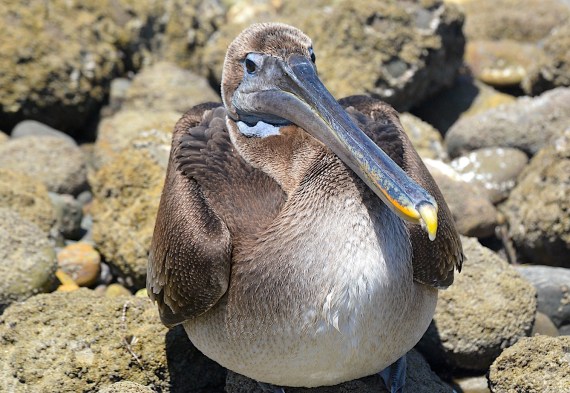
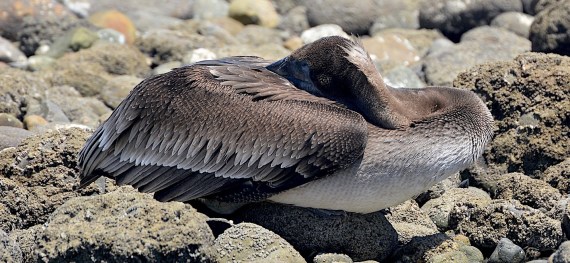

Once again we did not—as expected—see any Western Snowy Plovers. They’re just not here this time of year, unless a pair decides to mate and nest here. But oftentimes a few birds have returned by the time of the June trip, back from breeding somewhere farther north.
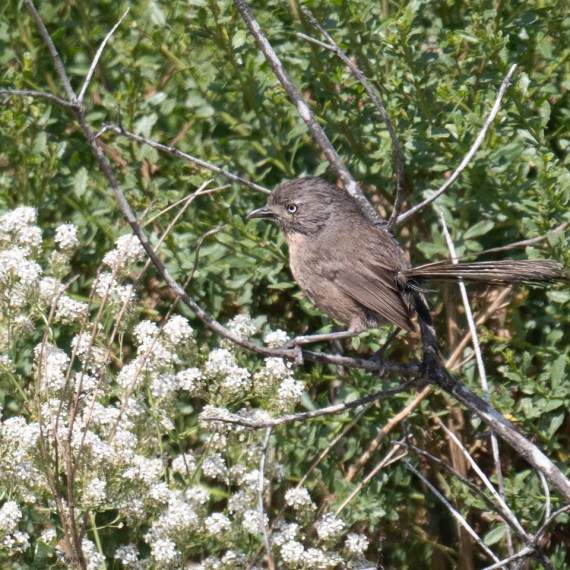
(L. Flynn 5-22-22)
Birds new for the season: Brant, Red-necked Phalarope, Common Raven.
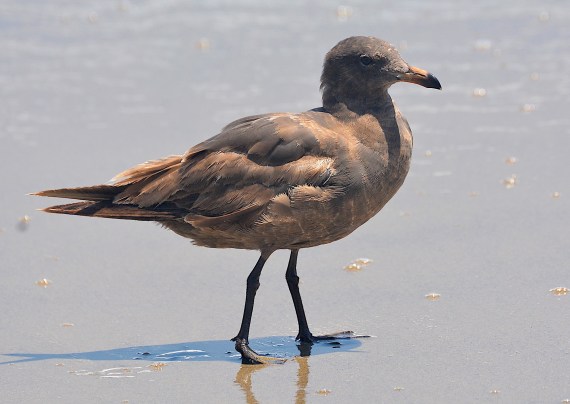
at Isla Rasa in the Sea of Cortez. (G. Murayama 5-26-22)
Malibu Lagoon on eBird as of 5-28-22: 5842 lists, 313 species
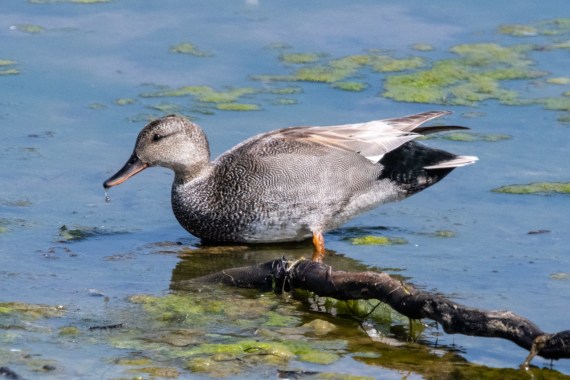
at the lagoon again this year. (R. Juncosa 5-22-22)
Many thanks to photographers: Lynzie Floyd, Lillian Johnson, Grace Murayama, Mel Raab, Chris Tosdevin

Upcoming SMBAS scheduled field trips: Our next trip will be Malibu Lagoon on June 26. This, and any other trip we announce will—for the foreseeable future—be dependent upon the expected status of the Covid pandemic at trip time. Any trip announced may be canceled shortly before trip date if it seems necessary. By now any other comments about this topic should be superfluous.
The next SMBAS program: Bird Migration at the Bear Divide, San Gabriel Mtns., with Ryan Terrill of Occidental College. Zoom Evening Meeting, Tuesday, 7 June 2022, 7:30 p.m.
The SMBAS 10 a.m. Parent’s & Kids Birdwalk remains canceled until further notice due to the near-impossibility of maintained proper masked social distancing, if desired, with parents and small children.
Links: Unusual birds at Malibu Lagoon
9/23/02 Aerial photo of Malibu Lagoon
More recent aerial photo
Prior checklists:
2021: Jan-July, July-Dec
2020: Jan-July, July-Dec 2019: Jan-June, July-Dec
2018: Jan-June, July-Dec 2017: Jan-June, July-Dec
2016: Jan-June, July-Dec 2015: Jan-May, July-Dec
2014: Jan-July, July-Dec 2013: Jan-June, July-Dec
2012: Jan-June, July-Dec 2011: Jan-June, July-Dec
2010: Jan-June, July-Dec 2009: Jan-June, July-Dec
The 10-year comparison summaries created during the Lagoon Reconfiguration Project period, remain available—despite numerous complaints—on our Lagoon Project Bird Census Page. Very briefly summarized, the results unexpectedly indicate that avian species diversification and numbers improved slightly during the restoration period June’12-June’14.
Many thanks to Lynzie Floyd, Lillian Johnson, Chris Lord, Grace Murayama, Mel Raab, Chris Tosdevin and others for their contributions to this month’s checklist.
The list below now includes a column on the left side with numbers 1-9, keyed to the nine categories of birds at the bottom. The species are re-sequenced to agree with the California Bird Records Committee Official California Checklist, updated 15 Jan 2022. I generally do this sequence update at the start of each year.
[Chuck Almdale]
| Malibu Census 2021-22 | 12/26 | 1/23 | 2/27 | 3/27 | 4/24 | 5/22 | |
| Temperature | 54-62 | 61-73 | 61-70 | 57-65 | 72-75 | 61-66 | |
| Tide Lo/Hi Height | L+2.58 | L+2.04 | H+5.76 | H+5.00 | H+4.50 | L-0.32 | |
| Tide Time | 0900 | 0645 | 0621 | 0615 | 0442 | 1029 | |
| 1 | (Black) Brant | 6 | |||||
| 1 | Canada Goose | 4 | 2 | 2 | 6 | 3 | |
| 1 | Egyptian Goose | 1 | |||||
| 1 | Cinnamon Teal | 2 | |||||
| 1 | Gadwall | 20 | 29 | 8 | 47 | 26 | 25 |
| 1 | American Wigeon | 10 | 4 | 6 | 1 | 2 | |
| 1 | Mallard | 12 | 20 | 12 | 30 | 14 | 15 |
| 1 | Northern Pintail | 1 | 1 | ||||
| 1 | Green-winged Teal | 15 | 11 | 12 | 15 | 2 | |
| 1 | Surf Scoter | 10 | 15 | 3 | |||
| 1 | Bufflehead | 10 | 2 | 5 | |||
| 1 | Common Goldeneye | 2 | |||||
| 1 | Hooded Merganser | 13 | |||||
| 1 | Red-breasted Merganser | 15 | 9 | 6 | 5 | ||
| 1 | Ruddy Duck | 13 | 4 | 1 | |||
| 2 | Pied-billed Grebe | 5 | 3 | 3 | 3 | 1 | |
| 2 | Horned Grebe | 1 | |||||
| 2 | Eared Grebe | 1 | 1 | ||||
| 2 | Western Grebe | 30 | 12 | 16 | |||
| 7 | Feral Pigeon | 3 | 20 | 10 | 8 | 4 | 6 |
| 7 | Band-tailed Pigeon | 3 | |||||
| 7 | Eurasian Collared-Dove | 1 | |||||
| 7 | Mourning Dove | 1 | 4 | 2 | 4 | ||
| 8 | Anna’s Hummingbird | 2 | 2 | 2 | 1 | 1 | |
| 8 | Allen’s Hummingbird | 4 | 3 | 3 | 3 | 3 | 1 |
| 2 | American Coot | 360 | 49 | 73 | 65 | 1 | 4 |
| 5 | Black-bellied Plover | 104 | 58 | 25 | 28 | 2 | 1 |
| 5 | Killdeer | 10 | 2 | 10 | 4 | 2 | 3 |
| 5 | Semipalmated Plover | 15 | |||||
| 5 | Snowy Plover | 34 | 15 | 10 | |||
| 5 | Whimbrel | 9 | 8 | 2 | 8 | 2 | |
| 5 | Marbled Godwit | 71 | 32 | 1 | 2 | ||
| 5 | Ruddy Turnstone | 1 | 6 | 5 | |||
| 5 | Sanderling | 22 | 1 | 45 | 2 | ||
| 5 | Dunlin | 1 | |||||
| 5 | Least Sandpiper | 35 | 12 | 20 | 10 | 50 | |
| 5 | Western Sandpiper | 1 | 11 | 35 | 30 | ||
| 5 | Spotted Sandpiper | 6 | 1 | ||||
| 5 | Willet | 13 | 15 | 8 | 6 | 2 | |
| 5 | Red-necked Phalarope | 1 | |||||
| 6 | Bonaparte’s Gull | 2 | 1 | ||||
| 6 | Heermann’s Gull | 26 | 45 | 1 | 8 | 15 | 4 |
| 6 | Ring-billed Gull | 170 | 40 | 175 | 16 | 65 | |
| 6 | Western Gull | 85 | 95 | 88 | 95 | 57 | 95 |
| 6 | California Gull | 370 | 925 | 510 | 185 | 35 | 33 |
| 6 | Herring Gull | 2 | 1 | 2 | |||
| 6 | Glaucous-winged Gull | 2 | 5 | 5 | 8 | 6 | |
| 6 | Caspian Tern | 1 | 8 | 12 | 15 | ||
| 6 | Royal Tern | 5 | 2 | 35 | 18 | 3 | |
| 6 | Elegant Tern | 6 | 220 | 24 | |||
| 2 | Red-throated Loon | 1 | 1 | 2 | |||
| 2 | Pacific Loon | 1 | 2 | ||||
| 2 | Common Loon | 2 | 1 | ||||
| 2 | Black-vented Shearwater | 1000 | |||||
| 2 | Brandt’s Cormorant | 1 | 6 | 1 | 5 | 1 | 50 |
| 2 | Pelagic Cormorant | 1 | 12 | 3 | 1 | 1 | 2 |
| 2 | Double-crested Cormorant | 39 | 45 | 51 | 33 | 26 | 22 |
| 2 | Brown Pelican | 44 | 110 | 15 | 23 | 68 | 65 |
| 3 | Great Blue Heron | 4 | 4 | 2 | 1 | 1 | 2 |
| 3 | Great Egret | 7 | 2 | 5 | 3 | 2 | |
| 3 | Snowy Egret | 24 | 6 | 3 | 4 | 1 | 1 |
| 3 | Green Heron | 2 | 1 | ||||
| 3 | Black-crowned Night-Heron | 1 | 5 | ||||
| 4 | Turkey Vulture | 1 | 1 | 5 | 3 | 4 | |
| 4 | Osprey | 1 | 1 | 1 | 1 | ||
| 4 | Cooper’s Hawk | 2 | 1 | 1 | |||
| 4 | Red-shouldered Hawk | 1 | 1 | 1 | |||
| 4 | Red-tailed Hawk | 1 | 1 | 1 | |||
| 8 | Belted Kingfisher | 1 | 1 | 1 | 1 | ||
| 8 | Downy Woodpecker | 1 | |||||
| 8 | Nuttall’s Woodpecker | 1 | |||||
| 4 | Merlin | 1 | |||||
| 9 | Black Phoebe | 4 | 4 | 3 | 3 | 2 | |
| 9 | Say’s Phoebe | 1 | |||||
| 9 | California Scrub-Jay | 2 | 2 | 3 | 2 | 1 | |
| 9 | American Crow | 7 | 4 | 20 | 6 | 4 | 4 |
| 9 | Common Raven | 1 | 2 | ||||
| 9 | Oak Titmouse | 1 | |||||
| 9 | Tree Swallow | 2 | |||||
| 9 | No. Rough-winged Swallow | 2 | 4 | 8 | |||
| 9 | Barn Swallow | 2 | 4 | 8 | 15 | ||
| 9 | Cliff Swallow | 8 | 4 | ||||
| 9 | Bushtit | 12 | 4 | 4 | 10 | ||
| 9 | Wrentit | 1 | 2 | 2 | |||
| 9 | Blue-gray Gnatcatcher | 1 | 2 | ||||
| 9 | House Wren | 2 | |||||
| 9 | Bewick’s Wren | 4 | |||||
| 9 | Northern Mockingbird | 1 | 1 | 1 | 1 | ||
| 9 | European Starling | 9 | 15 | 30 | 3 | 2 | 1 |
| 9 | Hermit Thrush | 1 | 1 | ||||
| 9 | House Finch | 8 | 8 | 5 | 15 | 6 | 12 |
| 9 | Lesser Goldfinch | 2 | 4 | 2 | 2 | ||
| 9 | Dark-eyed Junco | 2 | 4 | 3 | |||
| 9 | White-crowned Sparrow | 17 | 35 | 25 | 20 | 2 | |
| 9 | Savannah Sparrow | 1 | |||||
| 9 | Song Sparrow | 8 | 6 | 6 | 10 | 7 | 10 |
| 9 | California Towhee | 4 | 2 | 2 | 2 | 2 | 2 |
| 9 | Red-winged Blackbird | 2 | 1 | ||||
| 9 | Brown-headed Cowbird | 2 | 1 | ||||
| 9 | Great-tailed Grackle | 7 | 1 | 3 | 5 | 2 | 1 |
| 9 | Orange-crowned Warbler | 1 | |||||
| 9 | Common Yellowthroat | 6 | 3 | 1 | 1 | ||
| 9 | Yellow-rumped Warbler | 20 | 10 | 6 | 1 | ||
| Totals by Type | Dec | Jan | Feb | Mar | Apr | May | |
| 1 | Waterfowl | 113 | 88 | 52 | 127 | 49 | 48 |
| 2 | Water Birds – Other | 452 | 1259 | 164 | 146 | 99 | 143 |
| 3 | Herons, Egrets & Ibis | 38 | 18 | 5 | 10 | 5 | 5 |
| 4 | Quail & Raptors | 6 | 5 | 5 | 6 | 3 | 4 |
| 5 | Shorebirds | 299 | 135 | 97 | 146 | 114 | 6 |
| 6 | Gulls & Terns | 655 | 1118 | 783 | 363 | 428 | 174 |
| 7 | Doves | 4 | 21 | 17 | 10 | 8 | 6 |
| 8 | Other Non-Passerines | 8 | 6 | 6 | 5 | 4 | 2 |
| 9 | Passerines | 107 | 117 | 118 | 81 | 64 | 64 |
| Totals Birds | 1682 | 2767 | 1247 | 894 | 774 | 452 | |
| Total Species | Dec | Jan | Feb | Mar | Apr | May | |
| 1 | Waterfowl | 10 | 9 | 9 | 9 | 6 | 4 |
| 2 | Water Birds – Other | 8 | 11 | 11 | 7 | 7 | 5 |
| 3 | Herons, Egrets & Ibis | 5 | 5 | 2 | 3 | 3 | 3 |
| 4 | Quail & Raptors | 5 | 5 | 5 | 2 | 1 | 1 |
| 5 | Shorebirds | 9 | 9 | 9 | 8 | 11 | 4 |
| 6 | Gulls & Terns | 6 | 8 | 8 | 9 | 8 | 6 |
| 7 | Doves | 2 | 2 | 3 | 2 | 2 | 1 |
| 8 | Other Non-Passerines | 4 | 3 | 3 | 3 | 2 | 2 |
| 9 | Passerines | 20 | 20 | 17 | 16 | 17 | 13 |
| Totals Species – 103 | 69 | 72 | 67 | 59 | 57 | 39 |
[Posted by Chuck Almdale]

I’m a big fan of birding guide books. In lieu of a paid guide and a whole lot cheaper, they can get you to the right places to find birds, rather than driving aimlessly around crashing into things while looking around for birds instead of watching the road. Not all good birding spots can be easily found on the web, not all web sites give you succinct directions and descriptions, and not all areas have great web reception. A book in hand is worth two on the web. Or maybe four. Our neighbor chapter Pasadena Audubon Society (PAS) lives in a birdy area where the migrants pass through in aerial rivers, with valleys and rivers and parks and reservoirs and mountain forests and meadows. A book to birding this area would be very useful to residents and visitors alike, and voilà! now one exists.
According to one local birder: “I just bought a copy yesterday at the California Botanical Garden in Claremont and did not realize it was hot off the press. Quite a bit pricier ($35) at the garden than online ($20).”
If you’re a die-hard “if it’s not on the web it doesn’t exist” person, here’s a link to SMBAS’ on-line bird-finding guide for Los Angeles County with 81 sites spread over seven pages. It’s getting a bit out-of-date.
Here’s the PAS message:
Pasadena Audubon is pleased to announce the publication of their all-new Birding Guide to the Greater Pasadena Area. The Guide gives detailed descriptions of 30 of the region’s top birding hotspots, along with background on the area’s ecology, seasonal species distribution charts, birdability access ratings of the locations, profiles of the notable introduced species, and much more.
For more info about the book, as well as a list of stores in the Pasadena/Los Angeles area that stock the book, visit https://www.pasadenaaudubon.org/birding-guide .
The Guide is also available online from Buteo Books, at https://www.buteobooks.com/mm5/merchant.mvc?Screen=PROD&Product_Code=15274 .
Chapter Elections, June 7th
Yes, on the same day as our California Primaries there will be Voting at our June 7th Evening Meeting. The Nominating Committee has the following slate for the three officer positions open this year:
- Vice-president: Ted Winterer
- Treasurer: Cindy Schotté
- Secretary: Darwin Mendinueto
Voting is limited to SMBAS members in good standing. A member may make a nomination for these positions from the floor on June 7th.
We will also be voting to accept a set of revised chapter bylaws. The last revisions were made in March 2012 and we need to get up-to-date. Again, voting is limited to SMBAS members in good standing. A PDF of the proposed bylaws is available by clicking HERE.
If you have any questions about the elections, please email Chuck Bragg. Click on “Contacts” at the top of this page for the email address.



 SANTA MONICA BAY AUDUBON SOCIETY BLOG