Free email delivery
Please sign up for email delivery in the subscription area to the right.
No salesman will call, at least not from us. Maybe from someone else.
Cool Times at Malibu Lagoon, 25 Jan. 2026

[By Chuck Almdale; photos by Ray Juncosa]
I could not make it to today’s lagoon walk. Chris & Ruth Tosdevin kindly agreed to lead the trip and sent me a trip list, while Ray sent me some photos. It looked like a lovely day.
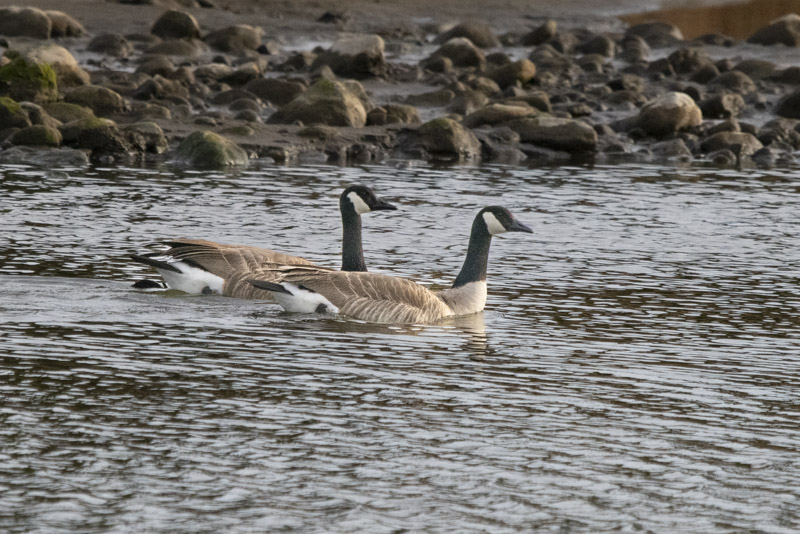
Canada Geese have nested on the brushy sand islands in the lagoon since 2019, sometimes one pair, sometimes two, although they were a bit hard to find in 2022.
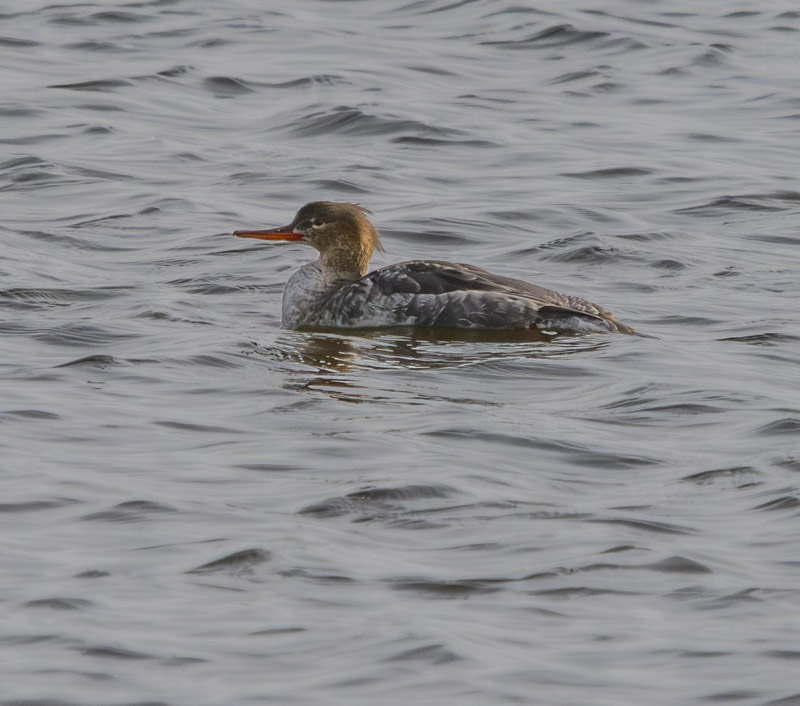
Red-breasted Mergansers show up every winter, nearly always in single digits. The most we’ve ever had was 25 on 11-23-14, 12-28-24, and 11-27-22. Most look like this bird below as juveniles look much like the adult females. About 1 in 10 look like adult males with a real red breast and dark green head.
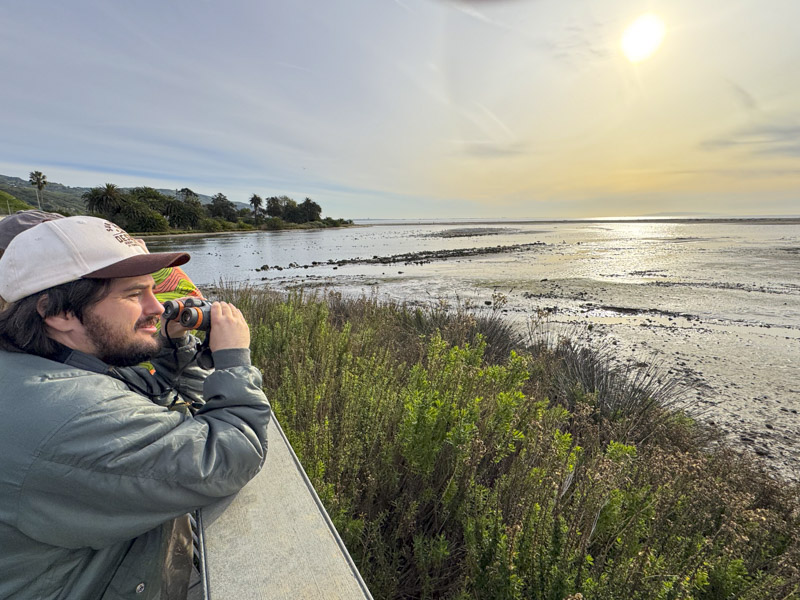
Low tide (+1.31 ft) at 8:46 am. In the winter when the outlet to the sea is open, much of the channels consists of mud.
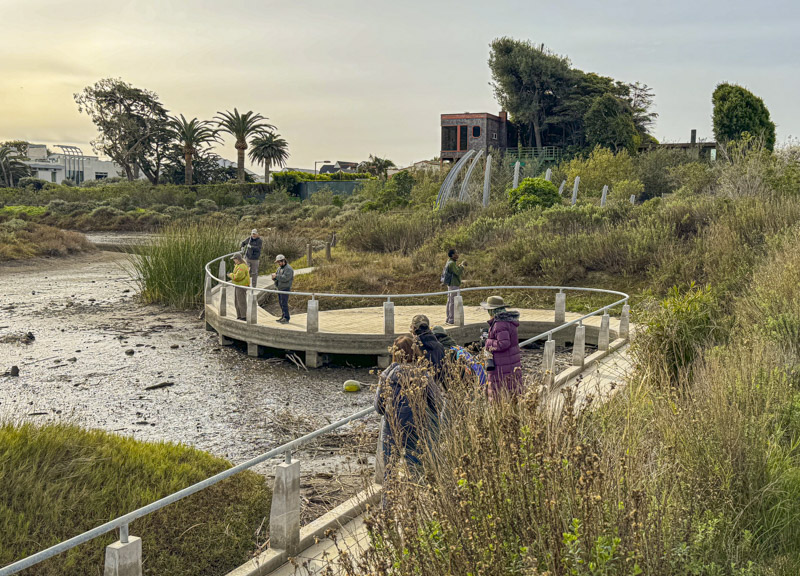
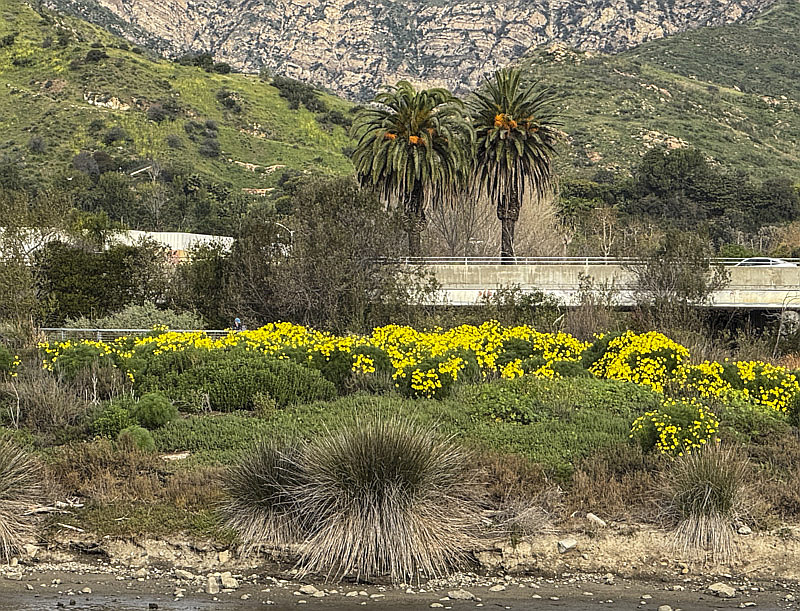
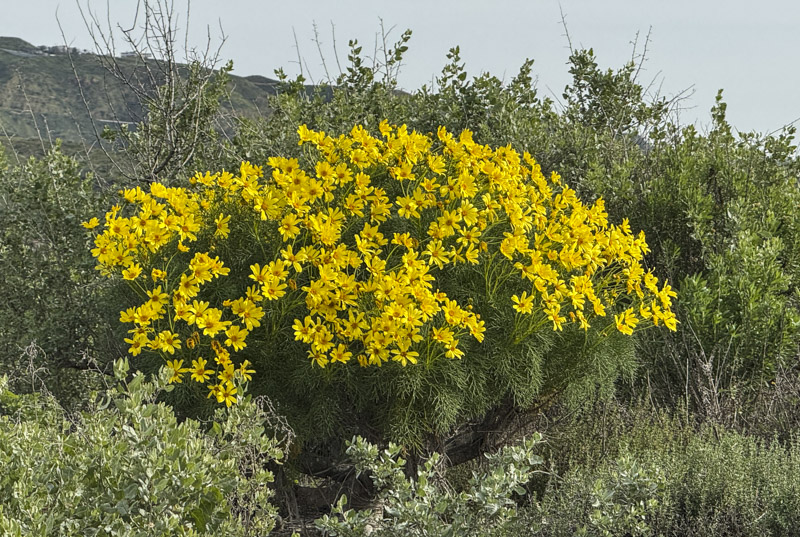
From the the 3rd lookout point near the beach, one can see a large patch of Giant Coreopsis blooming on Boot-heel Island. Pacific Coast Hwy. bridge is behind, then two fruiting palm trees and the coastal range in the distance. Sometimes the fruit from the various palm species introduced to SoCal is unbelievably delicious, if you like squishy fruit. Some people don’t.
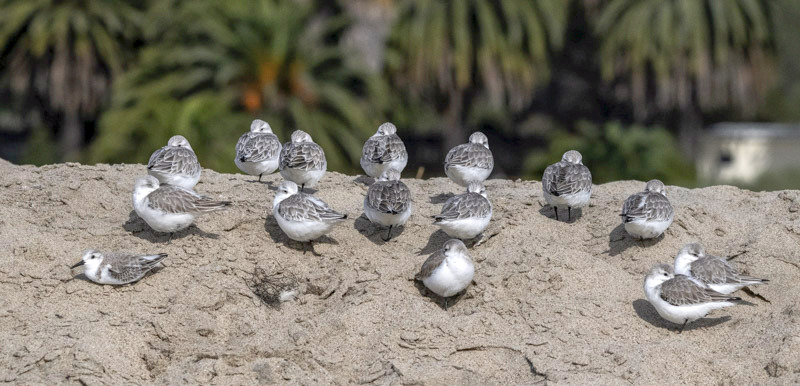
Down on Surfrider’s Beach, many of the shorebirds were resting. ZZZzzzzz. Only one of these Sanderlings on the high tide berm seems alert.
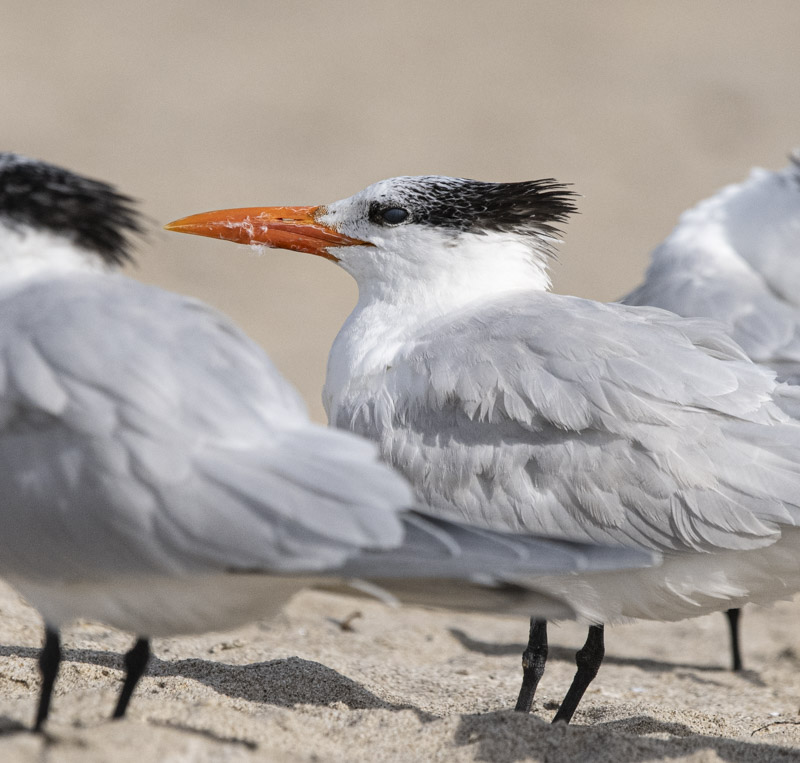
This Royal Tern’s bill-edge seems to have fluff attached, and it’s wing coverts appear chaffed. Is this part of the molting process, or is it just being overly-diligent when preening, or was it attacking another bird? Avian mysteries abound.
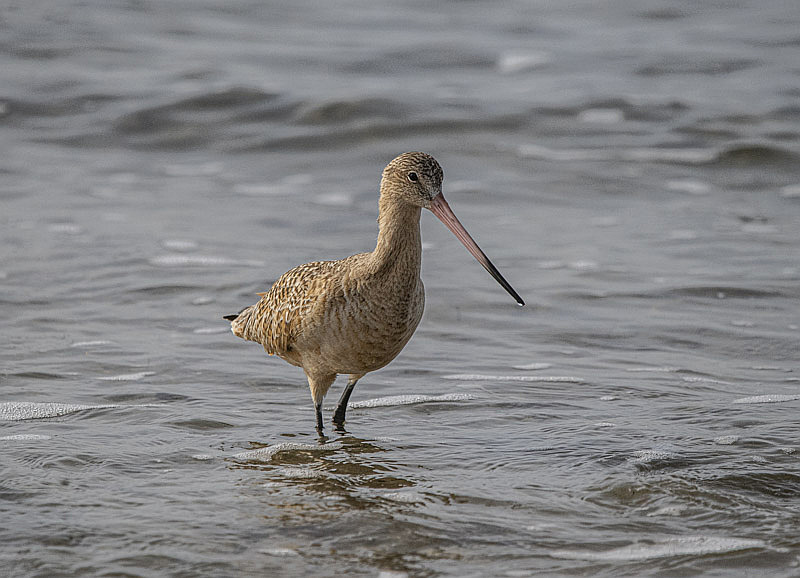
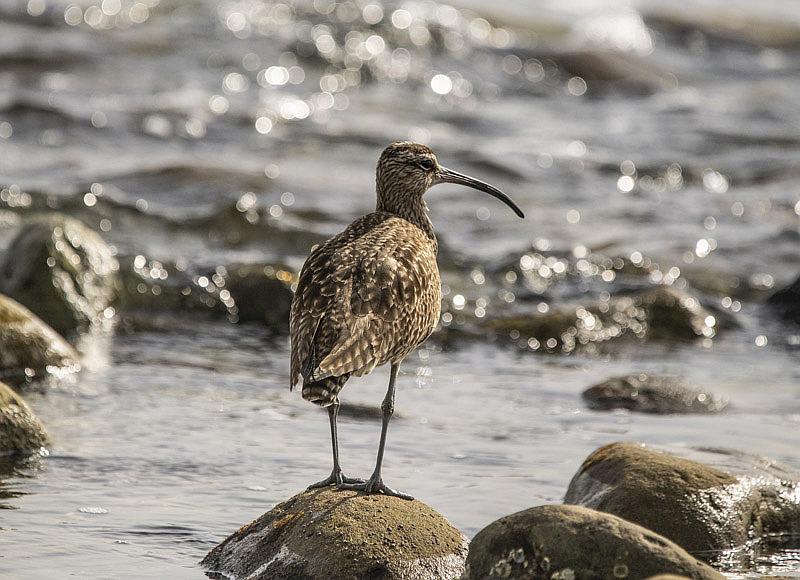
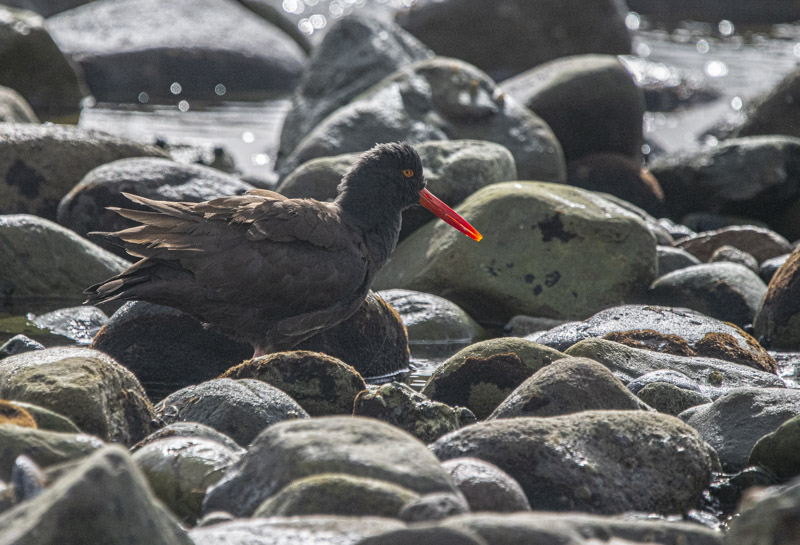
Black Oystercatchers have shown up three out of the last four months, most likely because these rocks become exposed only during low tides and our walks have coincided with low tide. I once saw a Black Oystercatcher on a sandy beach, not rocks, near Ballona Creek (never at Malibu Lagoon), making that one for the record books.
The group got lucky and spotted a Hutton’s Vireo. According to eBird they’ve been previously spotted at the lagoon nine times, the first time by Katheryn and David Barton on 9-23-84; this was the first time on our monthly field trips. This west coast bird is not abundant anywhere, but they’re far more common in oak woodlands such as in Malibu Creek State Park, a few miles inland, than they are down at the beach.
Another uncommon bird, sighted for the second time in four months on our field trip, but only the 10th time in 46 years, is the Black-throated Gray Warbler. Again, far more common in woodlands. The first one I ever saw was in Yosemite, north of Tuolumne Meadows and deep in the conifer forest, in the summer. Definitely not at the beach.
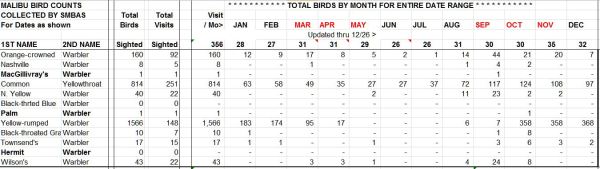
In the above chart we have 2,660 American Wood Warblers in 564 sightings, completely dominated by two species: Yellow-rumped Warbler, which winters at the lagoon, claims 59% of individual warblers and 26% of sightings; Common Yellowthroat has 31% of individuals, but is more frequently sighted (45%). The Yellowthroat breeds at the lagoon, so it’s actual presence should be at or close to 100%, but it’s a fairly skulky bird, usually hidden in reeds or thick brush, and many of our ‘sightings’ are actually ‘heard-only birds.’ If they’re not singing (wichity-wichity-wichity) it’s hard to know they’re there. You can see their relative seasonality and abundance in the numbers above.
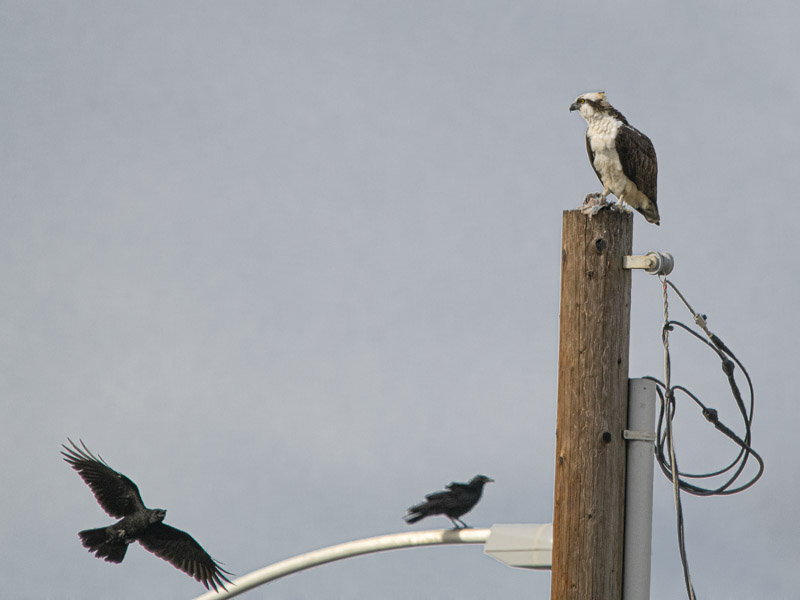
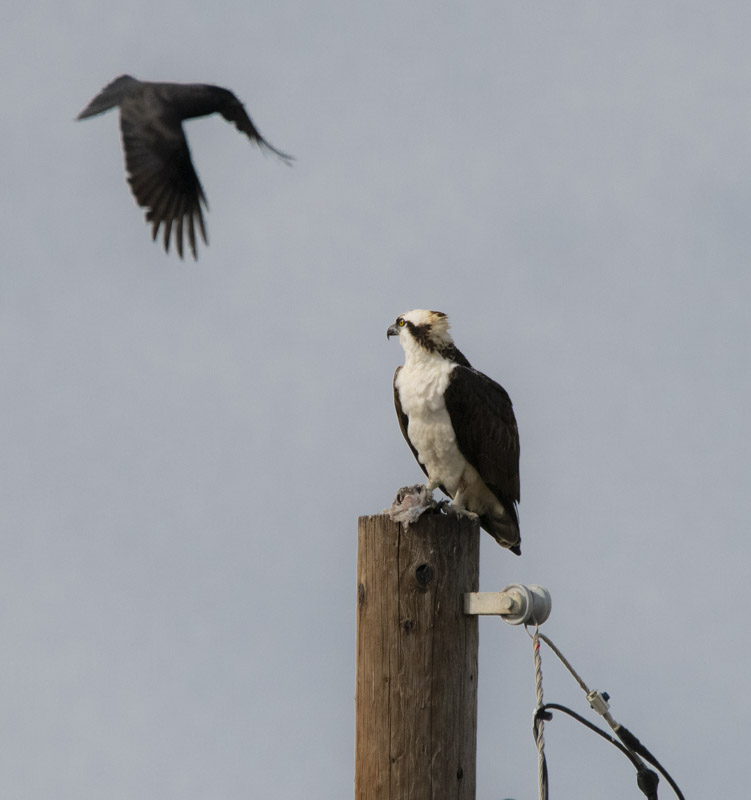
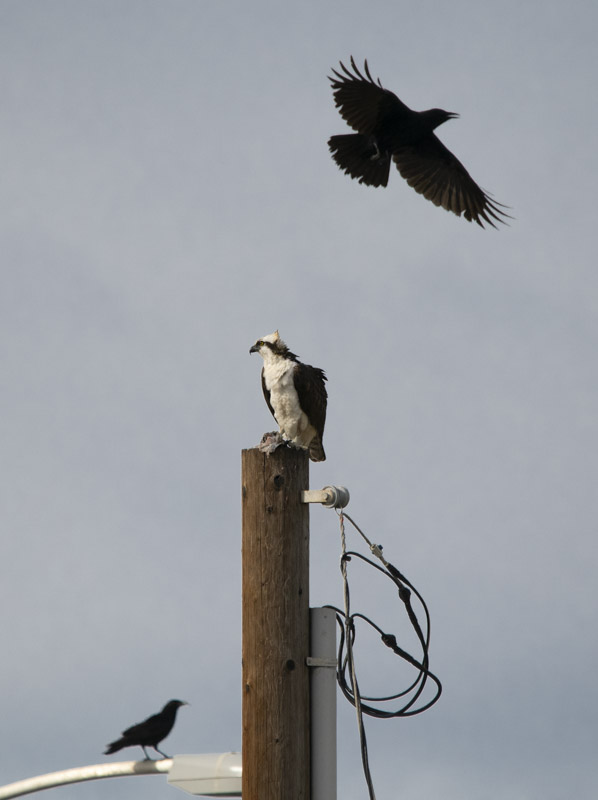
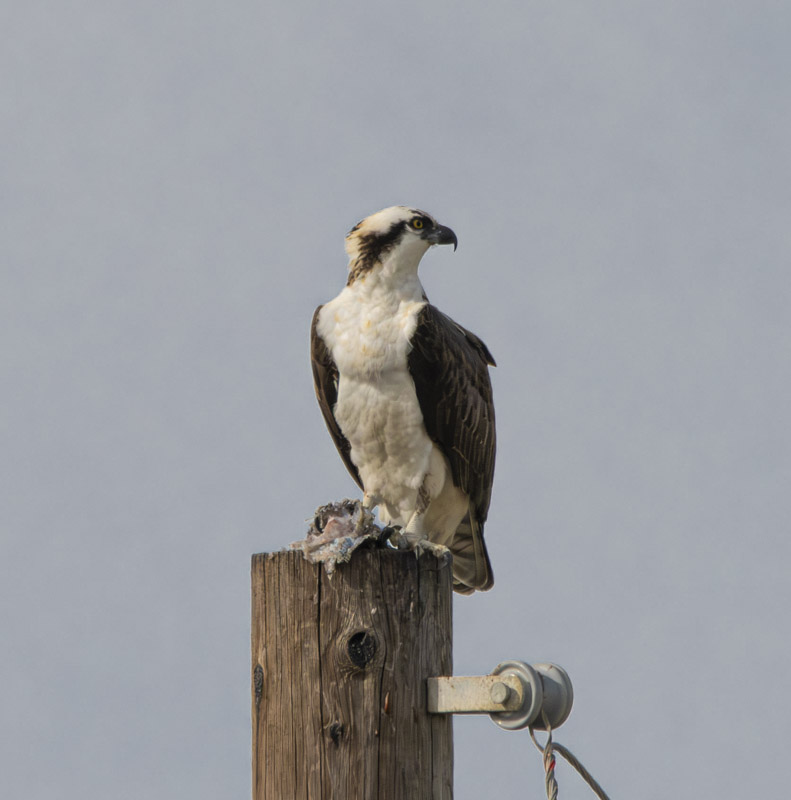
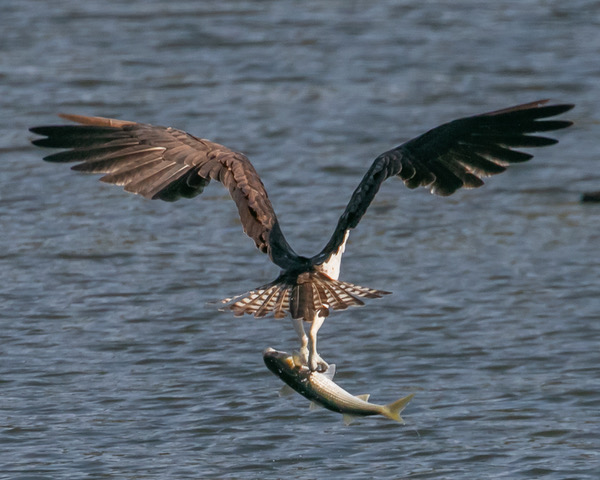
The Ospreys lost their favorite roosting and dining pole last summer when it was taken down during construction of a new house in the back row at Malibu Colony. They still use a particular water-edge cypress tree, but they have also begun using one of the poles near the Pacific Coast Highway bridge. Less convenient and definitely noisier, in my estimation.
Malibu Lagoon on eBird as of 1-27-26: 9140 lists, 2957 eBirders, 322 species
Most recent new species seen: Nelson’s Sparrow, 11/29/24 by Femi Faminu (SMBAS member). When the newest species added to the list was seen on a date prior to the most recently seen new species, there is no way I can find to easily determine what that bird is. Another minor nit to pick about eBird.
Birds new for the season: Nanday Parakeet, Hutton’s Vireo, Black-throated Gray Warbler. “New for the season” means it has been three or more months since last recorded on our trips.
Many, many thanks to photographer Ray Juncosa.
Upcoming SMBAS scheduled field trips; no reservations or Covid card necessary unless specifically mentioned:
- Madrona Marsh, Sat. Feb 14, time to be arranged, check blog
- Malibu Lagoon, Sun. Feb. 22, 8:30 (adults) & 10 am (parents & kids)
- Sepulveda Basin, Sat. Mar 10, 8:00
- These and any other trips we announce for the foreseeable future will depend upon expected status of the Covid/flu/etc. pandemic, not to mention landslides, fires, local flooding and atmospheric rivers at trip time. Any trip announced may be canceled shortly before trip date if it seems necessary. By now any other comments should be superfluous.
- Link to Programs & Field Trip schedule.
The next SMBAS Zoom program: Tuesday, February 3, 7:30pm; Birding the Southern Oceans and Antarctica, with Alvaro Jaramillo..
The SMBAS 10 a.m. Parent’s & Kids Birdwalk has again resumed, with ten guests on 25 Jan 2026. Reservations not necessary for families, but for groups (scouts, etc.), please call Jean (213-522-0062).
Links: Unusual birds at Malibu Lagoon
9/23/02 Aerial photo of Malibu Lagoon
Aerial ‘film’ flying north over lagoon
More recent aerial photo
Prior checklists:
2025: Jan-June, July-Dec
2023: Jan-June, July-Dec 2024: Jan-June, July-Dec
2021: Jan-July, July-Dec 2022: Jan-June, July-Dec
2020: Jan-July, July-Dec 2019: Jan-June, July-Dec
2018: Jan-June, July-Dec 2017: Jan-June, July-Dec
2016: Jan-June, July-Dec 2015: Jan-May, July-Dec
2014: Jan-July, July-Dec 2013: Jan-June, July-Dec
2012: Jan-June, July-Dec2011: Jan-June, July-Dec
2010: Jan-June, July-Dec 2009: Jan-June, July-Dec
The 10-year comparison summaries created during the Lagoon Reconfiguration Project period, remain available—despite numerous complaints—on our Lagoon Project Bird Census Page. Very briefly summarized, the results unexpectedly indicate that avian species diversification and numbers improved slightly during the restoration period June’12-June’14.
Many thanks to Marie Barnidge-McIntyre, Femi Faminu, Lu Plauzoles, Chris & Ruth Tosdevin and others for contributions made to this month’s census counts.
The species list below was re-sequenced as of 12/31/25 to agree with the eBird sequence. If part of the right side of the chart below is hidden, there’s a slider button inconveniently located at the bottom end of the list. The numbers 1-9 left of the species names are keyed to the nine categories of birds at the bottom. Updated lagoon bird check lists can be downloaded here.
[Chuck Almdale]
| Malibu Census 2025-26 | 8/24 | 9/28 | 10/26 | 11/23 | 12/28 | 1/25 | |
| Temperature | 68-75 | 65-69 | 58-65 | 59-65 | 60-69 | 47-55 | |
| Tide Lo/Hi Height | H+4.74 | H+4.54 | H+5.02 | H+5.46 | L+1.35 | L+1.31 | |
| Tide Time | 1102 | 1244 | 1125 | 0939 | 1047 | 0846 | |
| 1 | Brant (Black) | 1 | 1 | 1 | |||
| 1 | Canada Goose | 12 | 14 | 3 | |||
| 1 | Northern Shoveler | 4 | |||||
| 1 | Gadwall | 19 | 6 | 14 | 20 | 34 | |
| 1 | American Wigeon | 15 | 4 | ||||
| 1 | Mallard | 14 | 7 | 26 | 1 | 12 | 5 |
| 1 | Green-winged Teal | 5 | 11 | ||||
| 1 | Ring-necked Duck | 1 | |||||
| 1 | Surf Scoter | 10 | 2 | 22 | 4 | 3 | |
| 1 | Bufflehead | 4 | 4 | ||||
| 1 | Red-breasted Merganser | 2 | 5 | 6 | |||
| 1 | Ruddy Duck | 1 | 5 | 11 | |||
| 2 | Feral Pigeon | 4 | 6 | 5 | |||
| 2 | Mourning Dove | 2 | 3 | 1 | 1 | ||
| 2 | Anna’s Hummingbird | 1 | 1 | 2 | 3 | ||
| 2 | Allen’s Hummingbird | 4 | 4 | 5 | 4 | 3 | 3 |
| 3 | Sora | 1 | 1 | ||||
| 3 | American Coot | 4 | 31 | 4 | 25 | 25 | 50 |
| 4 | Black Oystercatcher | 1 | 1 | 3 | |||
| 4 | Black-bellied Plover | 49 | 55 | 88 | 64 | 62 | 34 |
| 4 | Killdeer | 9 | 1 | 8 | 10 | 4 | 4 |
| 4 | Semipalmated Plover | 1 | |||||
| 4 | Snowy Plover | 17 | 35 | 40 | 40 | 7 | 17 |
| 4 | Hudsonian Whimbrel | 12 | 3 | 14 | 8 | 4 | 3 |
| 4 | Marbled Godwit | 21 | 8 | 10 | 3 | ||
| 4 | Spotted Sandpiper | 1 | |||||
| 4 | Willet | 10 | 14 | 20 | 7 | 7 | |
| 4 | Ruddy Turnstone | 1 | 3 | 6 | 4 | 3 | 2 |
| 4 | Sanderling | 1 | 13 | 23 | 14 | 35 | |
| 4 | Dunlin | 2 | 1 | ||||
| 4 | Least Sandpiper | 4 | 6 | 12 | 6 | 10 | 20 |
| 4 | Western Sandpiper | 14 | 1 | 2 | |||
| 5 | Sabine’s Gull | 1 | |||||
| 5 | Bonaparte’s Gull | 1 | |||||
| 5 | Heermann’s Gull | 10 | 38 | 2 | 49 | 10 | |
| 5 | Short-billed Gull | 1 | |||||
| 5 | Ring-billed Gull | 4 | 1 | 7 | 6 | 5 | 17 |
| 5 | Western Gull | 115 | 61 | 35 | 55 | 85 | 45 |
| 5 | American Herring Gull | 1 | 1 | ||||
| 5 | California Gull | 4 | 10 | 116 | 410 | 650 | 275 |
| 5 | Caspian Tern | 2 | |||||
| 5 | Forster’s Tern | 1 | |||||
| 5 | Elegant Tern | 70 | 4 | 2 | 3 | ||
| 5 | Royal Tern | 135 | 12 | 2 | 22 | 25 | 12 |
| 6 | Pied-billed Grebe | 4 | 6 | 2 | 3 | 6 | 2 |
| 6 | Horned Grebe | 1 | |||||
| 6 | Eared Grebe | 1 | 6 | 3 | 1 | ||
| 6 | Western Grebe | 30 | 8 | 10 | 45 | ||
| 6 | Clark’s Grebe | 2 | |||||
| 6 | Red-throated Loon | 2 | 2 | ||||
| 6 | Pacific Loon | 1 | |||||
| 6 | Brandt’s Cormorant | 1 | 5 | 2 | 1 | 35 | |
| 6 | Pelagic Cormorant | 2 | 1 | 3 | 2 | 3 | |
| 6 | Double-crested Cormorant | 74 | 49 | 28 | 38 | 17 | 28 |
| 6 | White-faced Ibis | 1 | |||||
| 6 | Yellow-crowned Night-Heron | 1 | |||||
| 6 | Black-crowned Night-Heron | 1 | 2 | 1 | |||
| 6 | Snowy Egret | 10 | 5 | 34 | 30 | 11 | 3 |
| 6 | Green Heron | 2 | 1 | 2 | 1 | ||
| 6 | Great Egret | 2 | 3 | 4 | 2 | 1 | 1 |
| 6 | Great Blue Heron | 5 | 4 | 6 | 4 | 5 | 5 |
| 6 | Brown Pelican | 32 | 45 | 138 | 13 | 3 | 13 |
| 7 | Turkey Vulture | 1 | 2 | 2 | |||
| 7 | Osprey | 1 | 1 | 1 | 1 | 2 | |
| 7 | Cooper’s Hawk | 1 | |||||
| 7 | Red-shouldered Hawk | 1 | 2 | 1 | |||
| 7 | Red-tailed Hawk | 1 | 1 | 1 | 2 | 1 | |
| 8 | Belted Kingfisher | 1 | 1 | 2 | 1 | 1 | |
| 8 | Nuttall’s Woodpecker | 1 | 1 | ||||
| 8 | Nanday Parakeet | 20 | 9 | 2 | |||
| 9 | Black Phoebe | 2 | 4 | 2 | 3 | 1 | 3 |
| 9 | Say’s Phoebe | 1 | |||||
| 9 | Hutton’s Vireo | 1 | |||||
| 9 | California Scrub-Jay | 1 | 1 | 2 | 1 | ||
| 9 | American Crow | 8 | 6 | 10 | 7 | 6 | 11 |
| 9 | Common Raven | 1 | |||||
| 9 | Oak Titmouse | 2 | 2 | 1 | 1 | ||
| 9 | No. Rough-winged Swallow | 2 | |||||
| 9 | Barn Swallow | 40 | 4 | ||||
| 9 | Bushtit | 20 | 9 | 35 | 4 | 19 | 20 |
| 9 | Wrentit | 1 | 2 | 2 | 4 | 1 | 2 |
| 9 | Swinhoe’s White-eye | 1 | 1 | ||||
| 9 | Blue-gray Gnatcatcher | 2 | |||||
| 9 | Northern House Wren | 1 | 2 | 1 | 1 | 1 | |
| 9 | Marsh Wren | 1 | 1 | ||||
| 9 | Bewick’s Wren | 2 | |||||
| 9 | European Starling | 35 | 2 | 6 | 30 | 1 | |
| 9 | Northern Mockingbird | 1 | 1 | ||||
| 9 | Western Bluebird | 2 | 1 | ||||
| 9 | Hermit Thrush | 2 | |||||
| 9 | Scaly-breasted Munia | 7 | |||||
| 9 | House Finch | 12 | 3 | 2 | 5 | 15 | 7 |
| 9 | Lesser Goldfinch | 2 | 2 | 7 | |||
| 9 | American Goldfinch | 4 | |||||
| 9 | Dark-eyed Junco | 6 | 2 | 3 | 1 | ||
| 9 | White-crowned Sparrow | 2 | 10 | 12 | 18 | 6 | |
| 9 | Savannah Sparrow | 1 | 1 | ||||
| 9 | Song Sparrow | 6 | 5 | 4 | 4 | 3 | 5 |
| 9 | California Towhee | 2 | 1 | 2 | 2 | 3 | |
| 9 | Western Meadowlark | 2 | |||||
| 9 | Great-tailed Grackle | 23 | 6 | 16 | 3 | 10 | |
| 9 | Orange-crowned Warbler | 1 | 2 | 1 | 2 | 1 | 1 |
| 9 | Common Yellowthroat | 4 | 7 | 6 | 2 | 1 | 1 |
| 9 | Yellow-rumped Warbler | 2 | 25 | 10 | 8 | 6 | |
| 9 | Black-throated Gray Warbler | 1 | 1 | ||||
| Totals Birds by Type | Aug | Sep | Oct | Nov | Dec | Jan | |
| 1 | Waterfowl & Quail | 33 | 25 | 28 | 61 | 95 | 67 |
| 2 | Doves, Swifts & Hummers | 11 | 14 | 8 | 7 | 9 | 3 |
| 3 | Rails & Coots | 4 | 32 | 4 | 26 | 25 | 50 |
| 4 | Shorebirds | 93 | 130 | 219 | 185 | 123 | 128 |
| 5 | Gulls & Terns | 341 | 127 | 164 | 547 | 777 | 349 |
| 6 | Grebe, Loon, Heron, Pelican | 135 | 117 | 259 | 111 | 59 | 134 |
| 7 | Hawks & Falcons | 2 | 5 | 2 | 3 | 5 | 5 |
| 8 | Kingfisher, Peckers & Parrots | 1 | 21 | 10 | 3 | 1 | 3 |
| 9 | Passerines | 141 | 82 | 122 | 122 | 91 | 86 |
| Totals Birds | 761 | 553 | 816 | 1065 | 1185 | 825 | |
| Total Species by Group | Aug | Sep | Oct | Nov | Dec | Jan | |
| 1 | Waterfowl & Quail | 2 | 5 | 2 | 8 | 11 | 8 |
| 2 | Doves, Swifts & Hummers | 4 | 4 | 3 | 2 | 3 | 1 |
| 3 | Rails & Coots | 1 | 2 | 1 | 2 | 1 | 1 |
| 4 | Shorebirds | 7 | 10 | 12 | 10 | 11 | 10 |
| 5 | Gulls & Terns | 8 | 7 | 6 | 8 | 7 | 4 |
| 6 | Grebe, Loon, Heron, Pelican | 12 | 10 | 12 | 14 | 11 | 9 |
| 7 | Hawks & Falcons | 2 | 4 | 2 | 3 | 3 | 3 |
| 8 | Kingfisher, Peckers & Parrots | 1 | 2 | 2 | 2 | 1 | 2 |
| 9 | Passerines | 16 | 20 | 21 | 22 | 21 | 17 |
| Totals Species – 105 | 53 | 64 | 61 | 71 | 69 | 55 |
[Posted by Chuck Almdale]
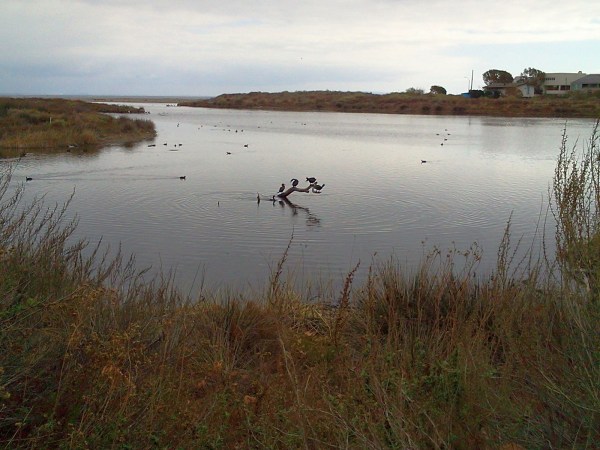
Pacific Coast Highway: As of this moment, things seem fine. No rain, mostly sunny, low lagoon water level, cool-ish enough to keep the beach uncrowded.
Special Attractions: Like dinosaurs? Want to see a dinosaur? Then come. Birds are small dinosaurs, we now know, the last of their kind. Think about that.
The depth of winter and loads of birds. It’s frightening how many there are. I don’t even want to think about it! 60 to 75 species likely. A quiet beach on a cool, quiet day. Dress in layers for cool weather and mild breeze. It’s easier to take something off than put on what you didn’t bring.`
(Lillian Johnson 1-30-25)
Some of the great birds we’ve had in January are:
American Wigeon, Green-winged Teal, Lesser Scaup, Surf Scoter, Long-tailed Duck, Bufflehead, Red-breasted Merganser, Red-throated, Pacific & Common Loons, Horned, Eared & Western Grebes, Brandt’s & Pelagic Cormorants, Osprey, Red-shouldered & Red-tailed Hawks, Peregrine Falcon, Snowy Plover, Black Oystercatcher, American Avocet, Spotted Sandpiper, Marbled Godwit, Heermann’s, Herring & Glaucous-winged Gulls, Royal & Forster’s Terns, Black Skimmer, Anna’s & Allen’s Hummingbirds, Belted Kingfisher, Black & Say’s Phoebes, Bewick’s & House Wrens, Common Yellowthroat, Spotted Towhee, Song & Lincoln’s Sparrow, Red-winged Blackbird, Great-tailed Grackle, Lesser & American Goldfinches. A googolplex of birds! Perhaps two googolplexes of birds!
If you arrive early you may perchance to espy a trewloue of turtuldowẏs.
We will have a guest trip leader(s). Come and find out who it could be.
Weather prediction as of 22 January:
Sunny, cool. Temp: 52-64°, Wind: ENE 7>9 mph, Clouds: 18>48%, rain: 0%
Tide: mid, falling to low: Low: 1.31 ft. @ 8:46am; High: +4.69 ft. @ 1:42am 25 Jan.
Dec 28 trip report link
Adult Walk 8:30 a.m., 4th Sunday of every month. Adults, teens and children you deem mature enough to be with adults. Beginners and experienced, 2-3 hours, meeting at the metal-shaded viewing area between parking lot and channel. Species range from 35 in June to 60-75 during migrations and winter. We move slowly and check everything as we move along. When lagoon outlet is closed we may continue east around the lagoon to Adamson House. We put out special effort to make our monthly Malibu Lagoon walks attractive to first-time and beginning birdwatchers. So please, if you are at all worried about coming on a trip and embarrassing yourself because of all the experts, we remember our first trips too. Someone showed us the birds; now it’s our turn. Bring your birding questions.
Children and Parents Walk, 10:00 a.m., 4th Sunday of every month: One hour session, meeting at the metal-shaded viewing area between parking lot and channel. We start at 10:00 for a shorter walk and to allow time for families to get it together on a sleepy Sunday morning. Our leaders are experienced with kids so please bring them to the beach! We have an ample supply of binoculars that children can use without striking terror into their parents. We want to see families enjoying nature. (If you have a Scout Troop or other group of more than seven people, you must call Jean (213-522-0062) to make sure we have enough binoculars, docents and sand.)
Directions: Malibu Lagoon is at the intersection of Pacific Coast Highway (PCH) and Cross Creek Road, west of Malibu Pier and the bridge, 15 miles west of Santa Monica via PCH. We gather in the metal-shaded area near the parking lot. Look around for people wearing binoculars. Neither Google Maps nor the State Park website supply a street address for the parking lot. The address they DO supply is for Adamson House which is just east of the Malibu Creek bridge.
Parking: Parking machine in the lagoon lot: 1 hr $3; 2 hrs $6; 3 hrs $9, all day $12 ($11 seniors); credit cards accepted. Annual passes accepted. You may also park (read the signs carefully) either along PCH west of Cross Creek Road, on Cross Creek Road, or on Civic Center Way north (inland) of the shopping center. Lagoon parking in shopping center lots is not permitted.
[Written & posted by Chuck Almdale]
The 2025 Lancaster Christmas Bird Count
[Posted by Chuck Almdale]
This interesting write-up for the Lancaster Christmas Count was posted a few weeks ago on our local bird sighting listserve, LACoBirds (anyone from anywhere can join). I contacted the poster, Nick Freeman, and after some discussion, he agreed to my placing it here. Most CBC reports in the “popular press” merely cite the total count and a few special sightings. This one is different.
So, to demonstrate that data can be interesting, that data need not hurt, and to encourage field trip and Christmas Count compilers to go deeper and report their findings a little more widely, here’s Nick & Mary Freeman’s report.
2025 Lancaster CBC Breakdown
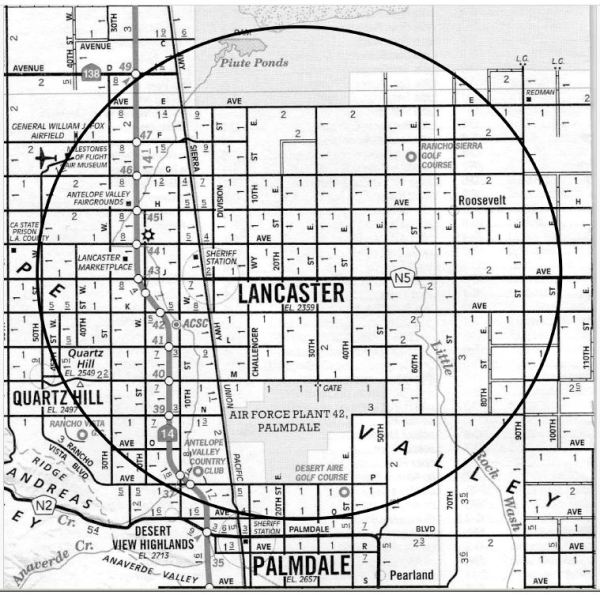
Prepared by Nicholas & Mary Freeman, Lancaster Christmas Bird Count Compilers. Count date: 20 December, 2025
LA Audubon Society, Lancaster CBC Sponsor
Contact: Nicholas Freeman mnfreeman@earthlink.net
First, a special note about L.A. County
As counties go, Los Angeles is quite remarkable. Yes, there are a huge number of CBC’s in LA county – ten, with at least two more crossing county lines; but also, in all of the United States, San Diego County is the only other county that can lay claim to pelagic birds, montane birds, and desert birds, all residing comfortably in their own ecosystems. Yes, seeing a Verdin, a LeConte’s Thrasher, and a Mountain Bluebird on one LA County CBC; then turning around the next day and seeing a Parasitic Jaeger, a Black Oystercatcher, and a Lewis’ Woodpecker on another LA County CBC, is entirely possible – although not easy!
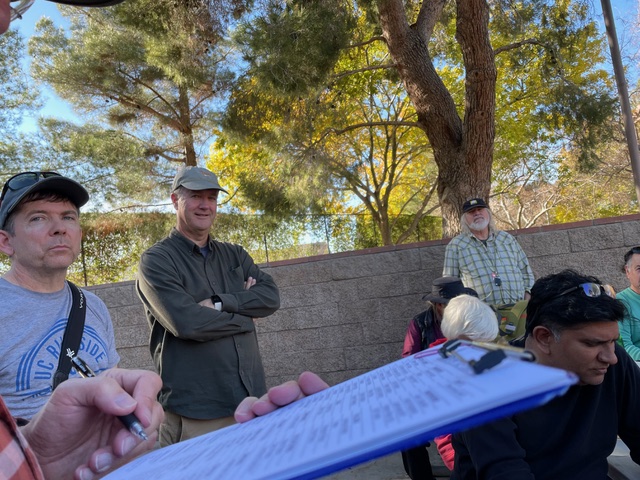
The 47th Lancaster CBC held on Saturday, Dec. 20 was a remarkably calm (winds at start: 0 mph, finish: 0 to 20 mph) and temperate (45°- 75°F) affair, under light (0-30%) cirrus skies. Mary and I would once again like to thank all who came out to tally birds in the Lancaster area. We had 24 participants this year, about spot-on with our Count Average of 25 participants. While some people had very good reasons for cutting the day short – which is nonetheless appreciated and acceptable – only two teams counted after lunch. While Lancaster can be blowing like a banshee by afternoon, this was a remarkably calm (mostly 0 – 12 mph) afternoon. Participants, please consider urging your teams to count into the afternoon next year, if possible.
How the Lancaster CBC did this year:
Total Species Count:
105 Species were tabulated this year, which is 5 under the Count Average of 109.8, and 20 under the maximum of 125 species seen in 2020. 105 species betters only 8 other years (17%) of this long and illustrious count, so…not much to boast about.
Total Bird Tally:
18,466 Birds were tallied for the 2025 Count. Not many birds compared to a corrected 47-Yr. Count Avg. of 36.7K over the years. Recently 2017 – 2019 had an Avg. of 13.3K (15K, 13K, and 12K), which were especially low years for this CBC. More recently, including this year, 2020 – 2025 came in with an average of 18.9K (26K, 15K, 19K, 16K, 19K, and 18.5K); so hopefully overall numbers are stabilizing or turning around a bit. Total Birds is down only 500 from last year with 7 less participants in the field (and probably a few more half-days this year), so I think we are at least treading water.
(Mary Freeman, Lancaster CBC, 12-20-25)
New Species: Never Before Seen on the Lancaster Christmas Bird Count – NONE!
Now for the Highlights, Lowlights, and Remarkable Sightings, or Lack Thereof:
Remarkable Sightings:
Wood Duck (1), most recently seen 2011. Only (2) others ever for the Count. Valerie Anderson & David Barr in the Apollo Park Area. Excellent find!
Costa’s Hummingbird (1), of only (4) ever for the Count. Most recently 3 yrs. ago (’97, ’11, ’22). Kevin Lapp in Apollo Park, South Area.
Clark’s Grebe (1), Average (0.4). David Koeppel at the Lancaster Sewage Ponds. Most recent: ’00 (1). (15) of (19) ever seen were in ’86 – the only year with over 2 CLGR recorded. Is this an I.D. issue?
Osprey (1), Avg. (0.1). Only (5) ever, most recent in ’16. Flyover at the Country Club, heading S, as seen by Nick & Mary Freeman, Paul Weers.
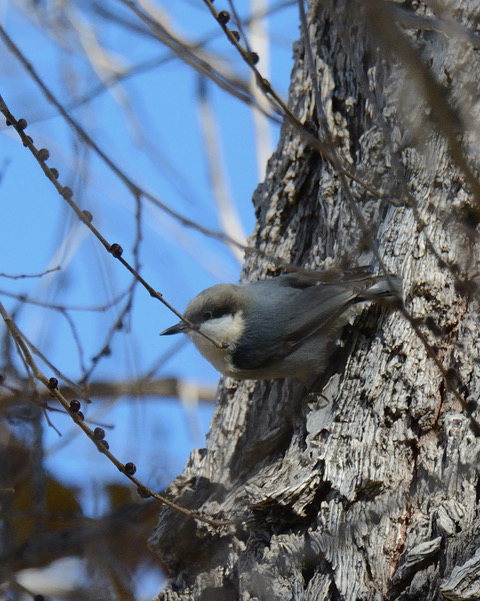
Pygmy Nuthatch ! ! ! (1), Avg. (0.1). Only (2) others ever seen, both in 1987 on the 9th year of the CBC. It’s been a long time. Once again, the Freemans & Paul Weers. Probably the Bird of the Count!
Maximum for the 47-Year Count:
Ring-necked Duck (214), Avg. (34). Only over 100 thrice, including 2007 (143). This maximum is more than twice the Avg. of the last 7 yrs. Percent increase in numbers like Redhead!
Anna’s Hummingbird (28), old Max. (25) from 2 yrs. ago. Avg. (10), which ANHU hit in 2000, missing this mark only three times since.
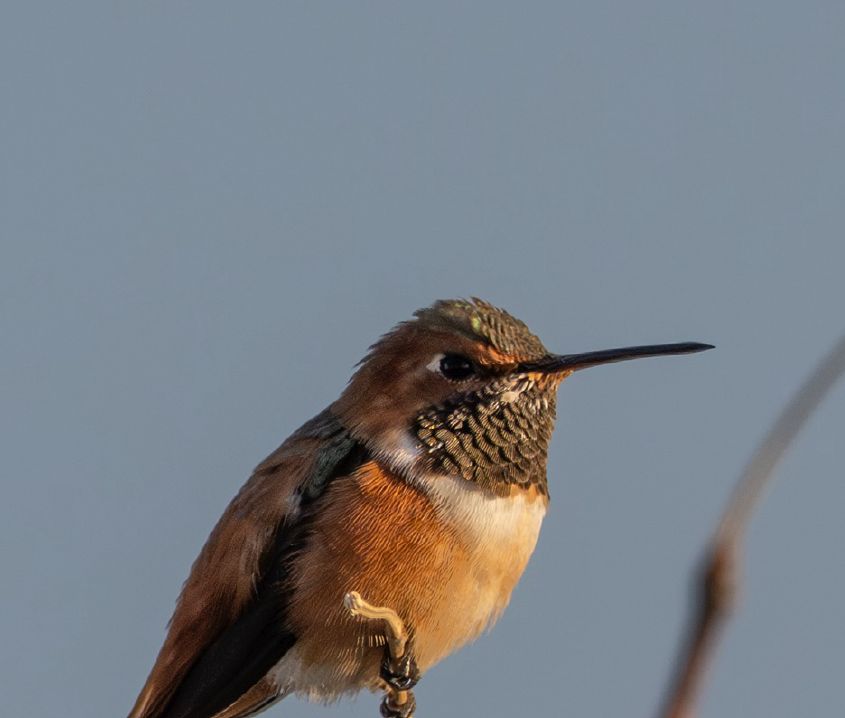
Allen’s Hummingbird (3), ties Count Max. in ‘20. Of 11 ever seen, all were recorded in the last 9 yrs. Here to stay! Note: first 4 yrs seen, always at one feeder. This year, in 3 separate areas.
Black Phoebe (59), Avg. (22). Beats out the Max. of (50) from 2 yrs. ago, and (47) from last year. Irrigation and matured plantings in urban & suburban areas likely to account for continued success of this species.
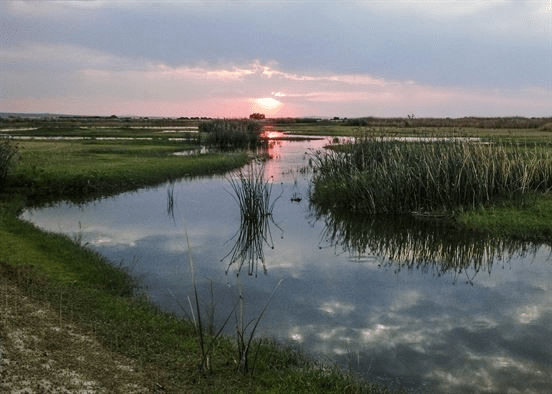
Scenic, often very birdy, and even more often, quite hot.
(iSportsman – Piute Ponds)
Some history on the marsh.
Remarkably High or Trending Up (*see below):
(* designates California Species of Special Concern)
Canvasback (24), Avg. (9). Only 2 counts over (20) since 1983 (153 seen).
Redhead* (13), Avg. (12). Over Avg. all of last 7 yrs., but only 5 times in previous 39 yrs. Change in wintering distribution? High counts 1983 (110), and 2003 (53); irruptive.
Rock Pigeon (1,398), Avg. (490). Max. of (2,214) in ’96. Only over 1K twice before (’88, ’96). Both over 2K. 1K ROPI were in Agricultural (Ag) & Dairy lands. Doing well!
Verdin (10), Avg. (3.4). High (15). All 5 counts over (9) in last 7 yrs. These tiny desert obligates seem able to make a go of it while the desert habitat and all other desert birds are struggling. Fascinating.
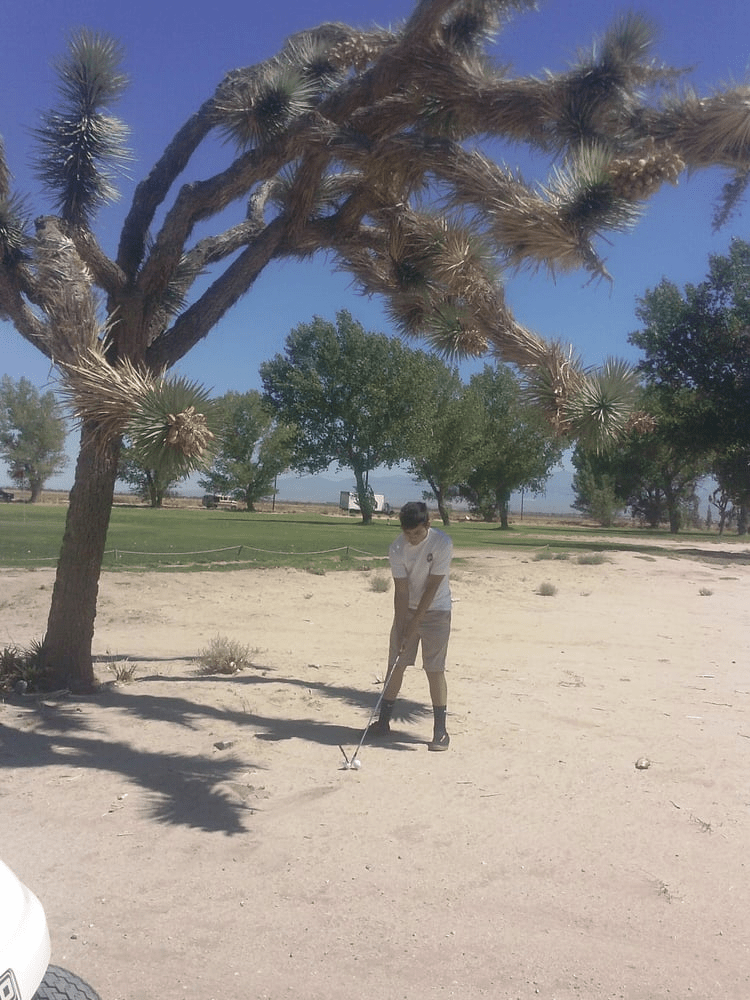
shaded by friendly Joshua Trees. Your editor spent many happy hours here over the decades, spotting birds all around while dodging slices from the duffers.
Historic Minimums for the Count:
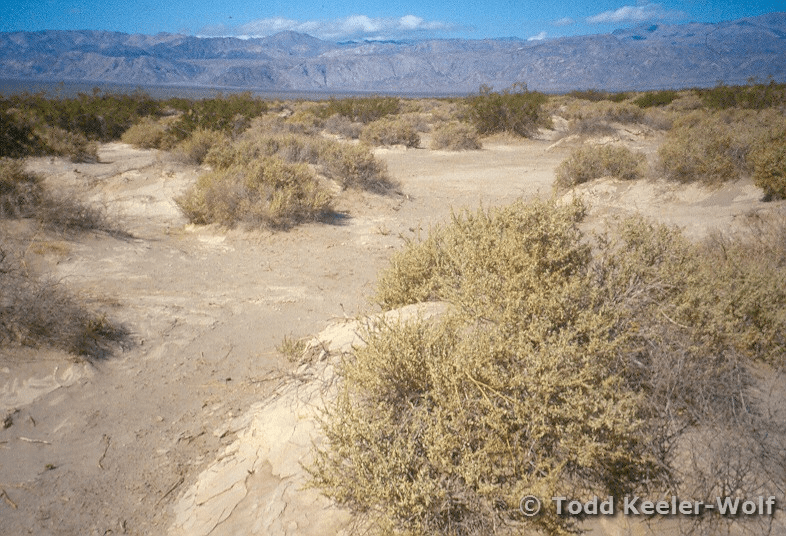
Loggerhead Shrike (10), Avg (40). Previous minimums of (13) were both in last 6 yrs. Max. (97)! Should be fairly common in healthy Joshua Tree and Atriplex scrub, Ag windbreaks. Victim of depressed groundwater?
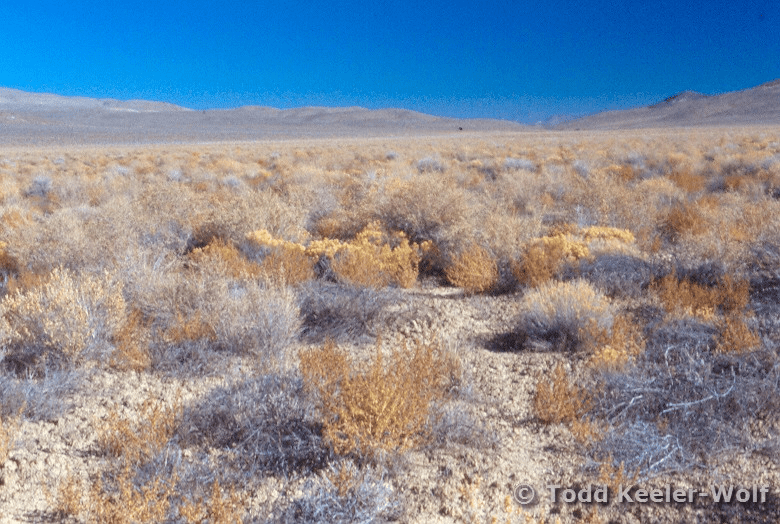
(Photo by Todd Keeler-Wolf, California Native Plant Society)
White-crowned Sparrow (494), Avg. (1.5K), Max. (3.9K). 4 of the 7 counts below 800 have been in the last 8 yrs., although the other 4 yrs. in the last 8 tallied over 1K WCSP, so hopefully this trend can turn around. Decreased Ag, seed bank in the soil, struggling scrub not seeding well – Idle speculation. Maybe the heavy rains this year will turn things around?
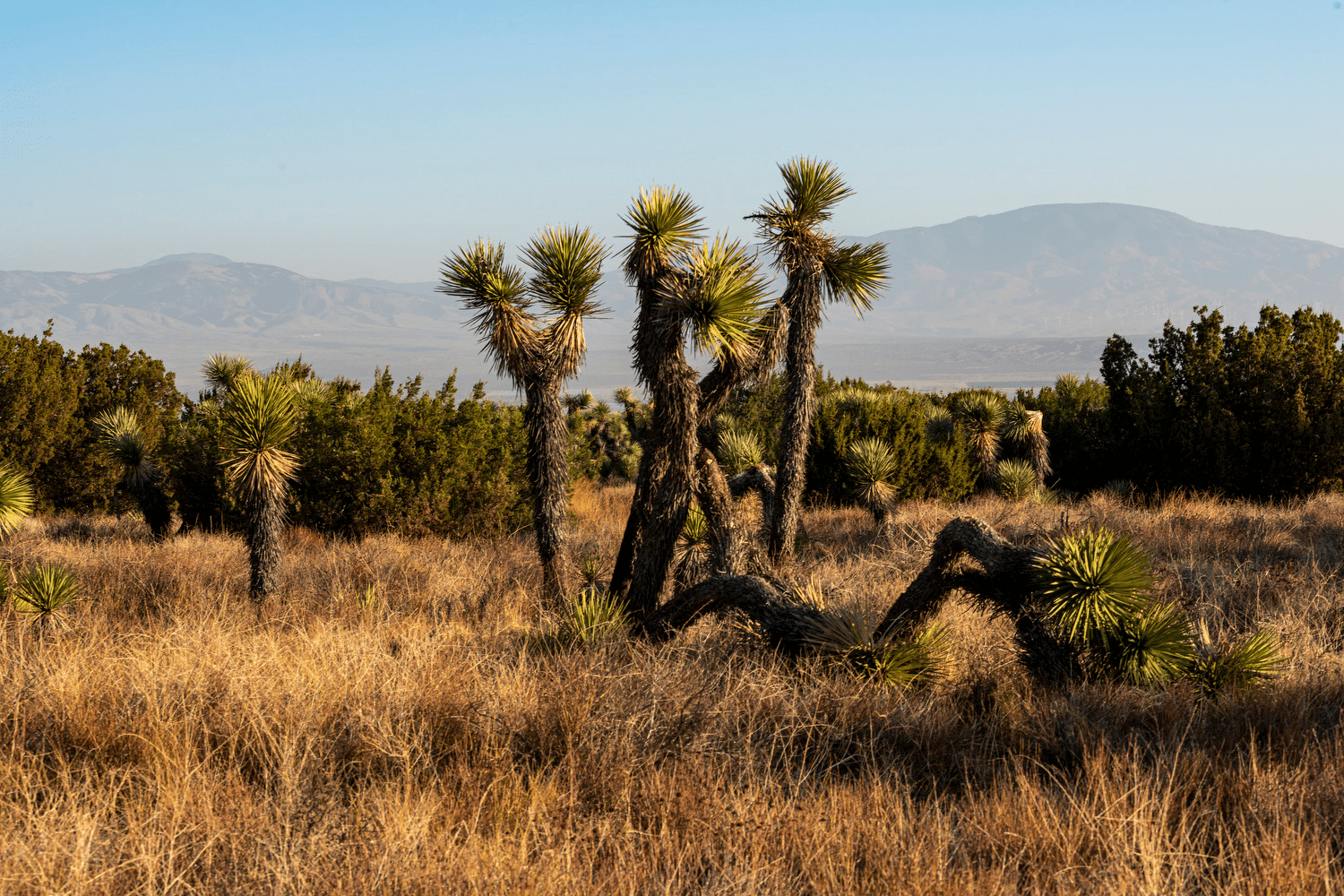
Western Meadowlark (40), Avg. (270), Max. (875)! Previous Min. was (88) in ’89. Numbers fluctuate considerably on this CBC. Our areas in both Lancaster & Malibu CBCs were skunked here, so maybe something regional/climate-related is going on.
Notable Misses and Underachievers:
Northern Harrier* (10), Avg. (29), Max (73). Second Lowest tally for the Count. Low of (3) in ’99 is only count less than (11). Appears somewhat cyclical, but numbers have been lower on average lately.
California Scrub-Jay (0), Avg (1.9). Skunked 2 yrs. running, and 3 of last 4. Unheard of since the first 11 yrs. of the 47-year CBC. Not generally urban or suburban birds, so probably unable to take advantage of most in-town irrigation or feeders.
LeConte’s Thrasher* (0), Avg. (2.9). While we have been skunked by LETH 7 times over the history of the Count, 3 times were over the first 9 yrs, one in the middle and 4 over the last 8 yrs. of the Count. As LETH prefers undeveloped, dense Atriplex scrub and desert washes, I suspect that early skunks were due to lack of surveying in “desert wasteland,” and not lack of birds. The habitat was likely better then. It is disconcerting that we are often not finding LETH now, which seems likely to stem from poor scrub quality, caused by lack of groundwater.
If helping with the Lancaster Christmas Count intrigues you, especially if you live in the area, contact the organizers, Nick & Mary Freeman. More eyes make better counts.
National Audubon Society has their CBC historical and current-year count on-line here.
Current year accounts by CBC Count Circle are here.
The Lancaster count circle code is CALN.
Backyard Birds Revealed | Cornell Lab
[Posted by Chuck Almdale]
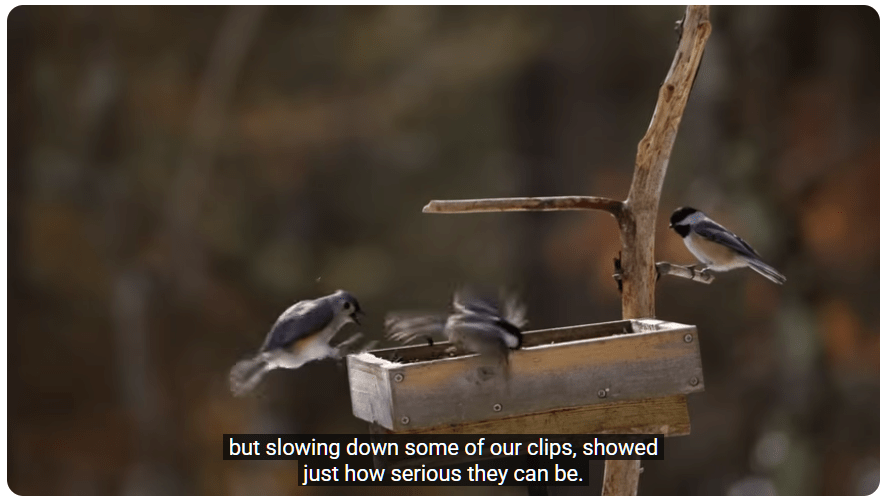
These short films are fun to watch and the photography/filming is excellent. So far there are at least five of them. Watch one, and if you want more, another one pops up in a couple of seconds, or you can select from their on-screen list. The picture below was snipped from “Are Birds Fighting at the Feeder?” They also have a YouTube channel with a boodle of films. Wild Birds Unlimited, purveyors of megatons of bird seed, feeders, binoculars and the like, sponsors these films, so there’s a 5-second ad near the start.
Ripening Rimu berries means Kakapo mating frenzy | The Guardian
[Posted by Chuck Almdale, suggested by Lillian Johnson]
Berry nice to meet you: bumper fruit crop could lead to huge mating season for NZ’s endangered kākāpō
https://www.theguardian.com/world/2026/jan/13/nz-kakapo-mating-season
After a four-year wait, the abundant fruiting of the rimu tree could inspire the world’s heaviest parrots to boost their population.
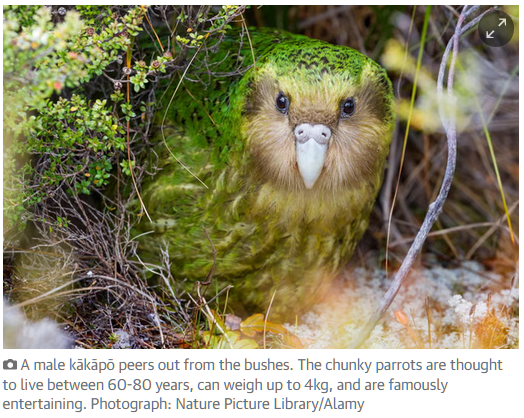
The Kakapo is unusual in many ways: flightless, world’s heaviest parrot, nocturnal, mate in leks (like grouse and manakins), long-lived (up to 80 years), highly endangered (down to 51 birds in 1995), live only on small temperate offshore islands of New Zealand, and mate every two to four years, when the berries of the rimu tree ripen. The trees may well have a bumper crop this year.
The Guardian not only lets you read their articles for free, without forcing you to give them your email address, credit card number or firstborn child, but they have a lot of other interesting articles on science and nature subjects, all of of which can be read for free. They also have ordinary news. When I see a link to an interesting article on NYT, WaPo, LAT and other $$$ sites, I check The Guardian. They often have it.
Have a thing for rare, hard-to-see nocturnal parrots?: Read about Australia’s Night Parrot, unseen by anyone between 1912 and 1979 and thought extinct, and still one of the world’s poorest-known birds. Link The finding and radio-tagging of a live Night Parrot in 2015 was deemed, “The bird-watching equivalent of finding Elvis flipping burgers in an outback roadhouse.”



 SANTA MONICA BAY AUDUBON SOCIETY BLOG