Free email delivery
Please sign up for email delivery in the subscription area to the right.
No salesman will call, at least not from us. Maybe from someone else.
Geese & Plovers: Malibu Lagoon, 27 February 2022
[Posted by Chuck Almdale]

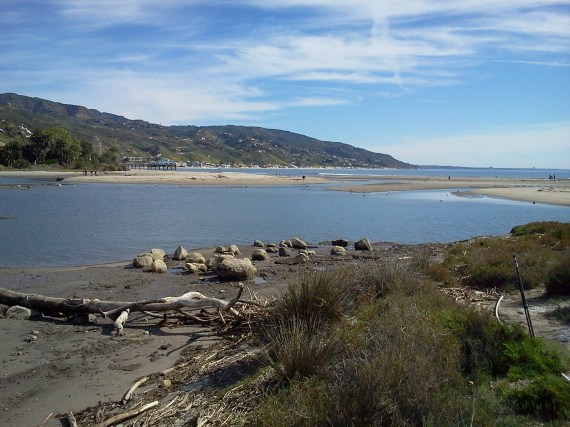
The lagoon is still open to the ocean, and with a very large tidal fluctuation today — +5.76 ft. @ 0621 dropping to -1.31 ft. @ 1345, or a total of -7.07 ft in 7 ½ hours — we had the chance to watch the rocks emerge, and gulls frequently flew back and forth from lagoon to revealed rocky reefs. This did not make counting them any easier.

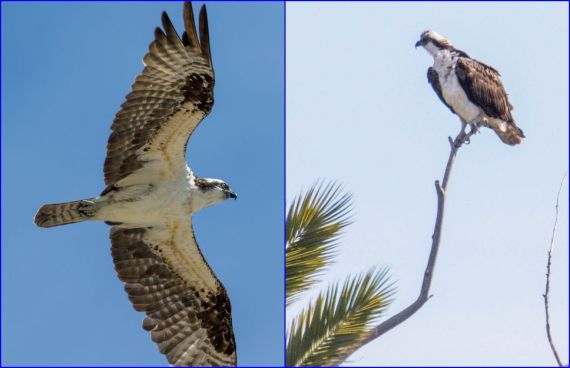
The mystery bird above, is fairly common in SoCal, and more common at the lagoon that one might think. Not all of our 14 birders present saw it. But then, no one ever sees all the birds.

The ocean was extremely flat with no surfers save diehards and dawn patrol sitting, sitting, sitting on their boards. Several paddleboarders stroked their way around the pier.
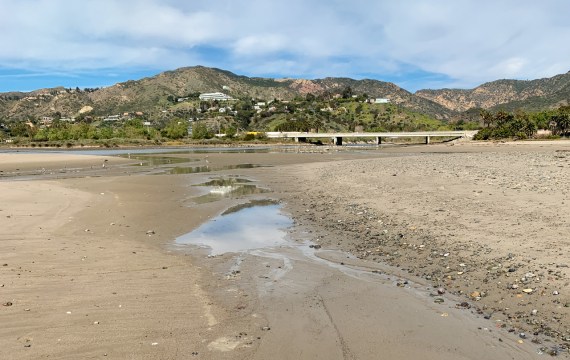
Lagoon and channels were mostly mud. Not much water left for diving ducks, yet still there were a few grebes, several dozen Coots, Ruddy Ducks, Bufflehead and Red-breasted Mergansers; all diving birds.
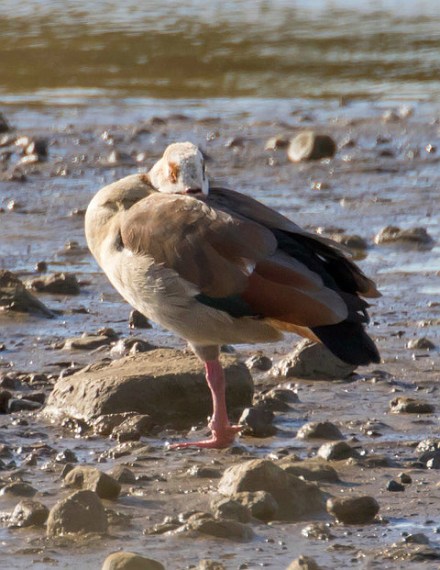
The most unusual bird was probably the first bird everyone saw: a big brown lump of an Egyptian Goose on the mud flat near our gathering point. It didn’t do much — it didn’t do anything except sleep one-footed, really — its bill well tucked under feathers. This is the first one we’ve seen at the lagoon. No, it didn’t fly over from Egypt, or even from Senegal. They’re fairly common in American waterfowl collections. I recall seeing one in the 1980s-1990s on the golf course in Oxnard near the marina, and any golf course in our area is as likely as not to have one or more hanging around the water hazards.
They are extremely widespread in Africa, not just Egypt, and are probably as frequently seen near lakes and ponds in Africa as are Mallards in the U.S. The first ones I ever saw were three coming in so low to land on a Ugandan lake that they nearly took my head off. St. James and Hyde Parks in London have their fair share, and the Queen probably keeps a few out behind the castle. They get around.
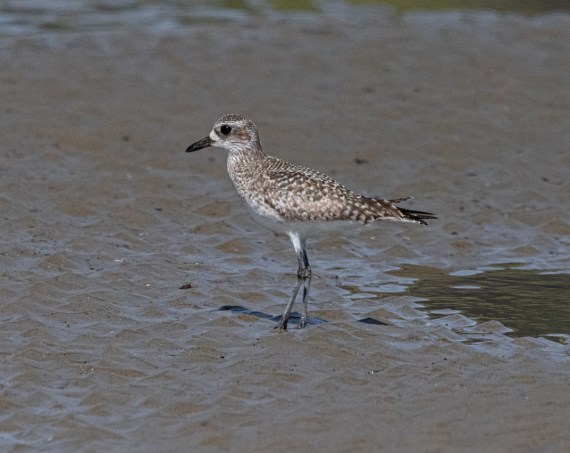
Our other unusual bird was a plover, spotted from the viewpoint near the PCH bridge, unfortunately right into the low sun brightly reflecting off the lagoon water.
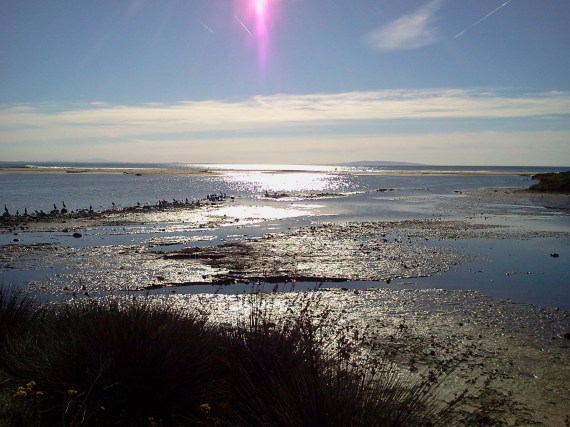
Chris Tosdevin alerted me to it: “Look at this. Do you think it might be a Mountain Plover?” We studied and studied it for quite a while. I even walked across the mud onto the nearest island to try to get an angle that wasn’t looking directly into the sun, but failed.

The plumage was very evenly pale brown (browner than in the photo above), no speckling or black & white effects as with all the other similar-sized plovers which were obviously Black-bellied Plover. The bill looked thinner to me as well, like a skinny cone, not bulbous at the tip (see the BB Plover farther above), and the legs were possibly a little brownish. All good characteristics for Mountain Plover.
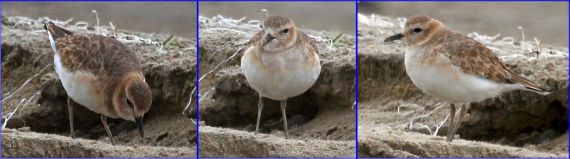
We’ve only seen Mountain Plover once before at the lagoon, so they’re possible there, although they’re a lot more common on sod farms or plowed fields in the Antelope or Imperial Valleys in the winter. They don’t really spend time in the mountains, but they breed on the high plains east of the Rockies from New Mexico to Montana, so they’re mountain-adjacent, if you wish.
Two links to photos of the October 2016 Mountain Plover: One, Two.
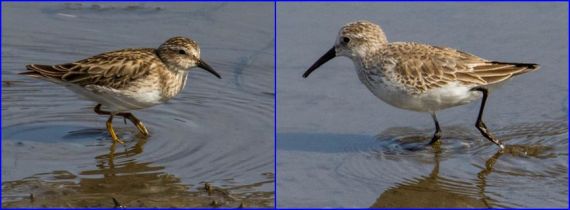
But this time, with the lousy sun-washed-out view, I didn’t want to call it a Mountain, and left it at Black-bellied Plover. A few days later Chris T. sent me his photo (see above), and after looking at it for a while, became a lot more convinced that it was a Mountain. Then Chris told me he’d gotten a message from one of the experts at eBird who saw it on the list Chris filed with them, and he expertly said, “The documentation you have provided shows a really worn Black-bellied Plover. While it does look especially plain and worn, note the gray, faintly streaked chest, extra big, lumpy body relative to the head, thicker bill.”
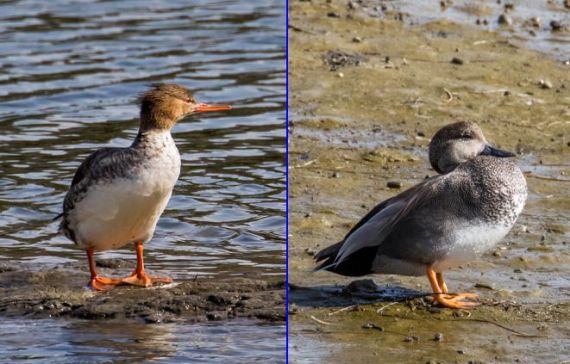
Well……OK. I’ll leave it at Black-bellied Plover, although I’d say the bill was definitely not “thicker.” Compare it yourself to our 2016 Mountain Plover, and the BB Plover above.
Other than that, we had a very good selection of birds. The Heermann’s Gulls were all gone save for one 1st-winter bird out on the low-tide exposed rocks hiding among the many California Gulls. They’ve probably gone south to the Sea of Cortez for their early-spring nesting season.

Here’s a good comparison of Brandt’s to Pelagic Cormorants in the wild. The Brandt’s is larger, thicker neck, head and bill, small beige gular pouch below chin with (in breeding season) a small blue patch just below the bill which you can almost see in the above picture if you have a vivid imagination. The Pelagic is smaller, all black, thinner neck, head and bill, proportionately longer tail, and nothing below the bill but black plumage. Neither of them cares to venture so far inland as all the way into the lagoon.

We could find only 15 Snowy Plovers, all of them among a cluster of small rocks left high on the beach, not at all close to the lagoon or on the sand near Adamson House where they’ve been for the past few months. They were very well-hidden and difficult to spot, as they look just like little rocks themselves. Survival: thy name is camouflage!

Malibu Lagoon on eBird: 3/04/22 – 5651 lists, 312 species
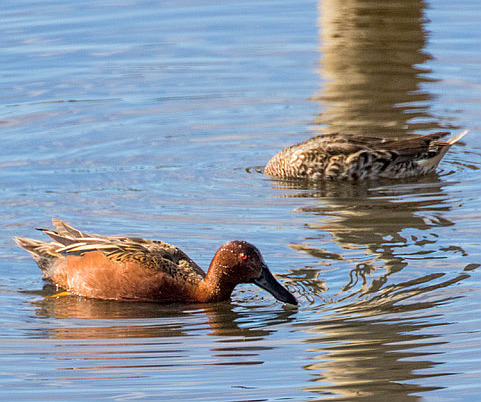
Birds new for the season: Egyptian Goose, Cinnamon Teal, Eared Grebe, Band-tailed Pigeon, Caspian Tern, Say’s Phoebe, Red-winged Blackbird.

Many thanks to photographers: Lillian Johnson, Ray Juncosa & Chris Tosdevin.
Upcoming SMBAS scheduled field trips: It looks we will have the Malibu Lagoon latter-half-of-March trip open to the public, after being on pandemic hiatus for two solid years. Limit 25 people by reservation only, vaccine card required, bring your own equipment. No 10am Children & Parents walk. Watch the blog for announcement. If this goes well, we might have some other trips before summer steamrolls us all flat.

The next SMBAS program: Sketches of Spain, with Luke Tiller, Zoom Evening Meeting, Tuesday, 5 April 2022, 7:30 p.m.
The SMBAS 10 a.m. Parent’s & Kids Birdwalk remains canceled until further notice due to the near-impossibility of maintained proper masked social distancing with parents and small children.
Links: Unusual birds at Malibu Lagoon
9/23/02 Aerial photo of Malibu Lagoon
More recent aerial photo

(C. Tosdevin 2-27-22)
Prior checklists:
2021: Jan-July, July-Dec
2020: Jan-July, July-Dec 2019: Jan-June, July-Dec
2018: Jan-June, July-Dec 2017: Jan-June, July-Dec
2016: Jan-June, July-Dec 2015: Jan-May, July-Dec
2014: Jan-July, July-Dec 2013: Jan-June, July-Dec
2012: Jan-June, July-Dec 2011: Jan-June, July-Dec
2010: Jan-June, July-Dec 2009: Jan-June, July-Dec
The 10-year comparison summaries created during the Lagoon Reconfiguration Project period, remain available—despite numerous complaints—on our Lagoon Project Bird Census Page. Very briefly summarized, the results unexpectedly indicate that avian species diversification and numbers improved slightly during the restoration period June’12-June’14.
Many thanks to Femi Faminu, Lillian Johnson, Chris Lord, Chris Tosdevin and others for their contributions to this month’s checklist.
The appearance of the list below has changed slightly. I’ve added a column on the left side with numbers 1-9, keyed to the nine categories of birds at the bottom. The species are re-sequenced to agree to the California Bird Records Committee Official California Checklist, updated 15 Jan 2022. I generally do this at the start of each year.
[Chuck Almdale]

| Malibu Census 2021-22 | 9/26 | 10/24 | 11/28 | 12/26 | 1/23 | 2/20 | |
| Temperature | 63-70 | 54-63 | 57-70 | 54-62 | 61-73 | 61-70 | |
| Tide Lo/Hi Height | L+2.52 | H+5.23 | L+2.35 | L+2.58 | L+2.04 | H+5.76 | |
| Tide Time | 0556 | 1105 | 1104 | 0900 | 0645 | 0621 | |
| 1 | Canada Goose | 10 | 4 | 2 | 2 | ||
| 1 | Egyptian Goose | 1 | |||||
| 1 | Cinnamon Teal | 2 | |||||
| 1 | Northern Shoveler | 2 | |||||
| 1 | Gadwall | 4 | 2 | 20 | 29 | 8 | |
| 1 | American Wigeon | 7 | 4 | 2 | 10 | 4 | |
| 1 | Mallard | 18 | 3 | 2 | 12 | 20 | 12 |
| 1 | Northern Pintail | 2 | 1 | 1 | |||
| 1 | Green-winged Teal | 1 | 5 | 5 | 15 | 11 | 12 |
| 1 | Surf Scoter | 10 | |||||
| 1 | Bufflehead | 1 | 10 | 2 | 5 | ||
| 1 | Hooded Merganser | 13 | |||||
| 1 | Red-breasted Merganser | 17 | 15 | 9 | 6 | ||
| 1 | Ruddy Duck | 1 | 5 | 8 | 13 | 4 | |
| 2 | Pied-billed Grebe | 3 | 5 | 3 | 5 | 3 | 3 |
| 2 | Horned Grebe | 1 | |||||
| 2 | Eared Grebe | 1 | 1 | 1 | |||
| 2 | Western Grebe | 12 | 30 | 12 | |||
| 7 | Feral Pigeon | 8 | 6 | 52 | 3 | 20 | 10 |
| 7 | Band-tailed Pigeon | 3 | |||||
| 7 | Eurasian Collared-Dove | 1 | |||||
| 7 | Mourning Dove | 5 | 1 | 1 | 4 | ||
| 8 | Anna’s Hummingbird | 1 | 2 | 2 | 2 | ||
| 8 | Allen’s Hummingbird | 1 | 3 | 1 | 4 | 3 | 3 |
| 2 | American Coot | 130 | 240 | 245 | 360 | 49 | 73 |
| 5 | Black-bellied Plover | 103 | 87 | 166 | 104 | 58 | 25 |
| 5 | Killdeer | 10 | 23 | 20 | 10 | 2 | 10 |
| 5 | Semipalmated Plover | 3 | 2 | ||||
| 5 | Snowy Plover | 34 | 34 | 40 | 34 | 15 | |
| 5 | Whimbrel | 8 | 4 | 12 | 9 | 8 | 2 |
| 5 | Long-billed Curlew | 1 | |||||
| 5 | Marbled Godwit | 30 | 34 | 9 | 71 | 32 | 1 |
| 5 | Ruddy Turnstone | 3 | 6 | 1 | 6 | 5 | |
| 5 | Sanderling | 20 | 104 | 22 | 22 | 1 | |
| 5 | Dunlin | 2 | |||||
| 5 | Least Sandpiper | 12 | 9 | 3 | 35 | 12 | 20 |
| 5 | Western Sandpiper | 2 | 2 | 1 | 1 | 11 | |
| 5 | Long-billed Dowitcher | 1 | |||||
| 5 | Spotted Sandpiper | 1 | |||||
| 5 | Willet | 14 | 25 | 34 | 13 | 15 | 8 |
| 6 | Bonaparte’s Gull | 2 | 1 | ||||
| 6 | Heermann’s Gull | 1 | 2 | 53 | 26 | 45 | 1 |
| 6 | Ring-billed Gull | 1 | 2 | 28 | 170 | 40 | 175 |
| 6 | Western Gull | 10 | 63 | 92 | 85 | 95 | 88 |
| 6 | California Gull | 9 | 515 | 370 | 925 | 510 | |
| 6 | Herring Gull | 1 | 2 | 1 | |||
| 6 | Glaucous-winged Gull | 1 | 2 | 5 | 5 | ||
| 6 | Caspian Tern | 1 | |||||
| 6 | Royal Tern | 13 | 2 | 5 | 2 | ||
| 2 | Red-throated Loon | 1 | 1 | 2 | |||
| 2 | Pacific Loon | 1 | 2 | ||||
| 2 | Common Loon | 2 | 1 | ||||
| 2 | Black-vented Shearwater | 1000 | |||||
| 2 | Brandt’s Cormorant | 2 | 10 | 1 | 6 | 1 | |
| 2 | Pelagic Cormorant | 2 | 1 | 4 | 1 | 12 | 3 |
| 2 | Double-crested Cormorant | 35 | 67 | 52 | 39 | 45 | 51 |
| 2 | Brown Pelican | 11 | 21 | 99 | 44 | 110 | 15 |
| 3 | Great Blue Heron | 3 | 3 | 3 | 4 | 4 | 2 |
| 3 | Great Egret | 1 | 3 | 1 | 7 | 2 | |
| 3 | Snowy Egret | 14 | 11 | 4 | 24 | 6 | 3 |
| 3 | Green Heron | 2 | 1 | ||||
| 3 | Black-crowned Night-Heron | 3 | 1 | 1 | 5 | ||
| 4 | Turkey Vulture | 1 | 1 | ||||
| 4 | Osprey | 2 | 1 | 1 | 1 | 1 | |
| 4 | Cooper’s Hawk | 1 | 2 | 1 | 1 | ||
| 4 | Red-shouldered Hawk | 1 | 1 | 1 | |||
| 4 | Red-tailed Hawk | 1 | 1 | 1 | 1 | ||
| 8 | Belted Kingfisher | 1 | 1 | ||||
| 8 | Downy Woodpecker | 1 | |||||
| 8 | Nuttall’s Woodpecker | 1 | |||||
| 8 | Hairy Woodpecker | 1 | |||||
| 4 | Merlin | 1 | 1 | ||||
| 4 | Peregrine Falcon | 1 | |||||
| 9 | Black Phoebe | 5 | 5 | 4 | 4 | 4 | 3 |
| 9 | Say’s Phoebe | 1 | 1 | 1 | |||
| 9 | California Scrub-Jay | 1 | 2 | 2 | 3 | ||
| 9 | American Crow | 4 | 6 | 1 | 7 | 4 | 20 |
| 9 | Common Raven | 1 | |||||
| 9 | Oak Titmouse | 1 | |||||
| 9 | Tree Swallow | 2 | |||||
| 9 | Barn Swallow | 3 | 2 | ||||
| 9 | Bushtit | 48 | 12 | 4 | |||
| 9 | Wrentit | 1 | |||||
| 9 | Ruby-crowned Kinglet | 1 | 1 | ||||
| 9 | Blue-gray Gnatcatcher | 4 | 4 | 1 | 2 | ||
| 9 | House Wren | 1 | 2 | 1 | |||
| 9 | Marsh Wren | 2 | |||||
| 9 | Bewick’s Wren | 1 | 4 | ||||
| 9 | Northern Mockingbird | 2 | 1 | 1 | |||
| 9 | European Starling | 40 | 31 | 9 | 15 | 30 | |
| 9 | Hermit Thrush | 1 | 1 | ||||
| 9 | American Pipit | 1 | |||||
| 9 | House Finch | 7 | 4 | 18 | 8 | 8 | 5 |
| 9 | Lesser Goldfinch | 1 | 2 | 2 | 4 | 2 | |
| 9 | Dark-eyed Junco | 2 | 4 | 3 | |||
| 9 | White-crowned Sparrow | 5 | 15 | 17 | 35 | 25 | |
| 9 | Savannah Sparrow | 1 | |||||
| 9 | Song Sparrow | 5 | 4 | 7 | 8 | 6 | 6 |
| 9 | California Towhee | 2 | 2 | 4 | 2 | 2 | |
| 9 | Western Meadowlark | 1 | 1 | ||||
| 9 | Red-winged Blackbird | 2 | |||||
| 9 | Great-tailed Grackle | 1 | 4 | 3 | 7 | 1 | 3 |
| 9 | Orange-crowned Warbler | 1 | 2 | 1 | |||
| 9 | Common Yellowthroat | 5 | 4 | 5 | 6 | 3 | 1 |
| 9 | Yellow-rumped Warbler | 6 | 19 | 20 | 10 | 6 | |
| Totals by Type | Sep | Oct | Nov | Dec | Jan | Feb | |
| 1 | Waterfowl | 27 | 23 | 49 | 113 | 88 | 52 |
| 2 | Water Birds – Other | 181 | 349 | 414 | 452 | 1259 | 164 |
| 3 | Herons, Egrets & Ibis | 21 | 18 | 8 | 38 | 18 | 5 |
| 4 | Quail & Raptors | 4 | 0 | 3 | 6 | 5 | 5 |
| 5 | Shorebirds | 242 | 332 | 307 | 299 | 135 | 97 |
| 6 | Gulls & Terns | 25 | 79 | 689 | 655 | 1118 | 783 |
| 7 | Doves | 8 | 11 | 53 | 4 | 21 | 17 |
| 8 | Other Non-Passerines | 1 | 3 | 3 | 8 | 6 | 6 |
| 9 | Passerines | 75 | 56 | 163 | 107 | 117 | 118 |
| Totals Birds | 584 | 871 | 1689 | 1682 | 2767 | 1247 | |
| Total Species | Sep | Oct | Nov | Dec | Jan | Feb | |
| 1 | Waterfowl | 4 | 6 | 9 | 10 | 9 | 9 |
| 2 | Water Birds – Other | 5 | 8 | 7 | 8 | 11 | 11 |
| 3 | Herons, Egrets & Ibis | 4 | 4 | 3 | 5 | 5 | 2 |
| 4 | Quail & Raptors | 3 | 0 | 3 | 5 | 5 | 5 |
| 5 | Shorebirds | 14 | 12 | 9 | 9 | 9 | 9 |
| 6 | Gulls & Terns | 4 | 6 | 5 | 6 | 8 | 8 |
| 7 | Doves | 1 | 2 | 2 | 2 | 2 | 3 |
| 8 | Other Non-Passerines | 1 | 1 | 3 | 4 | 3 | 3 |
| 9 | Passerines | 13 | 19 | 16 | 20 | 20 | 17 |
| Totals Species – 105 | 49 | 58 | 57 | 69 | 72 | 67 |
I’ve never seen Knowable Magazine before, nor am I familiar with the writer of this article, Betsy Mason, but I like the way she thinks, and writes, and the way this article is put together on their website. Quality work! Ms. Mason has written other articles that sound equally interesting. You can find them by clicking Betsy Mason.
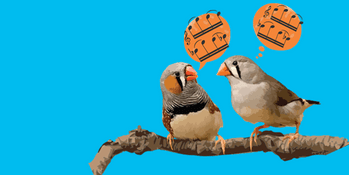
Do birds have language? It depends on how you define it.
Knowable Magazine | Betsy Mason | 15 Feb 2022 | 10 minute read
“In our quest to find what makes humans unique, we often compare ourselves with our closest relatives: the great apes. But when it comes to understanding the quintessentially human capacity for language, scientists are finding that the most tantalizing clues lay farther afield.”
You can subscribe to Knowable Magazine for free!
The groundhog & the orbit of the earth
[Posted by Chuck Almdale]
Joe Rao, in addition to his duties as Space.com’s skywatching columnist, and instructor and instructor and guest lecturer at New York’s Hayden Planetarium, writes a monthly column for Natural History Magazine called Skylog, in which he discusses what’s up skywise for the coming month. I’ve cribbed from it a lot on this blog over the past decade.
His February 2022 column is quite interesting. I managed to track down almost the same article on his Space.com page, so there is a link below, but I’ll tempt you with a line he quotes from an old English nursery rhyme (some say a folk song, or just “a song”):
If Candlemas be fair and bright, Come, Winter, have another flight.
If Candlemas brings clouds and rain, Go, Winter, and not come again.
Ring any bells? Read the article.
When is the midpoint of winter?
Space.com| Joe Rao | 8 Feb 2022 | 5 minute read
Curious about Candlemas? Here’s the lowdown on this feast, not so well-known since the advent of the electric light, from Those Who Know: Catholic Straight Answers.com

More Supurb Owls
[Posted by Chuck Almdale, suggested by Tom Hinnebusch]
Sometimes even a surfeit is insufficient.
Most — but not all — of these are local owls.
From Pasadena Audubon Society:
https://www.pasadenaaudubon.org/superb-owl-sunday
Supurb Owl Sunday VI | The Atlantic
[Posted by Chuck Almdale, submitted by Adrian Douglas]
A photographic essay: Twenty-eight stunning photos of owls from around the world.
Superb Owl Sunday VI
The Atlantic | Alan Taylor | 13 Feb 2022 | 5 minute look



 SANTA MONICA BAY AUDUBON SOCIETY BLOG