Pelican & Plover, Over & Over*: Malibu Lagoon, 24 Mar. 2024
[Text by Chuck Almdale; photos by Ray Juncosa, Grace Murayama & Chris Tosdevin]
*Guess the inspiration for this title & win a prize. When you give up, read this.

The Crotch’s Bumblebee above, an uncommon visitor to the lagoon, is a near-endemic of California, with a few reports from Nevada and Mexico, and is declining in numbers. The California Dept. of Fish & Wildlife (CDFW) is seeking data and comments on this insect as they are currently deciding whether it should be listed as California Endangered. Grace Murayama took this photo on one of her & Larry’s regular expeditions to the lagoon to check up on the Western Snowy Plovers.
Moving beyond bumblebees, we had 58 bird species on our bird walk. The weather was nippy (46-54°F), windy (7-10 mph with gusts to 22 mph) and cloudy (~50%) but fortunately without rain. Some people were plumped up in faux down. I didn’t see any Uggs boots.
There’ll be a bird ID quiz following a closer look at two of our regular lagoon visitors, plus some humans.
Brown Pelicans

The Brown Pelicans are the early portion of their nesting season, and many of the adults were developing their bright breeding colors. It takes them 3-5 years to reach breeding age and they go through half-a-dozen or more molts before their definitive (alternate) plumage of breeding. According to the National Park Service their breeding season extends from January into October and their only west coast breeding areas are on West Anacapa and Santa Barbara Islands., I’ve never visited the latter nesting area, but the Anacapa site consists of steep grassy slopes which they share with Western Gulls and no rats or other nest-robbing rodents.
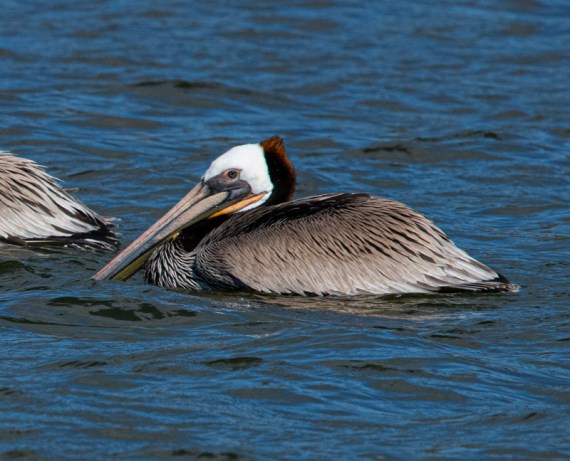
Their nest building takes 4-10 days, egg incubation takes 29-32 days, and fledging occurs 11-13 weeks after hatching, depending on which expert you consult. Add that up and it can take 133 days or 4.5 months from the first nest stick to the last flight from the nest. Thus the long breeding season. Compare that to the Anna’s Hummingbird which spends about one-third that time (48 days) from start to finish. Size matters, and the Brown Pelican (48″ long, wingspan 84″, 5.9-11 lbs) is among our largest birds. The photos below display a variety of plumages and skin colors. The young are largely brown, but by the time they reach breeding age, their body plumage is really more silvery and the chocolate-brown is on their neck. The white forehead can become quite golden.
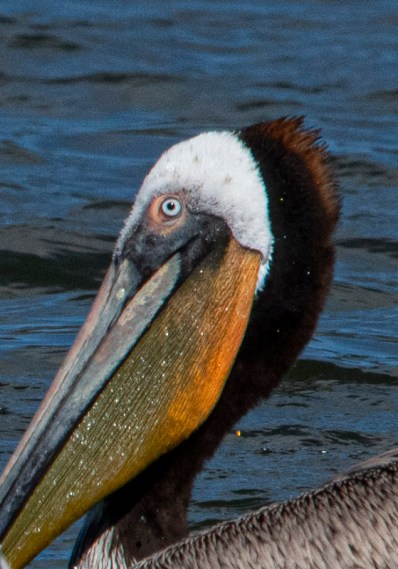

The leftmost bird below is probably one year old. The yellow-brown patch at the base of the adults’ necks appears as breeding season approaches.


Sometimes they get up just to fly and “stretch their wings,” but it might also be that one spotted a raptor in the distance. None of the birders present saw a raptor.
Western Snowy Plovers
Almost at the other end of the size spectrum at 6.25″ long are our Western Snowy Plovers. They’ve recently suffered name-changes (no, not for that reason) from Charadrius alexandrinus to Charadrius nivosus when they were split from the Kentish Plover, then changed again to Anarhynchus nivosus. Research in recent decades resulted in genus Charadrius becoming restricted to a small group of plovers (including Killdeer, Piping Plover & a few others). The remaining plovers ( including Wilson’s Plover, Snowy Plover and a bunch of Old World plovers), were transferred to genus Anarhynchus (“backwards bill”). This genus name was previously used monotypically only for the weird Wrybill (Anarhynchus frontalis) of New Zealand, but when Wrybill was actually found to be a part of this diverse clade of plovers, Anarhynchus was the oldest generic name and by the rules of nomenclature, the name that must be used.

Technically (I suppose) they’re still Snowy Plovers, but out here on the west end of the world near where the ocean plunges into the great abyss we prefer Western Snowy Plovers to distinguish them from the inland sort who nest in places like Utah, Texas and Kansas, before retiring for the winter to the balmy shores of the Gulf of Mexico. Our Western SP’s breed right here on our western beaches and winter here as well. There is a possibility (a good one, I think) they are actually sufficiently geographically separated from the inland version to be considered a separate species, I have read that the western & inland forms neither visit each other’s breeding areas or wintering areas. If they don’t share breeding areas or wintering areas and don’t interbreed, that’s allopatry (physical isolation from similar species) as far as I can see. But that’s not yet settled science either way, as far as I know.
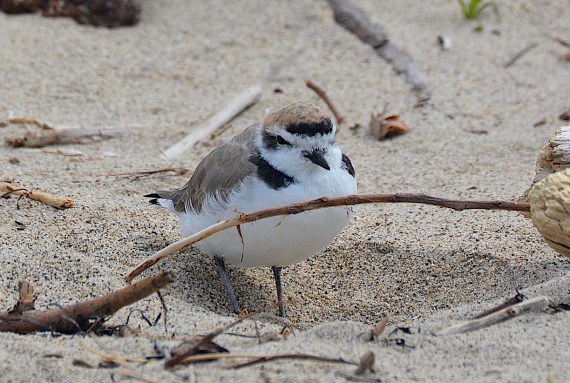
I searched through dozens of photos online and checked Birds Of The World (BOTW) to find any mention of the faint reddish cap shown on this bird. Nothing. The closest (and not really close) comment was from (BOTW): “Sexes show similar aspects in juvenile and formative plumages, slight dimorphism in definitive basic plumage, and moderate dimorphism in alternate plumages.” So…who knows?…maybe Grace captured something that is distinctive of the Western Snowy Plover. Maybe this is a genetic hangover from the WSPs close relative Red-capped Plover (see cladogram above)?
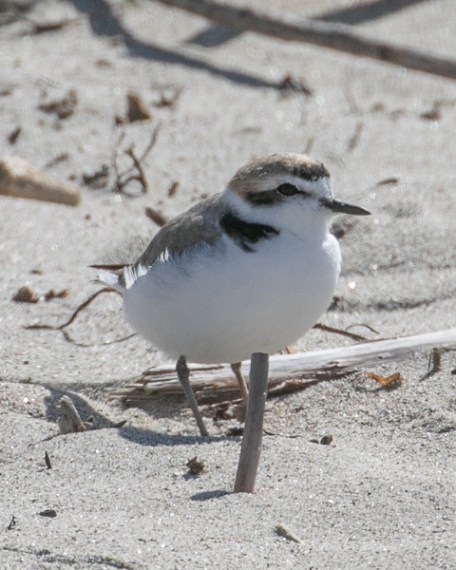
Generally speaking, the more black on the forehead, ear patch and shoulder, the more “mature” the bird. It seems that the breeding male may have a bit more (or darker) black than the female. However, this species is at least semi-polyandrous (females take multiple mates in a single breeding season): female & male both tend the nest and eggs, but the female leaves within a few days after hatching to find another mate, while the male keeps an eye on their precocial young. There is a correlation between sexual dimorphism reversal [read this] in plumage (not in size) and polyandry. If it’s true that the breeding males are always a bit darker than the females, then this is the only example I’m aware of where a species is polyandrous but the males are more “colorful” than the females.


We had altogether 20 WSPs, and 21 in February, after missing them altogether in December and January. I think they were actually hiding among the driftwood on the east side of the lagoon. We didn’t go over there then because the lagoon exit channel was too wide with frigid rushing water and we were too lazy to walk all the way around via the PCH bridge. Now all the driftwood is on the south side of the lagoon, and it’s still very easy to completely overlook these birds even when they’re only 15 feet away, staring at you with their beady black eyes..
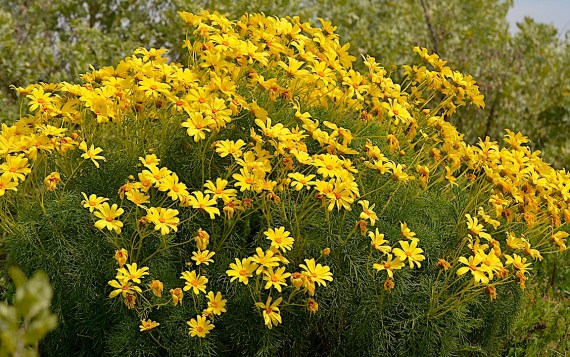
Fish Researchers
About 10am a few researchers arrived with nets. When I inquired as to what they were looking for, they replied “Whatever’s there.” An answer I can appreciate as I’ve used it many times myself. They proceeded to unfurl their nets and drag them around the edges of the south channel (very likely too deep in channel centers). I didn’t see what they were collecting, but if anyone who knows anything about this particular operation can put me in touch with them, I’d like to put something on the blog about it. Your chance for fame and glory, folks!


The Quiz
I liked doing the “quiz” on our last posting of Sepulveda Basin, so we’re doing it again. Now. If you don’t like these quizzes, let me know. I may include another ringer, like that Antpitta, so watch out.

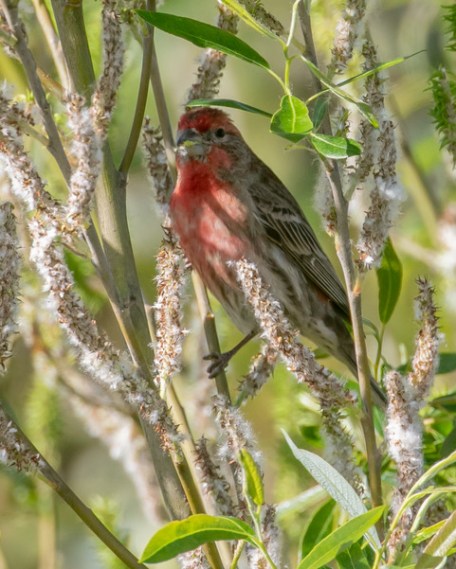
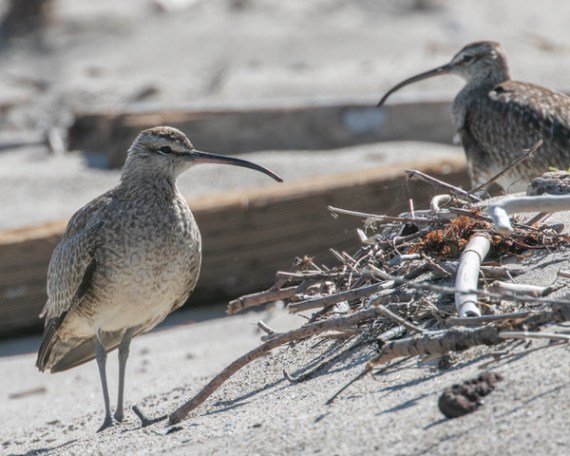


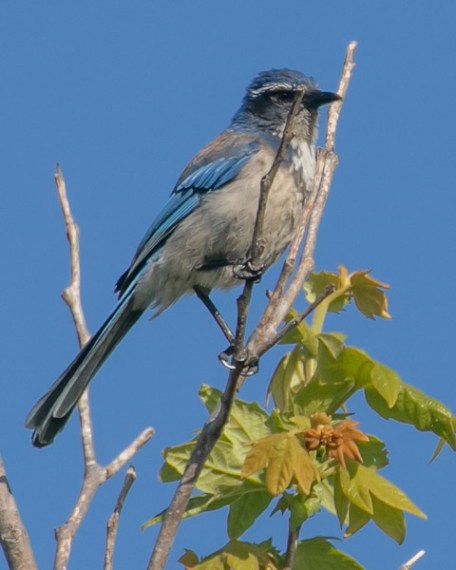
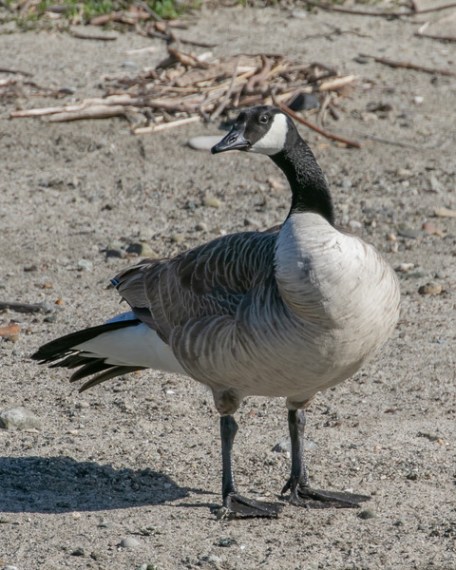


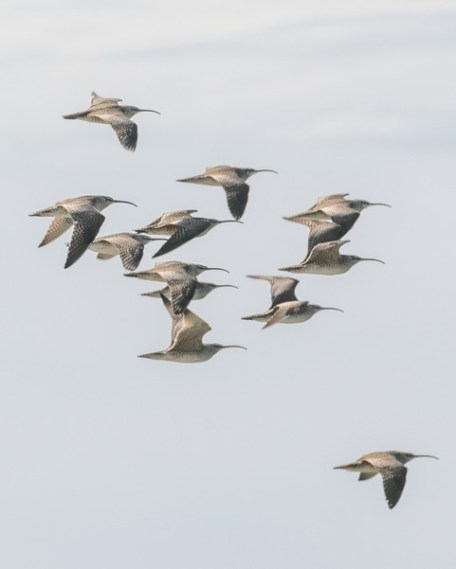
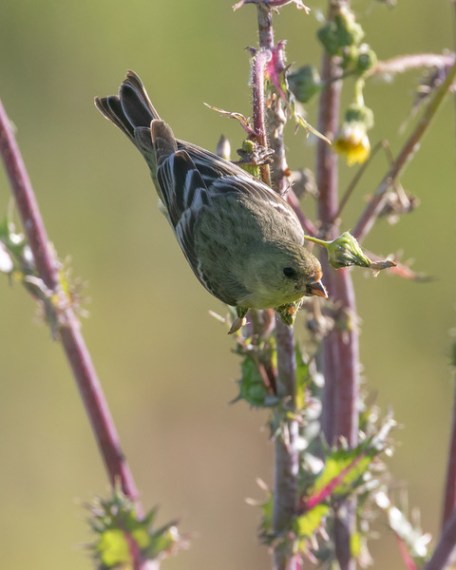

Quiz Answers & credits
#1. Marbled Godwit (Grace Murayama 17 Mar 2024)
#2. House Finch male Grace Murayama 17 Mar 2024)
#3. Whimbrels (Grace Murayama 17 Mar 2024)
#4. Song Sparrow (Chris Tosdevin 24 Mar 2024)
#5. Caspian Tern (Chris Tosdevin 24 Mar 2024)
#6. Allen’s Hummingbird male (Chris Tosdevin 24 Mar 2024)
#7. Red-capped Plover [The Ringer] (JJ Harrison 25 Dec 2010, via Wikipedia)
#8. Green-winged Teal female (Chris Tosdevin 24 Mar 2024)
#9. California Scrub-Jay (Chris Tosdevin 24 Mar 2024)
#10. Canada Goose (Chris Tosdevin 24 Mar 2024)
#11. Bushtit (Chris Tosdevin 24 Mar 2024)
#12. Green-winged Teal male (Chris Tosdevin 24 Mar 2024)
#13. Whimbrels (Chris Tosdevin 24 Mar 2024)
#14. Lesser Goldfinch female or imm. male (Chris Tosdevin 24 Mar 2024)
#15. Black-bellied Plovers (Chris Tosdevin 24 Mar 2024)
Malibu Lagoon on eBird as of 3-25-24: 7585 lists, 319 species
Most recent species added: Red-breasted Nuthatch (31 October 2023, Kyle Te Poel).
Birds new for the season: American Wigeon, Caspian Tern, Red-shouldered Hawk, Common Raven, Tree Swallow, Rough-winged Swallow, Barn Swallow, Spotted Towhee, Brown-headed Cowbird. “New for the season” means it has been three or more months since last recorded on our trips.
Many, many thanks to photographers: Ray Juncosa, Grace Murayama & Chris Tosdevin
Upcoming SMBAS scheduled field trips; no reservations or covid card necessary unless specifically mentioned:
- Sycamore Canyon Sat Apr 6, 8:00 am, unless we decided creek level too high & relocate
- Malibu Lagoon, Sun. Apr 28, 8:30 (adults) & 10 am (parents & kids)
- Morongo Valley Sat 4 May 3pm; Sun 5 May 7:30am
- These and any other trips we announce for the foreseeable future will depend upon expected status of the Covid/flu/etc. pandemic at trip time. Any trip announced may be canceled shortly before trip date if it seems necessary. By now any other comments should be superfluous.
- Link to Programs & Field Trip schedule.
The next SMBAS Zoom program: “Great Black-backed Gulls, their food, and stable isotope analysis,” with Dr. Kristen Covino of LMU, Evening Meeting, Tuesday, Apr 2, 2023, 7:30 p.m.
The SMBAS 10 a.m. Parent’s & Kids Birdwalk is again running. Reservations not necessary for families, but for groups (scouts, etc.), call Jean (213-522-0062).
Links: Unusual birds at Malibu Lagoon
9/23/02 Aerial photo of Malibu Lagoon
More recent aerial photo
Prior checklists:
2023: Jan-June, July-Dec
2021: Jan-July, July-Dec 2022: Jan-June, July-Dec
2020: Jan-July, July-Dec 2019: Jan-June, July-Dec
2018: Jan-June, July-Dec 2017: Jan-June, July-Dec
2016: Jan-June, July-Dec 2015: Jan-May, July-Dec
2014: Jan-July, July-Dec 2013: Jan-June, July-Dec
2012: Jan-June, July-Dec 2011: Jan-June, July-Dec
2010: Jan-June, July-Dec 2009: Jan-June, July-Dec
The 10-year comparison summaries created during the Lagoon Reconfiguration Project period, remain available—despite numerous complaints—on our Lagoon Project Bird Census Page. Very briefly summarized, the results unexpectedly indicate that avian species diversification and numbers improved slightly during the restoration period June’12-June’14.
Many thanks to Marie Barnidge-McIntyre, Femi Faminu, Lillian Johnson, Chris & Ruth Tosdevin and others for their contributions to this month’s checklist.
The species lists below is irregularly re-sequenced to agree with the California Bird Records Committee Official California Checklist. If part of the right side of the chart below is hidden, there’s a slider button inconveniently located at the bottom of the list. The numbers 1-9 left of the species names are keyed to the nine categories of birds at the bottom.
[Chuck Almdale]
| Malibu Census 2023-24 | 10/22 | 11/26 | 12/24 | 1/28 | 2/25 | 3/24 | |
| Temperature | 62-70 | 62-68 | 53-64 | 53-64 | 51-62 | 46-54 | |
| Tide Lo/Hi Height | L+3.34 | H+6.53 | H+6.20 | H+5.06 | H+5.06 | H+4.71 | |
| Tide Time | 1029 | 0740 | 0644 | 1008 | 0921 | 0936 | |
| 1 | Canada Goose | 21 | 8 | 9 | 7 | ||
| 1 | Cinnamon Teal | 3 | 1 | 3 | 2 | ||
| 1 | Northern Shoveler | 1 | 13 | 10 | 4 | ||
| 1 | Gadwall | 23 | 30 | 27 | 54 | 40 | 24 |
| 1 | American Wigeon | 5 | 14 | 4 | |||
| 1 | Mallard | 9 | 8 | 7 | 35 | 12 | |
| 1 | Green-winged Teal | 31 | 8 | 17 | 25 | 4 | |
| 1 | Lesser Scaup | 1 | |||||
| 1 | Surf Scoter | 15 | 8 | 3 | 4 | 32 | 6 |
| 1 | Bufflehead | 5 | 18 | 12 | |||
| 1 | Red-breasted Merganser | 20 | 5 | 4 | 2 | 9 | |
| 1 | Ruddy Duck | 12 | 22 | 37 | 30 | 1 | |
| 2 | Pied-billed Grebe | 4 | 6 | 2 | 2 | ||
| 2 | Horned Grebe | 1 | |||||
| 2 | Eared Grebe | 1 | 1 | ||||
| 2 | Western Grebe | 28 | 13 | 18 | 14 | 240 | |
| 7 | Feral Pigeon | 3 | 4 | 4 | 4 | 4 | 2 |
| 7 | Eurasian Collared-Dove | 1 | |||||
| 7 | Mourning Dove | 1 | 4 | ||||
| 8 | Anna’s Hummingbird | 2 | 2 | 1 | 2 | ||
| 8 | Allen’s Hummingbird | 4 | 1 | 3 | 5 | 5 | 5 |
| 2 | American Coot | 157 | 230 | 280 | 148 | 46 | 63 |
| 5 | Black Oystercatcher | 1 | |||||
| 5 | Black-bellied Plover | 79 | 7 | 52 | 45 | 42 | 3 |
| 5 | Killdeer | 1 | 5 | 20 | 18 | 12 | 3 |
| 5 | Snowy Plover | 18 | 1 | 21 | 20 | ||
| 5 | Whimbrel | 23 | 4 | 8 | 4 | 6 | 39 |
| 5 | Marbled Godwit | 45 | 5 | 11 | 5 | 20 | 20 |
| 5 | Willet | 56 | 12 | 22 | 3 | 15 | 4 |
| 5 | Ruddy Turnstone | 10 | 1 | 10 | 5 | 2 | |
| 5 | Sanderling | 27 | 69 | 10 | 7 | 10 | |
| 5 | Least Sandpiper | 6 | 35 | 28 | 16 | 20 | 12 |
| 5 | Western Sandpiper | 8 | 20 | ||||
| 6 | Bonaparte’s Gull | 3 | |||||
| 6 | Heermann’s Gull | 55 | 71 | 22 | 12 | 60 | 16 |
| 6 | Ring-billed Gull | 4 | 42 | 34 | 25 | 200 | 18 |
| 6 | Western Gull | 45 | 68 | 64 | 30 | 85 | 58 |
| 6 | Herring Gull | 1 | 1 | 2 | 3 | ||
| 7 | Lesser Black-backed Gull | 1 | |||||
| 6 | California Gull | 7 | 220 | 425 | 270 | 400 | 170 |
| 6 | Glaucous-winged Gull | 1 | 5 | 3 | 3 | 1 | |
| 6 | Caspian Tern | 2 | |||||
| 6 | Elegant Tern | 2 | 1 | ||||
| 6 | Royal Tern | 5 | 12 | 7 | 3 | 4 | |
| 2 | Red-throated Loon | 1 | |||||
| 2 | Pacific Loon | 1 | 1 | 1 | |||
| 2 | Common Loon | 1 | |||||
| 2 | Black-vented Shearwater | 28 | |||||
| 2 | Brandt’s Cormorant | 1 | 1 | 1 | |||
| 2 | Pelagic Cormorant | 2 | 5 | 1 | 4 | 1 | |
| 2 | Double-crested Cormorant | 48 | 37 | 47 | 18 | 28 | 32 |
| 2 | Brown Pelican | 12 | 26 | 72 | 26 | 300 | 171 |
| 3 | Black-crowned Night-Heron | 1 | 1 | ||||
| 3 | Snowy Egret | 2 | 20 | 18 | 7 | 6 | 3 |
| 3 | Green Heron | 1 | |||||
| 3 | Great Egret | 6 | 4 | 2 | |||
| 3 | Great Blue Heron | 2 | 4 | 2 | 1 | 3 | 1 |
| 4 | Turkey Vulture | 1 | 2 | 2 | |||
| 4 | Osprey | 1 | 2 | 1 | 1 | ||
| 4 | Red-shouldered Hawk | 1 | 1 | ||||
| 4 | Red-tailed Hawk | 2 | 1 | ||||
| 8 | Belted Kingfisher | 1 | 1 | 1 | 2 | ||
| 8 | Downy Woodpecker | 1 | |||||
| 8 | Nuttall’s Woodpecker | 1 | |||||
| 8 | Hairy Woodpecker | 1 | |||||
| 8 | Northern Flicker (Red-shafted) | 1 | |||||
| 4 | Peregrine Falcon | 1 | |||||
| 8 | Nanday Parakeet | 2 | |||||
| 9 | Black Phoebe | 4 | 2 | 4 | 1 | 4 | 2 |
| 9 | Say’s Phoebe | 1 | |||||
| 9 | Cassin’s Kingbird | 1 | |||||
| 9 | California Scrub-Jay | 1 | 2 | 2 | 2 | ||
| 9 | American Crow | 44 | 3 | 5 | 10 | 10 | 4 |
| 9 | Common Raven | 1 | 1 | ||||
| 9 | Oak Titmouse | 1 | 1 | ||||
| 9 | Tree Swallow | 1 | |||||
| 9 | Northern Rough-winged Swallow | 5 | |||||
| 9 | Barn Swallow | 10 | |||||
| 9 | Bushtit | 22 | 50 | 12 | 12 | 2 | |
| 9 | Wrentit | 1 | 4 | 3 | 1 | 2 | |
| 9 | Ruby-crowned Kinglet | 1 | |||||
| 9 | Blue-gray Gnatcatcher | 2 | 1 | 1 | |||
| 9 | House Wren | 2 | 3 | 2 | 1 | ||
| 9 | Marsh Wren | 1 | |||||
| 9 | Bewick’s Wren | 1 | |||||
| 9 | European Starling | 12 | 22 | 28 | 2 | 19 | 5 |
| 9 | Hermit Thrush | 1 | |||||
| 9 | House Finch | 5 | 6 | 9 | 12 | 12 | 15 |
| 9 | Lesser Goldfinch | 2 | 6 | 20 | 20 | ||
| 9 | Dark-eyed Junco | 2 | |||||
| 9 | White-crowned Sparrow | 10 | 20 | 27 | 15 | 12 | 15 |
| 9 | Song Sparrow | 5 | 6 | 7 | 10 | 10 | 14 |
| 9 | California Towhee | 1 | 2 | 1 | 1 | 2 | 1 |
| 9 | Spotted Towhee | 1 | |||||
| 9 | Red-winged Blackbird | 15 | 16 | 2 | 35 | 4 | |
| 9 | Brown-headed Cowbird | 2 | |||||
| 9 | Great-tailed Grackle | 20 | 1 | 1 | 3 | ||
| 9 | Orange-crowned Warbler | 2 | 2 | 2 | 1 | ||
| 9 | Common Yellowthroat | 4 | 8 | 5 | 5 | 2 | 2 |
| 9 | Yellow-rumped Warbler (Audubon’s) | 5 | 12 | 6 | 6 | 10 | 4 |
| 9 | Townsend’s Warbler | 1 | |||||
| Totals by Type | Oct | Nov | Dec | Jan | Feb | Mar | |
| 1 | Waterfowl | 51 | 134 | 155 | 149 | 144 | 72 |
| 2 | Water Birds – Other | 280 | 314 | 426 | 211 | 621 | 268 |
| 3 | Herons, Egrets & Ibis | 11 | 28 | 23 | 9 | 9 | 4 |
| 4 | Quail & Raptors | 4 | 5 | 4 | 2 | 0 | 1 |
| 5 | Shorebirds | 265 | 139 | 162 | 103 | 156 | 121 |
| 6 | Gulls & Terns | 118 | 416 | 562 | 345 | 748 | 272 |
| 7 | Doves | 4 | 4 | 4 | 4 | 9 | 2 |
| 8 | Other Non-Passerines | 10 | 1 | 9 | 6 | 8 | 7 |
| 9 | Passerines | 154 | 146 | 119 | 88 | 158 | 115 |
| Totals Birds | 897 | 1187 | 1464 | 917 | 1853 | 862 | |
| Total Species | Oct | Nov | Dec | Jan | Feb | Mar | |
| 1 | Waterfowl | 4 | 10 | 11 | 10 | 7 | 9 |
| 2 | Water Birds – Other | 8 | 7 | 8 | 8 | 8 | 5 |
| 3 | Herons, Egrets & Ibis | 4 | 3 | 4 | 3 | 2 | 2 |
| 4 | Quail & Raptors | 3 | 3 | 3 | 2 | 0 | 1 |
| 5 | Shorebirds | 9 | 9 | 9 | 8 | 10 | 8 |
| 6 | Gulls & Terns | 6 | 8 | 9 | 7 | 5 | 8 |
| 7 | Doves | 2 | 1 | 1 | 1 | 3 | 1 |
| 8 | Other Non-Passerines | 5 | 1 | 6 | 2 | 3 | 2 |
| 9 | Passerines | 17 | 18 | 17 | 16 | 19 | 22 |
| Totals Species – 101 | 58 | 60 | 68 | 57 | 57 | 58 |
Discover more from SANTA MONICA BAY AUDUBON SOCIETY BLOG
Subscribe to get the latest posts sent to your email.



 SANTA MONICA BAY AUDUBON SOCIETY BLOG
Hi Chukar,Thank you for this great report, and for the wonderful photos!Best,Enid
LikeLike
Thanks Chuck for your detailed report. So nice to get back to birding and I appreciated your expertise th
LikeLike
Thanks Chuck. Your newsletter are always informative, and I like the new quiz. It helps me hone my skills in bird i.d.
Leah
>
LikeLike
Great photos as always.
LikeLike